Airbus A380 wing cracks trigger emergency EASA inspection order

6 min read
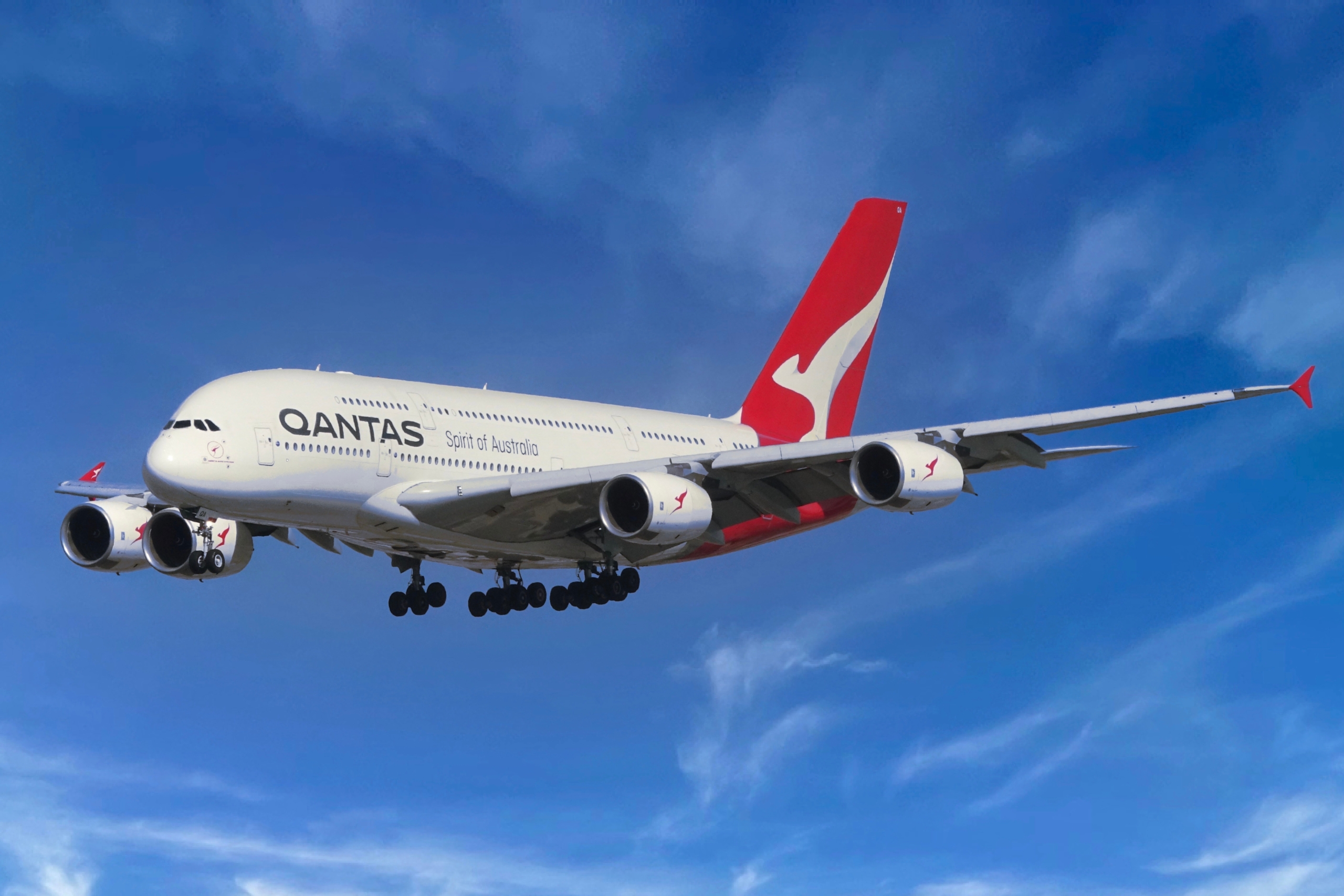

The European Union Aviation Safety Agency (EASA) has ordered urgent inspections of 16 Airbus A380 aircraft after cracks were discovered in wing structural components, placing renewed focus on the long-term maintenance challenges facing the world’s largest passenger aircraft.
The emergency airworthiness directive, issued on 22 June and taking effect on 24 June, requires operators to inspect wing mid spars on affected aircraft after regulators concluded that cracks found during earlier inspections could reduce the structural integrity of the wing.
The directive applies to aircraft operated by Emirates and Qantas and follows a review of inspection data gathered under previous airworthiness requirements.
While there is no indication of an immediate safety risk across the wider A380 fleet, five aircraft must undergo inspections before they are permitted to fly again.
The remaining 11 aircraft must be inspected within 25 flight cycles.
Airbus A380 wing cracks prompt emergency EASA directive
According to EASA, the latest directive stems from an analysis of inspections already carried out on A380 wing structures.
The regulator said cracks identified on certain aircraft could affect wing strength, prompting Airbus to develop an additional detailed inspection programme focused on the wing mid-spars, key structural elements located within the wing box.
Operators have been instructed to obtain inspection procedures directly from Airbus and report the results within seven days, regardless of whether cracks are found.
Any aircraft showing discrepancies will require repairs before returning to service.
EASA has also indicated that further regulatory action could follow once inspection results are analysed.
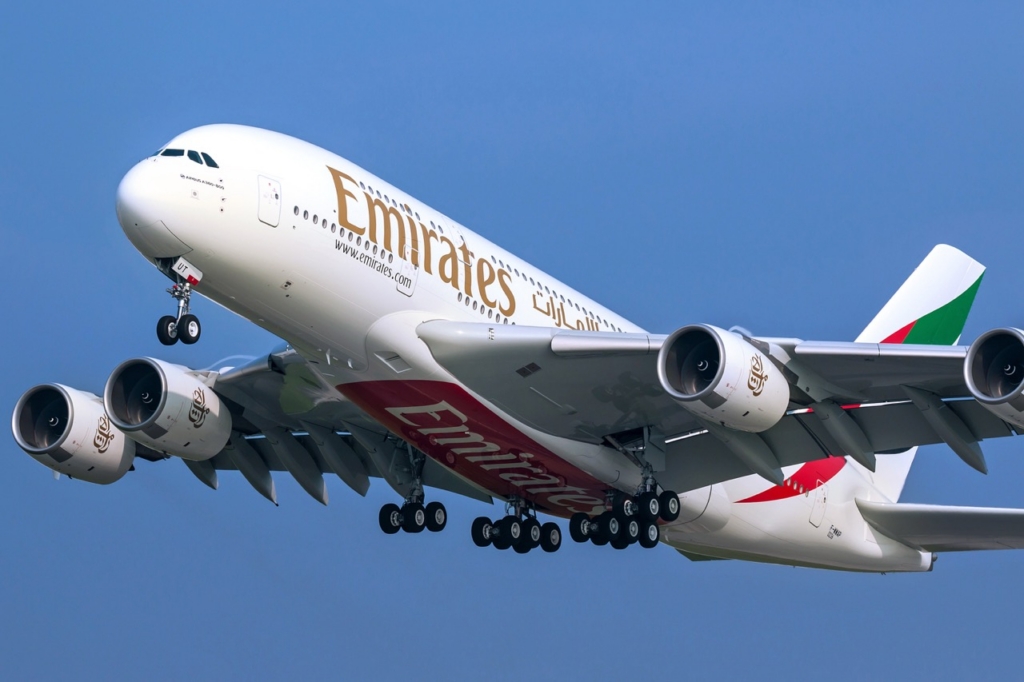
The five aircraft requiring inspection before their next flight are all operated by Emirates, the world’s largest A380 customer.
EASA has permitted limited ferry flights, without passengers, to allow aircraft to be repositioned for inspection work.
Emirates and Qantas A380s affected by inspection order
Of the 16 affected aircraft, 15 belong to Emirates, reflecting the airline’s dominant position as the largest A380 operator.
The Dubai-based carrier operates more than 100 A380s and accounts for nearly half of the 251 aircraft delivered before Airbus ended the programme.
One affected aircraft belongs to Qantas, whose A380 fleet remains central to its long-haul operations.
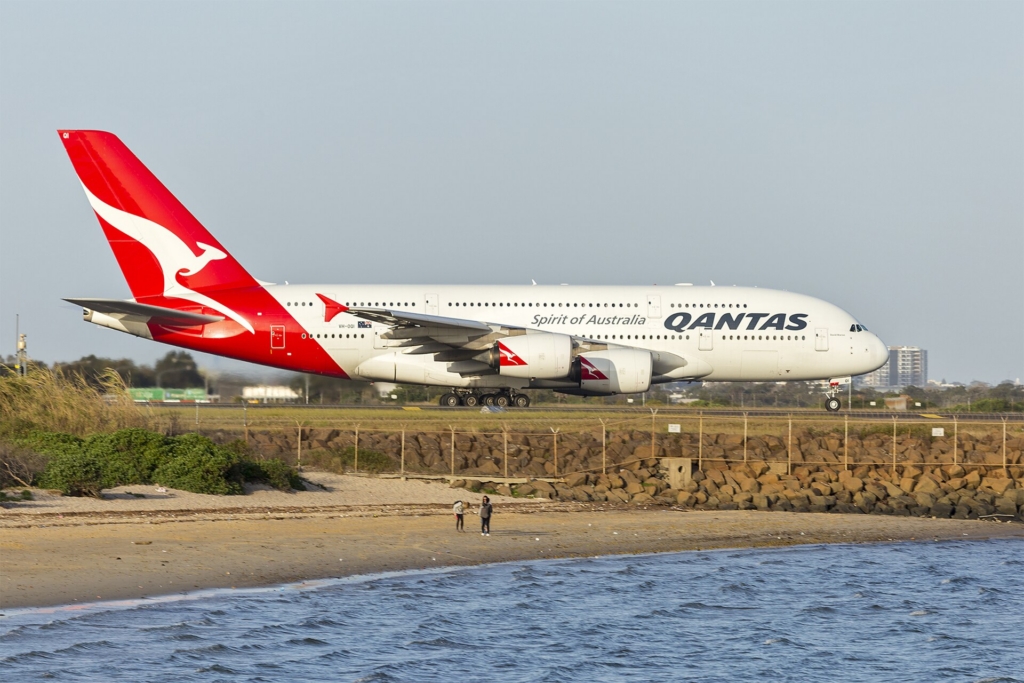
Qantas confirmed that its affected aircraft, VH-OQI, was already undergoing heavy maintenance in Dresden, Germany, and that the directive would not affect its flight schedule.
The concentration of affected aircraft within a small number of operators is unlikely to have a significant immediate impact on global airline capacity.
However, the inspections will add another layer of maintenance activity for aircraft now entering the later stages of their service lives.
A380 ageing brings complex maintenance challenges
The A380 remains one of the most remarkable aircraft ever built.
Measuring 73 metres in length, with a wingspan approaching 80 metres, the double-deck airliner entered service in 2007 and has since carried more than 300 million passengers across more than 800,000 flights.
Airbus says many of the technologies pioneered on the aircraft later migrated into subsequent programmes, including the A350.
Yet maintaining such a large aircraft presents unique engineering challenges. The wing alone was among the most advanced structures developed for a commercial airliner when the programme was launched.
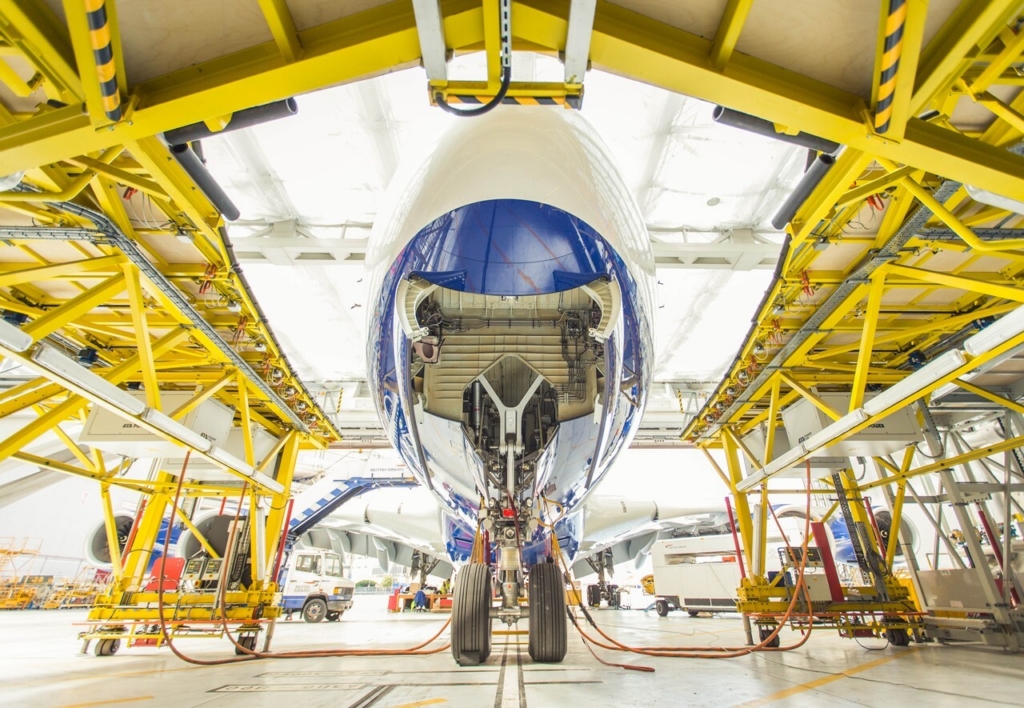
Over the years, the A380 has been subject to several inspection campaigns involving wing ribs, brackets and structural components as engineers monitored long-term fatigue behaviour across the fleet.
The latest directive is part of that continuing process. Importantly, EASA has not grounded the entire A380 fleet, nor has it suggested that the issue affects all aircraft.
Instead, regulators are seeking to determine whether the cracking identified on some examples is isolated or indicative of a broader ageing issue within part of the fleet.
Airbus A380 wing inspections have precedent
The latest directive is not the first time Airbus and regulators have been required to examine structural issues on the A380.
In 2012, EASA ordered inspections across the fleet after cracks were discovered in wing rib feet, structural brackets that connect the wing ribs to the wing skin. The issue initially affected a limited number of aircraft before inspections were expanded to all A380s in service at the time. Airbus subsequently developed repair and modification programmes to address the problem.
Wing-spar cracking then emerged as a separate concern later in the aircraft’s life. In 2019, Airbus and EASA began addressing cracks in parts of the A380 wing spar structure, initially focused on areas including the outer rear spar on early-production aircraft.
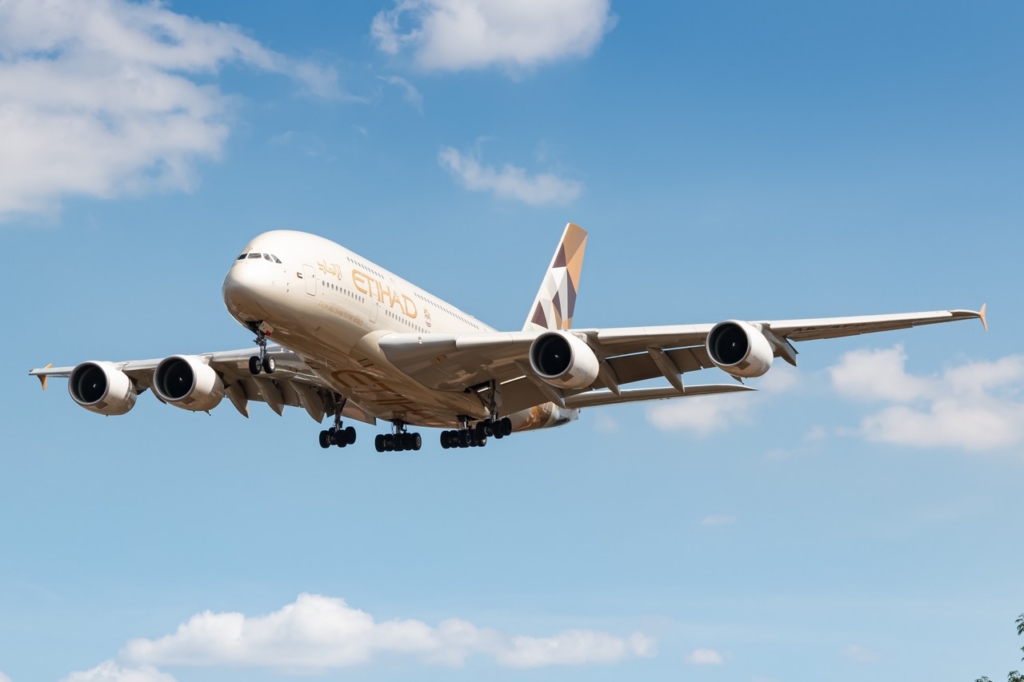
That issue became more prominent after the pandemic, when some older A380s returned from extended storage. Emirates reported accelerated wing-spar cracking on some aircraft, prompting Airbus to send engineering support to Dubai and to prepare inspection and repair work at Toulouse. The concern was linked not simply to age, but also to long periods on the ground.
EASA subsequently widened inspection criteria in 2023, requiring operators to account for “factored time on ground” when assessing aircraft exposure. The regulator’s later directives continued to reference Airbus documentation issued and revised between 2019 and 2023.
The current emergency directive differs from those earlier actions because it concerns the wing mid spars rather than the rib feet, outer rear spar or other outer wing spar areas examined previously.
However, it sits within the same broader pattern: as the A380 fleet ages, regulators and Airbus are continuing to refine inspection requirements as new fatigue, storage and environmental data becomes available.
Why the Airbus A380 still matters to airlines
The cracks identified by EASA have emerged on an aircraft that remains unlike anything else in commercial aviation.
Developed during the era of rapidly expanding global hub airports, the A380 programme was designed around the idea of moving large numbers of passengers between major international gateways.
The A380 remains the largest passenger aircraft ever built and the only full-length double-deck airliner in service.
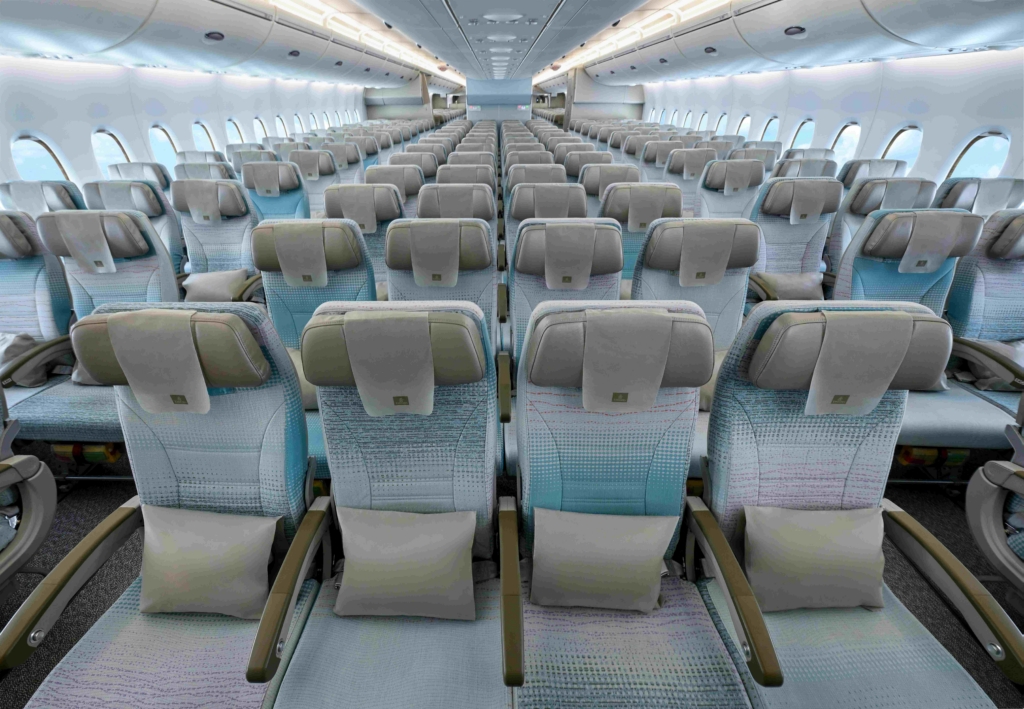
Depending on cabin layout, it can carry more than 500 passengers and, in an all-economy configuration, more than 850. Airbus delivered 251 aircraft before ending production in 2021.
Despite production ending, Airbus continues to support the fleet and has repeatedly stated that operators will receive technical and maintenance support for decades to come.
Today, the A380 remains in frontline service with a relatively small group of airlines, led by Emirates, which operates by far the largest fleet.
Other operators include Singapore Airlines, Qantas, British Airways, Lufthansa, Qatar Airways, Etihad Airways, Korean Air, Asiana Airlines, All Nippon Airways and Malaysia Airlines.
A380 revival faces another maintenance test
The directive arrives at a time when the A380 has enjoyed an unexpected revival.
Many aircraft were placed into storage during the COVID-19 pandemic, and there was widespread speculation that large numbers would never return to service.
Instead, strong demand for international travel has prompted airlines including Emirates, Qantas, British Airways, Singapore Airlines and Lufthansa to continue operating the type on major long-haul routes.
Whether the newly ordered inspections uncover a wider structural issue remains to be seen. For now, regulators, Airbus and operators are focused on gathering data from the affected aircraft.
The results of those inspections will determine whether the latest directive becomes a routine maintenance matter or the beginning of a more extensive structural review of the global A380 fleet.
Featured image: franz massard / stock.adobe.com
Sign up for our newsletter and get our latest content in your inbox.