Latest: Disruption wanes as airlines complete Airbus A320 family software updates

3 min read
Yesterday, panic ensued as Airbus announced that urgent software updates were required on some 6000 Airbus A320 family jets worldwide. This was due to an apparent solar radiation risk that would impact the performance of flight control software.
Indeed, disruption was expected. Aircraft manufacturer Airbus warned that some passengers would possibly see changes to their flight schedules over the weekend, while airlines also began preparing to cancel flights.
Was this a storm in a teacup? Partly. Some airlines took measures including the complete grounding of many of the A320s in order to complete the upgrades, while others ultimately said that there was little to no impact on their operations.
Many airlines completed the upgrades overnight
Wizz Air – which operates the world’s largest fleet of A321neos – this morning said that it’s software update had been “successfully implemented overnight on all of its affected Airbus A320 family aircraft.”
“All flights today are operating, with no further disruption now anticipated as a result of the issue,” it said in a statement.
Many airlines only felt a minor impact from an operational standpoint. Austrian Airlines said it completed its A320neo upgrades overnight, while Air Serbia said it was not affected. ITA Airways, though it did not issue a formal statement to this publication, did not seem to be impacted either based on its operations today.
Read more: What should passengers do if their flight has been affected by the Airbus A320 grounding?
In the United States, American Airlines was the most affected carrier. It said the issue was to impact a considerable 340 aircraft in its fleet, but concluded by saying that the vast majority of its updates would be completed overnight as well.
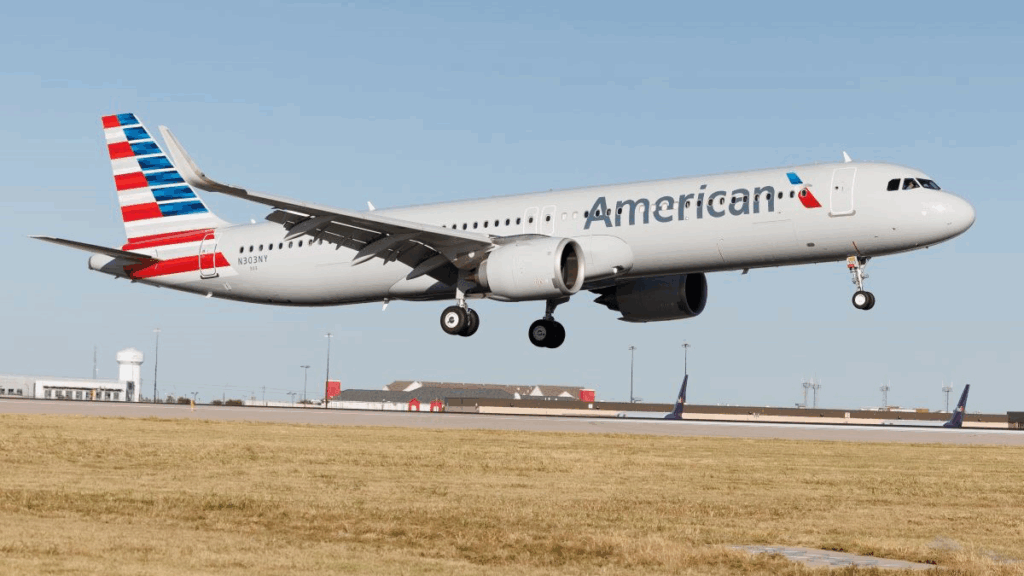
“Operational delays,” it added, were to be expected in any case.
Air France deployed widebodies on some of its European routes
The impact elsewhere in Europe was limited – though Air France seemingly felt quite the impact. Although it said that the majority of its updates were performed overnight and on Saturday morning, some flights were cancelled on Friday.
In total, 35 flights were cancelled it confirmed to French media. Since then, the airline’s operation has somewhat returned to normal. Minor delays plagued the airline’s short-haul network on Saturday, though.
Some of its European routes switched to widebodies as well to mitigate the impact of fewer available short-haul aircraft. A Boeing 777-300ER was deployed on a one-hour hop to Nice on Saturday afternoon for example.
It also flew a Boeing 787-9 to Barcelona and a Boeing 777 to Madrid, Casablanca and Toulouse.

Lufthansa and easyJet said that no flights would be cancelled.
Tokyo and Bogotá felt the impact
The impact of the groundings were felt a lot more in Japan and in Colombia. All Nippon Airways said that it needed to cancel (at least) 65 domestic flights due to the software issue which impacted 34 of its A320s.
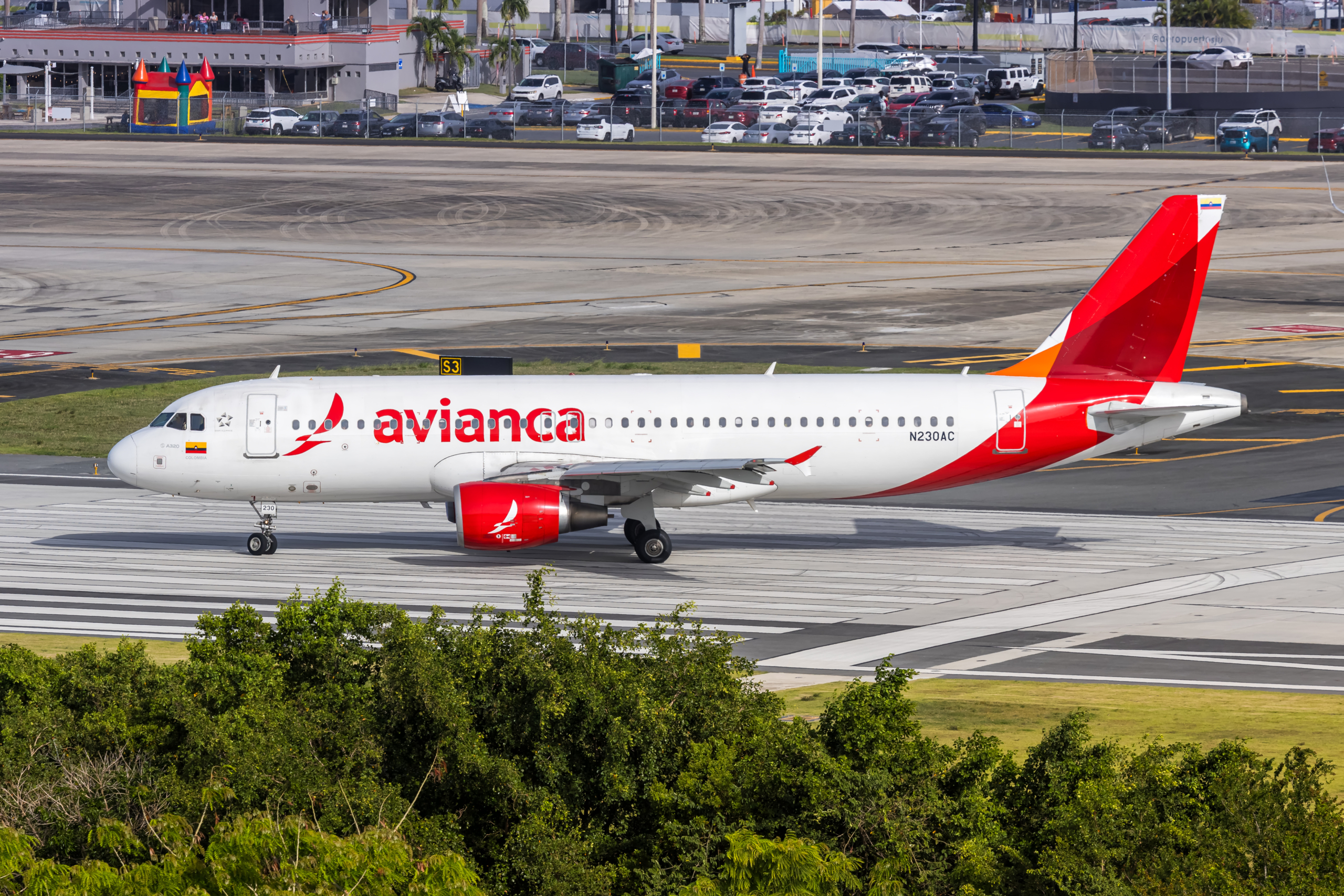
For its part, Avianca said that 70% of its overall fleet was impacted by the software issue. The impact was so severe that the airline closed ticket sales through 8 December.
In a statement it said: “While we’ve already started implementing the required updates, we know this will inevitably cause significant changes to our operations over the next 10 days. To minimize the impact, we have temporarily closed ticket sales for flights through December 8 (inclusive).”
Featured image: Markus Mainka | stock.adobe.com
Sign up for our newsletter and get our latest content in your inbox.


More from


October 17, 20264 min read