‘Enormous opportunities’: Brazil’s Azul Airlines ‘never better’ after exiting bankruptcy proceedings

4 min read
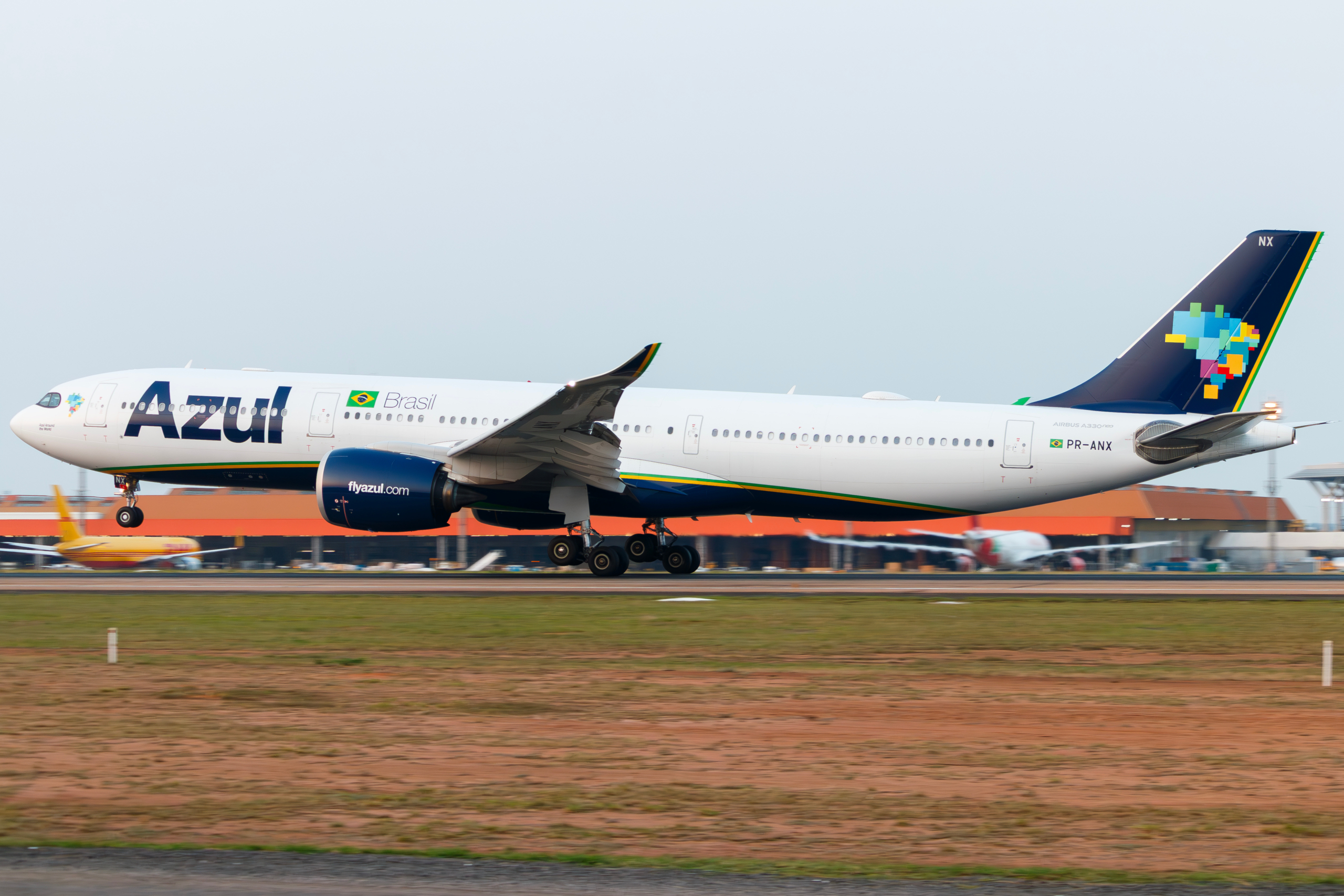
Brazil’s Azul sees “enormous opportunities” for growth after it exited bankruptcy proceedings last month, CEO John Rodgerson said.
Speaking at Routes Americas 2026 in his home market of Rio de Janeiro, Rodgerson noted that the country has “enormous challenges, but enormous opportunities, and we see a lot of room to continue to grow and to develop many markets in Brazil.”
Azul sees brighter future after Chapter 11 proceedings
Azul, which competes with LATAM and Gol within the Brazilian market, used the Chapter 11 process in the US to cut its debt and improve the terms on thousands of agreements, including with aircraft manufacturers.
The low-cost carrier has renegotiated contracts to convert firm orders to optional ones, adding much-needed flexibility for the airline in a sector that is vulnerable to external shocks.
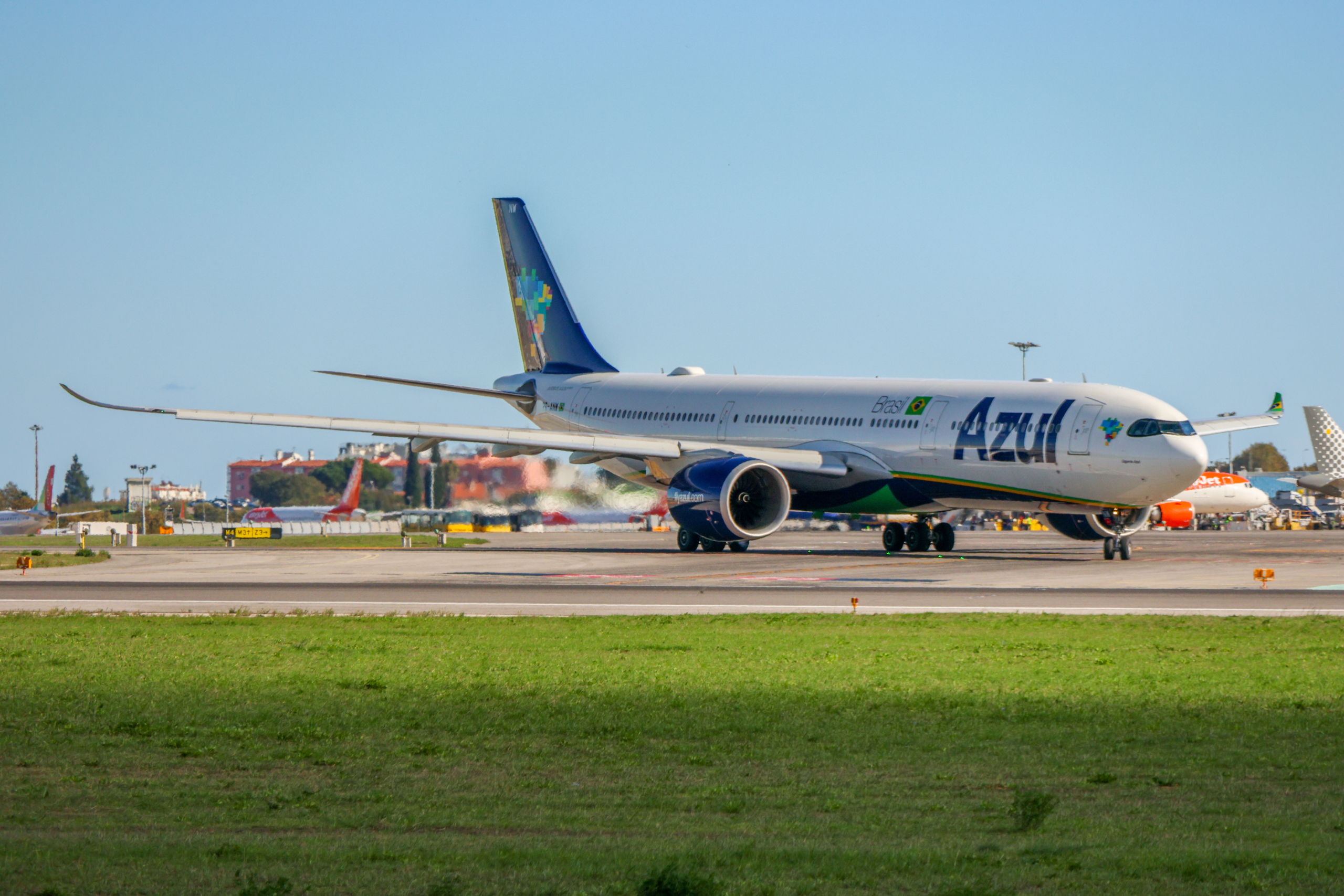
“Our business plan was all about de‑risk, de‑risk, de‑risk,” Rodgerson explained. “The Chapter 11 process optimised our cost structure… We are a significantly more efficient airline today than we were just eight and a half months ago.
“We have the best balance sheet. We have the best cash position. We’ve never been in a better position historically.”
Opportunities and challenges for Azul in Brazil’s low cost market
Things are certainly looking up for Azul, which has the largest network within Brazil by a wide margin, even if it does not yet carry the most passengers of the country’s big three.
“Last year, we carried 31 or 32 million passengers,” the CEO said. “When I arrived in Brazil, the entire market was 50 million passengers. The entire pie is bigger.”
But challenges are holding the carrier back.
As Azul sees it, the Brazilian aviation market has three factors acting as a drag on growth.
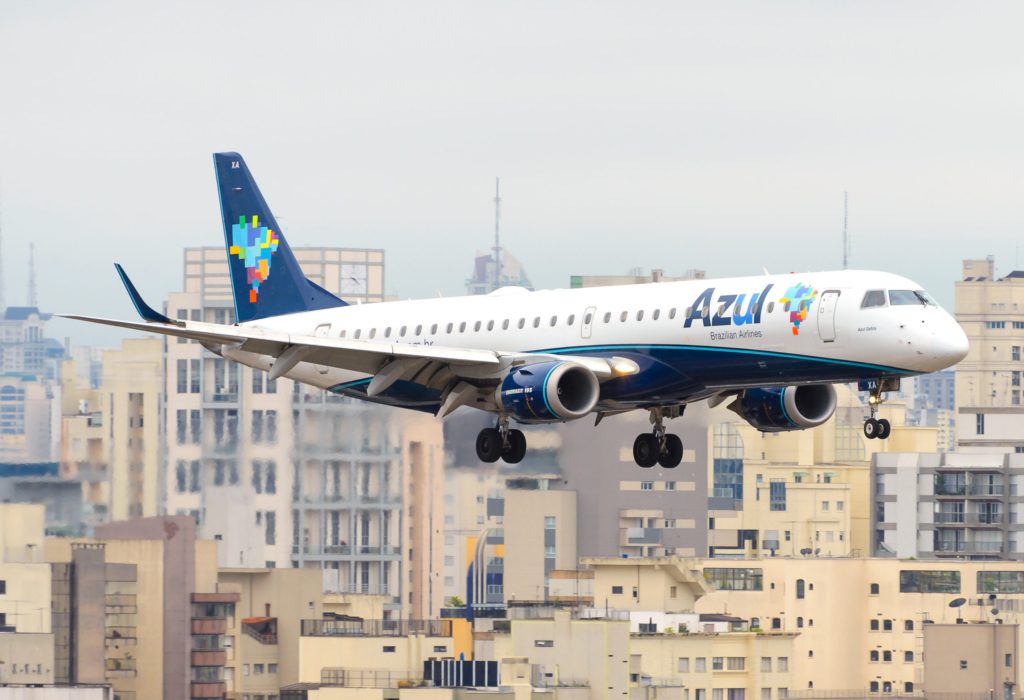
First, the country has some of the highest fuel costs in the world. Second, it is a highly litigious operating environment with high associated costs, which have been passed onto the airline industry. Third, there is a lack of long‑term capital.
“We have 3% of the world’s aviation and 98% of the world’s lawsuits,” he said. “Attack that cost, and all of a sudden, there are more travellers in Brazil instantly.”
He added: “Fuel to fill up an aeroplane in Sao Paulo is 25% more expensive than it is in Miami. That doesn’t make any sense when you think about flying regionally. At times, it can be two to three times more expensive than Miami, depending on where the logistics are in Brazil to fill up an aeroplane.”
On funding, he said: “There’s a lack of long-term capital. The United States gave $50 billion to its airlines, and it also gave about $50 billion in loans to the airlines. Brazil? Zero, nothing given and nothing loaned to the airlines.”
Azul’s network strategy is Brazil-focused
In terms of network strategy, Azul is and will remain Brazil-focused. While the airline does serve some international and even intercontinental routes, including to Europe, the core strategy relies on connecting all four corners of Brazil.
“We are doing some intra‑regional stuff, and we’ll continue to look at opportunities… but we are very Brazil focused,” Rodgerson said.
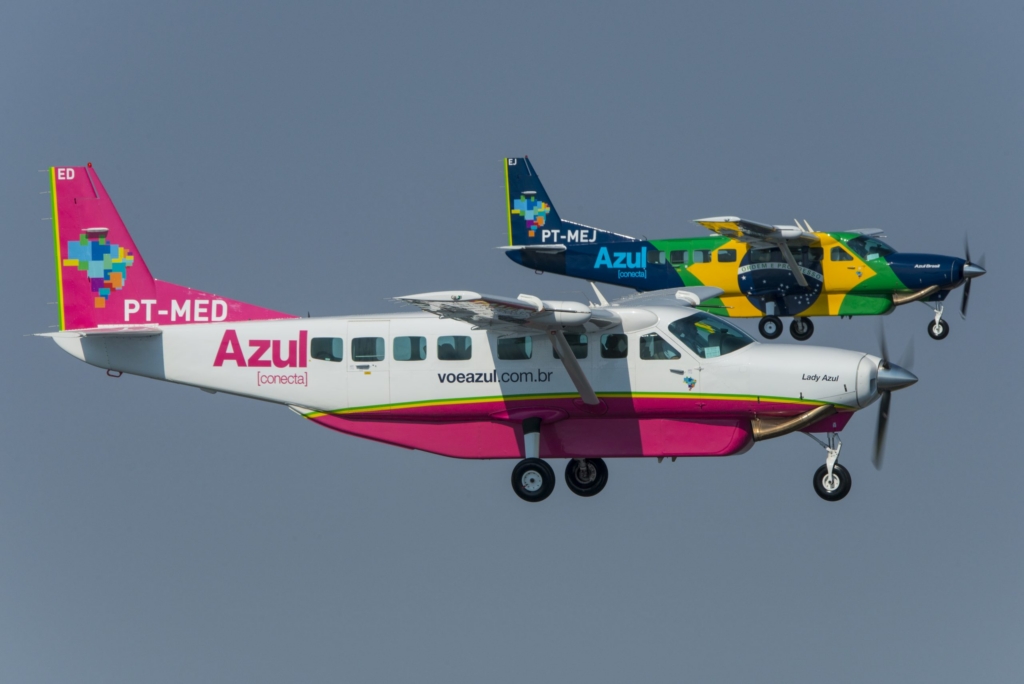
“He added: “”Our international network is strategic… but we don’t just do it from Campinas [Viracopos International Airport (VCP) in Campinas outside São Paulo is Azul’s primary hub],” he explained. “We do it from Recife, we do it from Belém… where the customer doesn’t have another option. We’re capitalists. We want to make money… It needs to work.”
Securing a sustainable future for Azul
Brazil’s aviation sector is in the ascendancy, but in an unstable world, there are no guarantees of continued growth.
With the restructuring process complete, Azul is in a promising position to withstand any financial uncertainty.
But Rodgerson is not standing still.
“We’ve got to get our mojo back,” he said. “I’m very, very comfortable with the cards that we have. One thing that we’ve learned is that in Brazil, you can wake up tomorrow, and we’re in an election year, the currency can change, GDP movements. How does the conflict in Iran impact Brazil? Well, we already have the highest fuel prices in the world, and put this geopolitical risk on top of it, that’s a shock.”
Rodgerson said that rationalising the growth plan was key to weathering any future storm.
“If I were trying to grow 15% a year, that would be a scary endeavour right now, and so I think we’re very comfortable where we are,” he concluded.
“It gives us more options. We don’t need everything to go right for our business plan to work.”
Featured image: Matheus Obst | stock.adobe.com
Sign up for our newsletter and get our latest content in your inbox.


More from

October 17, 20264 min read