Fading glory: How to still fly on a passenger-carrying Boeing 757 in 2025

8 min read
German leisure airline Condor recently announced that its remaining fleet of Boeing 757s will be phased out by the end of 2025, with a ceremonial farewell flight being planned for fans of the trusty twinjet.
The move marks another passenger airline bringing Boeing 757 operations to a close, some after decades of operations with the type.
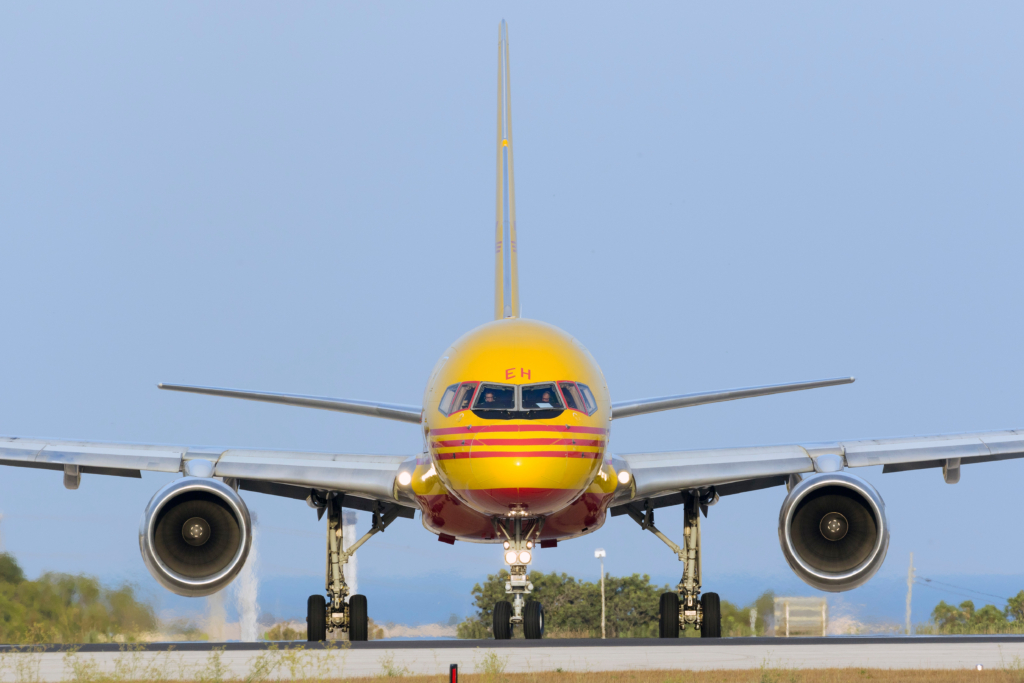
As the number of operational passenger-carrying 757s continues to dwindle (a type fondly referred to as ‘the Flying Pencil’), the type has found favour within the air cargo arena. Boeing 757 freighters still ply the world’s air corridors in sizeable numbers, especially within the express parcels market.
However, outside of the US, it is becoming increasingly hard to find oneself flying on a passenger-carrying Boeing 757. With just 196 passenger-carrying examples still flying today and the worldwide fleet ageing, the type will not be around forever.
Aerospace Global News takes a look at the remaining 757 passenger airlines globally and why these carriers are holding on to their remaining airframes, some of which have now passed the 30-year milestone of their flying careers.
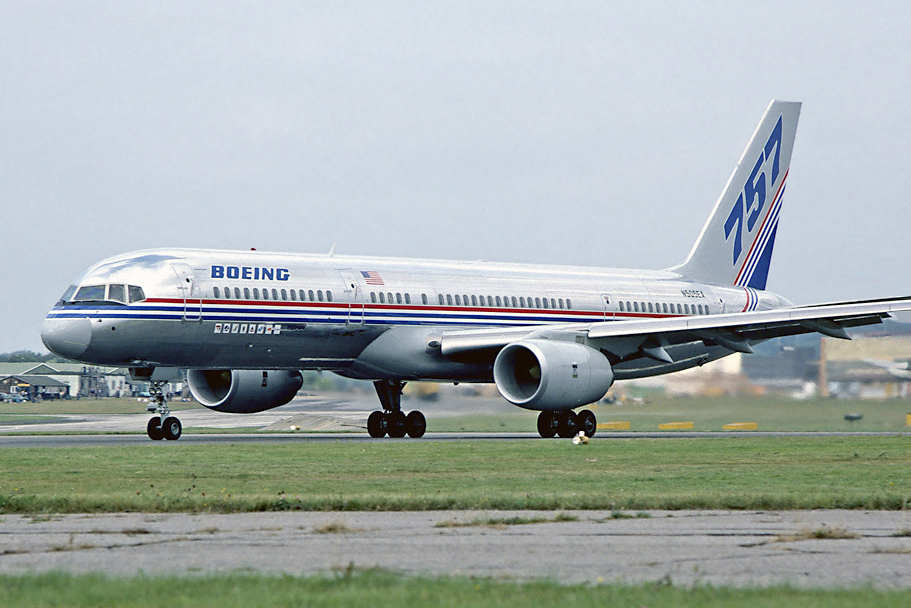
The Boeing 757 – a brief history
2023 marked four decades since the Boeing 757 entered service, with the type making its entry into service with US carrier Eastern Air Lines in January 1983.
The US planemaker ultimately went on to produce more than 1,000 examples of the type, with a range of variants produced along the way.
Being the standard production model, the 757-200 accounted for the vast majority of 757s that Boeing produced, with more than 900 rolling off the production line.
Operationally, the 757 was something of a pioneer, opening up twinjet ETOPS (extended twin-engine operations) on long-haul flights for the first time, along with its larger sister, the Boeing 767, which was launched around the same time.
While the 757-200 fuselage length offered airlines plenty of room to provide two (or even three) classes of service, it also allowed charter airlines to fit around 235 passengers in a single-class layout. This increased to a maximum of 289 passengers with the introduction of the longer 757-300 variant in 1999.
The 757’s new technology, fuel-efficient engines, a modern electronic flight deck, and significant commonality with the 767 also made the 757 popular with airline accountants and pilots alike.
The versatility of the 757 was its key to success. Airline companies were happy flying 757s on a multitude of missions – whether these were transcontinental flights across the United States, ploughing trunk routes between European capital cities, or flying hordes of holidaymakers from their northern European homelands to Mediterranean hotspots each summer. The adaptable 757 suited them all.
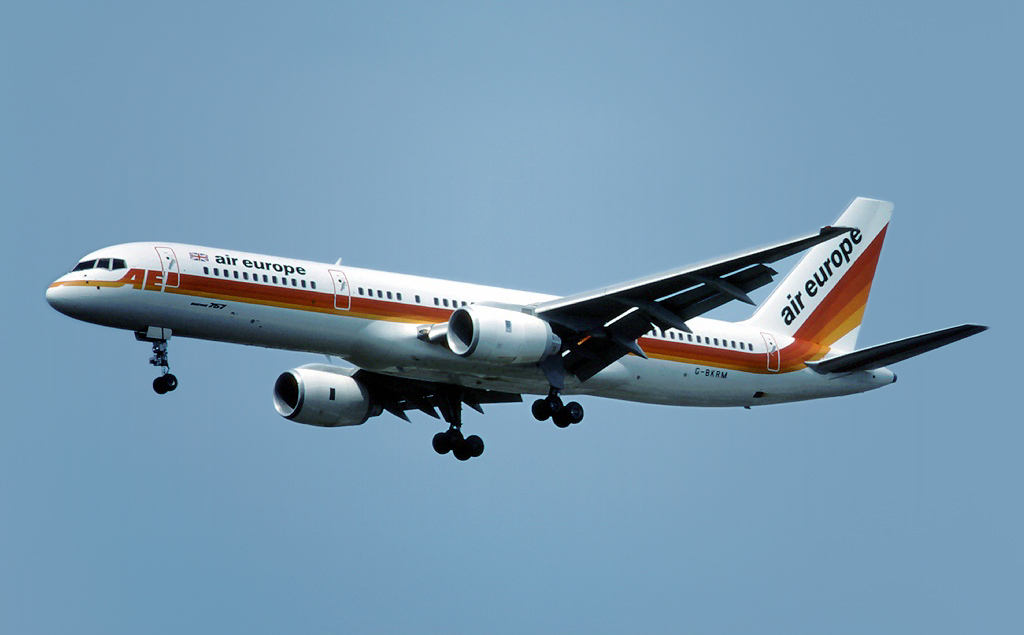
However, with the growth of the smaller 737 family, along with the airline industry’s new star, the Airbus A321neo, and the passage of time, the 757 has fallen out of favour as more airlines have ordered newer and more efficient planes to replace their 757 fleets.
While the type might be enjoying something of a renaissance in the express parcels and air cargo arenas, the dedicated passenger-carrying versions are becoming few and far between.
According to data obtained from ch-aviation, where there were 843 757s in active airline service in 2001, this number had dropped to 493 by 2015.
Today, just 154 series 200s and 42 series 300s remain in regular passenger service with eight airlines across the world, although it should be noted that not all of these are actively serviceable at any given time.
Which airlines still operate 757s on passenger flights?
Delta Air Lines (US)
By far the largest operator of the Boeing 757 today, having operated 189 757-200s in its history, Delta still flies 95 examples of the 757 on internal routes within the US and on selected routes to the Caribbean and South American destinations.

The airline currently operates 80 757-200s, seating 199 passengers in a three-class layout, plus an additional 15 757-300s, seating 234 passengers in a three-class configuration.
United Airlines (US)
United Airlines is ranked as the second largest operator of remaining passenger 757s in the US and worldwide. The carrier continues to deploy its 38 757-200s and 18 757-300s on routes across its network.
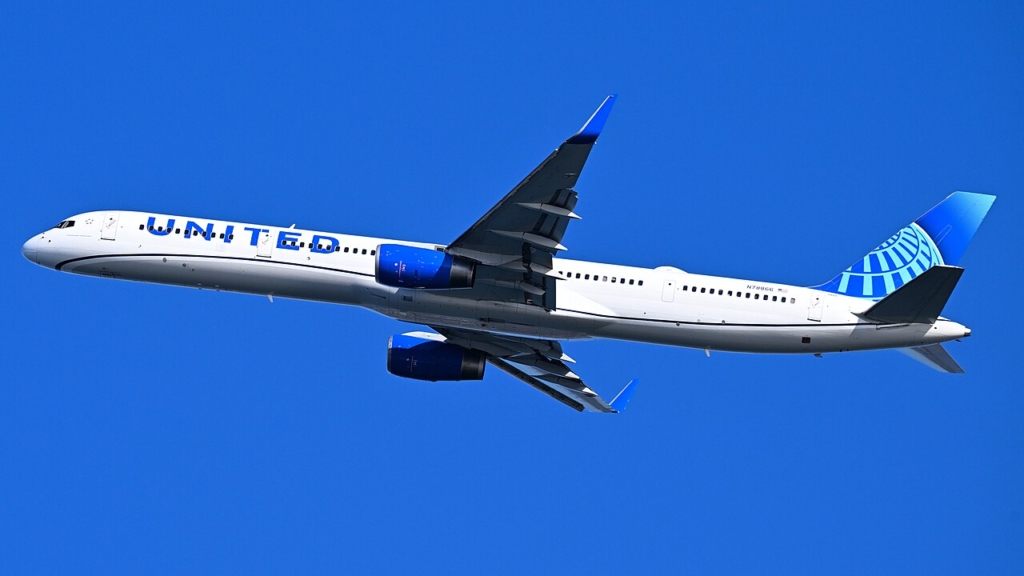
Notably, the airline continues to operate long-haul ETOPS-certified 757s on lighter flights from its US hubs to various European cities during the northern summer season.
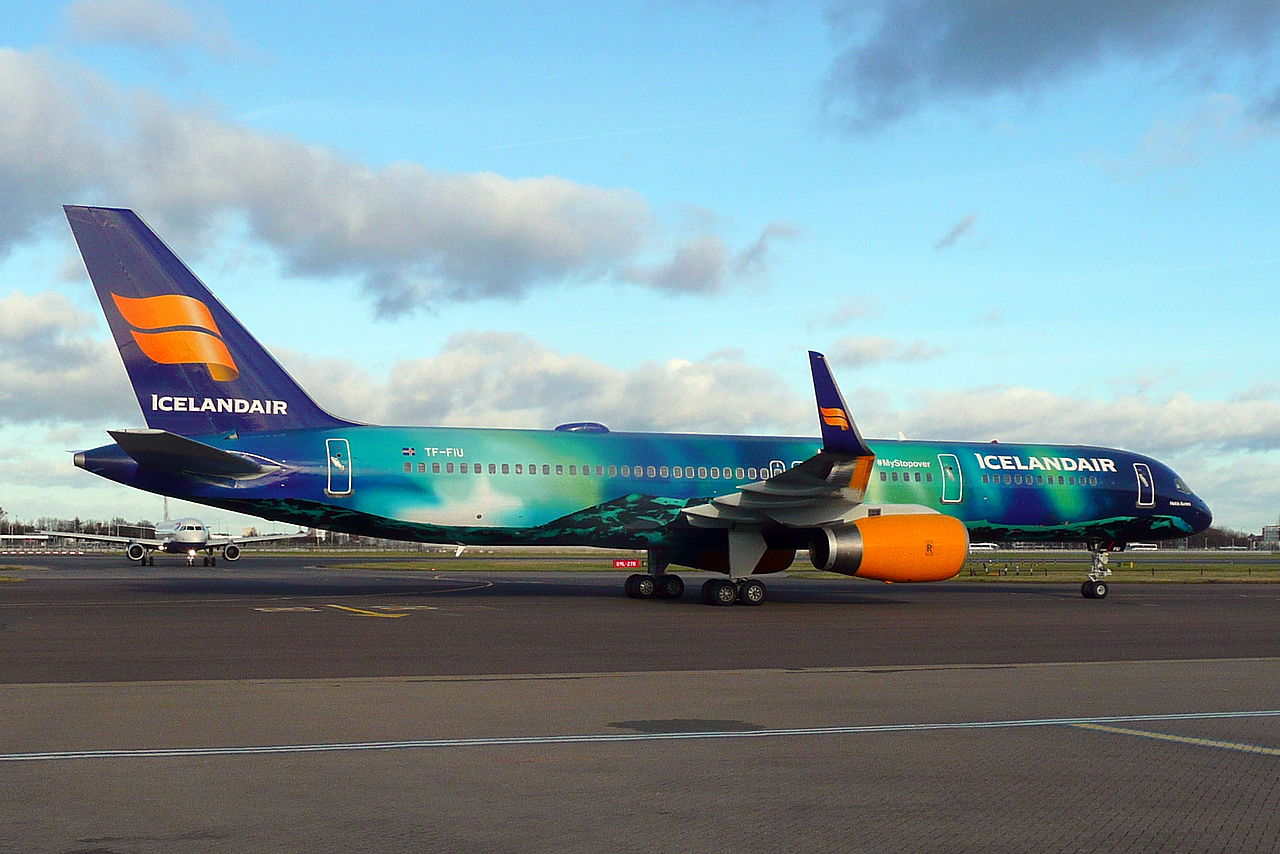
Icelandair (Iceland)
Crossing the Atlantic brings us to Iceland, where the national carrier Icelandair has been a loyal supporter of the 757 over the past three decades.

The airline has operated 44 757s in total in its history, but is now down to just 10 757-200s flying passenger services, with its last two 757-300s on lease to Uzbek carrier fly Khiva.
Just last month, the Boeing 757 with the iconic Vatnajökull glacier special livery was retired, with the carrier gradually winding down the rest of the fleet in anticipation of the arrival of the A321XLR.
Condor (Germany)
Having operated 18 757-200s in its history, these are now all gone from the fleet. The airline continues to fly six of the larger 757-300, each seating 275 passengers in an all-economy layout.
The airline had a further six of the type, although these have since found other operators, such as Azur Air of Russia and Skyline Express Airlines of Ukraine (see below).
For around 30 years, the pencil-like shape of the Boeing 757 has formed the backbone of Condor’s short and medium-haul fleet. However, on 15 September, the carrier announced that it was bringing down the curtain on Boeing 757 operations as newer and more efficient Airbus narrowbodies take their place.
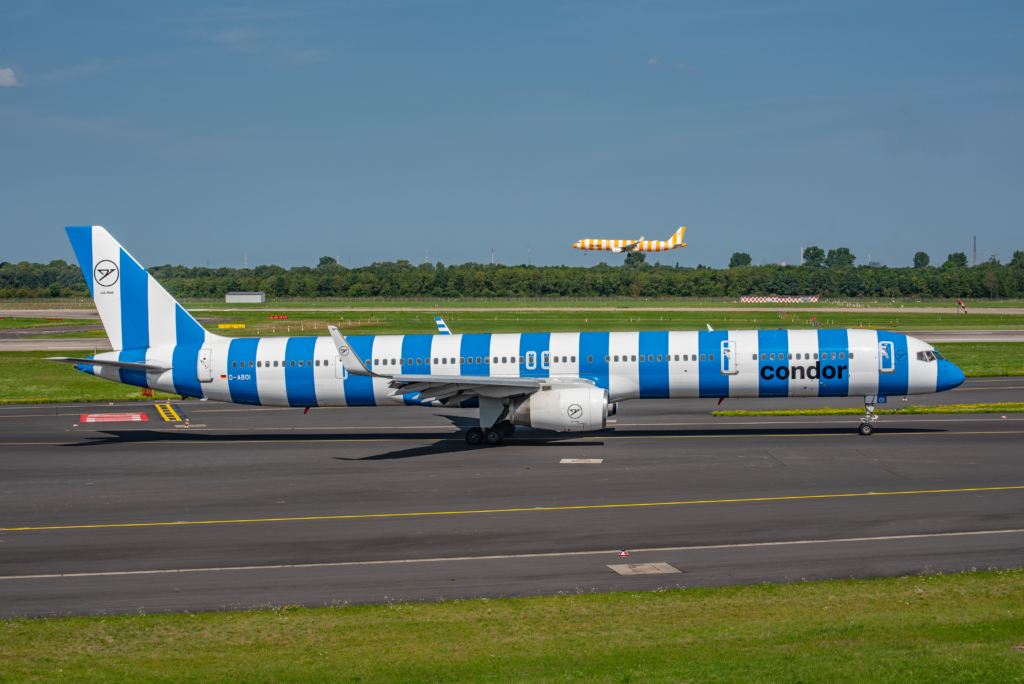
To mark the occasion of the retirement of its last 757s, Condor announced that the last two commercial passenger flights using 757-300s will operate at the end of October and the start of November.
One aircraft will operate a Düsseldorf (DUS) to Palma De Mallorca (PMI) rotation on 29 October 29, while the very last flight will be a Frankfurt (FRA) to Hurghada (HRG) return trip on November 2, 2025.
However, the airline also announced that it would operate an exclusive farewell flight on 5 November, for long-standing staff members as well as fans of the Boeing 757. A total of 75 tickets were auctioned for the flight via the Condor online shop in September.
The special farewell flight is planned to depart Frankfurt for Vienna, where the Boeing 757 will be celebrated with a dedicated farewell event.
To conclude the day, a Condor statement said that “the world’s highest party” will take place on the return flight to Frankfurt, where the type will finally end Condor 757 service.
New Pacific Airlines (US)
The Anchorage-based carrier (originally known as Northern Pacific Airlines) offered a glimmer of hope for global 757 operations when it began scheduled flights in 2023.
Initially planning to acquire several of the type, the airline eventually stopped its growth at three aircraft when it ran into financial difficulties and was forced to change its business plan.
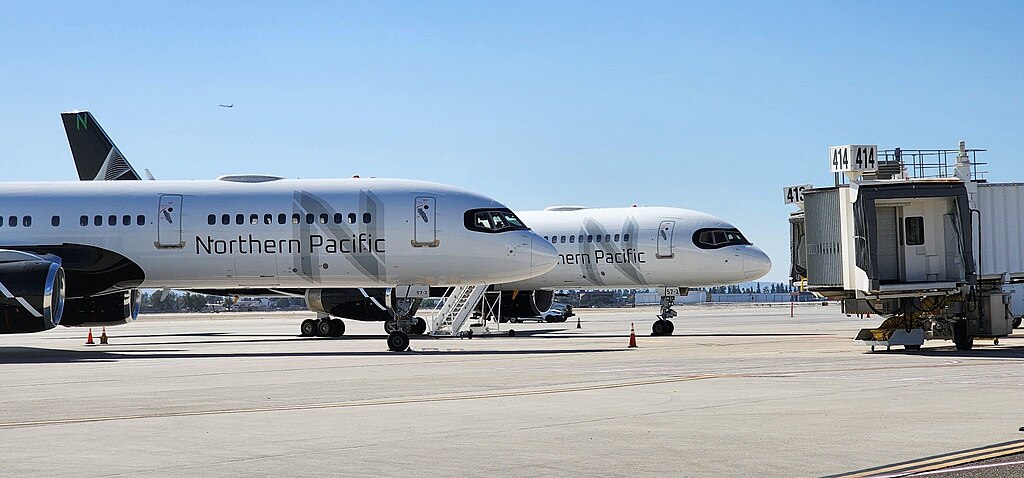
However, all was not lost for the three 757s as the airline continues operations today with its three 757-200s using them for charter flights around the US.
The trio of planes, with their average age of 30.4 years, operate in an all-business class 78-seat configuration, and often fly US sports teams to fixtures in other parts of the country.
Azur Air (Russia)
The Moscow-based charter carrier continues to operate nine 757-200s in its fleet on charter flights from various Russian airports.

Although the destinations that the airline can fly to are limited under the sanctions imposed resulting from Russia’s invasion of Ukraine, the airline appears to still have at least six actively flying, with three either in maintenance or in storage.
SCAT Airlines (Kazakhstan)
Based in Shymkent, Kazakhstan, SCAT Airlines has three examples of the 757-200 on its books, all operating for subsidiary carrier Sunday Airlines.

However, one of these is currently showing as in storage, so it may be that this rare airline is now winding down its 757 operations.
Skyline Express Airlines (Ukraine)
Formerly known as Azur Air Ukraine (see Azur Air above), this now-independent offshoot of its Russian-owned parent has four ex-Condor 757-300s still in its fleet, although only one is listed as active.
Still brandishing the basic colour scheme of its previous owner, Condor, the airline continues to operate its sole 757 (UR-SLB) on charter flights within Europe and under wet lease agreements for other operators.
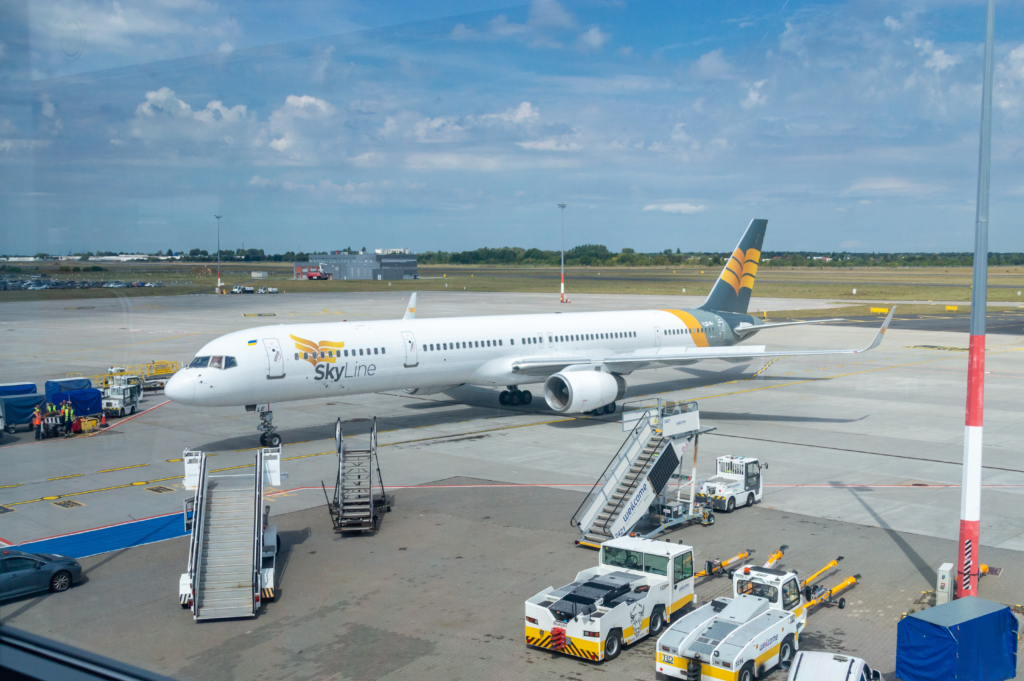
At the time of writing, UR-SLB is operating a passenger flight between Budapest in Hungary and Antalya, Turkey on behalf of Mavi Gök Airlines, a Turkish leisure airline.
Time is running out for the Boeing 757
Although the 757 has found a niche for itself with cargo airlines such as UPS. DHL Express and FedEx Express (all in sizeable numbers), the number of passenger-carrying 757s is dwindling fast.
Although it may seem that there will be 757s in the US for some time to come, those remaining are already being retired to the desert at an increasing rate as new types such as the Airbus A321neos are delivered.
Airlines always strive to offer their passengers the latest technology on the newest aircraft, and sadly, the aging 757, once the poster boy for flexible narrowbody commercial operations, no longer fits the bill.

Eventually, the type will operate its last ever passenger flight, well over four decades after it arrived on the airline scene to much fanfare.
While some airlines have lobbied Boeing to produce a new high-technology, lower-weight version of the 757, it seems that those calls have gone unanswered, save for the emergence of the yet-to-be-certified Boeing 737 MAX 10.
So, with fewer than 200 757s now in passenger service, you may want to start thinking about booking yourself onto a Boeing 757 passenger flight soon if you have never been on one or want to experience the type before they are finally retired. Good luck!