


Tracking Qantas’ first A380: Six trans-Pacific flights in seven days

6 min read
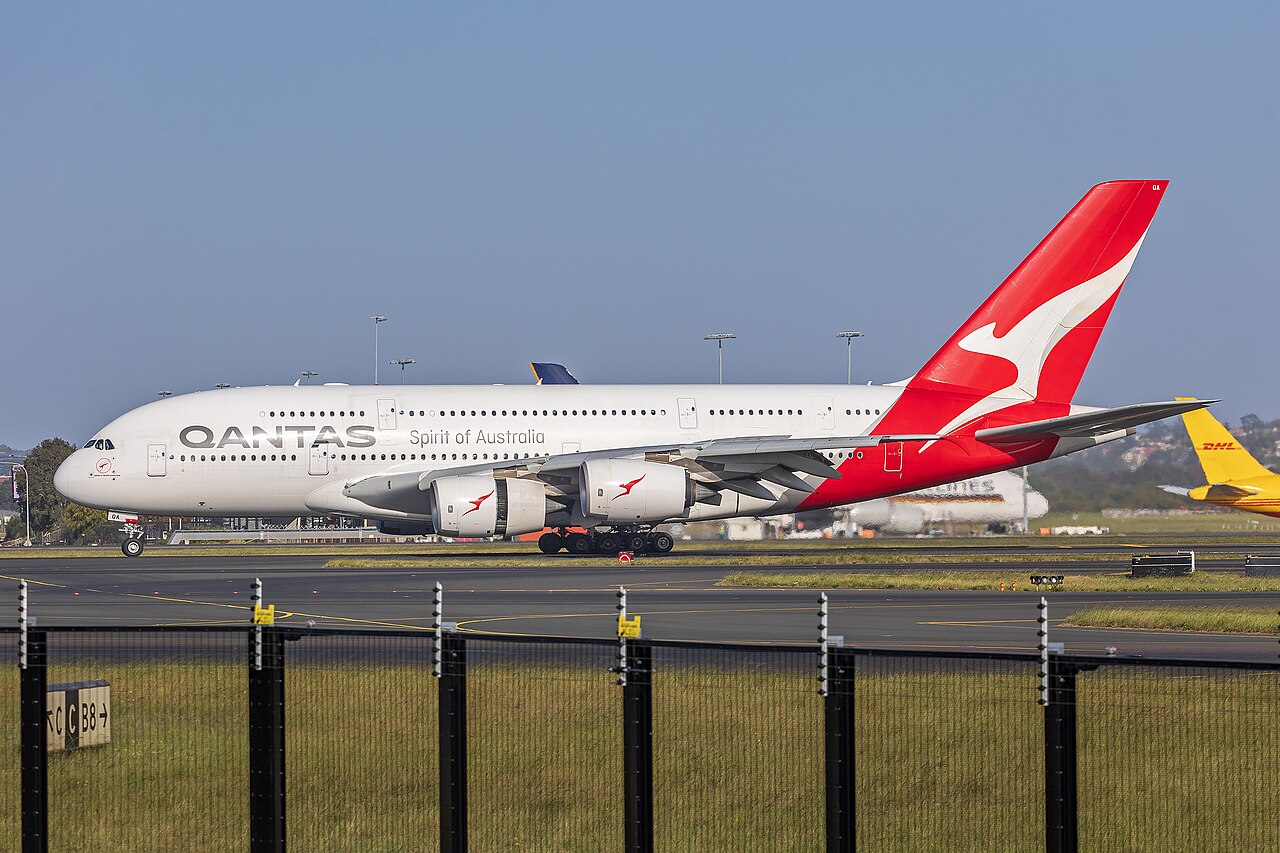

Qantas’ first Airbus A380 is now 18 years old, survived one of the most serious engine failures in modern aviation history and is flying in a fleet that will begin retiring from 2028. But just how hard is the airline still working its most famous superjumbo?
To find out, Aerospace Global News tracked VH-OQA “Nancy-Bird Walton” for seven days using Flightradar24 data, following every flight, turnaround and route change between 17- 23 November 2026.
The result was a week that saw the aircraft complete six trans-Pacific flights between Sydney, Dallas/Fort Worth and Los Angeles, spending almost 90 hours in the air.
Along the way, we recorded its flight times, ground stops and schedule performance to build a snapshot of life for one of the world’s best-known Airbus A380s.
A week in the life of Qantas’ first A380
At 07:01 on Saturday, 21 November, a Qantas Airbus A380 touched down in Sydney after more than 16 hours in the air from Dallas/Fort Worth. At 12:05, the same aircraft took off for Los Angeles. The five-hour-and-four-minute gap was the shortest we observed in a week of following VH-OQA, the very first A380 Qantas took delivery of in 2008.
Between 17 and 23 November 2026, we used Flightradar24 to log six completed flights by the 18-year-old superjumbo, named Nancy-Bird Walton after the Australian aviator. Two Dallas round trips and one to Los Angeles added up to 89 hours and 23 minutes in the air, or just under 15 hours per flight.
A week tracking Qantas’ VH-OQA Airbus A380
The tracking table below uses UTC throughout, so flights crossing the International Date Line can be compared on one clock.
Swipe or scroll to see all columns.
| Flight | Route | Take-off (UTC) | Landing (UTC) | Airborne | Ground after landing | Take-off vs schedule | Landing vs schedule |
|---|---|---|---|---|---|---|---|
| QF7 | SYD–DFW | 14h 37m | DFW 9h 18m | +21 min | −26 min | ||
| QF8 | DFW–SYD | 16h 41m | SYD 7h 52m | +37 min | +8 min | ||
| QF7 | SYD–DFW | 14h 26m | DFW 9h 16m | +50 min | −8 min | ||
| QF8 | DFW–SYD | 16h 22m | SYD 5h 04m | +53 min | +6 min | ||
| QF11 | SYD–LAX | 12h 50m | LAX 14h 58m | +50 min | −4 min | ||
| QF12 | LAX–SYD | 14h 27m | SYD 34h 37m (to 24 Nov) | +29 min | −4 min |
The six documented flights totalled 89h 23m airborne. Ground intervals run from landing to the next recorded take-off. Schedule differences compare runway events with published gate times (+ later, − earlier). Flight durations use Flightradar24’s published figures and can differ by a minute from the rounded times shown. QF12 landed on 23 November Sydney time. The next recorded departure, QF1 to Singapore on 24 November, fell outside the tracking window. Source: Flightradar24 aircraft history and AGN’s daily tracking log.
Two trips to Dallas before a switch to Los Angeles
VH-OQA had recently been flying between Sydney and Los Angeles. When we began tracking it on 17 November, the aircraft was heading to Dallas/Fort Worth on QF7. Qantas had restored daily A380 service to Dallas at the start of 2026 after bringing its tenth superjumbo back into service.
The aircraft landed in Dallas after 14 hours and 37 minutes and left for Sydney on QF8 just over nine hours later. The return took 16 hours and 41 minutes, the longest flight in our log.
While that first QF8 was still underway, the tracker showed VH-OQA against a possible Sydney–Johannesburg service. However, the next recorded departure was another QF7 to Dallas. That provisional listing reminded us that a registration attached to a future flight can change. To count a flight, we waited for the tracker to show that VH-OQA had actually operated it.
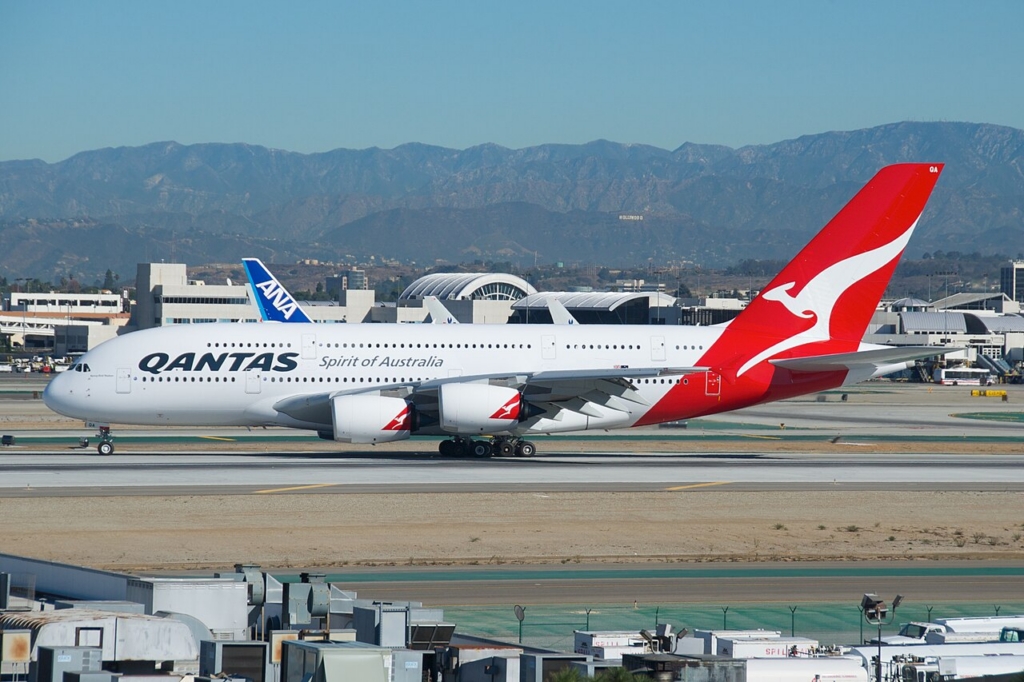
Both Dallas–Sydney legs took about two hours longer than their corresponding outbound flights. The four Dallas legs accounted for 62 hours and six minutes in the air.
For VH-OQA, Dallas gave way to Los Angeles on 21 November. The outbound QF11 was the shortest flight in our log, at 12 hours and 50 minutes. The return landed at 06:21 in Sydney on 23 November, still 22 November in UTC.
The aircraft then took a day off on the 23rd. Flightradar24 showed no flight before VH-OQA took off for Singapore at 16:58 Sydney time on 24 November, 34 hours and 37 minutes after its Sydney landing.
The ground intervals varied more than the Dallas flights
The two Dallas ground intervals were almost identical, at nine hours and 18 minutes and nine hours and 16 minutes. Los Angeles was the longest stop between flights within the tracking window at 14 hours and 58 minutes, almost ten hours longer than the shortest Sydney stop.
The five-hour gap includes the time spent getting from the runway to the stand and taxiing out again. The time at the stand would have been shorter. A public flight log shows how soon the aircraft was airborne again. What took place during that interval is unknown, as Flightradar24 doesn’t track servicing or maintenance time.
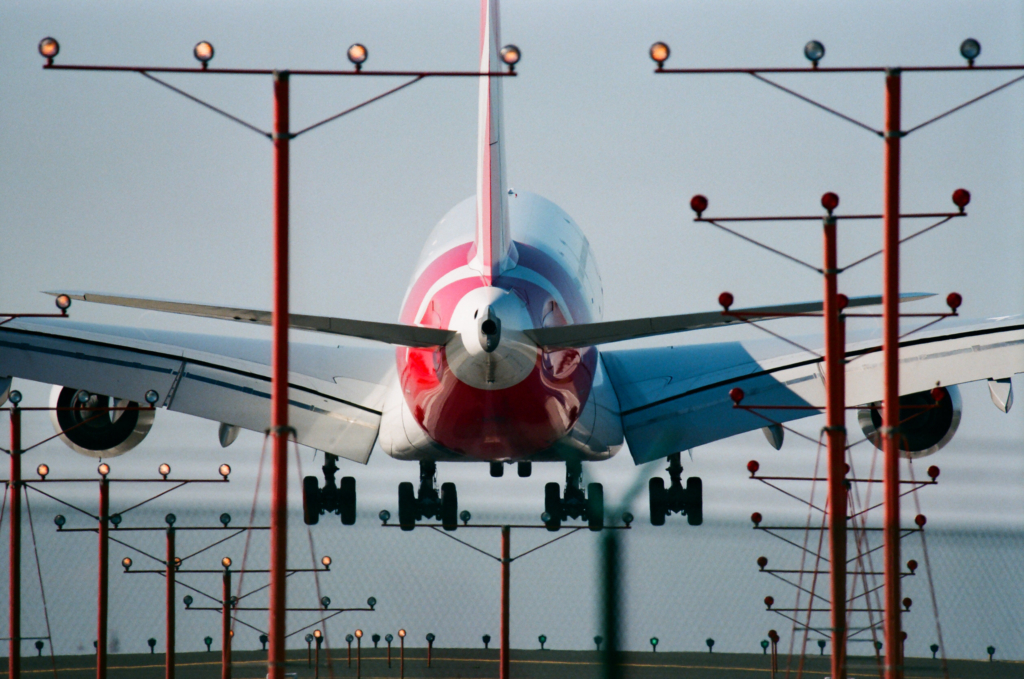
On 19 November, QF7 took off 50 minutes after the scheduled departure time and touched down eight minutes before the scheduled arrival time. QF11 showed a similar pattern. These figures compare take-off and touchdown with published gate times.
The aircraft that came back from QF32
VH-OQA’s most consequential flight was far shorter than any of these crossings. On 4 November 2010, while climbing out of Singapore for Sydney as QF32, its No. 2 Rolls-Royce Trent 900 suffered an uncontained rotor failure over Indonesia’s Batam Island. Engine debris caused extensive structural and systems damage. The crew worked through the failures and returned safely to Changi Airport.
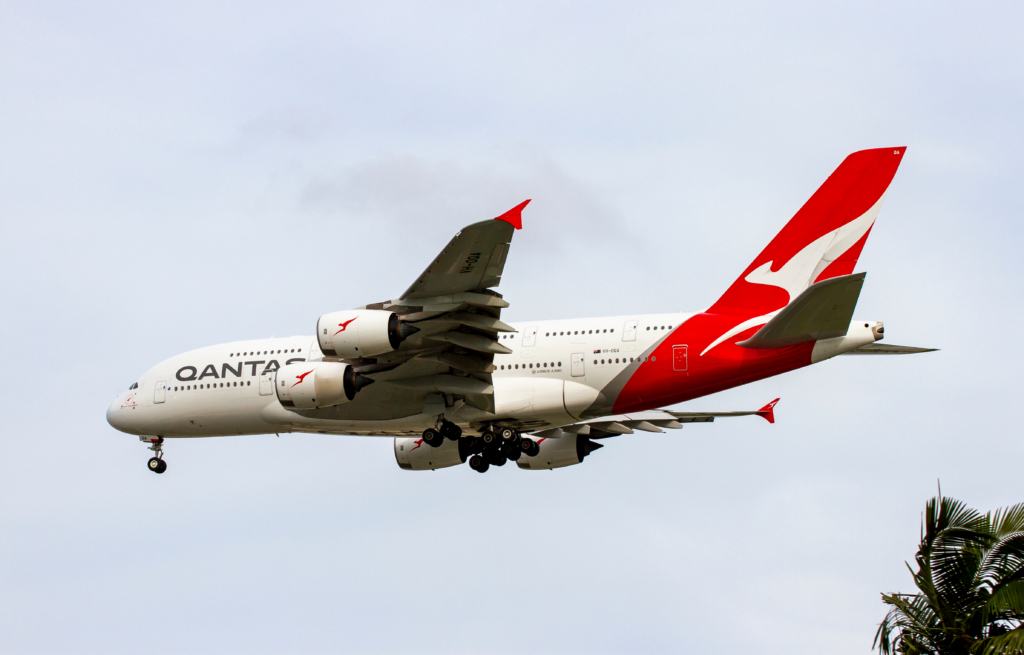
The Australian Transport Safety Bureau traced the failure to an oil feed pipe manufactured with a wall section that was too thin. A fatigue crack allowed oil to escape and catch fire inside the engine. The resulting turbine disc failure sent debris through the engine casing. Rolls-Royce and regulators took action to identify and address affected parts, and Rolls-Royce introduced an engine software change to guard against a similar overspeed. The aircraft returned to service after repairs.
Its November flights offer a snapshot of the work it still does as Qantas prepares to phase out its A380 fleet from 2028. Qantas has tied that gradual retirement to the arrival of new Airbus A350s and Boeing 787s. Its fleet announcement gives a start year for the phase-out. VH-OQA’s individual retirement date remains unconfirmed.
The aviator behind the A380’s name
Born Nancy Bird in Kew, New South Wales, Nancy-Bird Walton was Australia’s first female commercial pilot. She learnt to fly with Charles Kingsford Smith, the Australian aviator after whom Sydney’s first airport is named. She earned her commercial pilot’s licence at 19. Nancy-Bird flew for the Far West Children’s Health Scheme, helping bring medical care to remote communities in New South Wales. In 1950, she founded the Australian Women Pilots’ Association.
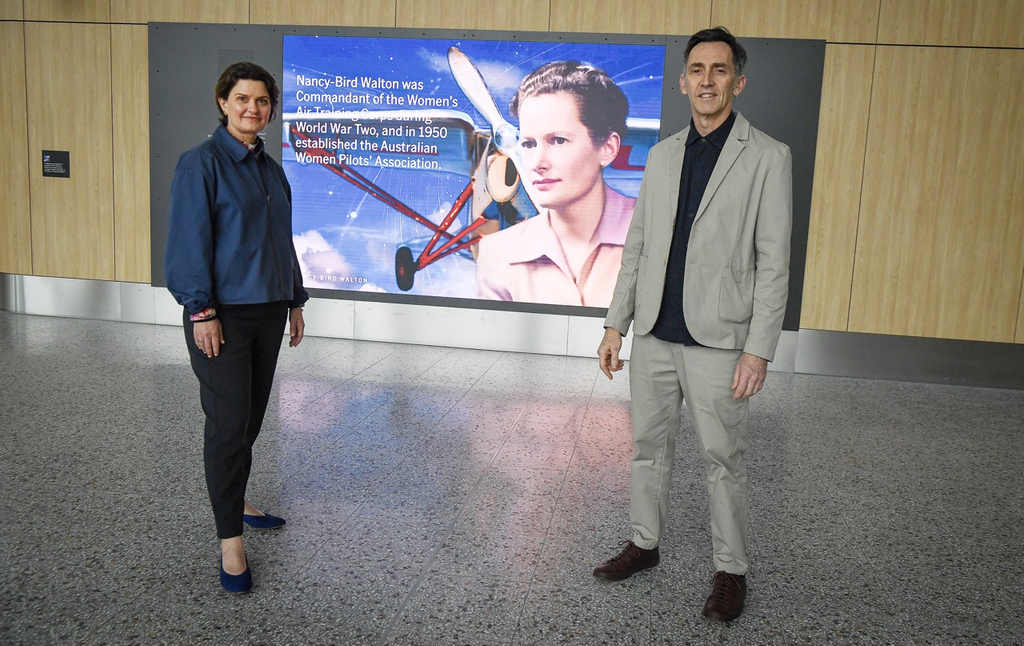
Her name also appears on Sydney’s second major airport. Western Sydney International (Nancy-Bird Walton) Airport at Badgerys Creek welcomed its first international passenger flight from Auckland on 26 October 2026, as AGN reported at the opening.
On 24 November, one day after our tracking window closed, VH-OQA flew from Sydney to Singapore as Qantas flight QF1. It took off at 05:58 UTC and landed at Changi at 13:46 UTC. Sixteen years after the crew of QF32 brought it safely back to Changi, the same A380 was still flying there in scheduled service.
Sign up for our newsletter and get our latest content in your inbox.