


Which airports offer US pre-clearance in 2026? Here’s where you can skip US immigration queues

6 min read
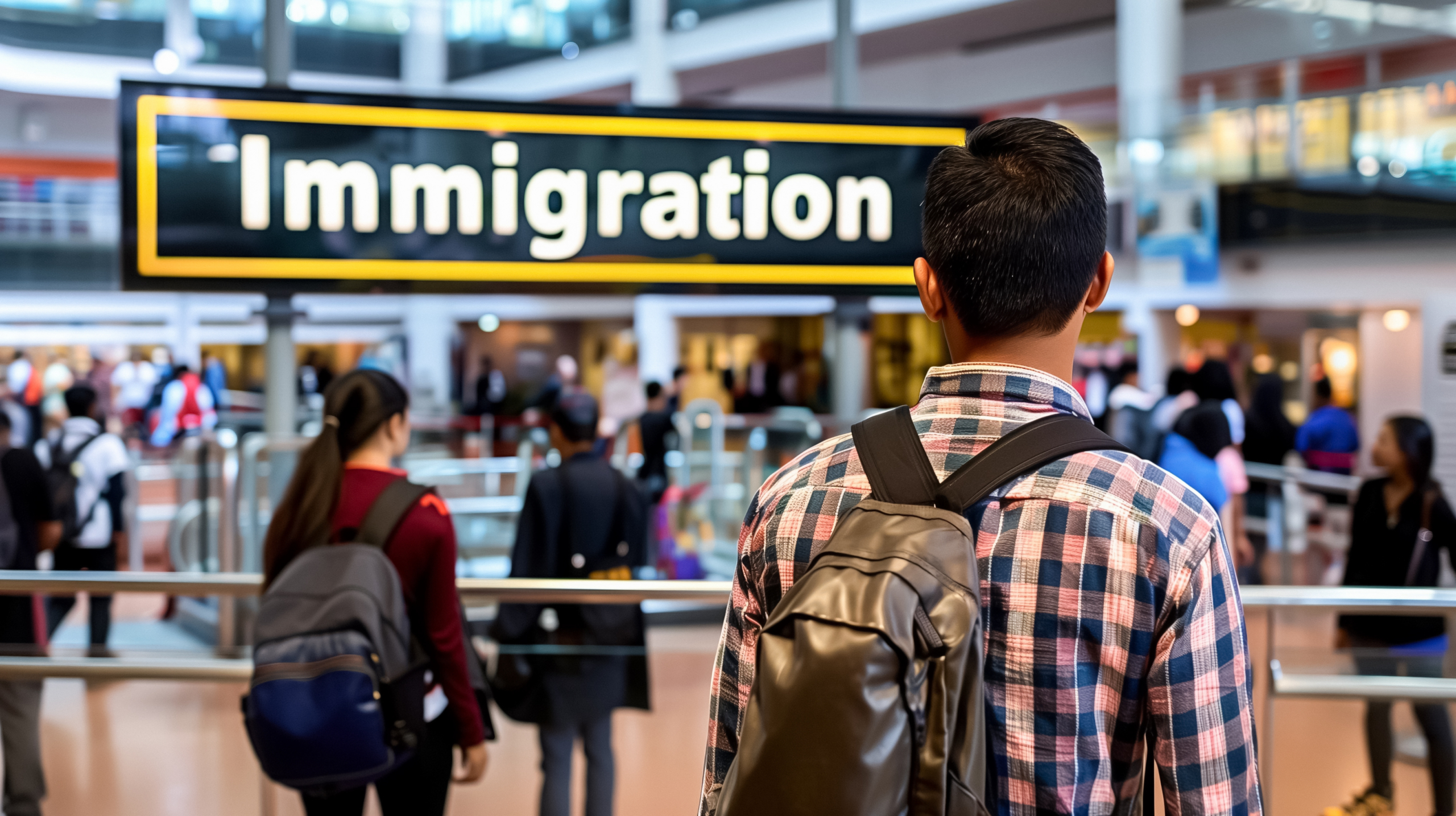

For international travellers heading to the United States, arriving at their destination without having to join lengthy immigration and customs queues can make a significant difference to the journey.
Fortunately, passengers departing from selected international airports can enjoy exactly that advantage thanks to the US Customs and Border Protection (CBP) pre-clearance programme.
Operating at locations across six countries, the programme allows eligible passengers to complete US immigration, customs and agricultural inspections before boarding their flight. By the time they land in the US, they have effectively already cleared the border.
The network has continued to expand in 2026, with the opening of a new facility at Toronto’s Billy Bishop Airport adding another option for travellers. But where can passengers take advantage of US pre-clearance, and why is it such a valuable benefit?
What is US pre-clearance and how does it work?
US pre-clearance is a programme operated by US Customs and Border Protection that moves border inspection procedures outside the United States.
Rather than waiting until arrival at an American airport, passengers travelling from participating international airports complete the relevant immigration, customs and agricultural checks before departure.
CBP officers stationed at these overseas facilities carry out inspections broadly equivalent to those passengers would normally undergo after landing in the United States.
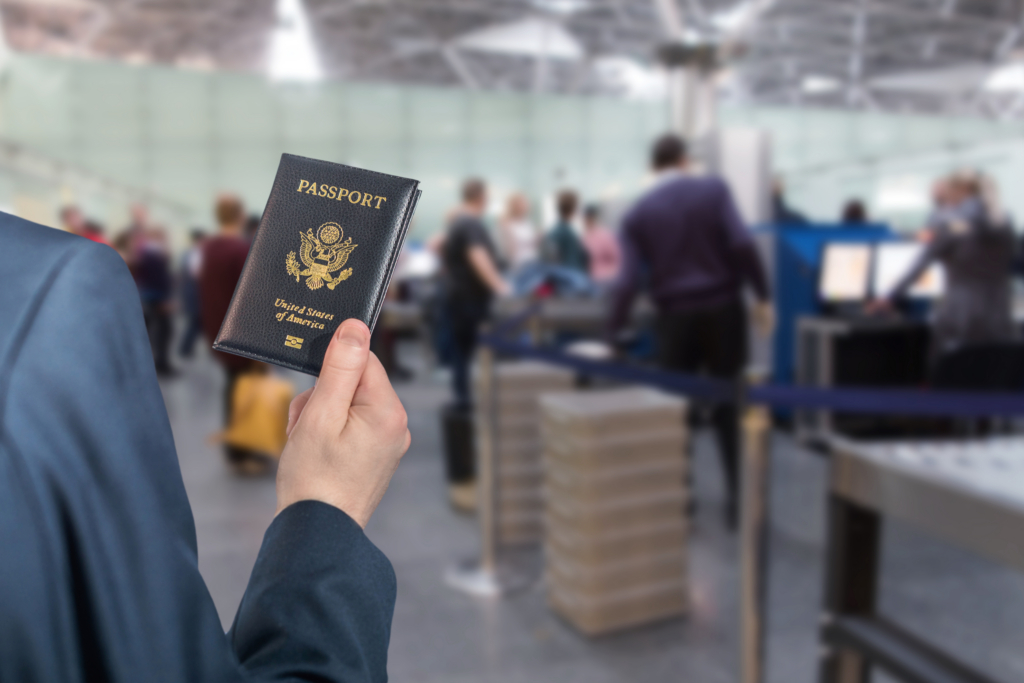
Once cleared, passengers can board their flight knowing that their US entry inspection has already been completed. On arrival, they can generally leave the airport or transfer to a connecting domestic flight without going through the usual CBP arrival procedures again.
The programme has been operating since 1952 and is designed to improve the efficiency of international travel while strengthening border security.
Which airports offer US pre-clearance in 2026?
As of November 2026, US CBP operates pre-clearance facilities at 16 locations across six countries. Canada accounts for the largest share, although facilities are also available in Europe, the Caribbean and the Middle East.
The participating airports are:
Canada
Canada has the most extensive network of US pre-clearance facilities, reflecting the significant volume of cross-border travel between the two countries.
- Calgary International Airport (YYC)
- Edmonton International Airport (YEG)
- Halifax Stanfield International Airport (YHZ)
- Montréal–Trudeau International Airport (YUL)
- Ottawa International Airport (YOW)
- Toronto Pearson International Airport (YYZ)
- Billy Bishop Toronto City Airport (YTZ)
- Vancouver International Airport (YVR)
- Winnipeg James Armstrong Richardson International Airport (YWG)
Billy Bishop Toronto City Airport is the newest addition, officially opening its US pre-clearance facility on 10 March 2026. Its introduction allows passengers departing from Toronto’s downtown airport to complete US border formalities before take-off.
Ireland
Ireland offers two US pre-clearance locations:
- Dublin Airport (DUB)
- Shannon Airport (SNN)
Both airports are particularly important for transatlantic travellers, providing a convenient way to complete US entry procedures before crossing the Atlantic.
United Arab Emirates
- Zayed International Airport, Abu Dhabi (AUH)
Abu Dhabi is home to the only US pre-clearance facility in the Middle East and Asia. Opened in November 2024, the facility allows passengers travelling on Etihad Airways flights to the United States to complete US immigration and customs procedures before departure.
Caribbean
Three Caribbean destinations also provide US pre-clearance:
- Queen Beatrix International Airport, Aruba (AUA)
- L.F. Wade International Airport, Bermuda (BDA)
- Lynden Pindling International Airport, Nassau, Bahamas (NAS)
These facilities are particularly useful for holidaymakers returning to the United States, allowing them to complete border procedures before boarding their flight home.
What are the benefits of US pre-clearance for passengers?
The biggest advantage of pre-clearance is convenience, but there are several other benefits that can make a noticeable difference to the overall travel experience.
1. Avoid lengthy immigration queues on arrival
One of the most obvious advantages is avoiding the immigration queues that can build up at major US airports.
After a long international flight, passengers often face additional waiting times at passport control, particularly during busy travel periods.
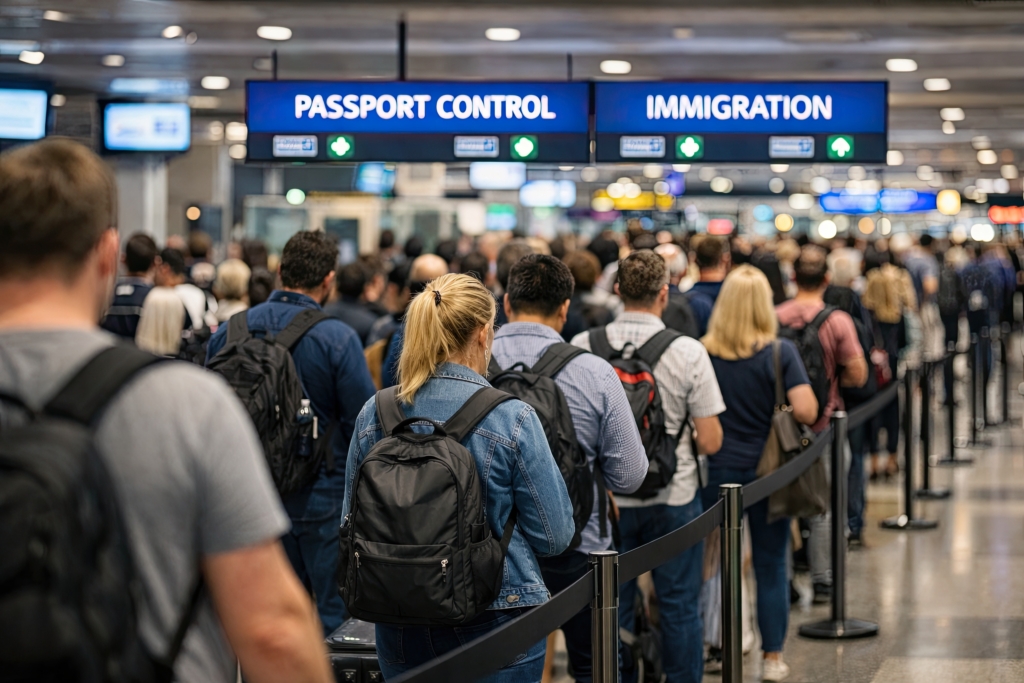
With pre-clearance, these formalities have already been completed overseas, allowing passengers to leave the airport much sooner after landing.
2. Easier connections to domestic US flights
Pre-clearance can be particularly valuable for passengers connecting to another flight within the United States.
Normally, international arrivals must clear immigration, collect their checked luggage, pass through customs and, where necessary, recheck their bags before proceeding to their connecting flight.
Passengers arriving from a pre-clearance airport generally avoid this additional international-arrival process and can proceed directly to their onward domestic connection, subject to the airport’s transfer arrangements.
This can make tight connections considerably less stressful and improve the overall reliability of a multi-flight journey.
3. Arrive as a domestic passenger
Another significant benefit is that passengers who have completed pre-clearance generally arrive at their US destination as domestic passengers. This means they can use domestic arrival routes and avoid the usual international immigration inspection facilities.
For travellers arriving at busy gateway airports such as New York, Boston or Chicago, this can be a particularly welcome advantage.
4. Greater certainty before departure
Completing US border checks before take-off also provides passengers with greater certainty about their admissibility before beginning the transatlantic or international flight.
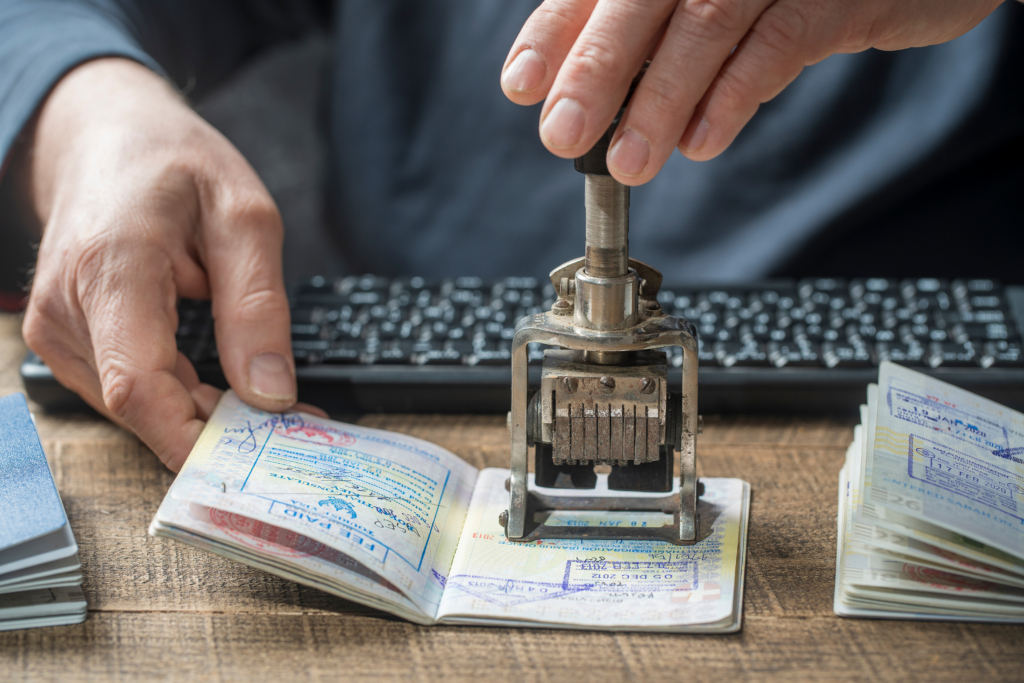
If an immigration issue arises, it can be addressed at the pre-clearance facility rather than after the passenger has travelled to the United States.
However, pre-clearance does not guarantee admission in every circumstance. Final decisions remain subject to US immigration law and the authority of CBP officers.
Are there any disadvantages or things passengers should know?
Although pre-clearance offers considerable advantages, passengers should remember that the process takes place before departure.
This means allowing sufficient time at the departure airport is essential. Travellers may need to arrive earlier than they would for a flight without pre-clearance, particularly during busy periods.
It is also important to remember that pre-clearance does not replace airline check-in, baggage drop or airport security screening. These procedures still apply.
Passengers should also check whether their particular flight operates through the pre-clearance facility, as availability and operating arrangements can vary between airports and airlines.
Is US pre-clearance worth it?
For passengers travelling regularly between participating countries and the United States, pre-clearance is undoubtedly one of the most useful airport facilities available.
From avoiding immigration queues to making domestic connections easier, the programme removes several of the most time-consuming aspects of international arrivals.
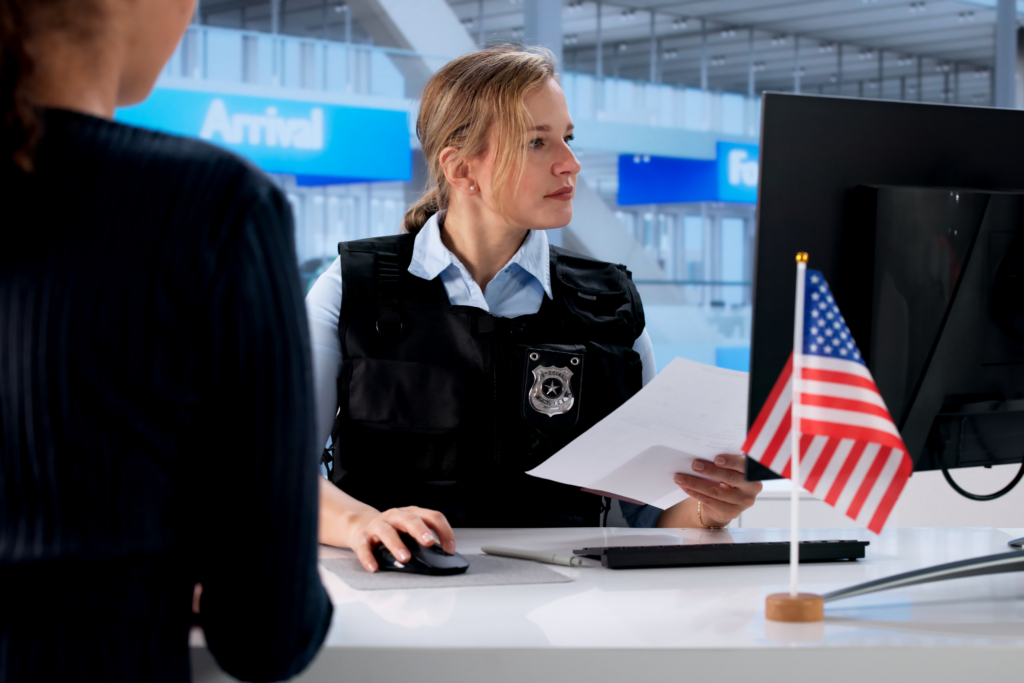
With 16 locations operating across six countries in 2026, including the newly opened facility at Billy Bishop Toronto City Airport, US pre-clearance continues to play an important role in making international air travel more convenient.
For travellers, the biggest benefit is simple: complete the formalities before take-off, land in the United States and get on with the journey.
Sign up for our newsletter and get our latest content in your inbox.