


US authorities lift the nationwide ground stop: What went wrong?

3 min read
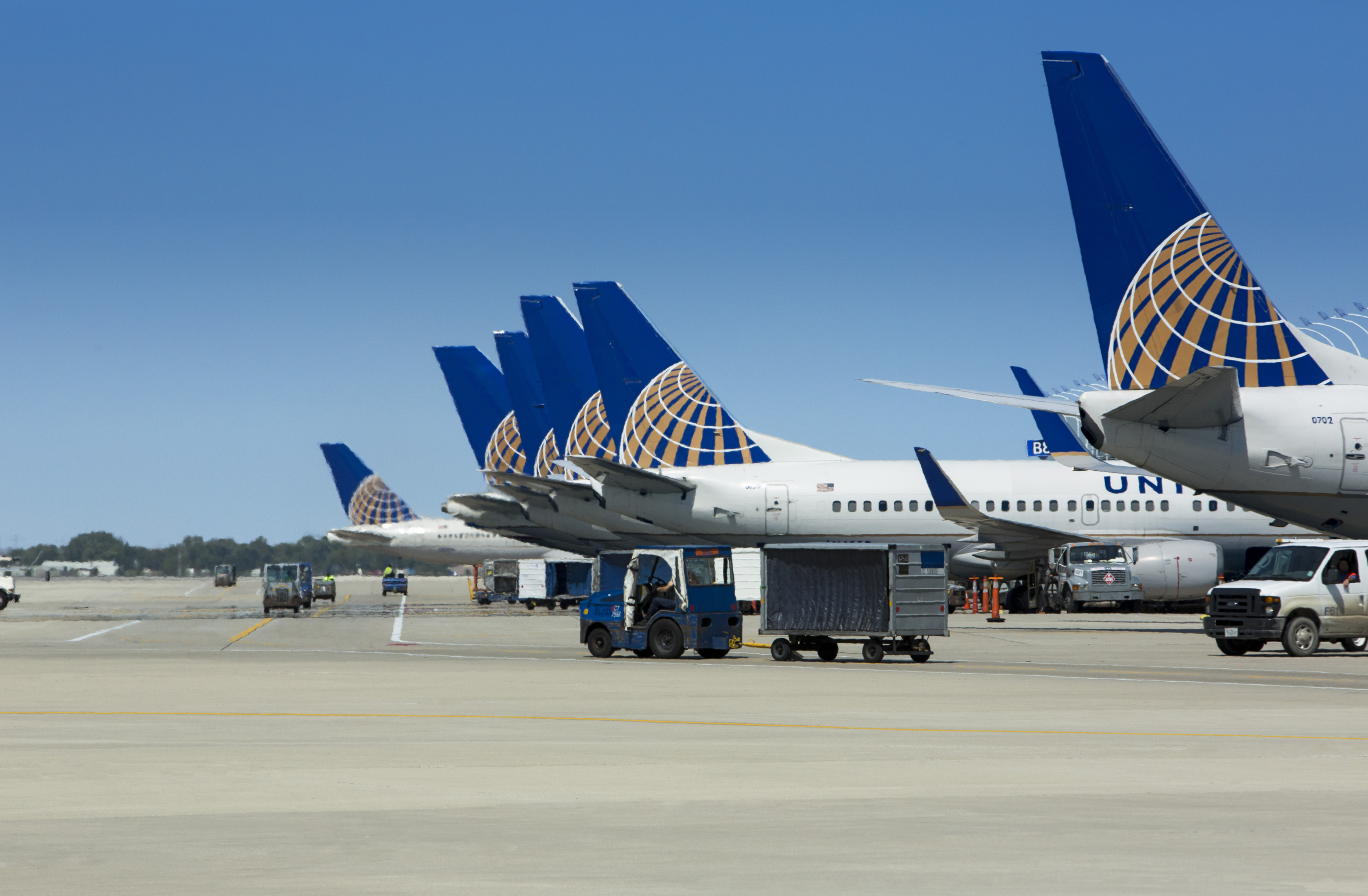
Disruption to flights is easing after the United States lifted its nationwide ground stop on Friday that left airports overloaded with aircraft and passengers stranded. Authorities pointed to ageing Air Traffic Control infrastructure to be associated with the issue, with US Transport Secretary Sean Duffy calling for more funding to upgrade systems.
Flights were grounded as of 20:54 UTC (15:54 EST), with all departures halted and en-route international arrivals allowed on a “case by case basis.” Any further departures from around the world to the US were cancelled. Services were allowed to resume as of 01:15 UTC (20:15 EST).
Friday’s disruption was the longest ground stop in the United States since 9/11.
What went wrong?
Answers are few and hard to come by. In a press conference, Duffy shared that his teams were “still working on the details of what went wrong today” and was unable to specify the root cause. He did point to ageing ATC infrastructure, adding that all “new equipment that’s been deployed did not go down.”
Authorities noted “instability for our radar and our communications and our centers and our TRACONs across the country” at 20:36 EST (15:36 EST). Less than 20 minutes later, flights were grounded. All 22 Air Route Traffic Control Centers (ARTCCs) that handle high-altitude flying were impacted.
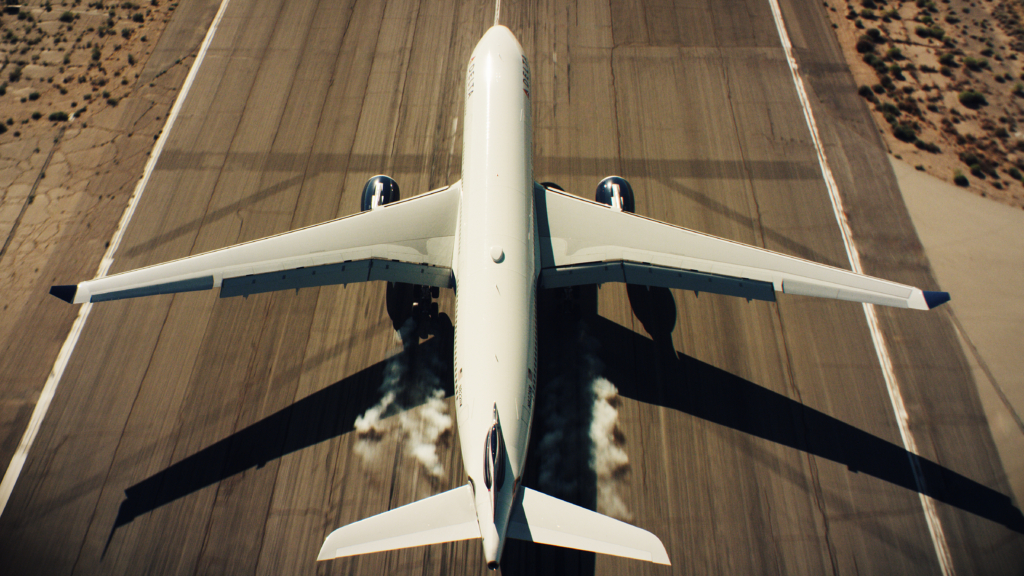
The Terminal Radar Approach Control (TRACON) are FAA-run facilities that handle aircraft between 2,500 and 10,000 feet around busy areas surrounding airports. Once below 2,500 feet, aircraft are passed on to the airport towers. As mentioned by Duffy, these TRACON facilities were also impacted. The FAA lists 25 spread across the United States.
“We didn’t lose all telecom we didn’t lose all radar but that instability, because of abundance of caution and making sure we keep the American fliers safe, we did the ground stop,” Duffy clarified. “But we were going to allow those lifesaving movements to still occur, as well as with law enforcement as well.”
There are two types of telecommunications services supporting air traffic management. This includes the older Time Division Multiplexing (TDM) technology and the more advanced Internet Protocol (IP)-compatible service.
Talking about the TDM technology that was central to the errors, Duffy says that its routers were “overloaded with data” and began producing “inconsistency in the data from those routers. And because of that, we shut the system down.”
He added: “And our new IP switches did not go down; it’s the old hardware that went down.”
Duffy calls for more investment in ATC infrastructure
Duffy called for more investment into the overall ATC architecture, arguing that the President’s request for $30 billion from congress may need to be adjusted: “The President has asked for $30 billion. I want $50 billion.”
“And I think the question for the American people is, do you want your congress to fund this? President Trump has asked for the money, he’s asked the congress on a bipartisan approach to say, give us the resources to build a state-of-the-art air traffic control system.”

He highlighted the non-partisan aspect of the issue, arguing that it is “American” rather than Democrat or Republican. “Now, if you look to the past administrations going back 25 years, $15 billion has been given to the FAA to fix this air traffic control system. And guess what? Barely anything was done.”
He cautioned against a “patchwork fix” adding that the system is critical for “every single family.”
The administration already sought $12.5 billion in funding to help renovate the air traffic systems. “But that’s a partial funding,” Duffy says.
“I want new towers. We should also invest in many of the airports around the country that, frankly, many of them are embarrassing. Let’s get the money.”
Sign up for our newsletter and get our latest content in your inbox.


More from

November 14, 20263 min read


