


The world’s most remarkable airline comebacks: From bankruptcy to revival

6 min read
Airlines can lose billions and vanish, practically overnight. Others shed aircraft, renegotiate debts and emerge from court protection looking remarkably different.
These airlines prove it is possible for carriers to recover from financial troubles and become major international competitors again. They survive through state intervention or private investment, and face years of rebuilding.
Five airlines’ turnaround stories show different ways an airline turnaround can succeed. Japan Airlines returned to the stock market less than three years after filing for corporate rehabilitation. Delta Air Lines emerged from Chapter 11 and reshaped its network. Air New Zealand survived largely thanks to a government rescue. Malaysia Airlines and SAS have also restructured for survival.
Japan Airlines: From bankruptcy to stock market relisting
Japan Airlines entered corporate rehabilitation proceedings on 19 January 2010 after years of losses and a mounting debt burden. For one of Asia’s best-known flag carriers, the filing represented a dramatic reversal.
The airline’s restructuring involved debt forgiveness, a complete reduction in existing shareholder capital and an injection of ¥350 billion (roughly $3.9 billion at the time) from the Enterprise Turnaround Initiative Corporation of Japan.
The airline reduced its size, withdrew from unprofitable activities and changed management practices. It also pursued a stronger focus on costs and route profitability, instead of trying to preserve the scale of the pre-bankruptcy business.
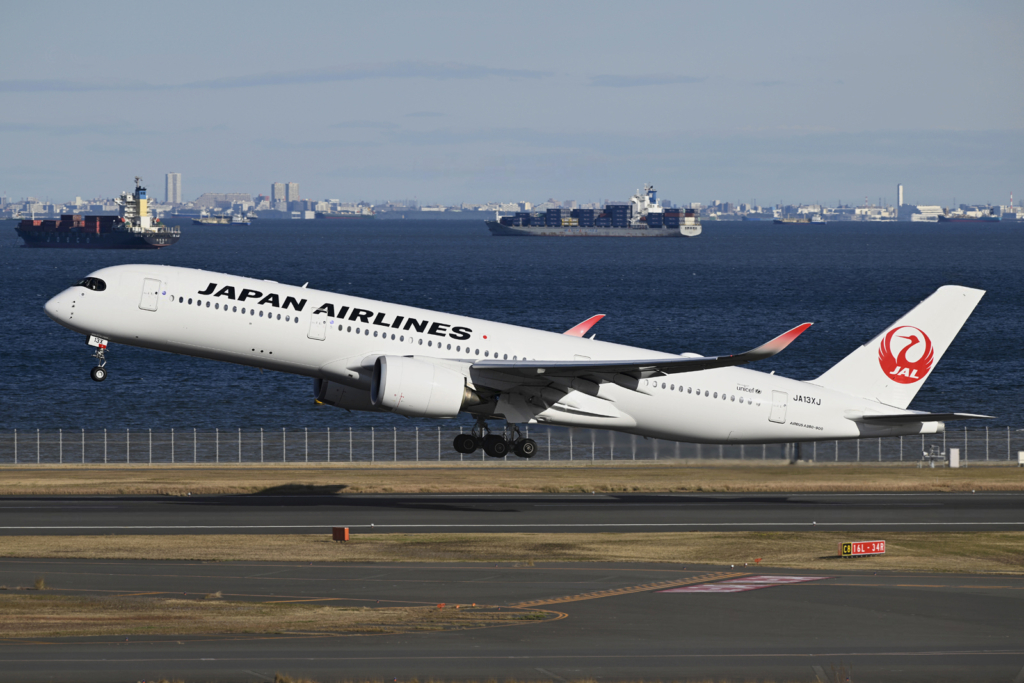
JAL completed its corporate reorganisation proceedings in March 2011. On 19 September 2012, it returned to the Tokyo Stock Exchange, about two years and eight months after filing.
JAL later said its market capitalisation at relisting was ¥687.3 billion and that the public investment had been repaid without a loss on the capital injection. However, creditors and existing shareholders bore substantial losses.
Today, Japan Airlines is a profitable, publicly listed airline, although its earnings, like those of all carriers, are still vulnerable to fuel costs and exchange-rate movements. For the six months to September 2026, JAL reported record first-half revenue of ¥1,098.9 billion and EBIT of ¥70.1 billion. Revenue rose 11.7% year on year, while EBIT fell 36% as expenses increased.
Delta Air Lines: Chapter 11 and a new competitive position
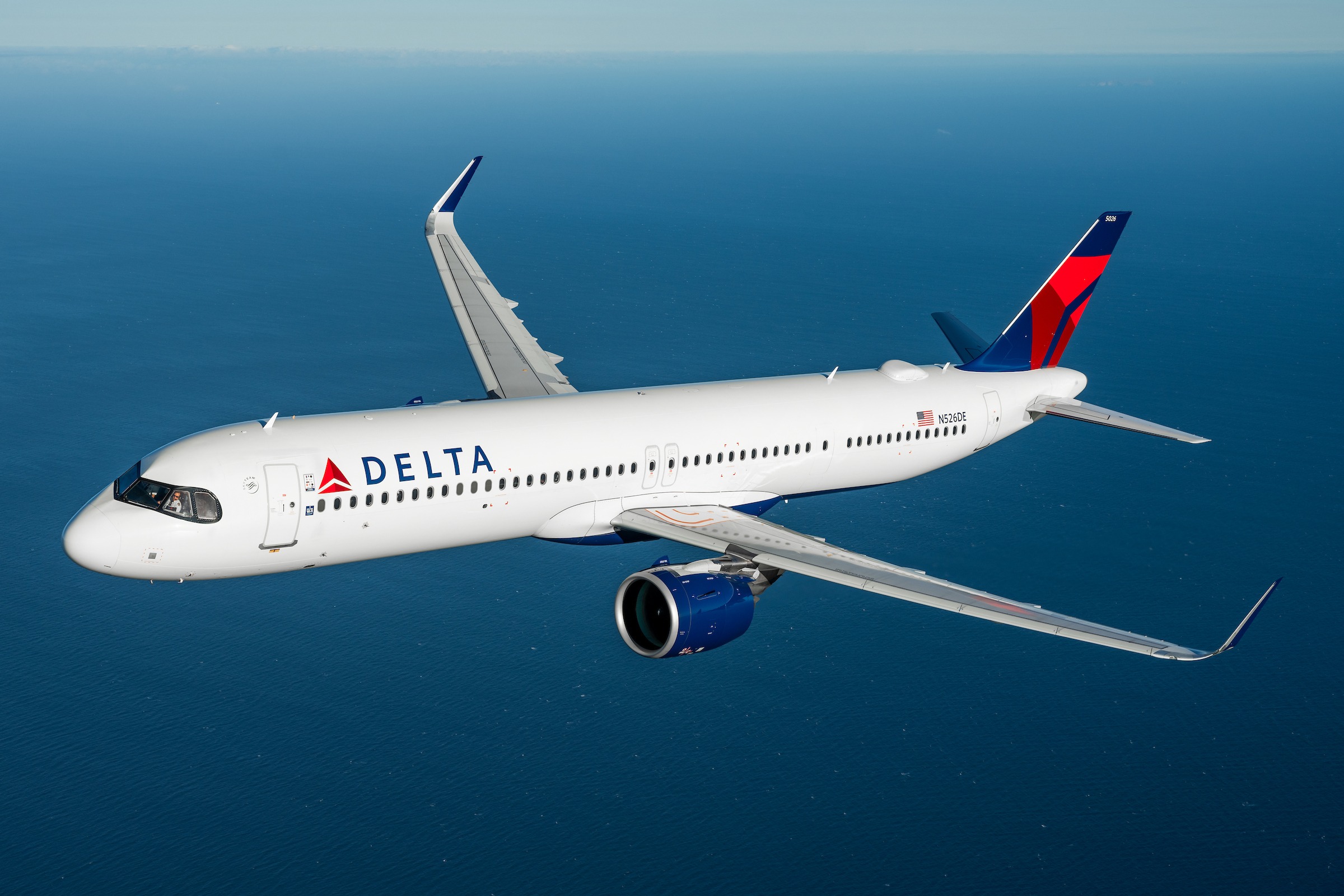
Delta filed for Chapter 11 protection in the United States on 14 September 2005, facing intense competition, high costs and a difficult financial position.
Chapter 11 allowed the carrier to continue flying while renegotiating obligations and implementing a reorganisation plan. Delta used the process to restructure costs and develop a more internationally oriented network.
The airline emerged on 30 April 2007 after approximately 19 months in bankruptcy protection. At the time, it reported that its restructuring had delivered $3 billion in annual financial improvements. Its emergence was supported by $2.5 billion in exit financing.

Delta also reported four consecutive quarters of operating profits, including $155 million in the first quarter of 2007. The airline later merged with Northwest Airlines in 2008, enlarging its global network.
Delta is now one of the major US network airlines and continues to generate substantial profits.
In October 2026, it reported September-quarter operating revenue of $20.2 billion and GAAP pre-tax profit of $1.1 billion, despite elevated fuel costs. It also projected approximately $4.5 billion in pre-tax profit for the full year, showing how far the business has come since its Chapter 11 restructuring.
Air New Zealand: A government rescue preserves the flag carrier
Air New Zealand’s crisis stemmed from its investment in Ansett Australia, which quickly became a major burden. Ansett entered voluntary administration in September 2001. The global downturn in aviation following the September 11 attacks compounded the financial pressure.
The New Zealand government intervened to prevent the loss of its national carrier. In November 2001, it finalised an NZ$885 million recapitalisation package that gave the Crown an 82% ownership stake.

The government also committed to make up to NZ$150 million in additional funding available before June 2003 if required. Officials emphasised the airline’s importance to tourism, international connectivity and the wider economy.
Air New Zealand survived, refocused its business and continued to operate as a publicly listed carrier. The state later reduced its holding, including a sell-down in 2013.
The airline reported a NZ$242 million net loss for the year ended June 2026, compared with a NZ$108 million profit a year earlier. Revenue increased to NZ$7.0 billion, but higher fuel and maintenance costs and continuing engine-availability problems weighed on earnings.
Malaysia Airlines: Rebuilding after tragedy and financial distress
Malaysia Airlines’ restructuring followed years of financial difficulties and the devastating loss of flights MH370 and MH17 in 2014. Those tragedies intensified an already difficult period for the airline.
A recovery plan launched in 2014 led to the establishment of a new operating company in 2015, with Malaysia Aviation Group later serving as the parent organisation. The process included changes to staffing, capacity and the airline’s financial structure.
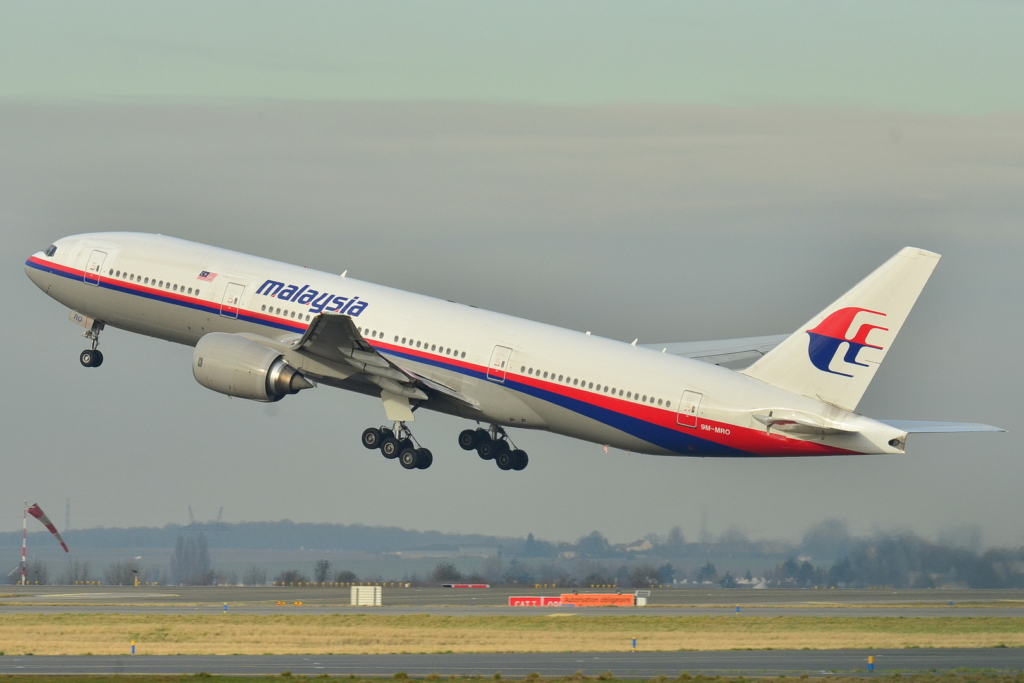
The COVID-19 pandemic forced another round of negotiations. In 2021, the group completed a recapitalisation and restructuring process that it said would reduce liabilities by more than RM15 billion.
The airline group later reported its first net profit after interest and tax since its 2015 formation: RM766 million for 2023. It recorded a further RM54 million net profit in 2024, marking a third consecutive year of positive operating profit. Malaysia Aviation Group faced maintenance and aircraft-delivery disruptions, which forced capacity cuts.
Its 2024 net profit benefited from a RM426 million reversal of earlier impairment charges. Still, Malaysia Airlines’ restructuring and improved commercial performance have brought financial stability.
Malaysia Aviation Group reported net profit after interest and tax rose to RM137 million in 2025, from RM54 million in 2024, while revenue reached RM14.5 billion. The group has also received high preliminary ratings for a proposed sukuk financing programme, although the ratings agency has highlighted continuing financial constraints, including high borrowings and negative shareholders’ funds.
SAS: A new ownership structure for Scandinavia’s airline
SAS began voluntary Chapter 11 proceedings in the US in July 2022 as part of its SAS FORWARD transformation programme. The Scandinavian airline was dealing with heavy debt, aircraft costs and pressure to improve its competitiveness.
SAS also undertook company reorganisation proceedings in Sweden and negotiated changes to aircraft leases, creditor obligations and financing.
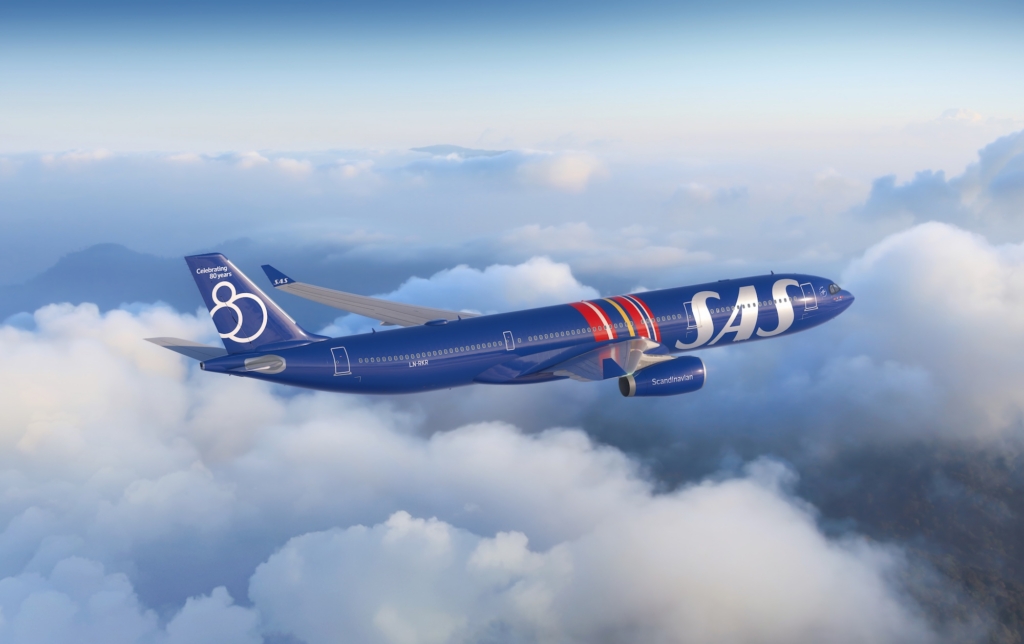
On 28 August 2024, SAS announced that it had completed both processes. The company said it had restructured more than $2 billion of debt and secured a $1.2 billion investment package comprising $475 million in new equity and $725 million in secured convertible debt.
The new ownership group included Castlelake, Air France-KLM, Lind Invest and the Danish state. SAS also moved from Star Alliance to SkyTeam, changing its strategic airline partnerships and financial structure.
The airline’s former shareholders received no recovery under the restructuring plan, and their shares were cancelled.
For the year ended 31 October 2025, SAS’s revenue rose 7% to SEK 49.1 billion, and the airline recorded an operating profit of SEK 3.03 billion, compared with an operating loss of SEK 2.11 billion a year earlier. It carried 28.3 million passengers, up 12%, and reported a SEK 517 million net profit.
As of November 2026, SAS is also expanding its Copenhagen hub, with additional intercontinental and European capacity announced for summer 2027.
Sign up for our newsletter and get our latest content in your inbox.


More from

November 14, 20263 min read


