


AerFin acquires 44 Boeing 737-800s from Qantas in landmark deal

5 min read
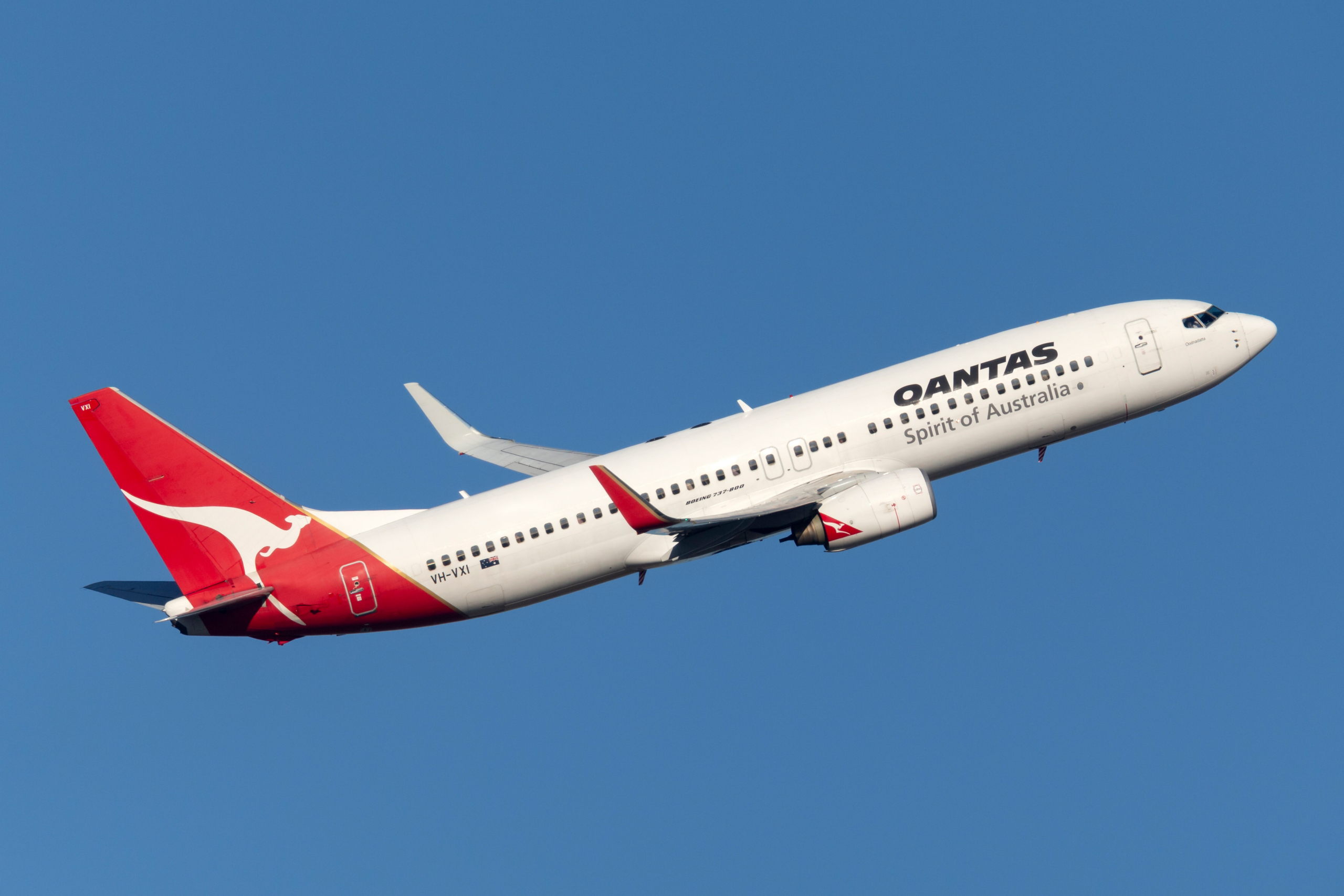
British aviation aftermarket specialist AerFin has agreed to acquire 44 Boeing 737 Next Generation (NG) aircraft from Australian flag carrier Qantas in what represents the largest transaction in the company’s history.
Announced on 4 November, the agreement covers 44 Boeing 737-800 aircraft and their 88 CFM International CFM56-7B engines. The deal marks a significant milestone in AerFin’s expansion strategy, strengthening its position in the global aviation aftermarket while supporting Qantas’ ongoing fleet renewal programme.
The aircraft will transfer to AerFin over the next seven years, with the first deliveries expected before the end of 2026. The phased arrangement will allow Qantas to continue operating its existing Boeing 737 fleet while progressively introducing newer-generation aircraft, such as the A321neo.
For AerFin, the acquisition provides a substantial portfolio of aircraft and engine assets to support airlines, maintenance, repair and overhaul (MRO) organisations, lessors and other aviation customers worldwide.
Largest acquisition in AerFin’s history
The transaction represents a major step forward for AerFin, which specialises in acquiring, managing, trading, leasing and disassembling commercial aircraft and engines, alongside supplying aircraft components.
The company intends to use the newly acquired assets to strengthen its global aftermarket offering, providing customers with access to used serviceable material (USM), engine components and other aviation parts.
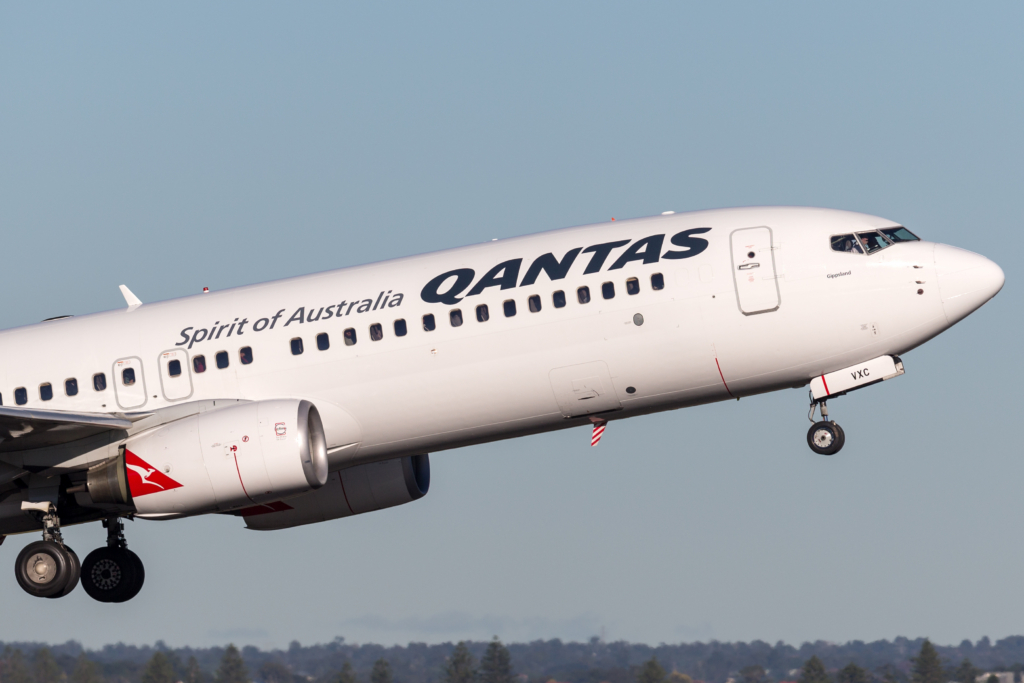
AerFin Chief Executive Officer Simon Goodson described the transaction as a defining moment in the company’s development, highlighting its scale as evidence of AerFin’s ambition, technical expertise and financial capability.
Founded in 2010, AerFin has developed a substantial international presence, supporting more than 600 customers across six continents. Its activities include aircraft and engine trading, leasing, component sales, repair management and engine maintenance solutions.
The Qantas agreement further demonstrates the company’s ability to secure large-scale aircraft transactions and extract value from assets throughout their operational and aftermarket lifecycles.
Qantas accelerates Boeing 737 fleet renewal
For Qantas, the agreement forms part of a wider strategy to modernise its fleet and progressively transition away from its established Boeing 737-800 aircraft.
The Boeing 737 has been central to Qantas’ domestic operations for many years, serving routes across Australia’s extensive domestic network and selected short-haul international destinations.
According to Planespotters.net, the carrier still operates 76 Boeing 737-9800s with an average age of 18 years.
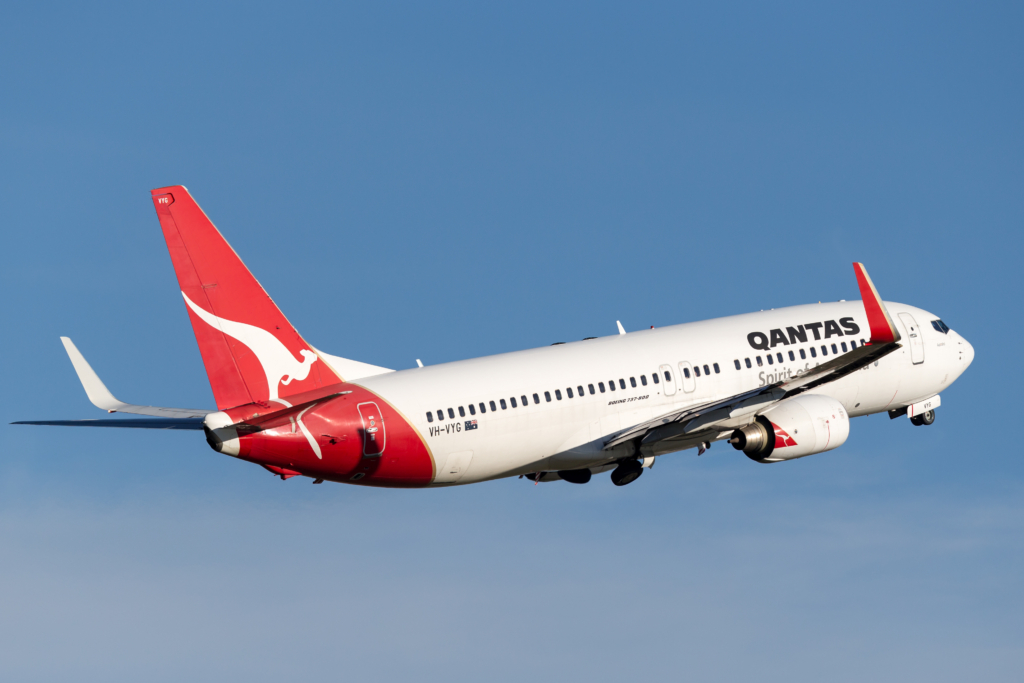
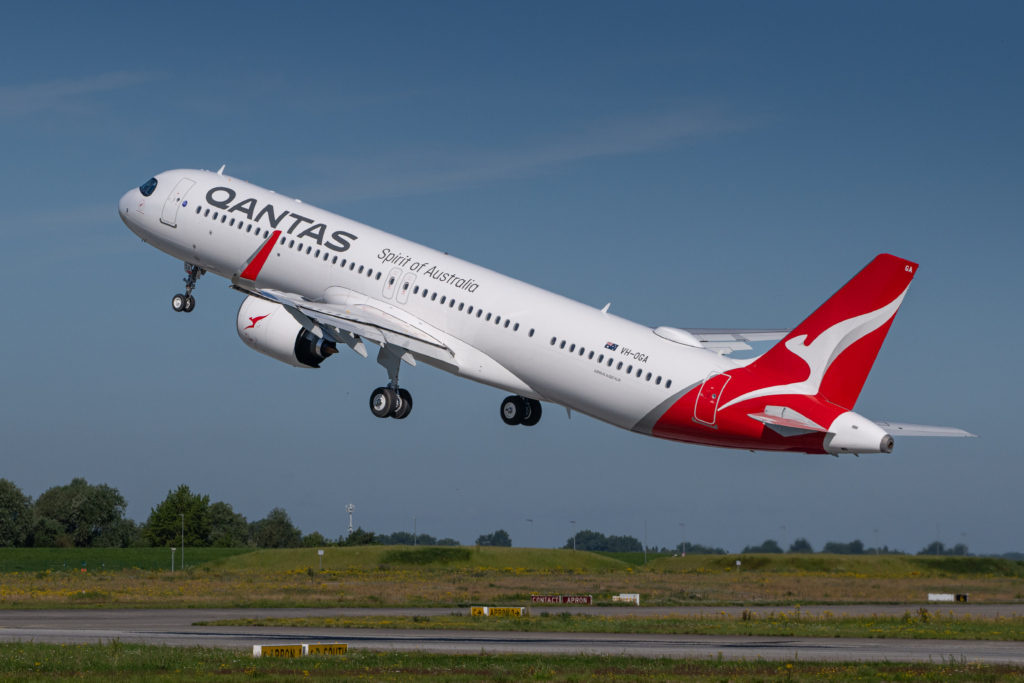
However, the airline is increasingly introducing newer-generation Airbus aircraft to improve operational efficiency, passenger experience and fleet economics.
Its renewal programme includes the Airbus A321XLR, which will gradually assume a greater role in domestic and regional operations. Qantas originally ordered 28 A321XLR aircraft in 2022 before adding another 20 to its commitment.
The airline has indicated that it expects to receive up to 24 new aircraft during 2026, supporting its wider fleet modernisation ambitions.
Qantas Domestic Chief Executive Markus Svensson said the Boeing 737s would continue to play an important role in the airline’s operations for several years, alongside its expanding next-generation fleet.
The agreement with AerFin will allow Qantas to plan the retirement of most of its Boeing 737 aircraft while retaining flexibility over the timing of individual departures as replacement aircraft arrive.
This flexibility is particularly important when replacing a large narrowbody fleet without disrupting capacity or operational reliability.
Significant opportunities in the aviation aftermarket
The acquisition also highlights the growing importance of the aviation aftermarket as airlines modernise their fleets. Aircraft retirement does not necessarily signal the end of an asset’s commercial usefulness.
Engines, landing gear, avionics, auxiliary power units and numerous other components can retain considerable value after an aircraft completes its airline service.
Through its acquisition of 44 aircraft and 88 engines, AerFin will gain access to a substantial volume of material that can be redistributed across the global aviation supply chain.
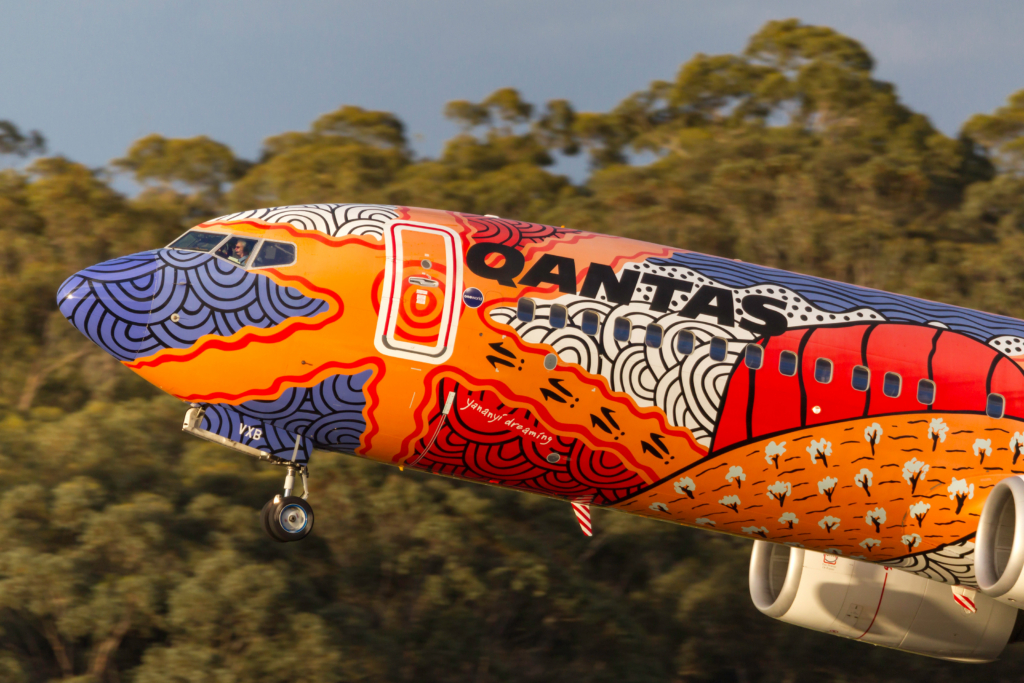
The CFM56-7B engine is particularly significant. Manufactured by CFM International, a joint venture between GE Aerospace and Safran Aircraft Engines, it powers the Boeing 737 Next Generation family and is one of the most widely operated commercial turbofan engines.
Its extensive global installed base creates an established market for replacement components, repair services and maintenance material.
As airlines seek to control maintenance expenditure and manage supply-chain challenges, demand for certified used serviceable components remains an important part of the aftermarket.
AerFin’s acquisition therefore provides an opportunity to expand its inventory and strengthen its ability to supply airlines and MRO providers with parts for ongoing maintenance requirements.
Strengthening AerFin’s international position
The Qantas agreement comes amid continued growth in the aircraft asset management and aftermarket sector. With airlines balancing fleet replacement programmes against rising maintenance costs and supply-chain pressures, specialist companies capable of acquiring, managing and redistributing aircraft assets are becoming increasingly important.
AerFin’s business model focuses on extracting value from aircraft and engines through trading, leasing, component management and maintenance support.
The transaction is particularly notable because of its scale and the inclusion of both complete aircraft and their associated engines. It also strengthens AerFin’s position in the Asia-Pacific region, an important growth market for the business.
The deal coincides with another significant development in AerFin’s ownership structure. Aviation Week reported that Japanese-backed ORIX Aviation completed its acquisition of AerFin on 2 November, making the company a wholly owned subsidiary.
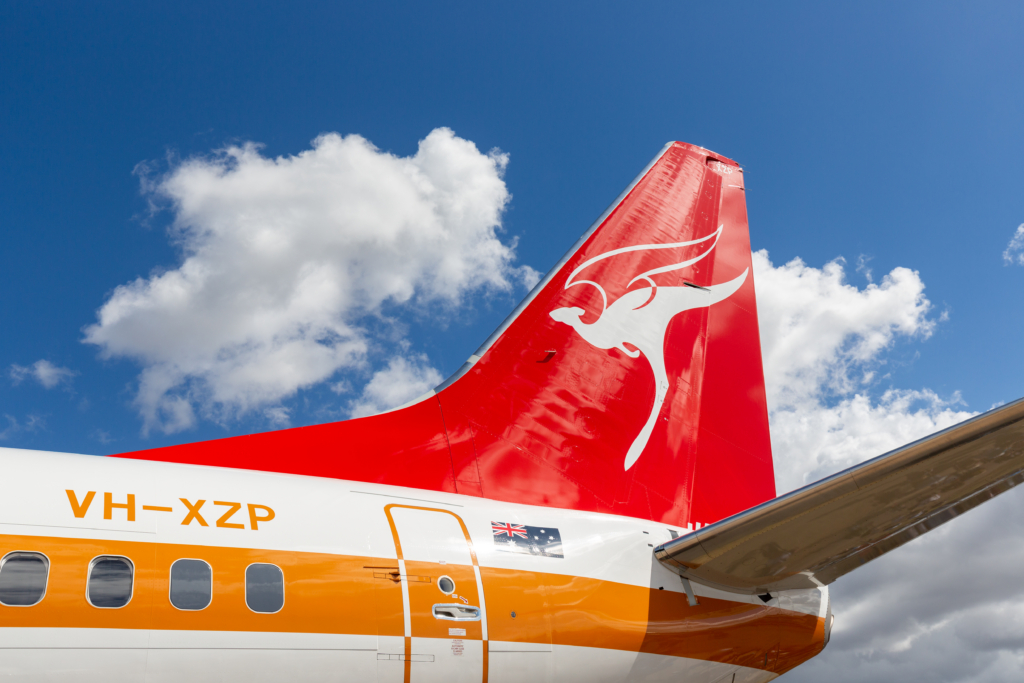
This change provides important context for AerFin’s development as it continues to expand its asset portfolio and international market presence. The combination of new ownership and the largest acquisition in the company’s history signals a potentially significant period of growth.
For AerFin, the agreement creates a long-term pipeline of aircraft and engine assets that can support its aftermarket operations for years to come.
Ultimately, the transaction represents a significant development for both companies. Qantas gains greater flexibility as it modernises its fleet, while AerFin secures a major portfolio of established Boeing 737NG aircraft and CFM56-7B engines.
As the aviation industry continues to navigate fleet renewal, maintenance demand and supply-chain pressures, the agreement demonstrates the important role specialist aftermarket companies play in extending the commercial value of aircraft beyond their original airline service.


