


Avolon finalises order for 140 Boeing 737 MAX 10 jets

4 min read
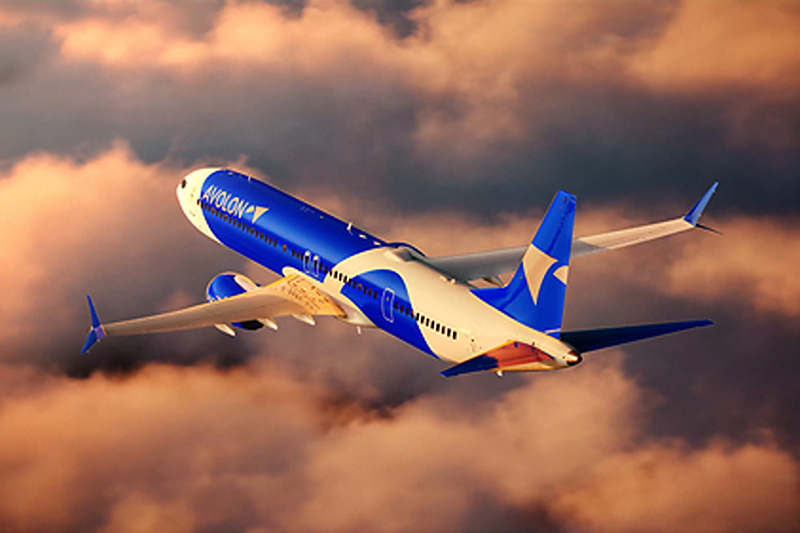
Aircraft leasing company Avolon has finalised an order for 140 Boeing 737 MAX 10 aircraft, marking the largest 737 MAX purchase by a lessor to date and significantly expanding its portfolio of next-generation single-aisle jets.
Announced on November 4 by Boeing and Avolon in Seattle, the agreement brings Avolon’s total backlog of unfilled Boeing 737 orders to more than 240 aircraft.
The deal further strengthens the company’s position in the global aircraft leasing market and reflects growing demand for fuel-efficient, higher-capacity narrowbody aircraft.
Record-breaking order strengthens Avolon’s Boeing partnership
According to the leasing firm, the 140-aircraft agreement represents “a major commitment to the Boeing 737 MAX family and provides Avolon with additional capacity to meet the evolving requirements of airline customers worldwide.”
Demand for the largest member of the 737 MAX family has increased considerably throughout 2026. Aircraft lessors have placed firm orders for more than 230 Boeing 737-10 aircraft during the year, approximately five times the total lessor backlog for the largest 737 MAX variant at the end of 2025.
For Avolon, the order provides an opportunity to capitalise on demand for larger single-aisle aircraft while benefiting from the operational flexibility of the Boeing 737 family.
Avolon CEO Andy Cronin said the agreement reflects continued demand for new-technology aircraft and strengthens the company’s long-term delivery pipeline.
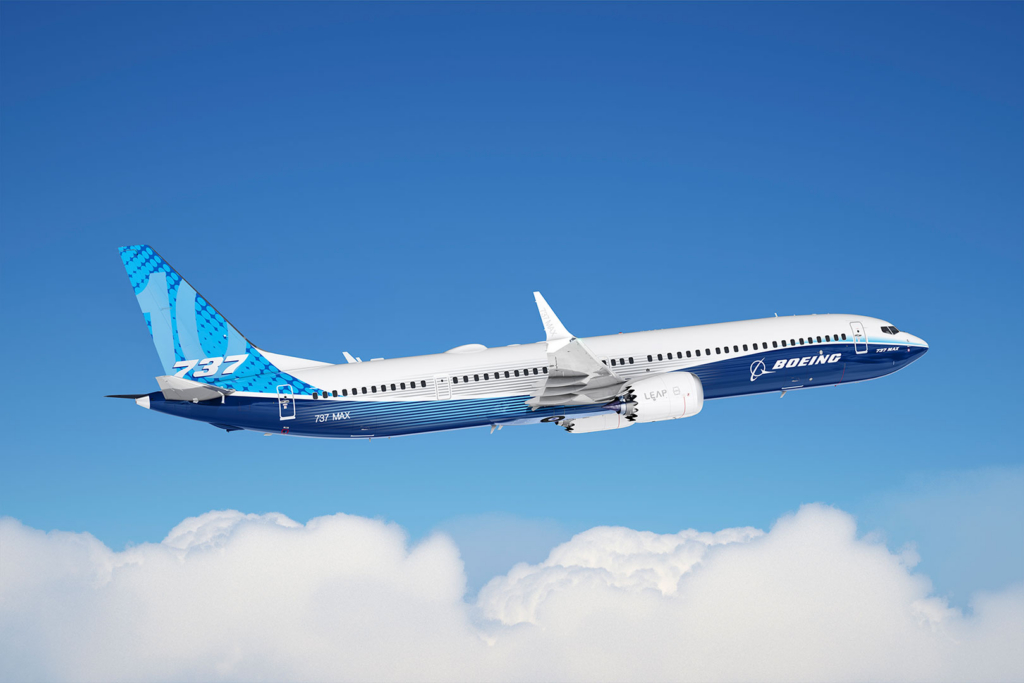
He highlighted the 737 MAX 10’s combination of competitive operating economics and increased passenger capacity, noting that the aircraft is well positioned to support airline growth and fleet renewal throughout the next decade.
Cronin also emphasised the importance of Avolon’s longstanding relationship with Boeing, describing the latest agreement as another step in strengthening the partnership.
Boeing highlights the benefits of the 737 MAX family
Boeing welcomed Avolon’s expanded commitment to the 737 MAX programme, highlighting the benefits the aircraft family offers airlines seeking to modernise their fleets.
Brad McMullen, Boeing’s Senior Vice President of Commercial Sales and Marketing, said Avolon’s growing and diversified 737 MAX portfolio would help airline customers introduce aircraft that reduce emissions and operating costs while improving route economics. He also pointed to the importance of fuel-efficient aircraft as airlines prepare for continued growth in global passenger traffic.
With strong long-term travel demand anticipated, Boeing believes lessors will play an important role in helping airlines access modern single-aisle aircraft capable of operating across a wide range of route networks.
Boeing 737 MAX 10: Capacity, range and operating economics
The Boeing 737 MAX 10 is the largest aircraft in the 737 MAX family and has been developed to provide airlines with additional passenger capacity while retaining the operational advantages of a single-aisle aircraft.
According to Boeing, the aircraft offers the best per-seat economics of any single-aisle aircraft. Key specifications include a passenger capacity of up to 230 passengers and a maximum range of approximately 3,100 nautical miles (5,740 kilometres).

Its additional seating capacity makes the 737 MAX 10 particularly attractive to airlines operating high-demand short- and medium-haul routes. The aircraft’s economics also provide operators with opportunities to increase capacity without moving into the widebody market.
For aircraft lessors such as Avolon, the 737 MAX 10 offers an opportunity to meet airline demand for larger narrowbody aircraft while maintaining exposure to one of the world’s most widely operated commercial aircraft families.
Growing demand for single-aisle aircraft
The order comes amid expectations of sustained growth in global air travel. Passenger traffic is projected to increase by approximately 4% annually over the next 20 years, encouraging aircraft lessors to expand and diversify their single-aisle portfolios.
The Boeing 737 remains a cornerstone of the global aircraft leasing industry, accounting for approximately 30% of all financed aircraft. Across the lessor market, orders for the 737 MAX family have now exceeded 1,450 aircraft, representing approximately 20% of Boeing’s total backlog.
These figures underline the importance of the 737 MAX programme to the leasing sector and demonstrate the continued appetite for modern, fuel-efficient narrowbody aircraft.
Avolon’s latest agreement positions the company to support airline fleet expansion and replacement requirements over the coming years, while further strengthening its relationship with one of the world’s leading commercial aircraft manufacturers.
The Boeing 737 MAX 10 nears entry into service
The Boeing 737 MAX 10 is the fourth and largest member of Boeing’s 737 MAX family. Its development was launched in 2017 in response to airline demand for a higher-capacity narrowbody aircraft capable of competing more directly with the Airbus A321neo and to replace the Boeing 757.
Although the aircraft shares much of its design and technology with the other 737 MAX variants, the MAX 10 incorporates modifications to accommodate its longer fuselage and increased passenger capacity.
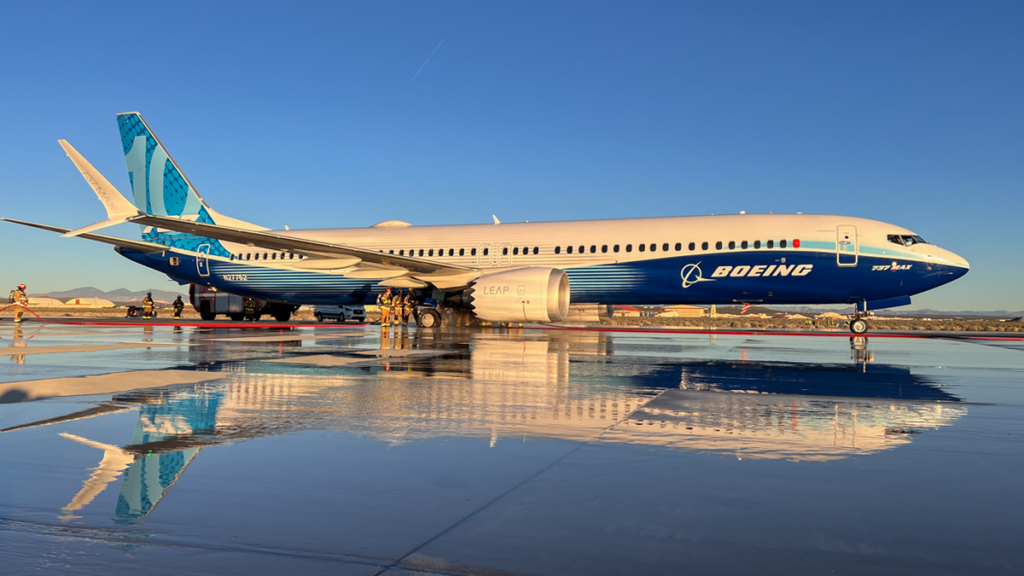
One of the most significant certification considerations has been the aircraft’s updated landing gear design. The 737-10 features a semi-levered main landing gear arrangement designed to provide the necessary ground clearance during take-off despite its longer fuselage.
The aircraft’s certification programme also involved extensive flight testing and regulatory evaluation, including assessments of handling characteristics, systems integration, performance, and compliance with applicable airworthiness requirements.
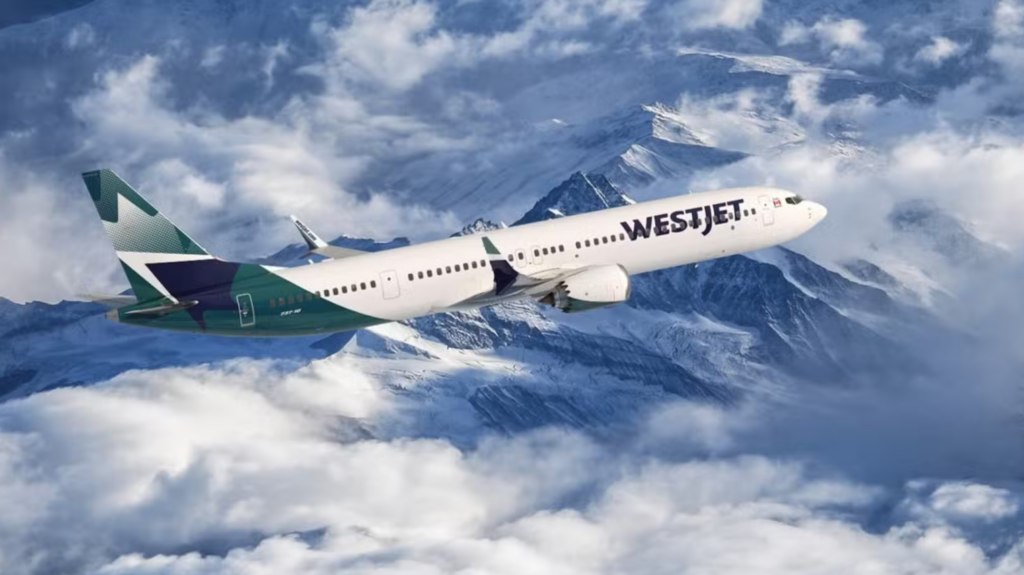
The Boeing 737 MAX 10 was eventually certified on October 20, paving the way for its entry into service with several airlines. WestJet, Ryanair, Alaska Airlines, Delta Air Lines, and United Airlines are all preparing for Boeing’s largest 737 MAX variant, with WestJet likely to be the first recipient.


