


How Condor’s post-Lufthansa ‘Plan B’ is paying off

4 min read
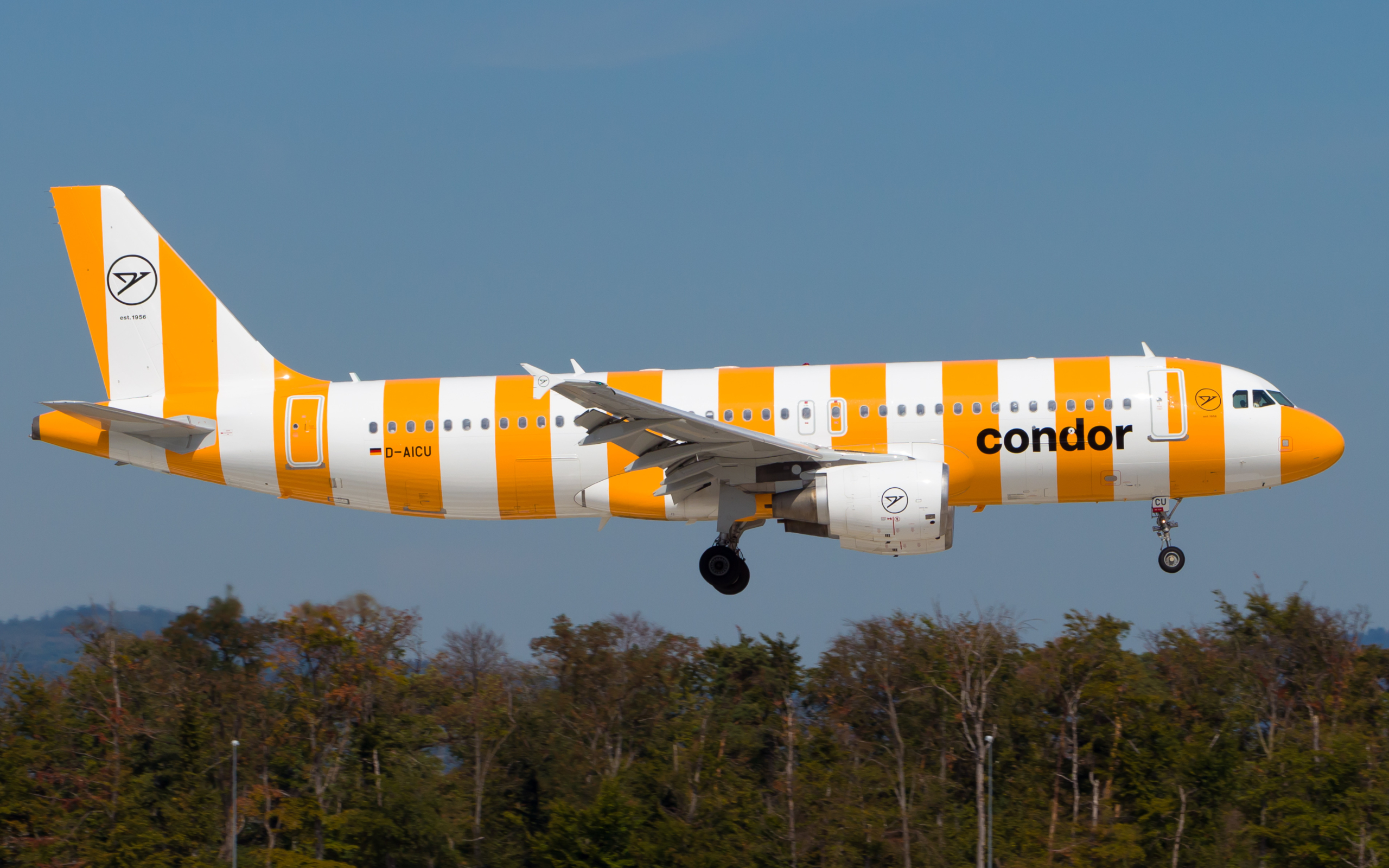
Condor has established a new European feeder network following the loss of its long-standing arrangement with Lufthansa, with load factors above 70% on its city routes as the German carrier seeks to strengthen its long-haul operation at Frankfurt.
Chief executive Peter Gerber said at Routes World 2026 – being hosted in the German financial capital – that the carrier had been forced to move quickly after a court decision meant it could no longer rely on Lufthansa’s network to supply connecting passengers for its long-haul flights.
Condor’s secret ‘Plan B’ after Lufthansa tie-up collapsed
The development had come as a surprise, he said, but Condor had already been preparing an alternative strategy in case its agreement with Lufthansa could not be extended.
“We worked secretly on a plan B, just in case it turned out like it did,” he said. “It was absolutely clear that we need to do something about it because if you have such a huge long haul fleet as Condor, and you have the geographic situation in Germany, obviously you can’t operate long haul fleets without a feed.”
Gerber said the airline initially concentrated on establishing connections within Germany and German-speaking markets before expanding into other destinations as airport slots became available.

The new network has also required Condor to re-establish itself as a different entity for passengers. While the airline has historically positioned itself as a leisure carrier, it is now seeking to attract passengers travelling between European cities, including corporate customers who can provide additional traffic for its long-haul services.
A return to the Lufthansa arrangement remains uncertain, Gerber said, with the outcome dependent on the courts and competition authorities. Condor is planning to operate without it, adding: “We have to plan on our own.”
Condor city network attracts corporate travellers
Gerber said the initial performance of the network had exceeded his expectations, with load factors above 70%.
Gerber said customer experience had been central to that effort, alongside advertising and the airline’s online presence. “People start to tell this to their friends, and we increasingly get more corporate contracts.”
Rather than attempting to replicate the breadth of Lufthansa’s domestic and European network, Gerber said Condor was concentrating on destinations that generate the most valuable connecting traffic.
“We will never be able to build up the broadness of the Lufthansa network,” he said. Instead, the airline is focusing on “the most important O&D destinations for our customers”, while adding the routes and slots needed to serve those markets.
He said the airline intends to continue developing Frankfurt as its principal hub, arguing that the economics and geography of Germany make it difficult to establish another comparable operation elsewhere in the country.
A second German hub would be harder to make work, Gerber said, because it depends on having enough customers nearby and on airport operating conditions. “The only second opportunity to run such a kind of a hub in Germany would be Dusseldorf,” he said, adding that the airport’s operating limits make it difficult.
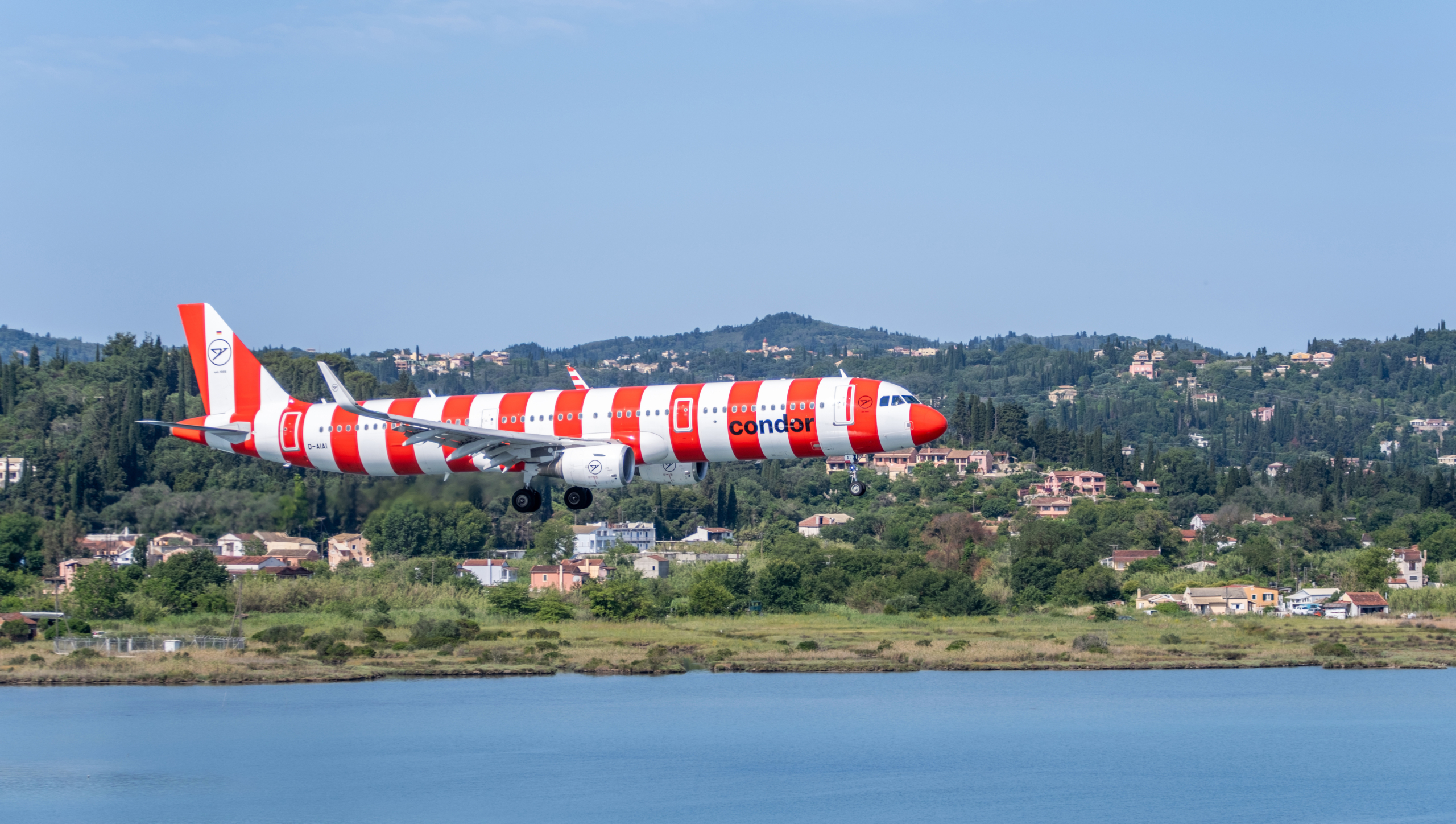
American Airlines partnership opens new markets
Commercial partnerships are becoming increasingly important as Condor expands beyond its traditional leisure model.
Gerber highlighted the airline’s relationship with American Airlines, which he expects to support the development of services to Chicago by providing connecting traffic on both sides of the Atlantic.
He said this partnership worked for both parties. “We offer American a good opportunity to really be more present in Europe. So that’s a clear win-win situation.”
Condor also works with partners including Alaska Airlines and JetBlue, alongside carriers in South Africa and Asia. Gerber said these arrangements were helping passengers make more seamless connecting journeys while providing Condor with access to markets it could not serve as effectively on its own.
The airline is also considering whether joining an alliance could be a logical next step as its transformation progresses.
“I think it’s clear that we will look into that after we now more or less in principle completed our transformation, and so this could be a next logical step to expand the reach of Condor,” he told Routes delegates.
For the time being, the carrier intends to develop its existing partnerships without an alliance commitment.
Growth ambitions face pressure from costs
Despite the progress in rebuilding its network, Condor faces pressure from high operating costs in Germany and rising fuel prices.
Gerber said the airline remained ambitious about expanding both its long-haul and leisure operations, with winter demand for long-haul destinations performing particularly well. However, he warned that higher fares were becoming a constraint on some European routes.
The airline is also pursuing a €100m savings target, with Gerber saying it had reached agreements with employees and unions to support its expansion plans.

Around two-thirds of the savings would come from contract management and efficiency measures.
Gerber said Condor had performed well operationally during the summer, particularly on routes to destinations including Bangkok and Phuket, but that higher fuel prices had impacted their financial results, especially compared with forecasts made at the beginning of the year.


