


What happens if no one shows up for a flight. Can a plane fly without passengers?

6 min read
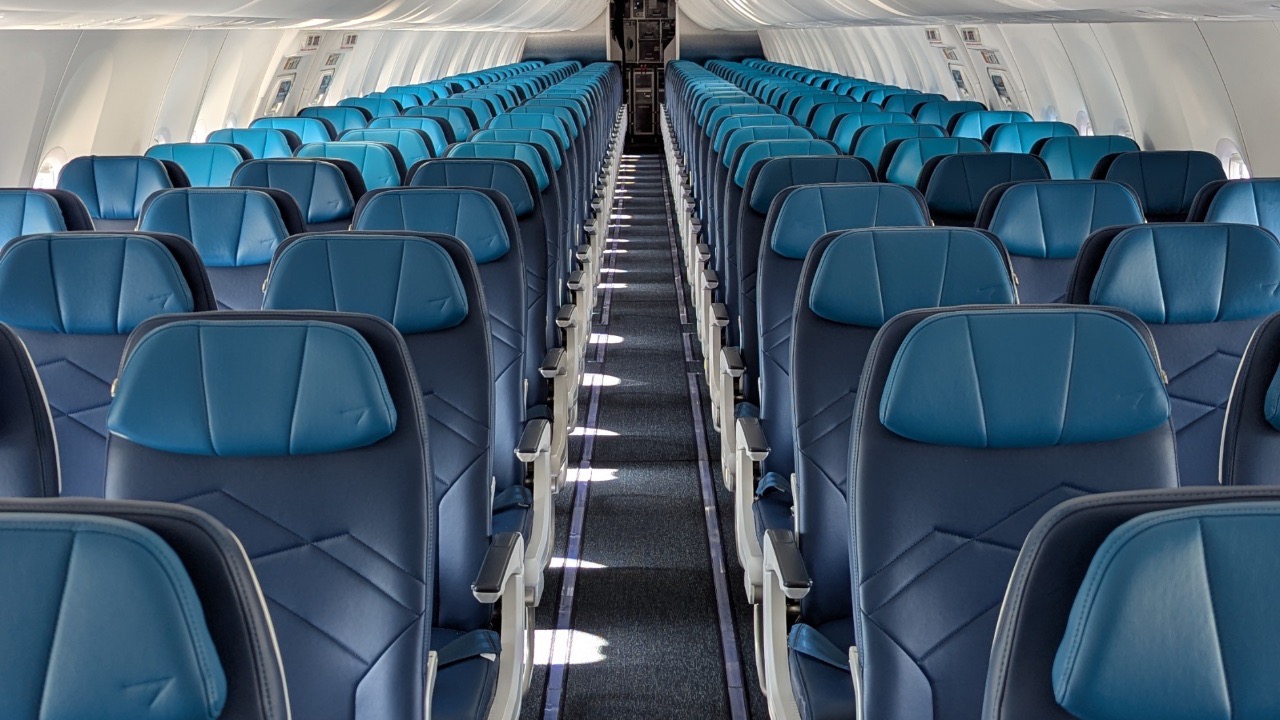
An airline can operate a scheduled flight even when not a single passenger turns up. Whether the aircraft takes off depends on where it needs to be next, the airline’s schedule and the cost of cancelling the service.
Airlines plan their flights around more than passenger bookings. Aircraft must be in the right place for their next departure, crews have assigned duties, and some flights carry cargo or mail that must reach its destination.
An empty flight can still have a good reason to operate, though in some cases a cancellation will make more sense.
Can a commercial flight take off with no passengers?
Yes. There is no minimum passenger occupancy requirement for a commercial airline flight to depart.
An aircraft can operate with no passengers on board, provided it meets the applicable operational and safety requirements. Airlines routinely fly empty aircraft to move them between airports for maintenance, or reposition them for future services. These are called ferry or positioning flights.

A scheduled passenger flight that departs empty may still operate as part of the airline’s published schedule, even though nobody has checked in or boarded.
The airline must still meet flight planning, crew, fuel, weight and balance, and air traffic control requirements.
Why would an airline fly an empty plane?
Sometimes an outbound flight may have lower demand than the return or an onward flight. The same aircraft and crew would serve both legs on the schedule, and cancelling the first leg would disrupt the others.
For example, an aircraft scheduled to fly from London to Paris may have a lot of passengers waiting for the return flight from Paris to London. Even if no one books or shows up for the London–Paris service, cancelling the outbound flight could leave the aircraft in the wrong city and other passengers stranded at the destination.

The airline then faces a choice: fly the aircraft empty to Paris, rearrange its schedule or find another aircraft to operate the return flight.
Flying empty may be the least disruptive option.
These decisions depend on the airline’s network. A carrier operating several daily services between major hubs may have more flexibility than one serving a destination only a few times a week.
Would the airline cancel a flight if nobody booked it?
An airline could cancel a flight that no one has booked, but an empty booking list would not automatically trigger a cancellation.
Airlines monitor demand and booking levels well before departure. If a flight is selling poorly, the airline could reduce fares or consolidate services.

For example, if two flights are scheduled to depart for the same city in a short time frame, they could combine them into a single operation, provided there is enough capacity on the aircraft to accommodate demand on the return leg.
However, flight cancellations cost airlines. An aircraft may have to be repositioned, crews reassigned, and passengers on later services accommodated. Airlines must also consider their airport slot requirements, local operating restrictions for flight times, and the availability of alternate aircraft.
If cancelling the service costs more than operating it, the airline may decide to fly anyway.
What happens if passengers book a flight but nobody checks in?
A flight with no check-ins is different from one with no bookings. Airlines need to establish who is travelling before departure. Passengers who do not check in by the deadline are recorded as no-shows.
Once the airline confirms that nobody is travelling, it can decide whether to operate the service empty or cancel the flight. The same decision factors apply: if the aircraft is needed at the arrival city for the return flight or an onward journey, the airline could operate the empty leg anyway.
If the flight operates, the crew still completes the necessary departure checks and follows the applicable operating procedures.
Could a flight depart with just one passenger?
Yes. A commercial flight can depart with only one paying passenger onboard. Sometimes travellers find themselves flying alone in a cabin designed for hundreds of people. The full crew operates the flight, including the number of cabin crew required by regulations.
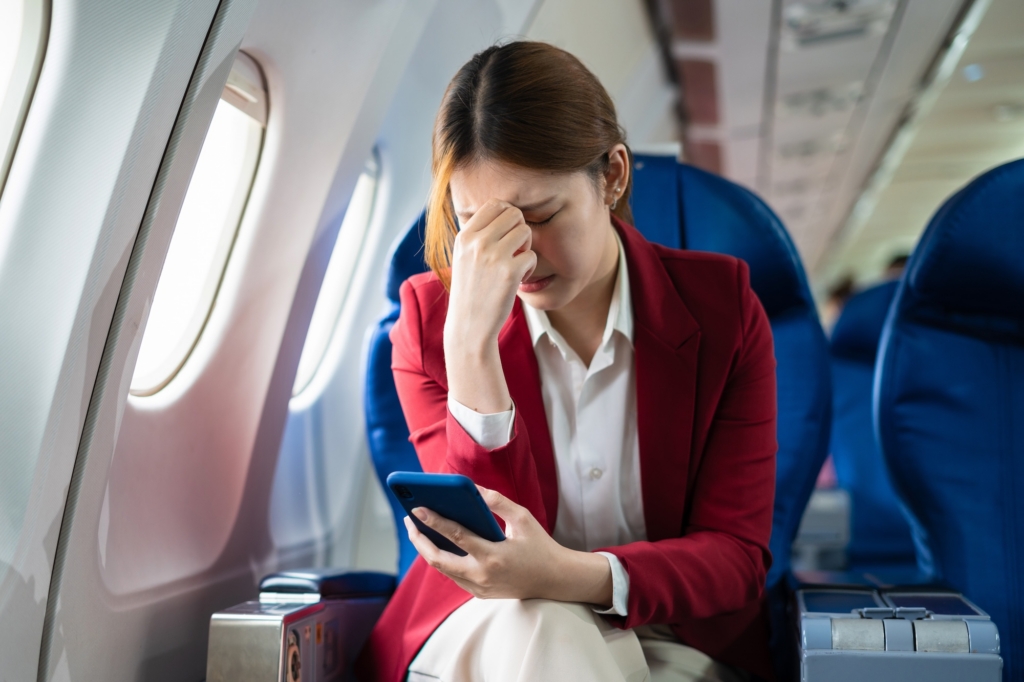
For passengers, the experience may feel a bit like a private jet flight, but the service is still a commercial airline operation.
Travellers must follow the airline’s safety instructions and keep to the seat they paid for. An empty cabin does not automatically entitle someone to move into business or first class, or even to change seats in economy class, without cabin crew permission.
What happens to passengers if the airline cancels the flight?
If a flight has bookings but the airline cancels it because of low demand, affected passengers may be entitled to a refund or alternative transport.
Under EU passenger rights rules, travellers covered by Regulation EC 261/2004 can choose between reimbursement and rerouting when their flight is cancelled.
Additional compensation may be payable depending on when the cancellation is announced and the alternative travel arrangements offered.
The UK Civil Aviation Authority sets out similar protections for flights covered by UK passenger rights legislation.
Rules differ in other countries, so passengers should check which regulations apply to their journey.
Are empty flights the same as ghost flights?
The term “ghost flight” sometimes describes an aircraft operating with very few passengers or none at all. The term has also been used in discussions about airport slot rules, when airlines operate services to keep their access to congested airports. But it’s not an operational classification.
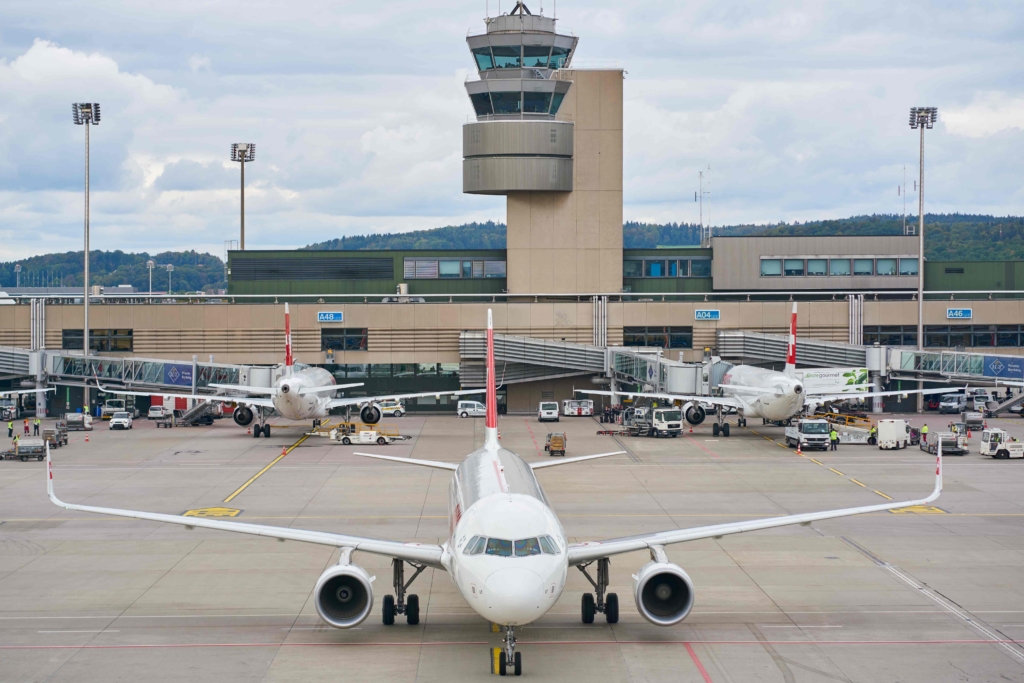
An empty positioning flight may be intended, as airlines may need to move aircraft between airports regardless of passenger demand.
These are often classified as ferry flights—services used to return aircraft to base, deliver them between locations or move them for maintenance. These aircraft movements are a normal part of airline operations.
Is it cheaper for an airline to fly an empty plane?
An empty aircraft generally burns less fuel than the same aircraft carrying a full passenger load, because it weighs less. But flying without passengers is far from free.
The airline still has to pay for fuel, crew, airport services, catering, air navigation charges and other aircraft operation costs.

Cancelling a flight may save some of these expenses. However, if the aircraft needs to reach another airport, the airline may have to operate a positioning flight.
That is why airlines consider the cost of the entire aircraft rotation, not just one departure.
For passengers wondering whether their lightly booked flight will operate, the number of empty seats showing on the airline’s seat map on the booking platform is not a reliable indication.
If you find yourself as the only passenger waiting at the gate, you may have the unique experience of flying solo on a commercial flight. You will likely fly in the seat you booked originally.
For an airline, a flight with no passengers—or just one passenger—can still be worth operating if cancelling it would cause greater disruption or expense elsewhere in its network.
Sign up for our newsletter and get our latest content in your inbox.


More from

October 30, 20264 min read


