Electra’s hybrid-electric EL2 aircraft lands at Manhattan Heliport in a regional aviation milestone

4 min read

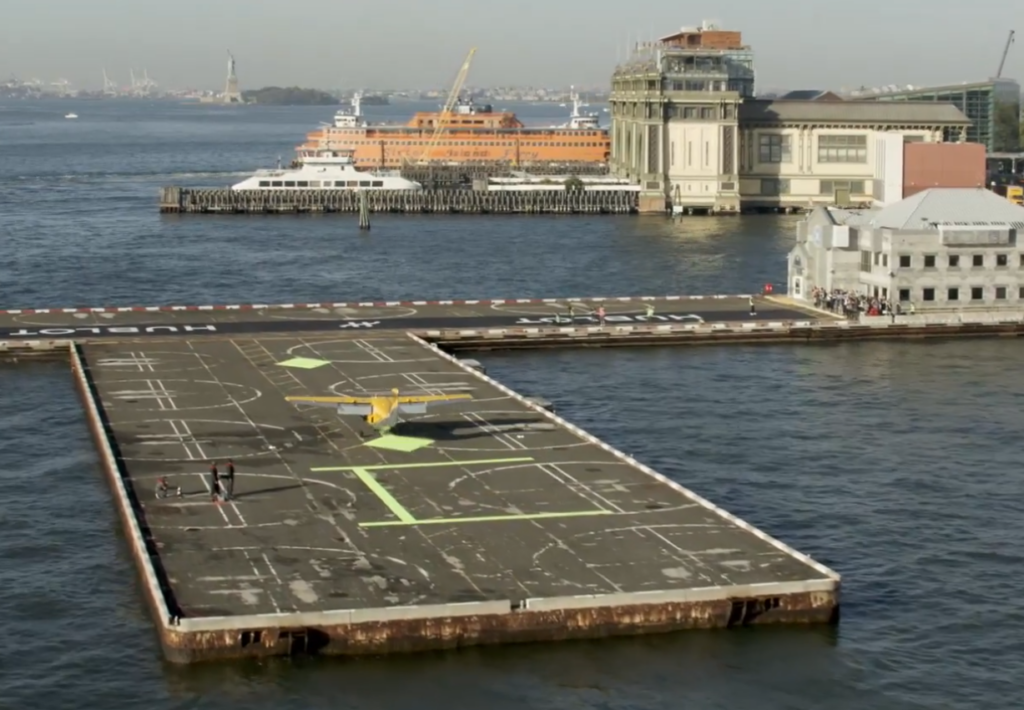
Electra Aero has taken another step toward its vision for airport-independent regional aviation after its EL2 hybrid-electric demonstrator landed and took off from a Lower Manhattan heliport.
The demonstration took place on 26 October at Downtown Skyport, a waterfront facility operated by Skyports Infrastructure.
Electra believes the event marked the first time a conventional fixed-wing aircraft without vertical take-off capability had landed at the heliport.
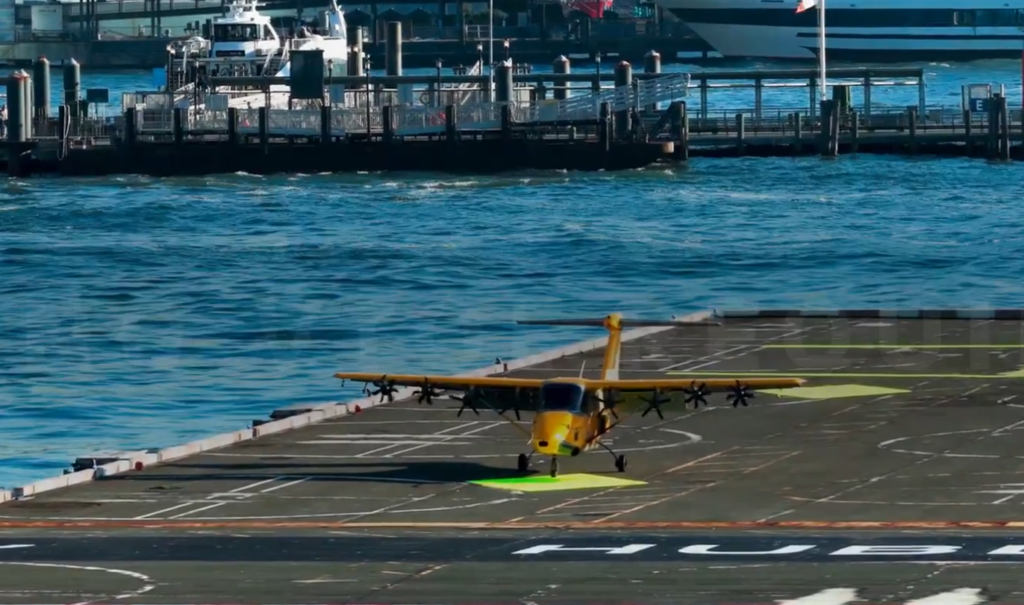
The flight formed part of the company’s Life Beyond Runways programme, which aims to demonstrate how aircraft capable of operating within extremely short distances could open new regional routes without requiring conventional airport runways.
The technology is intended to underpin Electra’s larger EL9, a nine-passenger aircraft the company hopes to introduce into commercial service around 2030.
Blown-lift technology enables ultra-short operations
Electra’s EL2 Goldfinch is a two-seat technology demonstrator designed to test the company’s approach to ultra-short take-off and landing (USTOL).
Its defining feature is blown-lift technology, which directs airflow from electrically driven propellers over the wings and large flaps.
This increases lift at low airspeeds, allowing the aircraft to become airborne after a much shorter ground roll than a conventional aeroplane would require.
Once airborne and established in cruise, the aircraft can retract its flaps and transition to normal fixed-wing flight.
We said where we land next might surprise you. The third era of aviation just landed in Lower Manhattan. ✈️ Electra’s hybrid-electric, fixed-wing Ultra Short aircraft just completed a historic flight demonstration at the Downtown Skyport. No runway required. This latest chapter in Life Beyond Runways shows what becomes possible when an airplane needs just 150 feet to take off and land. Regional flights that reach city centers. Journeys that save hours. Military operations that can reach places conventional aircraft cannot. This is the promise of Direct Aviation – bringing flight closer to the places people need to go. Read more: https://t.co/Il1lRX76z3 #LifeBeyondRunways #Electra #DirectAviation #UltraShort #EL9
— Electra.aero (@ElectraAero) October 26, 2026
Electra’s target for the production-oriented EL9 is a take-off and landing ground roll of approximately 150 feet (46 metres). That could enable operations from suitably prepared heliports and other confined locations that would be unsuitable for most conventional aircraft.
The Manhattan demonstration follows previous appearances by the EL2 at locations including Charleston, South Carolina, Atlantic City, New Jersey, and Snowshoe Mountain Resort in West Virginia.
Electra has also demonstrated operations using helicopter-style instrument procedures at Roanoke-Blacksburg Regional Airport in Virginia, exploring how ultra-short aircraft could integrate with existing aviation infrastructure.
A different approach to regional travel
Electra calls its proposed operating model ‘Direct Aviation’. Rather than concentrating regional services around major airports, the concept envisages flights connecting passengers through a distributed network of smaller departure and arrival points.
Potential locations include heliports, small airfields, waterfront facilities, fields and other suitable sites. The objective is to reduce the time passengers spend travelling to airports and navigating busy terminals.

According to Electra’s own market analysis, its proposed approach could save travellers approximately three hours and 45 minutes on journeys between New York and Boston, three hours and 30 minutes between New York and Washington, D.C., and 45 minutes between New York and Philadelphia.
These figures are company estimates, rather than demonstrated savings from an operating passenger service.
For Downtown Skyport, the demonstration illustrates how existing helicopter facilities might eventually accommodate additional forms of regional transport.
Robbie Ladov, Skyports Infrastructure’s general manager for US heliports and vertiports, said the aircraft could expand the facility’s potential connections beyond conventional helicopter journeys.
Electra chief executive Marc Allen similarly emphasised the possibility of using existing infrastructure instead of constructing new runways.
EL9 development and certification
The EL2 is a technology demonstrator, while the larger EL9 is intended to become Electra’s commercial product.
The planned EL9 will accommodate up to nine passengers and use eight electric motors powered by a hybrid-electric system incorporating batteries and a turbine-driven generator.
The generator is designed to supply electricity during flight and support battery recharging.
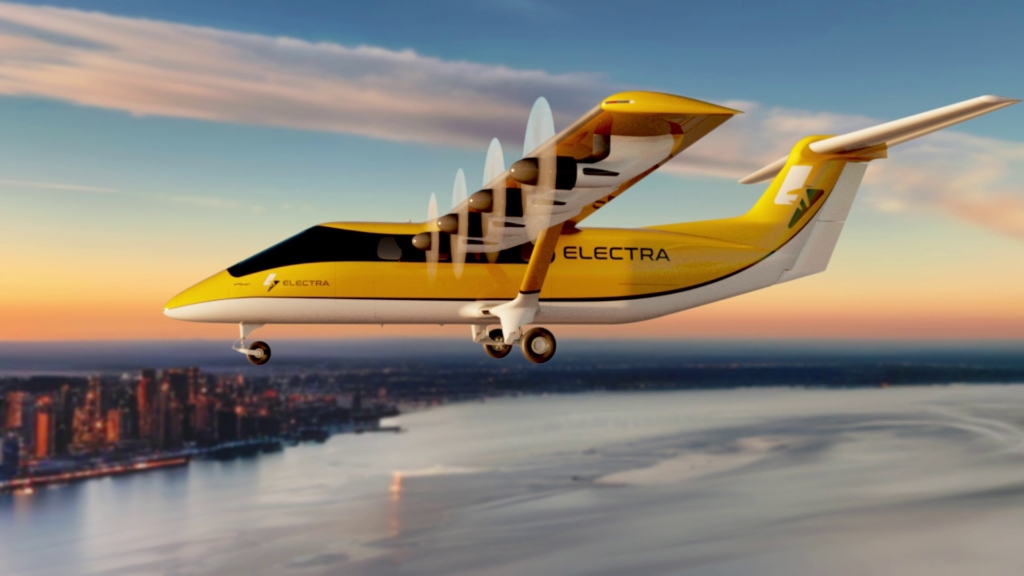
Electra has published a projected cruise speed of 175 knots and a maximum ferry range of 1,100 nautical miles with reserves.
Its certification announcement also describes the aircraft as being designed for routes of up to 330 nautical miles, illustrating the distinction between maximum ferry capability and intended passenger operations.
In July 2026, Electra announced that the US Federal Aviation Administration (FAA) had established the EL9’s certification basis, an important early step in the aircraft’s type-certification programme.
The company is targeting a first flight in late 2027 or early 2028, with commercial entry into service planned for 2030.
Electra reports more than 2,200 letters of intent from over 60 commercial customers, including airlines and helicopter operators. It also has relationships with US government customers, including the Air Force, Army, Navy and NASA.
Demonstration success is only the beginning
Despite the progress, the Manhattan flight does not by itself establish that regular passenger operations from heliports are commercially or operationally ready. The EL9 must still progress through development, testing and certification.
Operators will also need suitable infrastructure, regulatory approvals and viable routes before the concept can become a routine transport option.
Nevertheless, the demonstration highlights an alternative approach to regional aviation: using fixed-wing efficiency while reducing dependence on conventional runways.
If Electra can translate its demonstrator’s performance into a certified passenger aircraft, existing urban heliports and other compact sites could become useful links in a broader regional transport network.