Indian airlines seek emergency funds as Middle East airspace disruption continues

4 min read
Prolonged unrest and airspace closures in and around the Middle East are continuing to disrupt global aviation, as the Federation of Indian Airlines presses the government to accelerate the release of emergency funds.
Ongoing disruption in the Middle East continues to affect global aviation, with airlines delaying the resumption of Gulf services, extending flight suspensions, and taking longer routes to avoid conflict-affected airspace.
Sudden airspace closures are increasing flight times, fuel consumption, and operating costs for carriers, adding to financial pressure on an industry already exposed to volatile fuel prices and currency movements.
Indian Airlines seek release of emergency ECLGS funds
In India, the Federation of Indian Airlines (FIA) has urged the Ministry of Civil Aviation (MoCA) to urgently intervene and speed up the release of emergency credit as the prolonged disruption to West Asian airspace continues to weigh on airline operations.
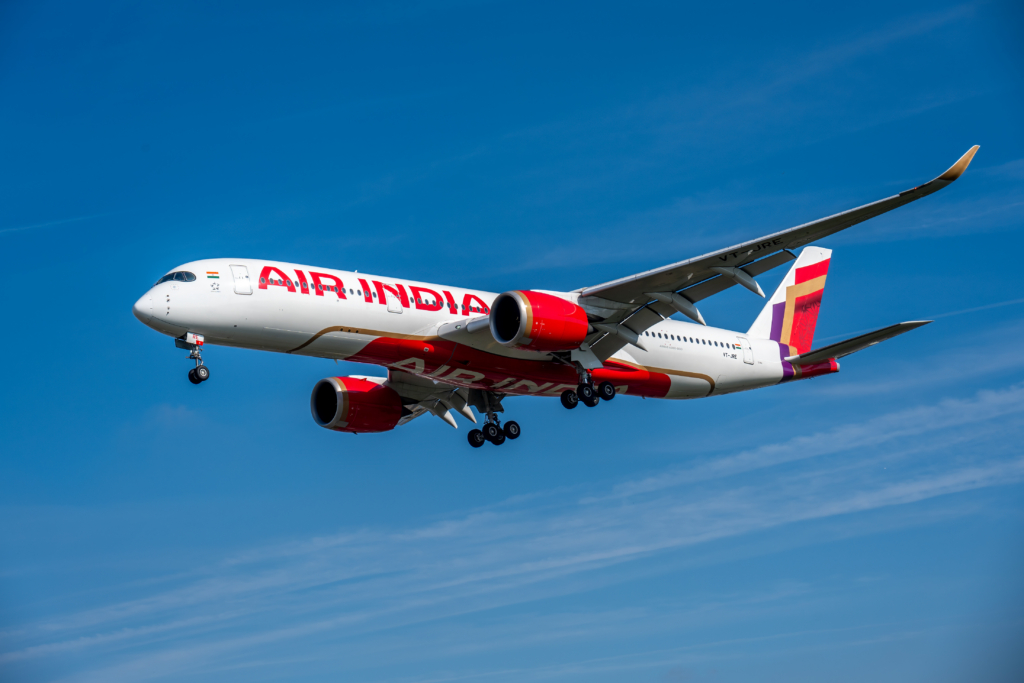
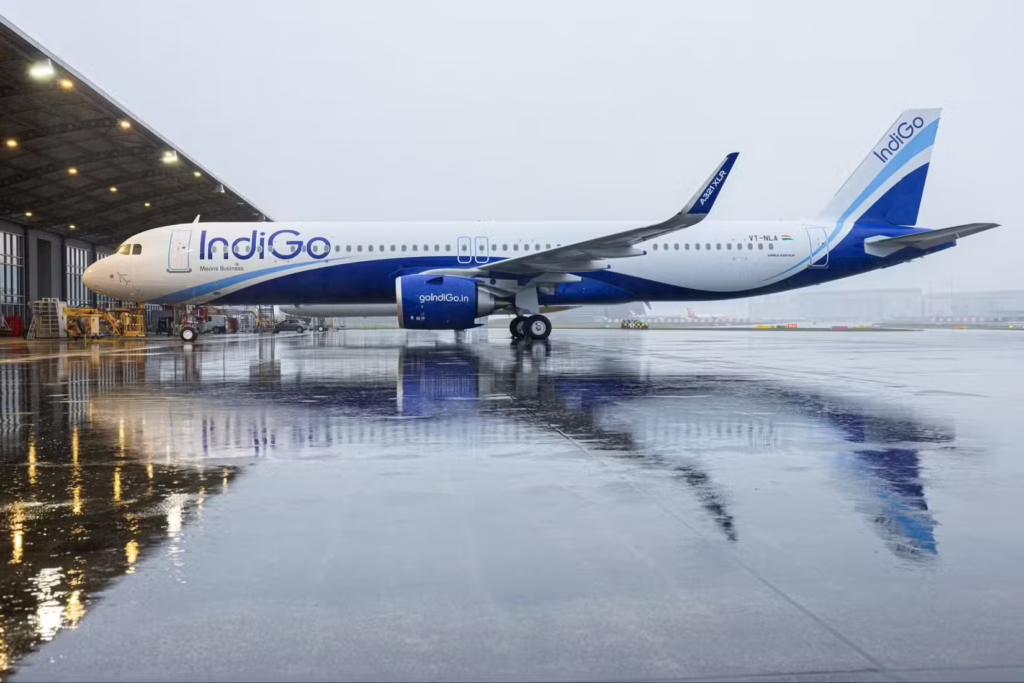
The FIA, which represents Air India, IndiGo and SpiceJet has written to Civil Aviation Minister Ram Mohan Naidu, seeking urgent intervention to speed up the release of funds under the Emergency Credit Line Guarantee Scheme (ECLGS) 5.0.
The federation said airlines were facing unprecedented operational and financial challenges due to airspace restrictions, flight diversions, rupee depreciation, higher operating costs, and a sharp rise in aviation turbine fuel (ATF) prices, according to a report by The Economic Times.
FIA urges faster release of emergency airline funding
The FIA is seeking release of the balance of credit sanctioned under ECLGS 5.0, which the Union Cabinet approved on 5 May 2026.
Under the scheme, eligible airlines can raise additional credit of up to 100% of their outstanding credit between January and March 2026, capped at Rs 1,500 per borrower.
Airlines that applied for the facility have received part of the sanctioned assistance, but release of the balance has been delayed in several cases.
The FIA’s letter said MoCA should “facilitate the timely release of funds under the ECLGS scheme,” particularly for financially vulnerable members, Business Standard reported.
The media outlet also reported that the FIA has called for broader measures to reduce operating costs, including a cost-plus pricing system for domestic ATF, changes to the 11% central excise duty on jet fuel and lower VAT on aviation fuel in more states.
The federation is also seeking to restore and extend a $25 reduction in landing and parking charges for domestic flights.
Middle East airspace restrictions increase airline costs
The financial pressure comes as airlines worldwide continue to contend with the operational consequences of conflict-related airspace restrictions across the region.
Airspace closures and restrictions have forced some Indian carriers to adopt longer routes to Europe and North America, increasing flight times and fuel burn. Fuel is typically one of an airline’s highest costs, so prolonged diversions can quickly add to the cost and complexity of maintaining services and routes.
Airlines continue to delay Gulf and Middle East services
The disruption is not limited to Indian carriers. Airlines worldwide are also delaying their return to the region as operators assess the risks of flying through or near conflict zones and affected airspace.
Hungarian low-cost carrier Wizz Air has postponed the resumption of Abu Dhabi flights from six European airports. The decision followed the European Union Aviation Safety Agency’s (EASA’s) extension of its conflict-zone bulletin covering Iraqi airspace until 16 November.
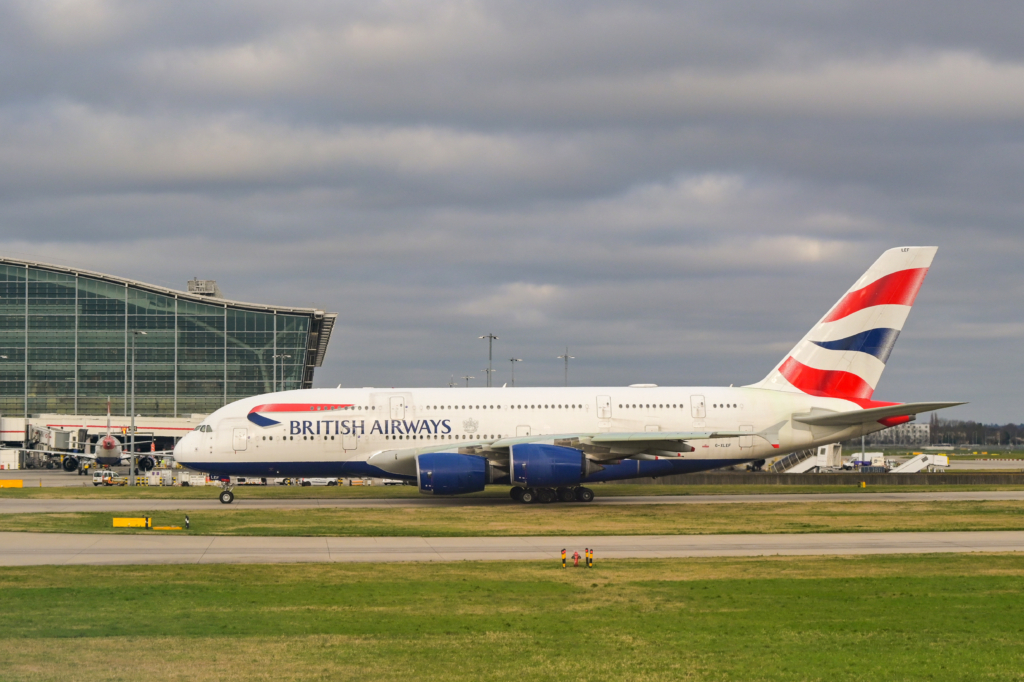
British Airways has also delayed its return to Abu Dhabi until the 2027-28 winter season. Meanwhile, Air Canada has extended its suspension of Dubai services through the end of March 2027, while Cathay Pacific has cancelled flights to Dubai and Riyadh until the end of January.
EASA’s bulletin advises operators to avoid the Baghdad Flight Information Region (FIR), citing continued conflict-related risks, including Iranian drone attacks, air-defence activity and the presence of armed groups.
The agency has also warned airlines operating flights to Saudi Arabia to “exercise caution and take potential risks into account when operating in the remainder of the Jeddah Flight Information Region.”
Avoiding airspace matters for Europe-Middle East operators because longer routes increase flight times, fuel consumption and operating costs.
FIA seeks additional support as disruption continues
For its Indian airline members, the FIA’s latest appeal reflects the growing concern that temporary measures introduced earlier in the year are no longer sufficient to cushion the impact of prolonged disruption across West Asia.
Without further relief, some airlines could be forced to scale back or withdraw from routes that have become commercially unsustainable, potentially weakening Indian carriers when pitted against foreign rivals.