Morocco’s first Lockheed Martin F-16 Block 72 takes maiden flight in the US

4 min read
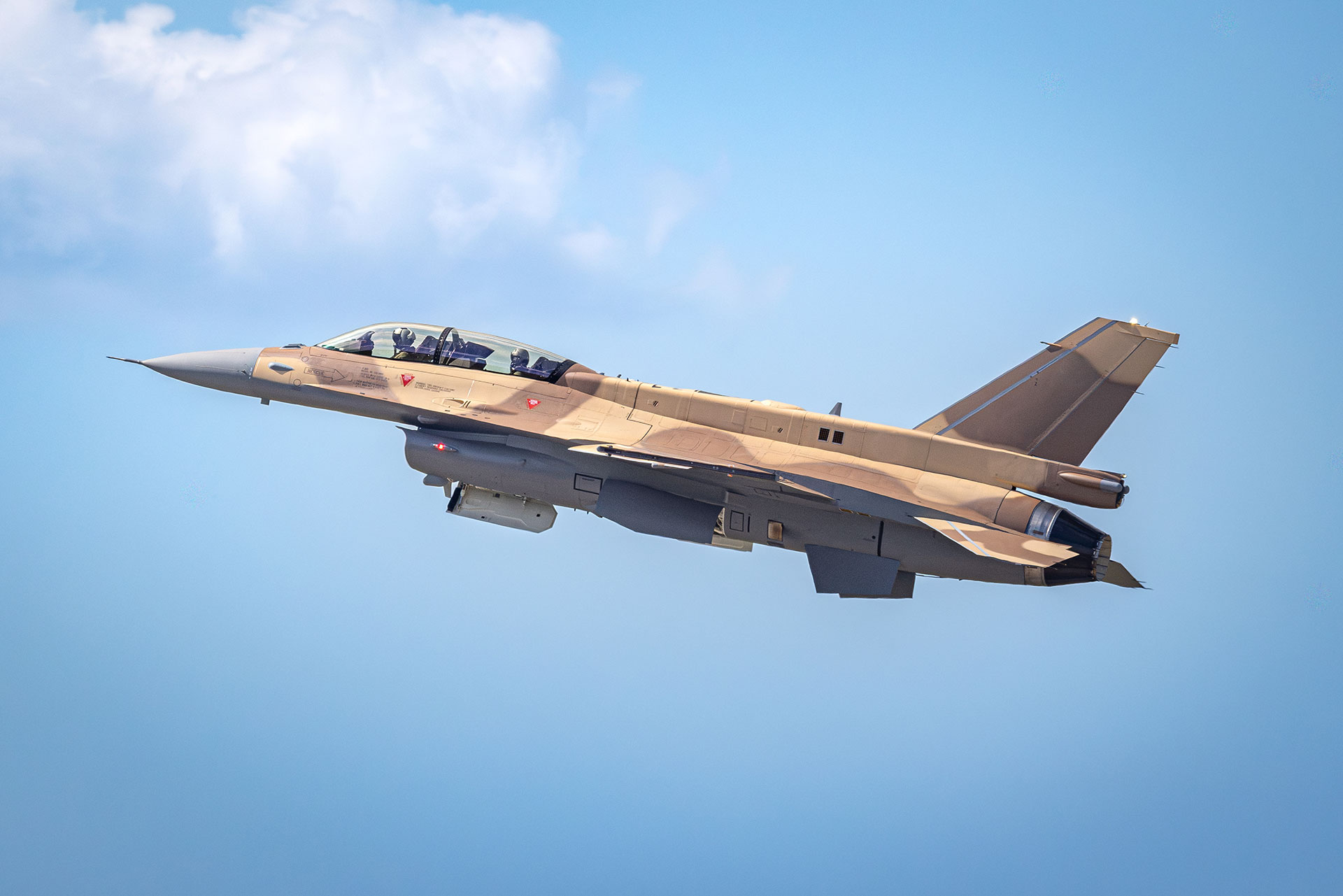
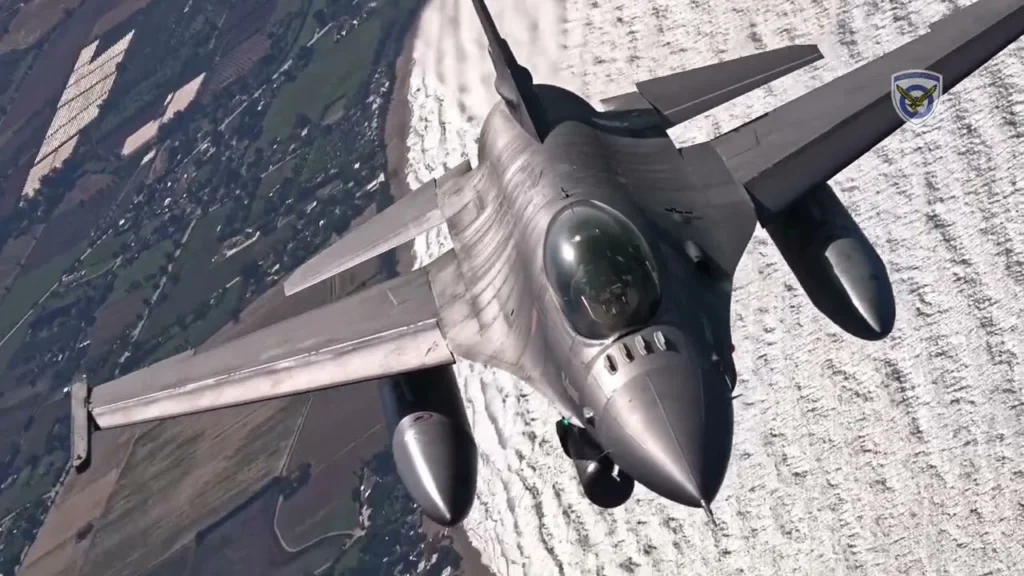
Morocco has reached an important milestone in the modernisation of its air force, with the country’s first F-16 Block 72 fighter completing its maiden flight in the United States.
Lockheed Martin announced the successful flight on 6 October, marking the beginning of flight testing before the aircraft is delivered to the Royal Moroccan Air Force (RMAF).
The event represents the arrival of one of the most advanced versions of the F-16 Fighting Falcon in the RMAF and a significant upgrade in Morocco’s combat-aircraft capabilities.
Morocco’s first F-16 Block 72 completes maiden flight
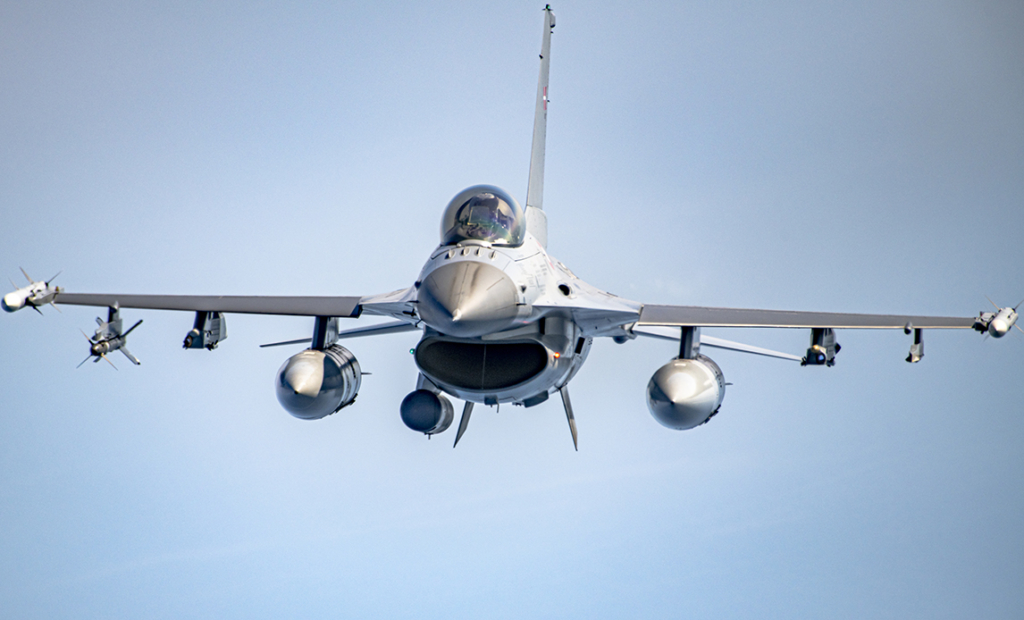
The F-16 Block 72 is the latest and most advanced production version of the F-16 Fighting Falcon. Although the aircraft retains the familiar shape and basic design that have made the F-16 one of the world’s most successful fighter jets, the Block 72 incorporates a substantially modernised electronic and mission-systems architecture.
At its heart is the APG-83 Active Electronically Scanned Array (AESA) radar, which provides improved detection, tracking and targeting capabilities compared with older mechanically scanned radars.
The aircraft also features modern mission computers, improved avionics, advanced electronic-warfare systems and enhanced communications and networking capabilities.
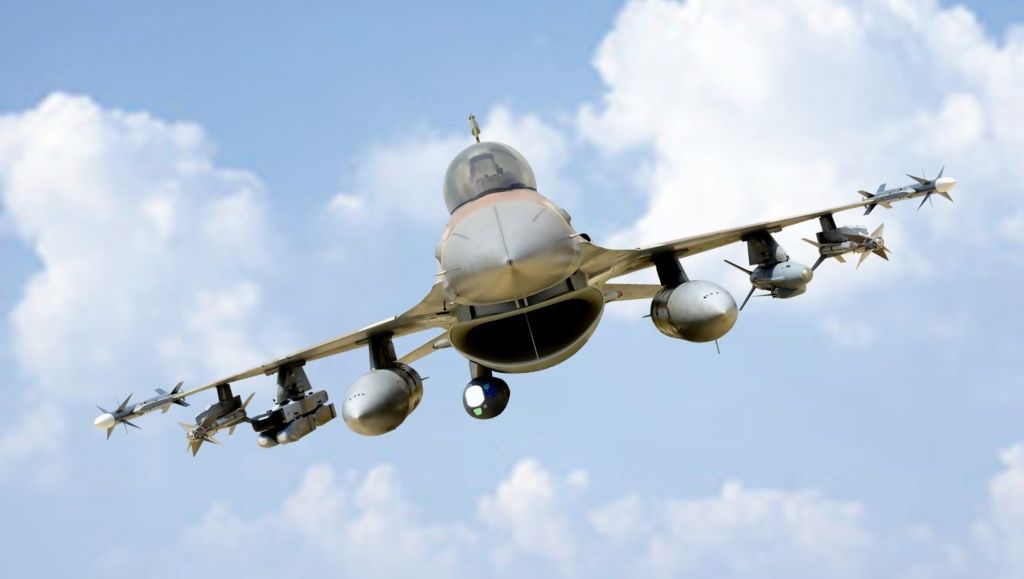
Morocco’s planned aircraft are also equipped with Link 16, allowing compatible aircraft and other forces to exchange tactical information over a secure network.
This is increasingly important in modern air operations, where a fighter’s effectiveness depends not only on its own sensors and weapons but also on how well it can share information with other aircraft, ground forces and command systems.
The result is an F-16 that is considerably more capable than earlier generations while retaining the platform’s well-established operational characteristics, support infrastructure and training ecosystem.
Morocco’s $3.8 billion F-16 modernisation programme
Morocco’s move toward the Block 72 began in 2019, when the US approved a potential sale of 25 F-16C/D Block 72 aircraft and associated equipment, in a package estimated at $3.787 billion.
The proposed package included APG-83 AESA radars, mission computers, Link 16 systems, navigation equipment, helmet-mounted cueing systems and a range of weapons and support equipment.
The same modernisation effort also included plans to upgrade Morocco’s existing F-16 fleet, bringing older aircraft closer to the F-16V standard. That approach is strategically important. Rather than introducing an entirely different fighter type, Morocco is expanding and modernising a capability it already operates.
The Royal Moroccan Air Force first selected the F-16 in the late 2000s, with Lockheed Martin receiving a contract in 2008 to produce 24 F-16 Block 52 aircraft for the country. The arrival of the Block 72 therefore builds on an established relationship between Morocco, the F-16 and the US.
What capabilities does the F-16 Block 72 bring to Morocco?
For Morocco, the importance of the new aircraft goes well beyond the number of fighters being added to the fleet. The Block 72 provides a major improvement in situational awareness. Modern AESA radar and upgraded sensors allow pilots to detect, track, and engage threats more effectively while operating in increasingly complex air environments.
Additionally, the aircraft strengthens Morocco’s ability to conduct a broad range of missions. The F-16 is designed as a multirole fighter, capable of performing air-to-air and air-to-ground missions.
The equipment included in Morocco’s acquisition package supports both roles, giving the RMAF greater flexibility.

F-16 Block 72 interoperability with US and allied forces
The aircraft also improves interoperability with the US and other partner nations. Link 16 and other standardised systems allow Moroccan F-16s to operate more effectively alongside allied forces during exercises or coalition operations.
The US Defence Security Cooperation Agency specifically highlighted improved interoperability and Morocco’s ability to participate in coalition operations when announcing the proposed sale.
That is particularly relevant because Morocco has previously participated in international coalition operations, including missions against Islamic State forces in Syria and Iraq.
Morocco expands aircraft maintenance and MRO ambitions
The Block 72 program also fits into a wider effort to strengthen Morocco’s defence-industrial capabilities.
Lockheed Martin says its relationship with Morocco stretches back more than five decades, beginning with the delivery of C-130H Hercules aircraft in 1974. Today, Morocco operates a range of US-origin systems, including F-16s, C-130s and Black Hawk helicopters.
/i
The company is also supporting Morocco’s ambitions to develop a regional aircraft maintenance, repair and overhaul capability.
A planned MRO facility at Benslimane, covering more than 8,000 square metres, is intended initially to support C-130 aircraft, with plans to expand its capabilities to platforms including the F-16.
That could eventually give Morocco greater domestic expertise in maintaining and modernising its combat-aircraft fleet.
When will Morocco receive its first F-16Block 72 fighters?
The first flight of Morocco’s F-16 Block 72 therefore marks an important milestone and the beginning of the next phase of the programme. The aircraft must still complete flight testing before its first delivery.
For the RMAF, however, the direction is clear. The Block 72 combines a proven fighter design with modern radar, avionics, networking and mission systems, giving Morocco a more capable and better-connected combat aircraft for the coming decades./i
The F-16 has already established itself as a central element of Morocco’s fighter force. The Block 72 takes that foundation and gives it a new technological edge.
As the first Moroccan aircraft moves through testing toward delivery, the significance of the program is becoming increasingly visible. Morocco is not simply adding another fighter to its inventory. It is investing in a modern air-combat capability designed to remain relevant well into the future.