NASA develops humanoid robots that could work alongside astronauts on the Moon and Mars

5 min read
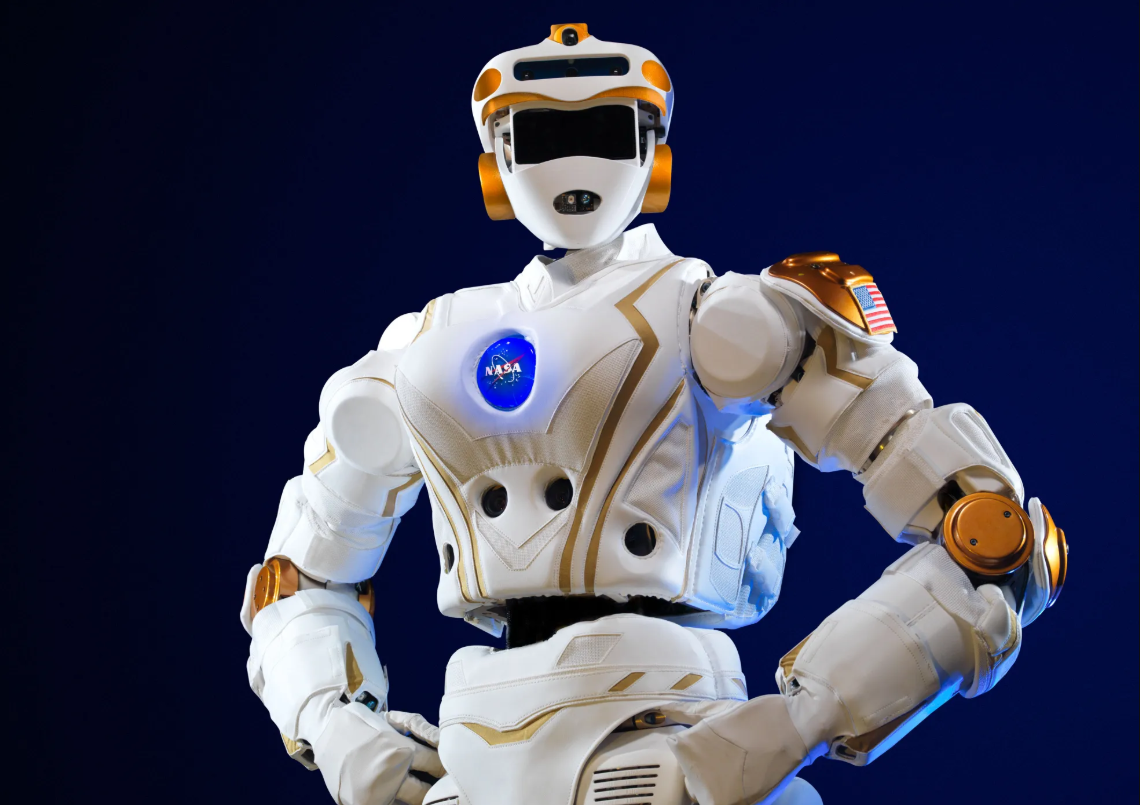
NASA is looking to a future where astronauts exploring the Moon and Mars may have unconventional companions: humanoid robots designed to work alongside them.
The agency has spent decades developing robotic systems capable of operating in dangerous and difficult environments. Now, advances in artificial intelligence, mobility, and robotic manipulation are opening the door to machines that could carry out tasks designed for human workers.
The idea is not necessarily to replace astronauts. Instead, robots could take on hazardous, repetitive or physically demanding jobs, allowing humans to concentrate on science, exploration, and more complex decisions.
How humanoid robots could help astronauts on the Moon
A major advantage of a human-shaped robot is that it could potentially use equipment and workspaces designed for people.
Instead of creating an entirely new set of tools and machinery for every robotic system, a humanoid machine could be designed to handle objects, operate controls, and move through environments built around human dimensions.
That could prove particularly valuable on future lunar bases, where astronauts may need to perform construction, maintenance and scientific work in challenging conditions.
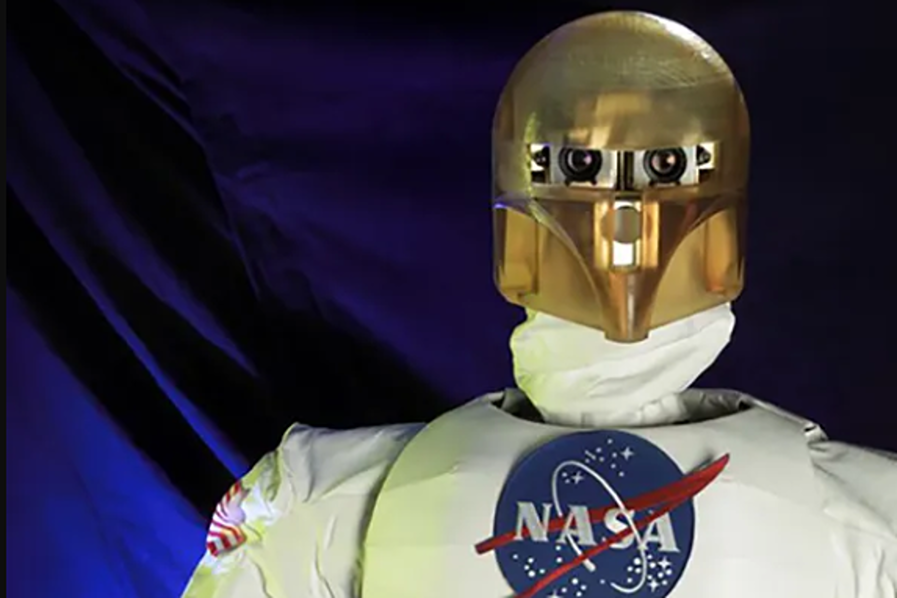
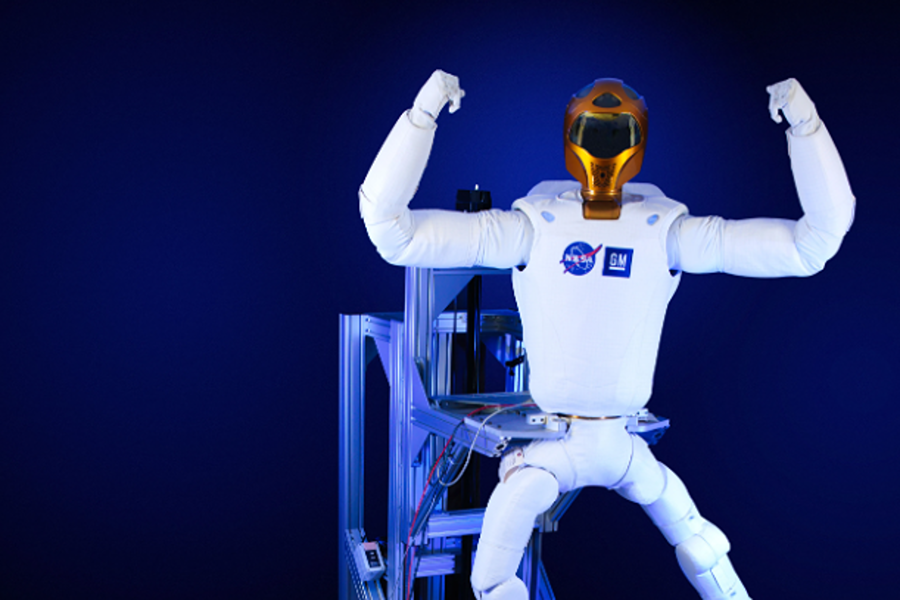
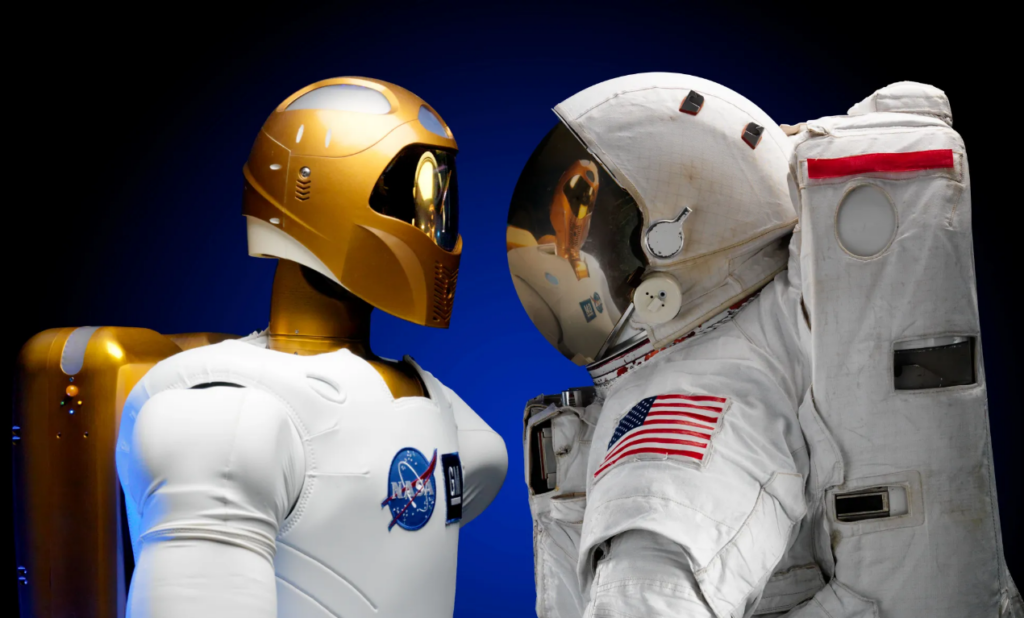
NASA has already explored this concept through projects such as Robonaut, a humanoid robotic system developed to help humans carry out work in space.
The agency says robots could perform tasks alongside people or enter locations where the risks are too great for astronauts.
Robots could take on hazardous tasks in extreme environments
Space exploration comes with hazards that do not always justify putting a human crew member in harm’s way.
On the Moon, astronauts face extreme temperatures, radiation, abrasive lunar dust, and difficult terrain. Mars presents its own challenges, including a thin atmosphere, severe cold, and long communication delays with Earth.
Robots could be sent ahead to investigate dangerous locations, move equipment, or prepare work areas before astronauts arrive. NASA is already developing autonomous robotic systems intended to explore difficult environments.
Its CADRE project, for example, involves multiple small robots working together to investigate the lunar surface and demonstrate how robots can operate with limited human intervention.
Building a robotic workforce for future lunar bases
NASA’s long-term plans for the Moon involve more than simply landing astronauts and bringing them home. The agency is working towards sustained lunar exploration, including infrastructure that could support increasingly complex missions.
That creates a potential role for robots capable of assembling structures, transporting equipment, and carrying out maintenance.
NASA has studied autonomous robotic construction concepts that could help build future lunar infrastructure, including habitats, communications systems and other surface assets with limited human involvement.
Such machines could potentially prepare parts of a lunar outpost before astronauts arrive, reducing the amount of construction and preparation required from a human crew.
The technology could also prepare humans for Mars. The Moon is expected to play an important role in testing technologies needed for eventual human missions to Mars.
NASA’s Moon-to-Mars strategy includes developing systems that can help astronauts live and work away from Earth for increasingly long periods. Robotic assistants could become part of that infrastructure.
On Mars, the benefits could be even greater. A robot able to travel into hazardous terrain, inspect equipment, or carry supplies could reduce the number of dangerous tasks astronauts need to undertake themselves.
Artificial intelligence is critical to future space robotics
Making a humanoid robot is only part of the challenge. For these machines to be genuinely useful away from Earth, they will need to understand their surroundings, plan actions, and respond when conditions change.
That is particularly important because astronauts on Mars cannot expect instructions from Earth to arrive instantly. A useful robotic assistant would need enough autonomy to make decisions locally rather than waiting for every command.
NASA has been testing AI-enabled robotic teams to determine whether machines can adapt their activities as they encounter new information.
Humans and robots working together in space
The most realistic vision is not a future where robots simply replace astronauts. Instead, NASA’s robotic research points towards teams in which humans and machines have different roles.
Astronauts could make high-level decisions, conduct scientific investigations and handle tasks requiring human judgement, while robots could provide additional physical strength, operate in hazardous areas and perform repetitive work.
That combination could become increasingly important as missions move farther from Earth.
The Moon could be the proving ground for this process. NASA’s Artemis programme is intended to expand human exploration of the Moon and help develop the technologies required for longer-term exploration.
The agency’s human landing systems and surface technologies are being developed to support a sustained human presence on and around the Moon.
If humanoid robots become capable enough, future lunar missions could provide an important testing ground. A robot that can safely work alongside astronauts on the Moon would demonstrate capabilities that could later be adapted for the much more demanding journey to Mars.
Could humanoid robots become part of future Moon and Mars missions?
Humanoid robots may still have a long way to go before they become regular members of a space mission. They must be reliable, energy-efficient, resistant to radiation and extreme environments, and capable of recovering from unexpected problems. Their software and artificial intelligence will also need to be extremely dependable.
NASA’s robotics programmes show that autonomous and semi-autonomous machines are becoming an increasingly important part of the agency’s long-term exploration ambitions. Future astronauts exploring the Moon, and potentially Mars, may not work alone.
Alongside them could be robotic partners capable of carrying equipment, building infrastructure, investigating dangerous terrain and helping humans push farther into the solar system.