How do helicopters fly forwards, backwards and sideways?

3 min read
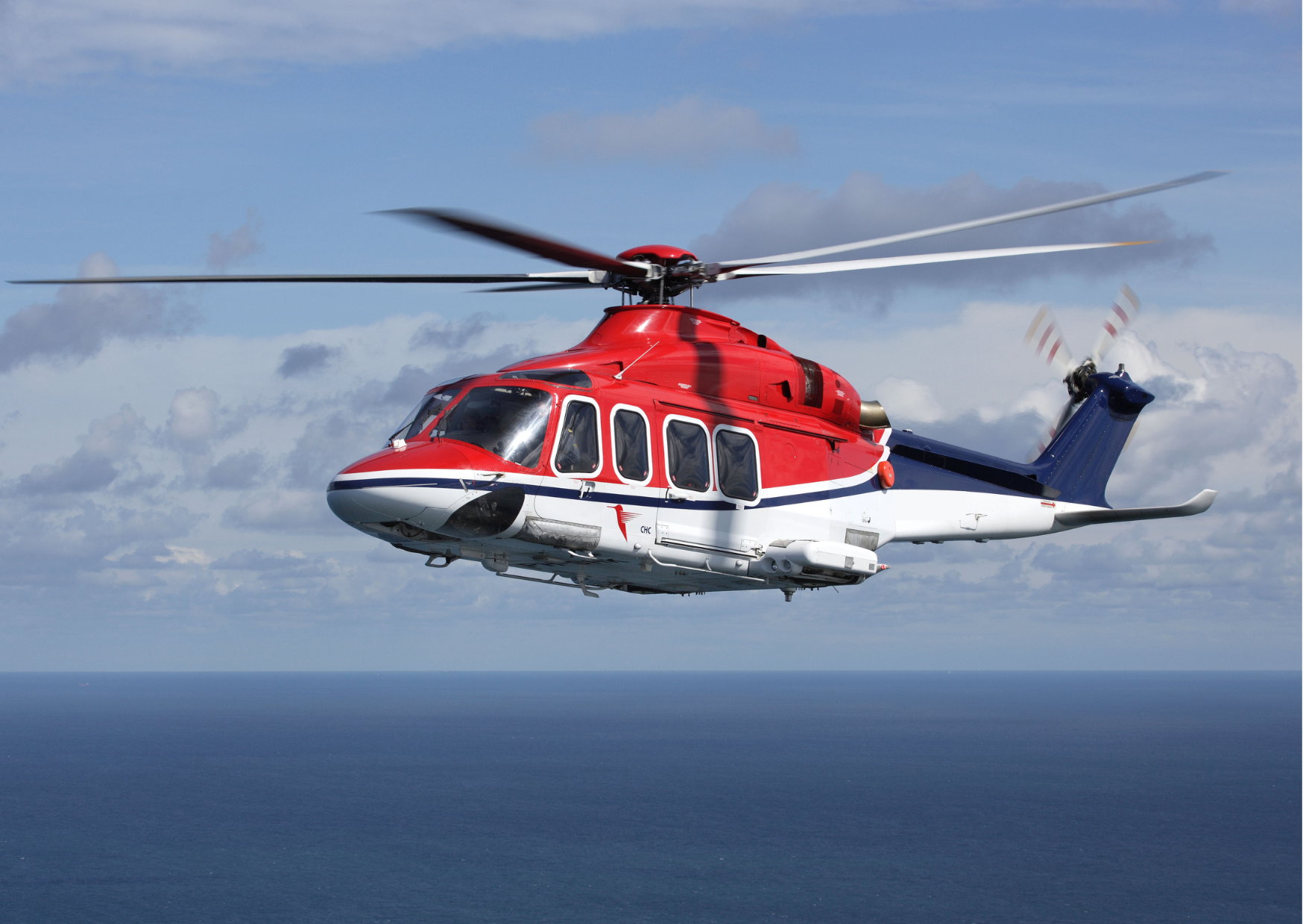
One of the most impressive things about helicopters is how easily they can move in different directions. They can lift straight off the ground, hover, fly forwards, move backwards and even travel sideways. But how do they do it?
The answer lies in the main rotor and the way the pilot changes the pitch, or angle, of its blades.
How do helicopter rotor blades produce lift?
A helicopter’s main rotor has several long blades that spin above the aircraft. Like aeroplane wings, they create lift as they move through the air. The difference is that wings on an aeroplane normally move forwards, while helicopter blades travel in a circle.
Changing the blades’ pitch changes how they meet the airflow and affects the lift they produce.
The pilot controls this mainly with the collective and cyclic. The collective changes the pitch of all the main rotor blades together. Raising it normally increases lift, allowing the helicopter to climb, while lowering it reduces lift and allows it to descend.
The cyclic works differently. It changes blade pitch at different points during each rotation, tilting the rotor disc. This is the area traced by the spinning blades.
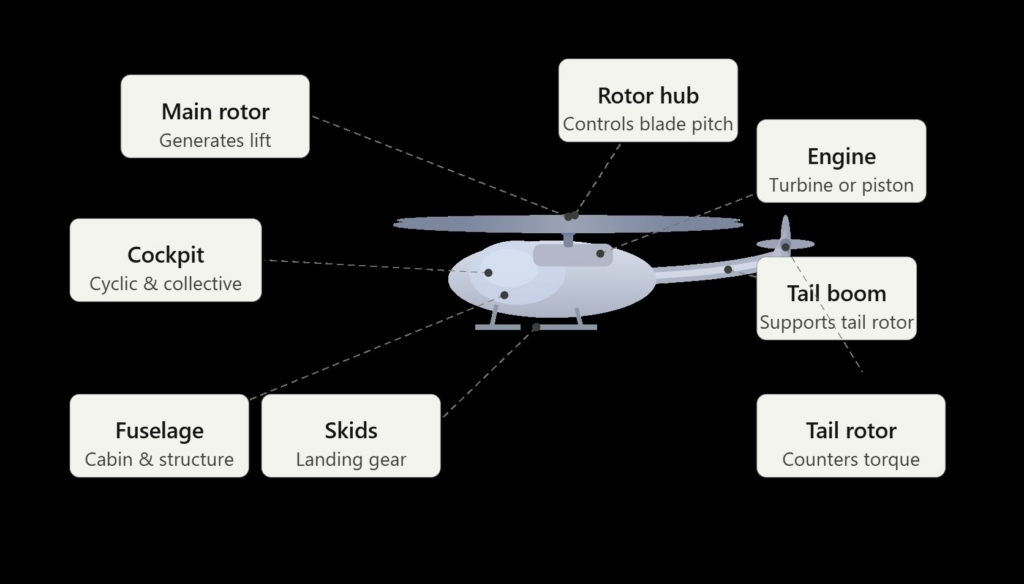
Together, these controls mean that the pilot can change both the amount of lift produced and the direction of that force.
How does a helicopter fly forwards?
Pushing the cyclic forwards tilts the rotor disc forwards, directing some of the rotor’s force ahead of the helicopter. It then accelerates forwards, with the pilot making small adjustments to maintain the desired speed and attitude.
How does it fly backwards?
Pulling the cyclic backwards tilts the rotor disc backwards, creating a backwards component of force.
Flying backwards is usually limited to relatively low speeds because the pilot must be particularly careful about what is happening behind the aircraft. There can also be aerodynamic and handling limitations as speed increases.
Can helicopters fly sideways?
Yes, absolutely. Moving the cyclic left or right tilts the rotor disc in that direction, directing some of the rotor’s force sideways.
This makes helicopters useful for specialist jobs where precise movement is important, such as landing in confined areas, operating around ships or positioning an aircraft during search-and-rescue work.
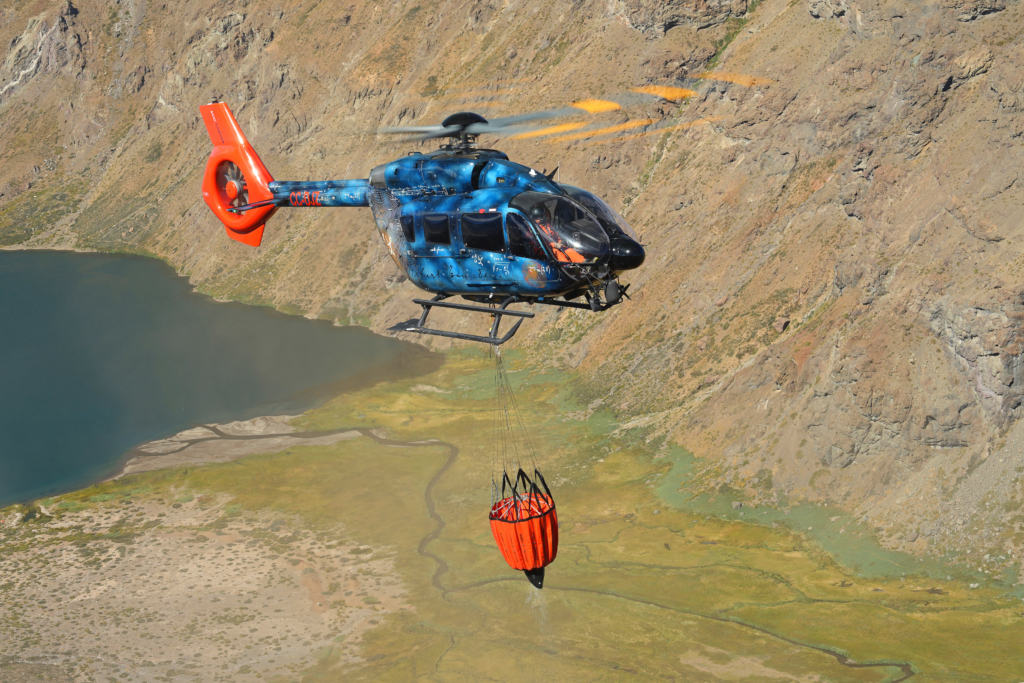
How do helicopter controls keep the aircraft stable?
When the main rotor spins, it creates torque that tends to rotate the helicopter’s body in the opposite direction. In a conventional helicopter, the tail rotor counters this effect.
The pilot can change the tail rotor’s thrust to turn the helicopter’s nose left or right (this movement is called yaw).
The tail rotor therefore has a different role from the main rotor. The main rotor provides lift and controls movement through the air, while the tail rotor counters torque and controls yaw.
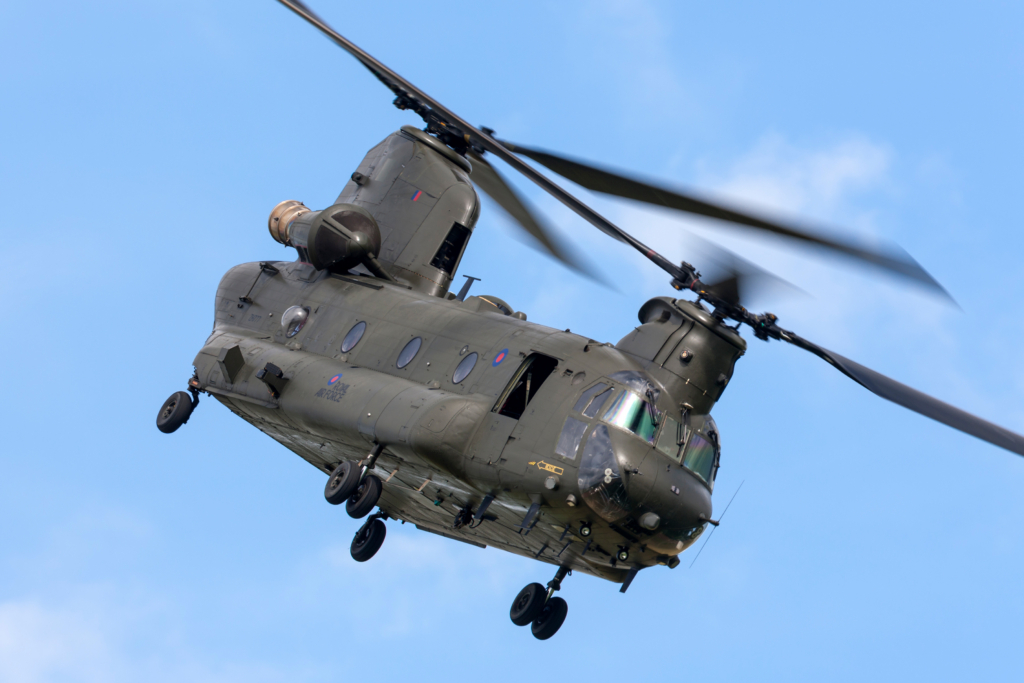
Not every helicopter uses a traditional tail rotor. For example, the Boeing CH-47F Chinook has two main rotors mounted one behind the other. They rotate in opposite directions, cancelling out their torque forces.
The Sikorsky X2 used two coaxial main rotors mounted on the same shaft and rotating in opposite directions. Helicopters such as the MD 520N and MD 902 Explorer use MD Helicopters’ NOTAR system instead of a conventional tail rotor to provide anti-torque and directional control.
Do helicopters experience turbulence?
Yes. Like any aircraft, helicopters can experience turbulence caused by changes in wind, warm air, mountains, buildings and other obstacles. This can make the helicopter shake, rise or drop unexpectedly.
Because helicopters often fly at lower altitudes, they can also encounter turbulence near the ground when wind passes over buildings, trees, hills or uneven ground.
Pilots are trained to spot these conditions and make smooth adjustments to speed, height and attitude. With experience, they can anticipate changes in airflow and help keep the helicopter steady and under control.