


NASA picks three experiments to tackle the hazards of living on the Moon

6 min read
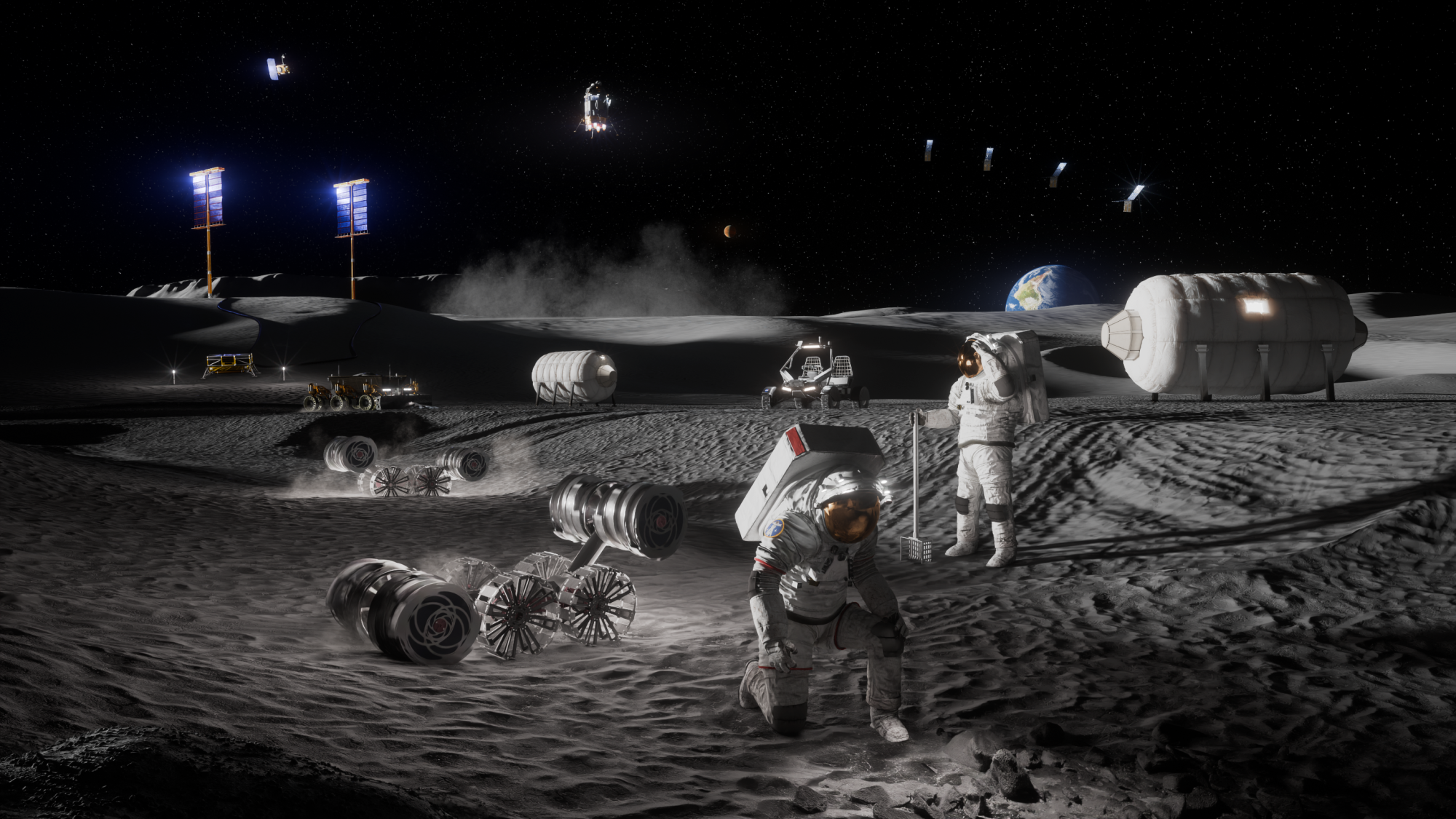
NASA has selected three new experiments to find ice, investigate a possible underground lava tube and measure environmental hazards on the Moon as it prepares for astronauts to eventually live and work there for extended periods.
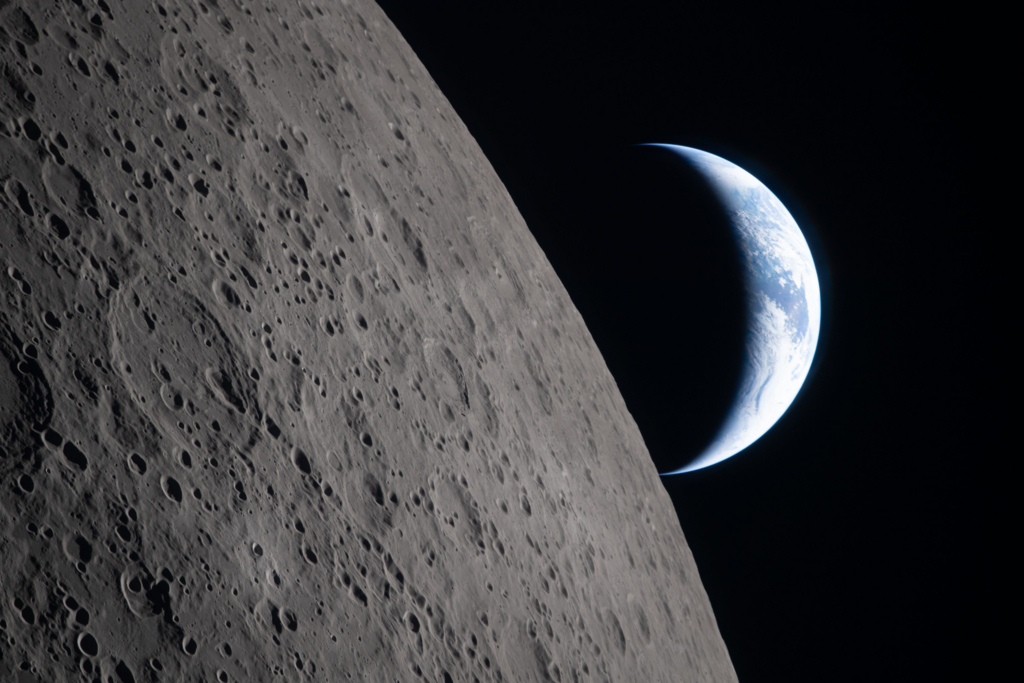
The investigations will be delivered to the lunar surface through NASA’s Commercial Lunar Payload Services programme.
They are intended to answer some of the practical questions that come with establishing a long-term presence on the Moon, where useful resources can be found, whether natural shelter exists below the surface and what conditions equipment and crews will face.
The three investigations were selected through NASA’s Payloads and Research Investigations on the Surface of the Moon, or PRISM, programme.
“NASA Science is building the ultimate interplanetary survival guide to ensure that science goes first to the lunar surface to provide our future astronaut crews with the vital information, resources, and safety precautions needed ahead of time to survive the night on the Moon,” said Nicky Fox, associate administrator of NASA’s Science Mission Directorate.
Fox said the work would help reduce risks as NASA prepares its first lunar outpost and develops experience that could eventually be applied to human missions to Mars.
NASA will look for ice in some of the Moon’s coldest places
The Depth Imager with Spectral and Color Optics, or DISCO, will search for ice in small areas known as micro-cold traps.
These are places where temperatures remain low enough for ice to survive. NASA wants to determine where the ice is located and how much is present.
Water is important to plans for a sustained lunar presence because it could reduce the amount that has to be carried from Earth. Ice could eventually provide water for astronauts and potentially be processed for other uses.
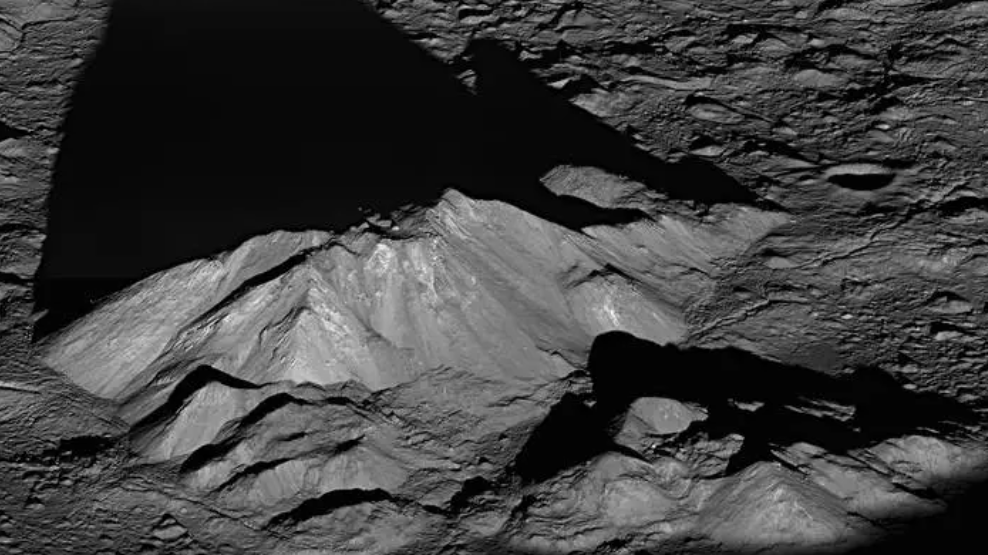
NASA’s plans are focused heavily on the lunar South Pole, where permanently shadowed craters are believed to contain water ice. Some elevated areas in the region also receive long periods of sunlight, making the area attractive for future power generation and surface operations.
DISCO will do more than search for ice. It will examine how stable the lunar surface is for vehicles and other activities and study what happens when rocket exhaust strikes the soil during landings and departures.
That is an important problem if spacecraft are going to land regularly near a future base. Rocket exhaust can disturb the surface and throw dust and debris towards nearby vehicles, solar arrays, habitats and scientific equipment. NASA has been studying ways to separate landing areas from other infrastructure and eventually prepare landing surfaces for more frequent operations.
DISCO is led by Ariel Deutsch of NASA’s Ames Research Center in California.
A look inside a possible lunar lava tube
The second investigation will look below the Moon’s surface.
The Geophysical Investigation for Mapping Lunar Interior, or GIMLI, will be sent to the Marius Hills Pit. It will use geophysical measurements to determine whether the pit opens into a larger underground lava tube.
Such tubes are cavities left behind by ancient volcanic activity. If a large underground structure exists at Marius Hills, NASA says it could help scientists understand whether similar locations might one day provide natural protection for astronauts and equipment.
The lunar surface offers little protection from radiation and micrometeoroids and experiences large temperature changes. An underground location could provide a more stable environment, although GIMLI’s immediate task is to establish what actually lies beneath the pit.
The investigation is led by Nathaniel Putzig of the Planetary Science Institute.
Watching the environment around the South Pole
The third investigation will be positioned near the lunar South Pole and will monitor conditions that could affect future surface operations.
The Lunar Environment Monitoring Station-South Pole, or LEMS-SP, will measure seismic activity, micrometeoroids and volatile materials.
A short-period seismometer will record moonquakes and other seismic events. The station will also measure micrometeoroids reaching the surface and monitor volatile material moving through the Moon’s extremely thin exosphere.
The measurements could provide engineers with a better understanding of the environment in which habitats, vehicles and other equipment would have to operate.
LEMS-SP is led by Mehdi Benna of the University of Maryland, Baltimore County.
The latest selections are part of a much broader NASA effort to build up capabilities on the Moon before astronauts begin sustained surface operations.
AGN reported in May that NASA was planning a phased Moon Base programme built around robotic landers, autonomous vehicles, cargo missions and eventually semi-permanent habitats. The agency’s first missions are intended to test equipment and gather operational information before crews have to depend on it.
NASA has said the first phase will involve more than a dozen Moon Base missions, with commercial companies playing a major role in delivering equipment and experiments. Much of that work is being carried out through CLPS, under which NASA buys lunar delivery services rather than developing every lander itself.
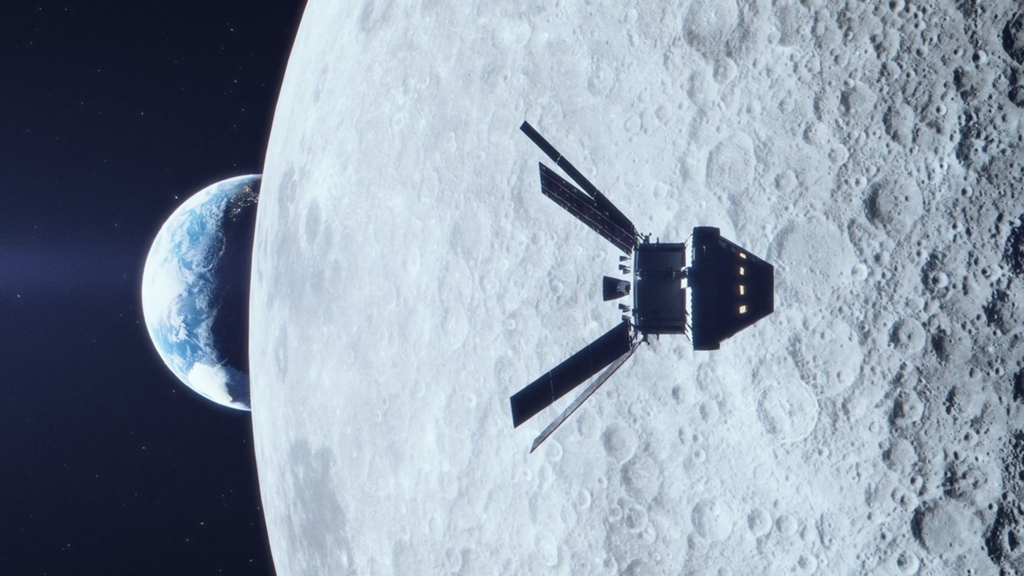
The infrastructure needed for a permanent presence goes well beyond landers and habitats. Communications and navigation networks, power generation, landing areas, cargo systems, surface vehicles and construction equipment will all be required. Much of it will also have to operate without astronauts present for long periods.
That helps explain why NASA is sending smaller science and technology experiments ahead of crews. They can provide information on the terrain, resources and environment before larger infrastructure is put in place.
Making what astronauts need on the Moon
NASA is also looking at another part of the same problem: how to avoid carrying every tool, replacement part and piece of equipment from Earth.
Researchers at NASA’s Glenn Research Center in Cleveland have developed a material by mixing a biodegradable plastic with simulated Moon and Mars dust. The plastic could potentially be produced by bacteria fed with crew waste or carbon dioxide.
Tests found that adding simulated lunar and Martian dust made the plastic stronger and easier to process. Researchers were also able to change its properties by varying the type and amount of dust used.
NASA says the material could eventually be used to make items such as structural brackets, wrenches or chairs inside lunar and Martian habitats. The idea is straightforward: if something breaks, crews could manufacture a replacement using material available locally instead of waiting for another launch from Earth.
“You can’t just bring everything with you to the Moon or Mars,” said NASA research chemical engineer Allison Christy. “If something breaks, you have to find a way to fix it with what you have.”
The material is now being tested at Glenn to see how it performs under extreme temperatures. Samples are also scheduled to fly on the Materials International Space Station Experiment 23 mission, where they will be exposed to conditions outside the ISS.
Using material already available on the Moon is expected to become increasingly important as lunar operations grow. NASA and other space agencies are already studying ways of using lunar regolith for roads, landing pads, foundations, protective barriers and radiation shielding.
Sign up for our newsletter and get our latest content in your inbox.


More from


October 2, 20263 min read


