


How secure is the cockpit from threats originating from inside the aircraft?

6 min read
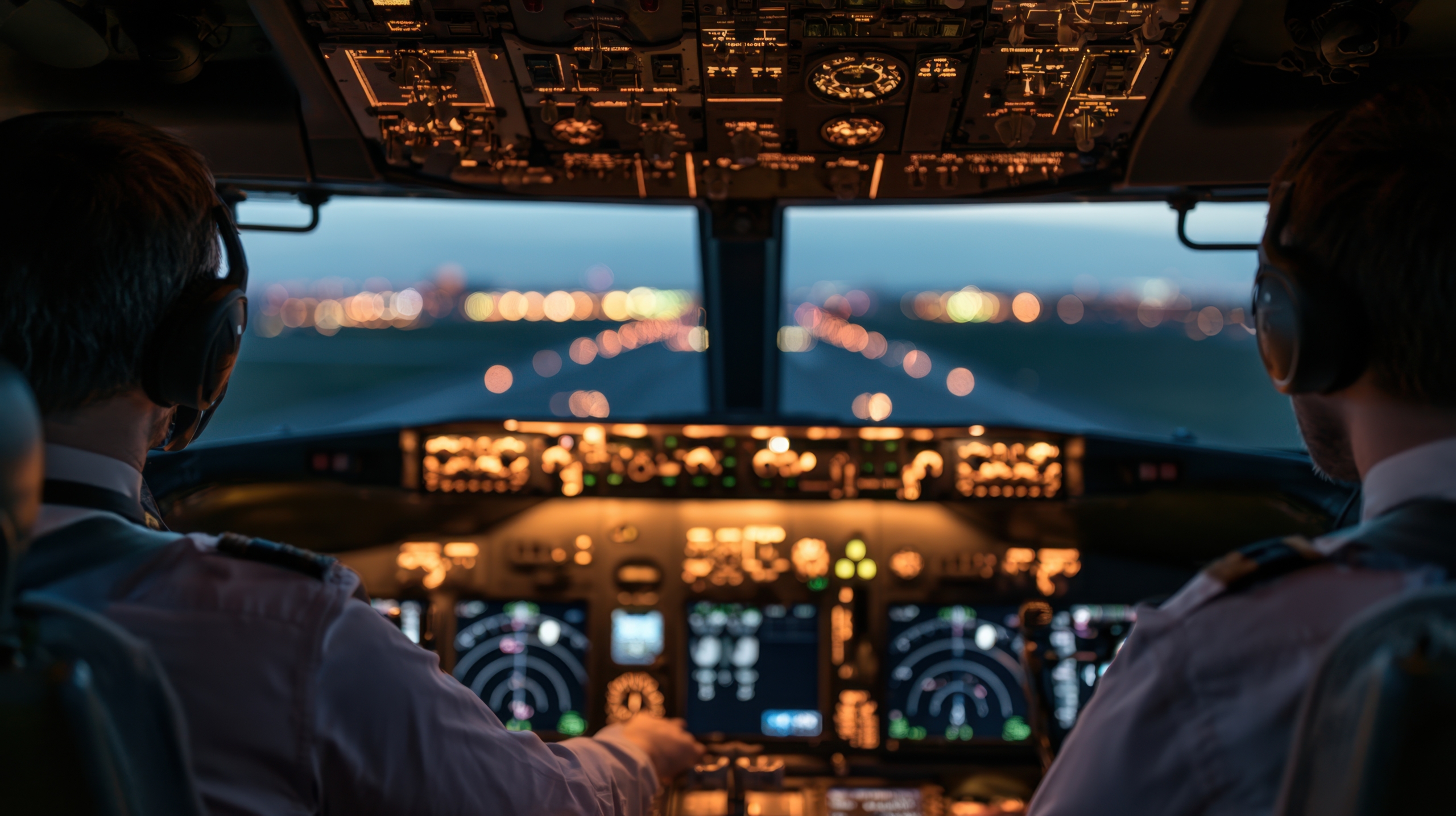
The cockpit is designed to be one of a commercial aircraft’s most secure areas. Reinforced doors, controlled access, crew procedures, and security protocols are meant to keep unauthorised people from reaching the flight deck.
But those protections become much more complicated when the person posing the threat is already inside the cockpit.
That distinction was brought into sharp focus on 30 September, when a flydubai flight from Dubai (DXB) to Tel Aviv (TLV) was diverted to Saudi Arabia following a violent incident involving its pilots. According to Israeli officials, the co-pilot attempted to crash the aircraft, although investigators have yet to establish the full sequence of events aboard Flight FZ1073.
However, the incident has prompted renewed discussion about how airlines manage potential threats originating from inside the flight deck.
How secure are commercial aircraft cockpit doors?
Since the September 11 (2001) attacks, protecting the flight deck from unauthorised access has been a central part of commercial aviation security. Modern passenger aircraft have reinforced cockpit doors designed to withstand forced entry, while airlines use procedures governing when the door can be opened and who may enter.
The principle is straightforward. A person in the passenger cabin should not be able to gain access to the pilots simply by forcing or manipulating the door. That security architecture has proved important because an attacker reaching the controls could potentially take control of an aircraft within seconds.
Keeping the cockpit physically separated from the cabin therefore creates a crucial final barrier between passengers and the flight deck.
But the flydubai incident illustrates the potential limitation of that approach. If the alleged attacker is already a member of the flight crew, there is no need to defeat the cockpit door.
In that situation, security becomes less about preventing physical access and more about managing an insider threat.
What happens when the threat already has cockpit access?
Commercial pilots are entrusted with enormous responsibility and, as a result, undergo extensive background, professional, medical, and other forms of screening.
Reuters reported that aviation-security specialists regard pilot vetting as substantially more rigorous than it was before 9/11, although implementation and oversight can vary between jurisdictions.
The system is nevertheless not designed around the assumption that a pilot will never become a threat to the aircraft or another crew member.
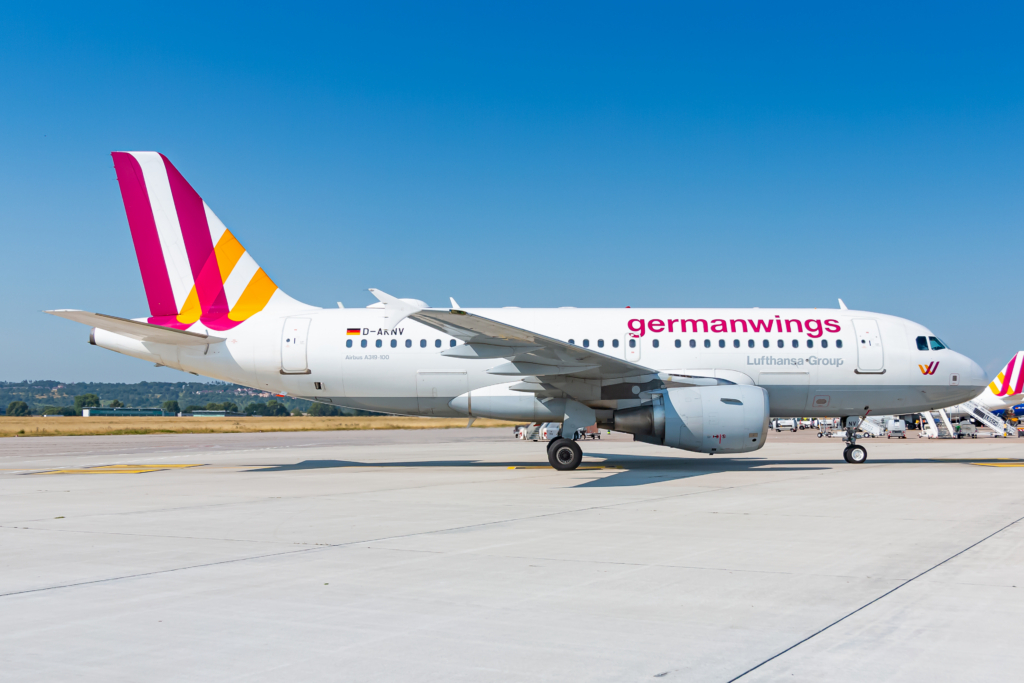
There have been previous incidents involving pilots or other authorised personnel attempting to interfere with aircraft operations.
The Germanwings crash in 2015, for example, demonstrated the catastrophic consequences of a pilot deliberately preventing another crew member from accessing the flight deck.
In 2023, an off-duty Alaska Airlines pilot sitting in an additional cockpit seat allegedly attempted to shut down aircraft engines before being restrained.
These cases are different in their circumstances and causes, but they illustrate the same broad security problem – the person inside the cockpit may already have legitimate access to the aircraft’s most sensitive systems. No physical barrier can completely solve that problem.
What is the FAA’s new cockpit security barrier?
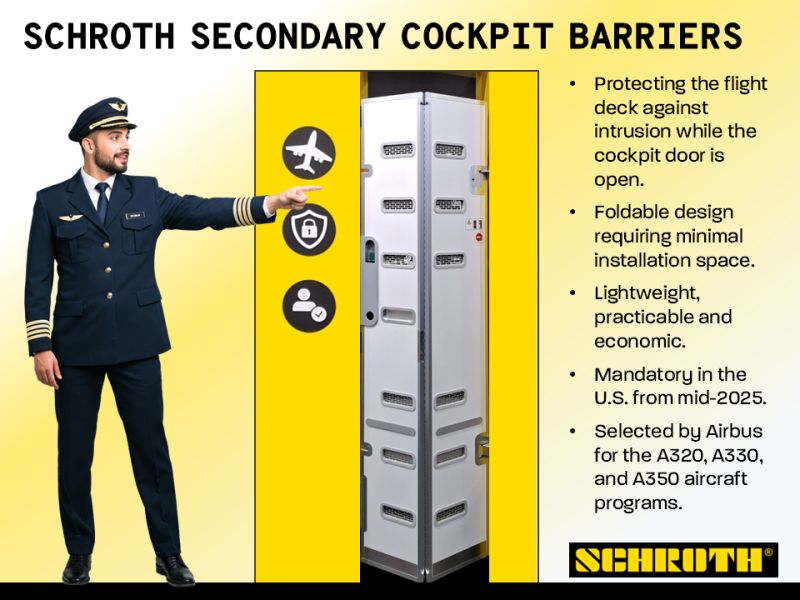
Regulators have been strengthening protection against threats coming from outside the cockpit. In June 2023, the US Federal Aviation Administration (FAA) finalised a rule requiring an installed physical secondary barrier on certain new passenger aircraft. This was known as an Installed Physical Secondary Barrier (IPSB).
The measure was mandated by the FAA Reauthorization Act of 2018 and is intended to protect the flight deck from unauthorised intrusion when the main cockpit door is open.
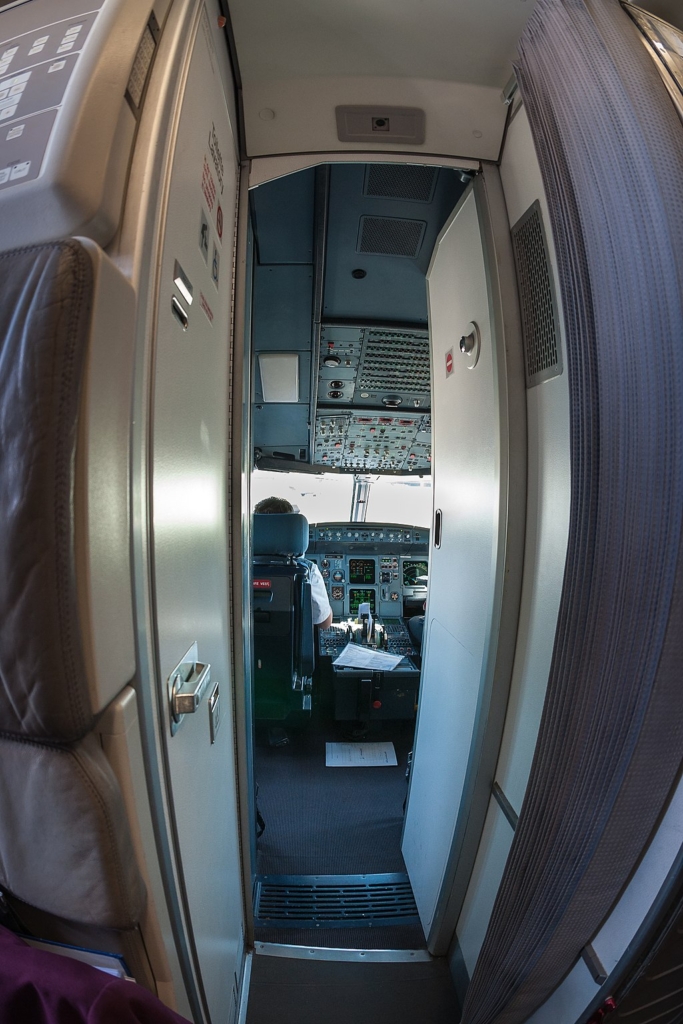
Under the rule, relevant passenger-carrying transport-category aircraft manufactured after 25 August 2025 must have an installed physical secondary barrier meeting specified requirements.
The barrier must be capable of resisting defined loads, prevent a person from reaching through and touching the cockpit door, and delay an attempted intrusion for at least the time needed for a crew member to open and close the main flight-deck door — and in any event for at least five seconds.
What’s the difference between a cockpit door and a secondary security barrier?
The secondary barrier is not simply a stronger cockpit door. It is an additional physical obstacle positioned between the passenger cabin and the flight deck. Its purpose is to address the short period when the main cockpit door has to be opened for operational reasons, such as crew movements or other necessary activities.
That creates another layer of protection against someone attempting to rush the flight deck. The FAA requirement is an important additional safeguard, but it does not eliminate every cockpit-security risk.
A secondary barrier is designed principally to stop unauthorised intrusion from the cabin. It does not prevent a pilot who is already inside the flight deck from attacking another pilot, interfering with aircraft controls or attempting to take control of the aircraft.
That is why cockpit security has to be understood as a system rather than a single physical barrier.
The flydubai incident is particularly striking because the eventual response reportedly depended on several different layers of human intervention.
According to initial reports, passengers and crew entered the cockpit after the injured captain reportedly unlocked the cockpit door from within. The co-pilot was then restrained, while other flydubai pilots travelling on the aircraft reportedly assisted in bringing the aircraft safely to the ground.
That does not mean passengers should be regarded as part of an aircraft’s formal security arrangements. Instead, it demonstrates how an emergency involving the flight crew can require multiple people and procedures to prevent a loss of control.
Why cockpit security involves more than a locked door
For airlines and regulators, the challenge is therefore broader than simply strengthening the cockpit door.
Pilot recruitment and background checks, continuing security assessments, crew-resource-management training, procedures for dealing with an incapacitated or incapacitating crew member, communications between the cabin and cockpit, and emergency response all form part of the wider safety system.
The flydubai investigation may ultimately provide more information about whether existing procedures worked as intended and whether additional safeguards are necessary.
Israel has already said it intends to strengthen security checks for pilots arriving in the country following the incident. It is important, however, not to draw wider conclusions before investigators establish precisely what happened on Flight FZ1073.
Cockpit security has two fundamentally different problems to solve. The first is keeping unauthorised people out. The second is protecting the aircraft when someone with legitimate access becomes a threat.
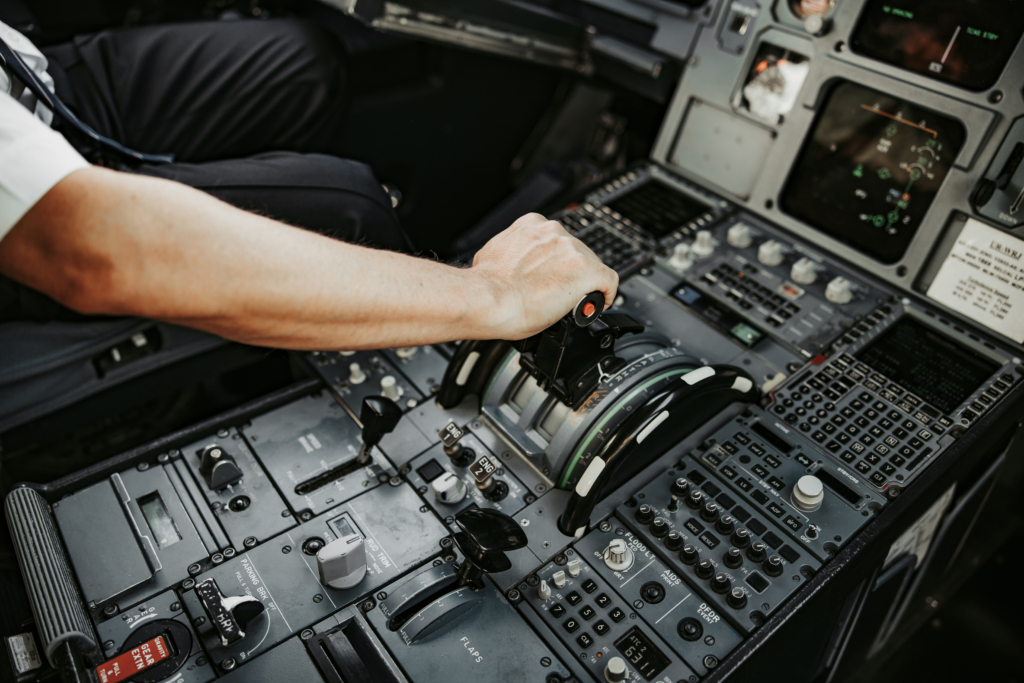
The FAA’s physical secondary-barrier mandate addresses the first problem by adding another layer of protection whenever the cockpit door is opened. The flydubai incident highlights the difficulty of the second.
A modern commercial cockpit is therefore considerably more secure than its appearance might suggest, but its security cannot depend on a locked door alone. Physical barriers, access controls, pilot vetting, operating procedures, training and emergency response all have to work together.
Ultimately, the question is not whether the cockpit is completely secure. No security system can guarantee that. The more useful question is whether aviation has enough layers in place to prevent an individual threat from becoming a catastrophe – even when that threat originates from inside the aircraft itself.
Sign up for our newsletter and get our latest content in your inbox.


More from


September 25, 20264 min read


