


What makes an eVTOL wind tunnel test so different?

3 min read
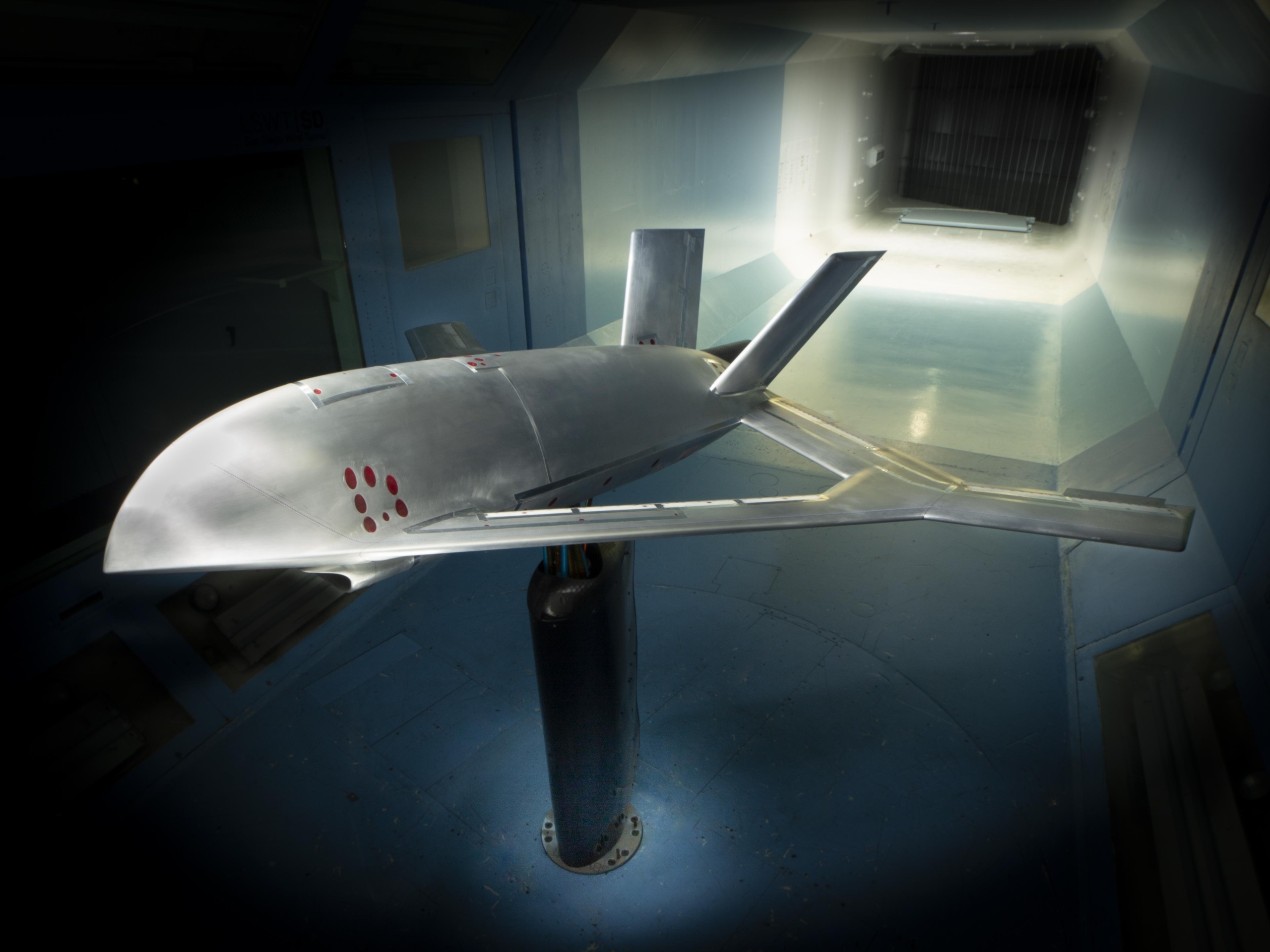
Wind tunnel testing has been around for decades, giving engineers a controlled way to see how aircraft behave before they fly. But electric vertical take-off and landing (eVTOL) aircraft bring extra challenges.
The principle remains simple: put a model in controlled airflow, measure its behaviour and use the results to improve the design. The challenge is that eVTOLs operate in very different conditions, with multiple rotors and wings often working simultaneously.
Why is propeller-wing interaction so important?
One of the biggest challenges is propeller-wing interaction. On a conventional aircraft, the propellers and wings can be treated as relatively separate parts of the aerodynamic picture. On many eVTOL designs, that is much harder to do.
Propellers can sit close to, above, below or in front of wings and control surfaces. Their rotating airflow can change how air reaches the wing, while the wing can affect the flow back into the propeller.

This can influence lift, drag, control forces and aircraft loads. A wind tunnel therefore needs to show how the different parts of the aircraft affect one another, rather than simply measuring the wing on its own.
From hover to cruise
An eVTOL also does not just fly like a conventional aircraft, which makes hover and transition testing particularly important.
In hover, most of the lift comes from the rotors, creating powerful wakes. During transition to forward flight, conditions are constantly changing as the rotors, control surfaces and wings take on different roles.
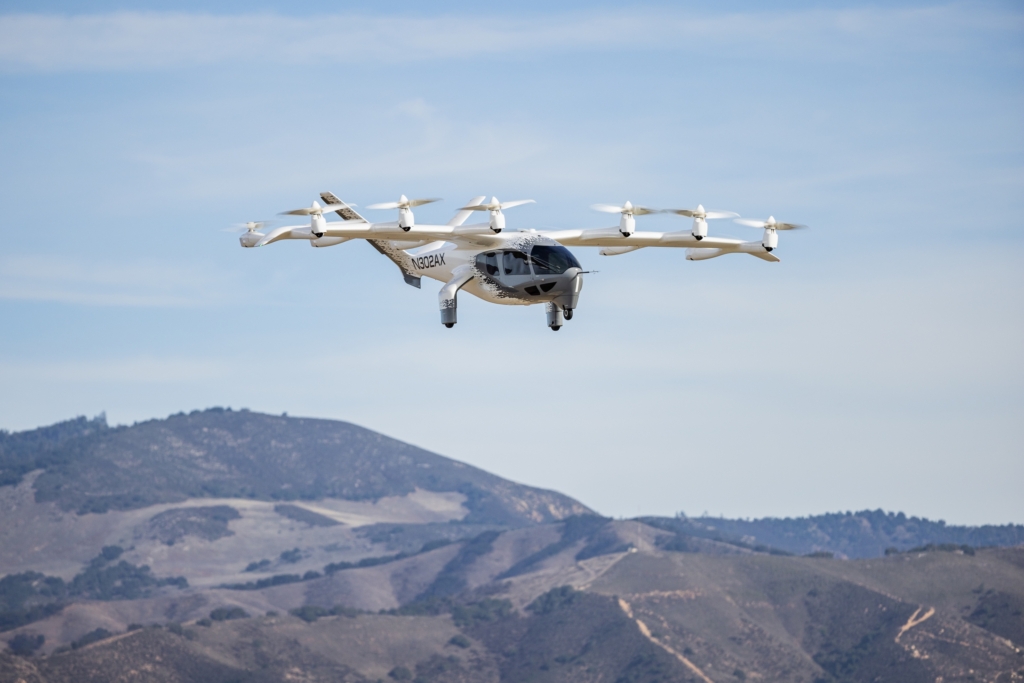
This means tests need to cover a much wider range of conditions than a typical cruise test.
NASA recently demonstrated the complexity involved by testing a 7-ft wing model with multiple propellers in its 14-by-22-ft Subsonic Wind Tunnel. The model had more than 700 sensors measuring pressure and loads across hover, transition and cruise.
Why is eVTOL airflow so difficult to recreate?
Multiple rotors can create wakes that interact with each other, as well as the fuselage, wings and tail. These flows can be highly three-dimensional and change constantly.
That makes test planning and instrumentation especially important. Engineers may need to collect data from several areas of the aircraft at the same time to build a clear picture of what is happening.
Noise adds another layer to testing
Noise is another important part of eVTOL testing, particularly because these aircraft could operate close to populated areas.
NASA and Joby testing, for example, recorded around 45 dB during overhead flight at 500 metres, compared with below 65 dB at 100 metres during take-off and landing. The results show why engineers need to understand how noise changes throughout a flight.
Rotor tip speeds, blade design, wake interactions and the number and position of rotors can all affect the sound produced.
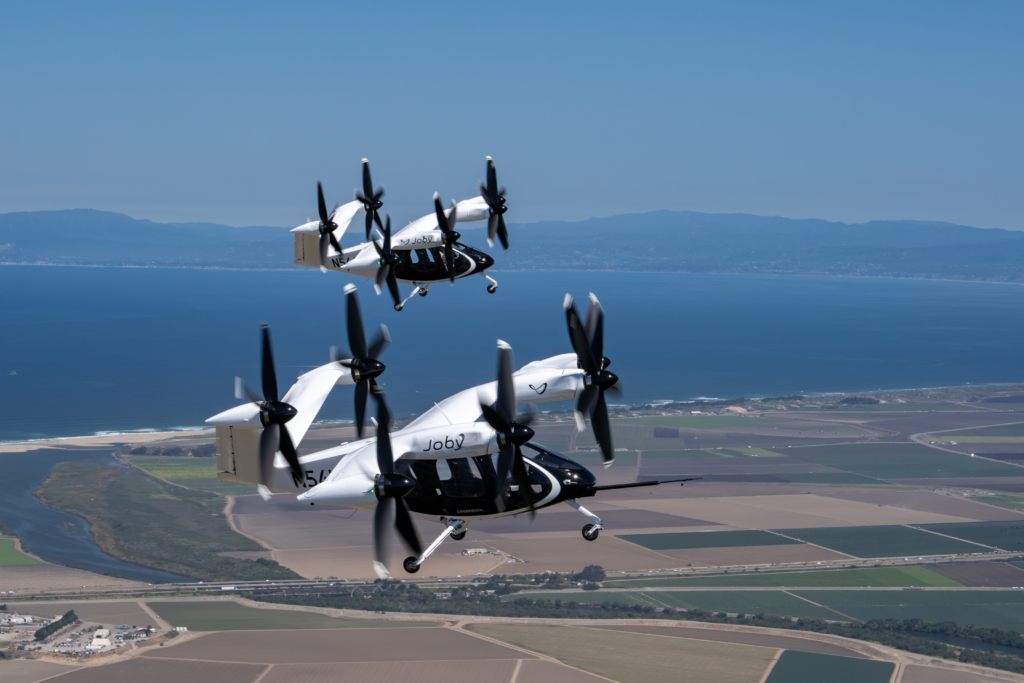
Some wind tunnel tests therefore need to measure acoustics as well as aerodynamic forces. This can affect the design of the test itself, from keeping background noise low to deciding where microphones should be placed.
What does an eVTOL wind tunnel setup look like?
There is no one-size-fits-all setup. Some tests use standard wind tunnels with scaled models, while others need open-jet tunnels, quieter facilities, powered models or equipment that can reproduce rotor thrust and control movements.
The aim stays the same. That is, to understand how the aircraft will behave before it flies. But with eVTOLs, engineers need to study how the rotors, wings, airflow and noise interact across different stages of flight.
It is not just a conventional aircraft test with a few extra propellers. An eVTOL needs to be tested as a complete system, with engineers looking at how its behaviour changes across different flight conditions.
Sign up for our newsletter and get our latest content in your inbox.


More from


September 25, 20264 min read


September 25, 20264 min read

September 24, 20262 min read


