


TAROM’s first Boeing 737 MAX signals the start of a long-awaited fleet renewal programme

4 min read
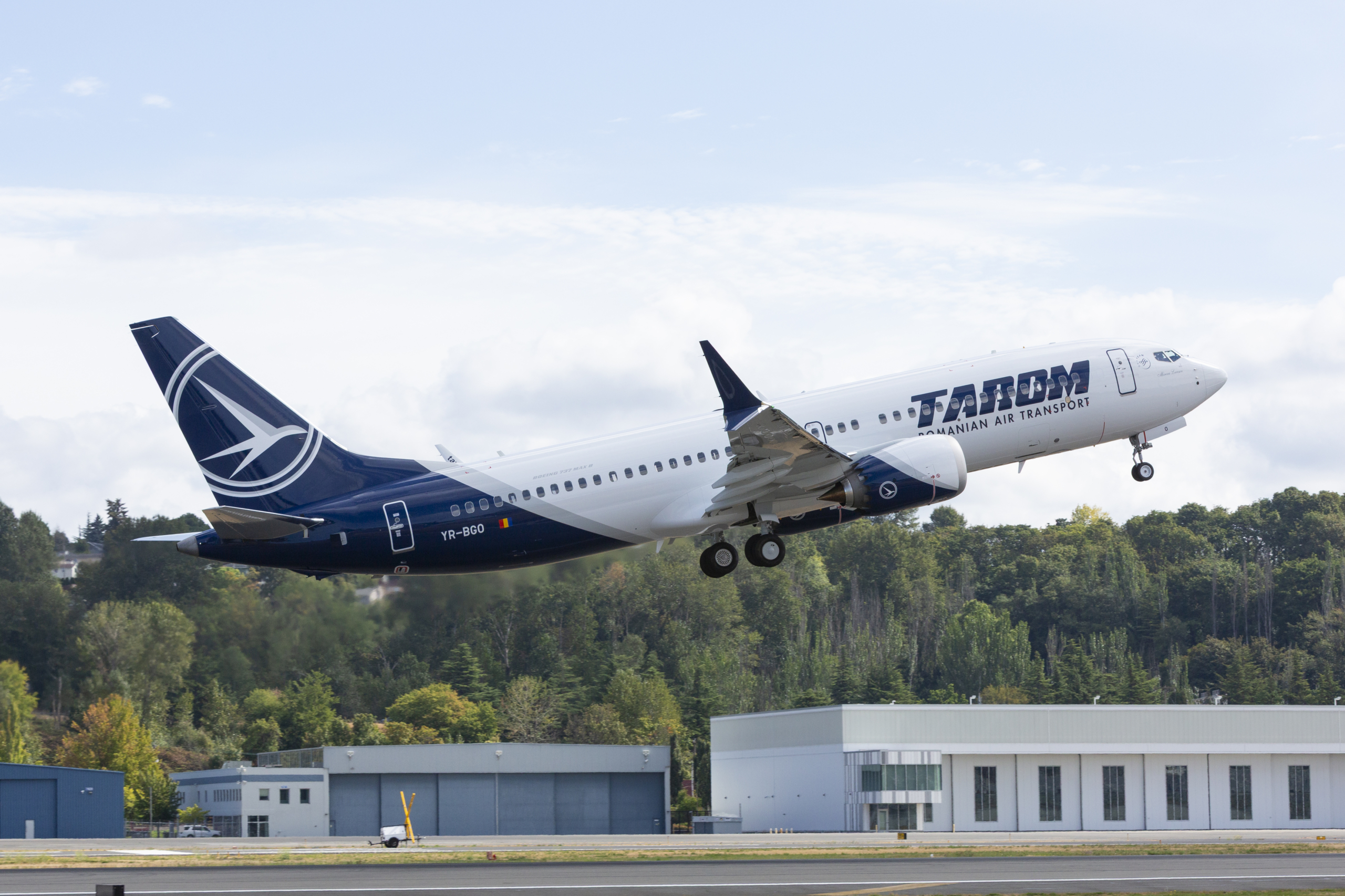
Romania’s national airline, TAROM, has entered a new chapter with the arrival of its first Boeing 737 MAX 8, marking the beginning of a major fleet refresh intended to make the carrier smaller, more efficient and more competitive.
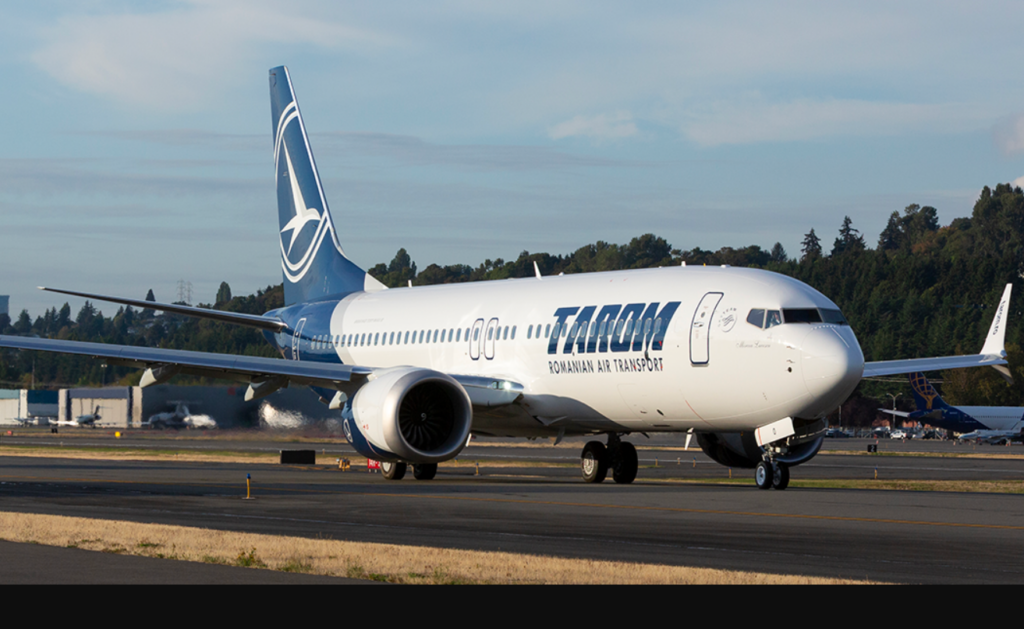
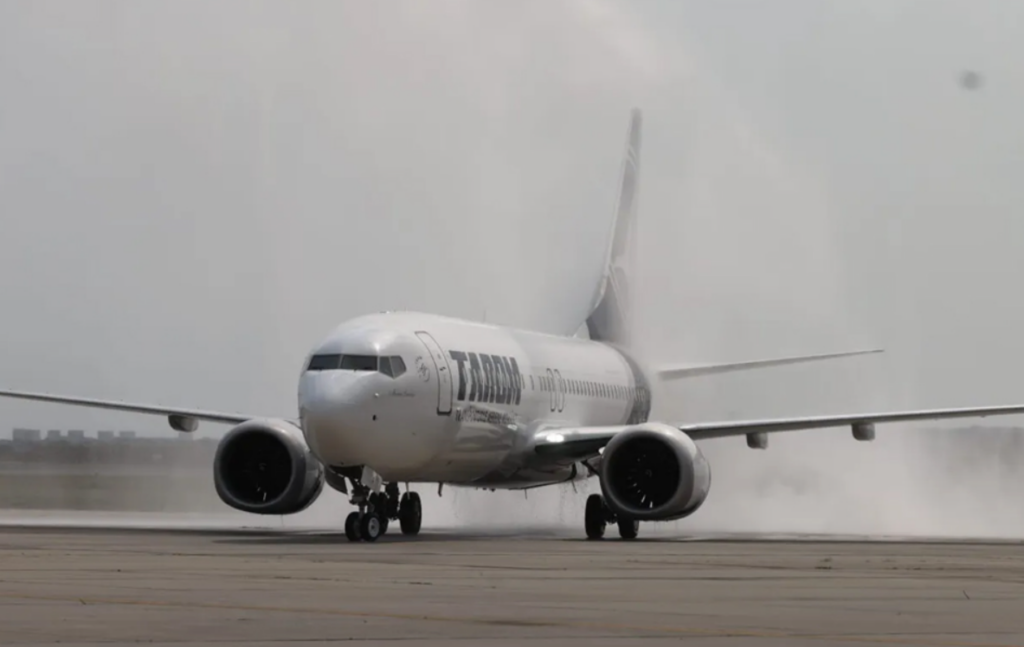
The new aircraft, registered YR-BGO and named Mircea Lucescu, was formally delivered to TAROM on 12 September 2026 and is the first 737 MAX to enter service with a Romanian airline.
First Boeing 737 MAX 8 delivered to TAROM
The first aircraft arrived in Bucharest after being ferried from Seattle via Keflavík in Iceland. A second MAX is expected to follow shortly, with the four-aircraft programme scheduled to be completed by 2027. TAROM has also indicated that it is looking beyond those four aircraft, with discussions around potentially adding another MAX later in the decade.
The new aircraft is particularly significant because TAROM has been operating a relatively small and ageing fleet while undergoing a substantial restructuring. TAROM will fly its 737 MAX fleet on routes connecting Bucharest with major European capitals, “providing an enhanced passenger experience,” according to the carrier.
The arrival of the airline’s new 737 MAX 8 is not simply an additional aircraft but represents the replacement of older-generation Boeing narrowbodies and is central to a plan to simplify the fleet, reduce operating costs, and better compete with the likes of Wizz Air, HiSky, AnimaWings and Ryanair in the Romanian market.
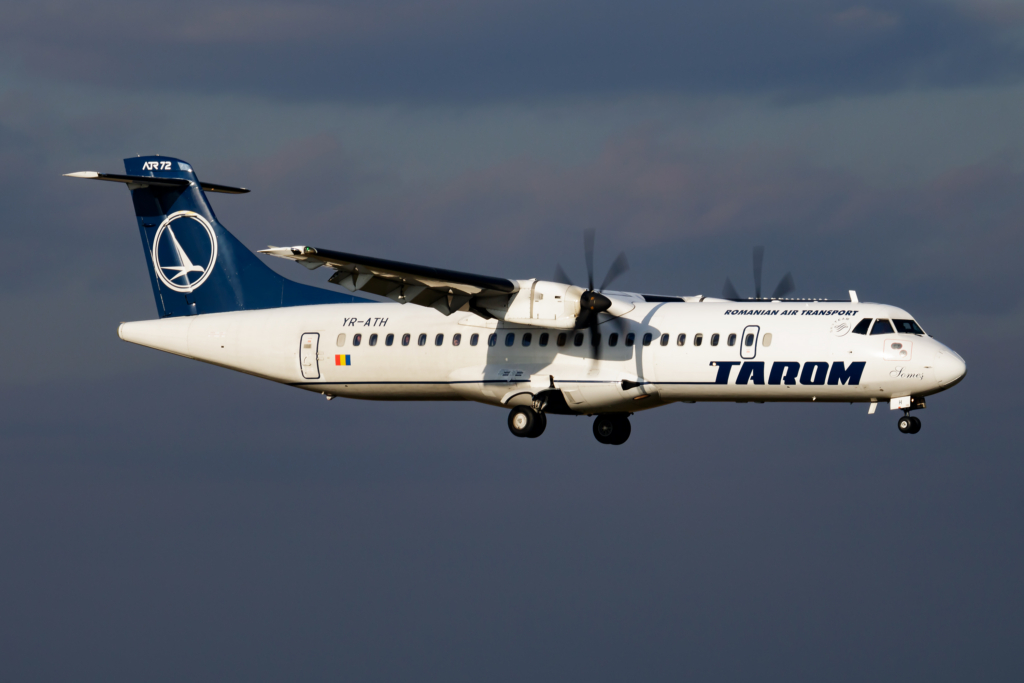
TAROM’s current fleet illustrates why renewal is necessary. Before the MAX’s arrival, the carrier’s mainline fleet consisted of Boeing 737-700s and 737-800s alongside ATR 72 turboprops.
Current fleet data shows three 737-700s, four 737-800s, two ATR 72-500s, and four ATR 72-600s. The 737-700s, in particular, are among the aircraft targeted for replacement by the new-generation MAX.
The fleet is vastly different from TAROM’s larger operation of previous decades. Indeed, the European Commission’s restructuring documentation describes how the airline had a fleet of 29 aircraft before the rationalisation programme, including Boeing 737-300s and 737-700s, Airbus A318s, and a sizeable ATR fleet.
The restructuring plan envisaged reducing that fleet substantially while concentrating operations around a smaller number of aircraft types.
This first arrival has been much anticipated
The MAX order itself has had a long history, with the delivery of the first aircraft much anticipated. TAROM originally announced an order for five Boeing 737 MAX 8s on July 16, 2018, in a deal valued by Boeing at $586 million at list prices. At the time, the aircraft were expected to be delivered over the following years.
The programme subsequently became entangled with TAROM’s financial difficulties, restructuring and the wider disruption to the aviation industry. Rather than simply receiving the five aircraft originally announced, the current fleet-renewal plan has evolved around leased aircraft.
In 2024, TAROM and CDB Aviation announced agreements covering two new 737 MAX 8s from CDB Aviation’s Boeing orderbook. Those aircraft were originally scheduled for delivery between December 2025 and January 2026 and were to be configured with 189 seats.
Under the restructuring programme, TAROM ultimately planned to introduce four 737 MAX 8s through a mixture of operating and financial leases. The European Commission described the MAX as replacing the airline’s outgoing 737-700s and helping create a more streamlined and uniform fleet.
The objective was not just to acquire newer aircraft, but to achieve lower operating costs, greater efficiency and a more consistent passenger product.
That makes the first MAX especially important. Boeing says the 737-8 offers roughly 20% lower fuel consumption and carbon emissions than the aircraft it replaces, while giving TAROM a modern narrowbody capable of operating both domestic and European routes efficiently.
Marking the start of a fleet revitalisation
For TAROM, the significance of the 737 MAX goes beyond the arrival of a single new aircraft. It is the visible beginning of a fleet transformation that has been years in the making.
The carrier is moving away from a heterogeneous fleet assembled over several generations towards a smaller, more standardised operation built around modern Boeing 737s and ATR turboprops.
The challenge will be turning that new equipment into sustainable growth. TAROM remains in the middle of a restructuring programme, and its relatively small fleet leaves little room for operational disruption.
But the arrival of the MAX gives the Romanian flag carrier an important tool for the next phase – a modern, fuel-efficient aircraft capable of replacing some of its oldest narrowbodies while improving efficiency across its European network. After years of waiting, TAROM’s fleet renewal is finally becoming tangible.
Sign up for our newsletter and get our latest content in your inbox.


More from

September 13, 20264 min read

September 12, 20264 min read


