


Australia arms Super Hornets with JASSM-ER and LRASM missiles

3 min read
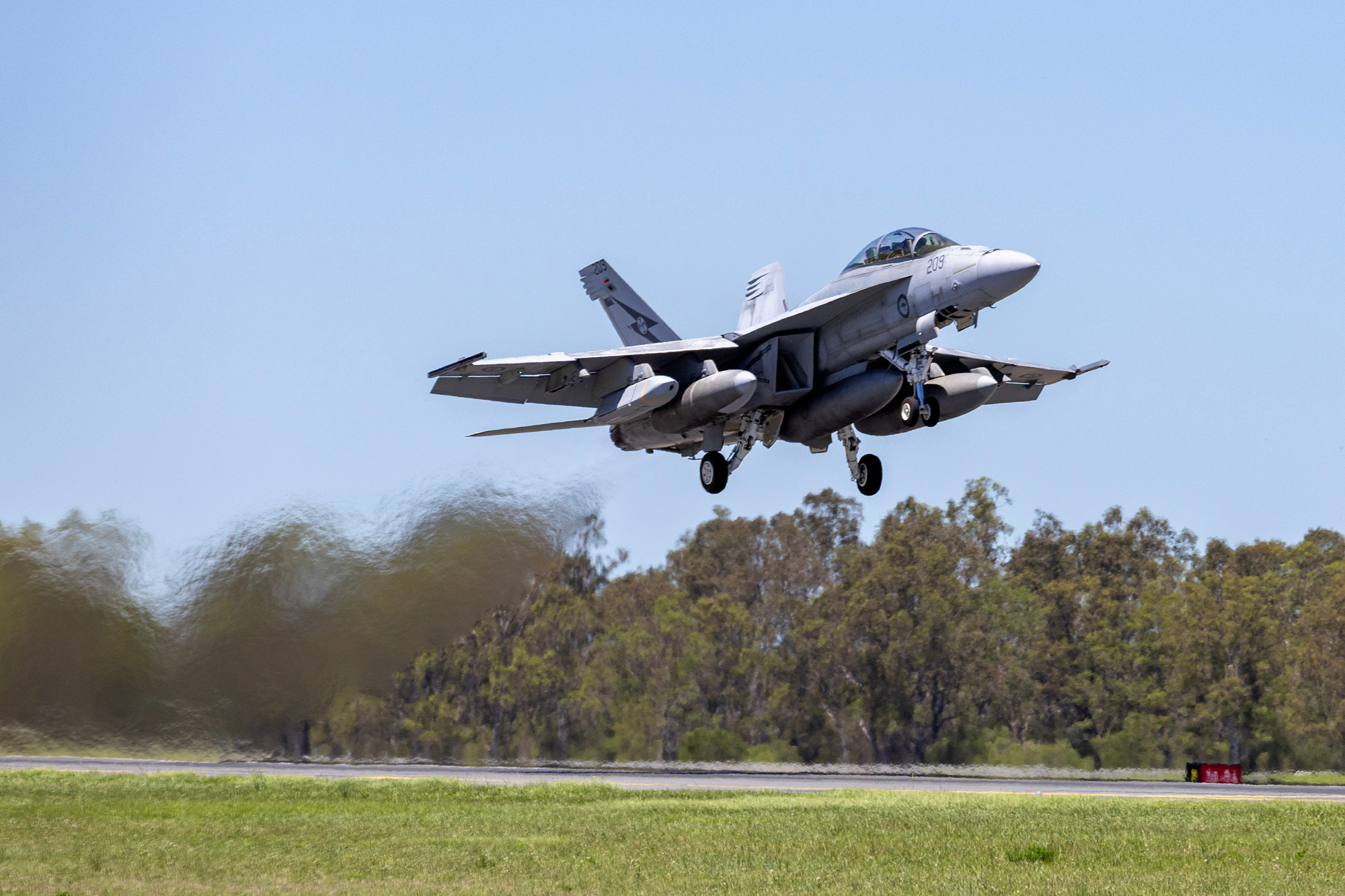
The Royal Australian Air Force (RAAF) has achieved initial operational capability for its long-range LRASMs (on F/A-18s, P-8s) and JASSM-ERs (on F/A-18s). These air-launched missiles significantly boost its capability.
Initial operational capability for RAAF’s LRASM & JASSM-ER missiles
On the 11th of September, Australia announced that the RAAF had reached a significant milestone, integrating long-range strike capabilities. This included the AGM-158C Long Range Anti-Ship Missile (LRASM) and the AGM-158B Joint Air-to-Surface Standoff Missile – Extended Range (JASSM-ER).
For now, these missiles have been integrated into its fleet of 24 Super Hornets and the LRASMs on its 14 P-8 Poseidon maritime patrol aircraft.
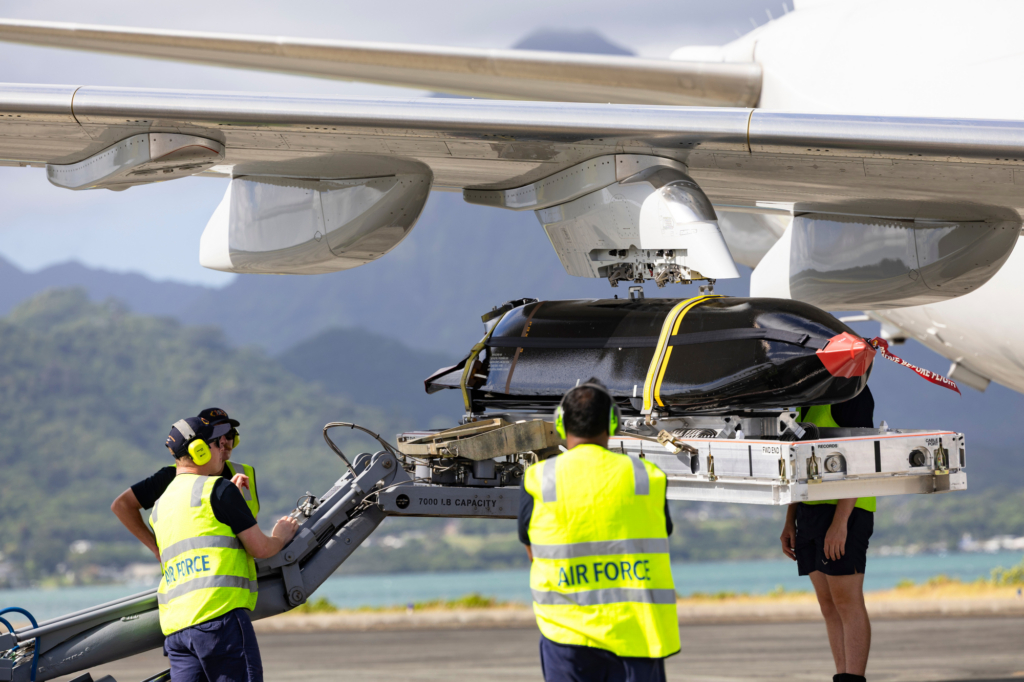
While the AGM-158 is too large to be carried internally, official Australian plans explicitly state that it is to be integrated externally onto its 72-strong F-35A fleet after integration with the Super Hornets.
Chief of Air Force, Air Marshal Stephen Chappell, said, “By acquiring a suite of long-range maritime and land strike missiles Air Force will increase the lethality of our air combat aircraft and avoid increasingly sophisticated air defences.”
He added that the RAAF is continuing to grow its ability to precisely hit targets at long-range.
The RAAF’s advanced new missiles
The LRASM is an air-launched precision-guided, semi-autonomous missile that is intended to destroy maritime targets at more than 370 kilometres.
The JASSM-ER is another air-launched precision-guided, long-range cruise missile designed to locate, identify, and destroy land targets at ranges of up to 900 kilometres.

In February 2025, the RAAF successfully test-fired two LRASMs from an F/A-18F Super Hornet in the United States; this was followed by test-firing two JASSM-ER missiles from Woomera Test Range in South Australia in November 2025.
During July’s Exercise Rim of the Pacific 26, an Australian P-8A Poseidon successfully fired an LRASM.
Other notable Australian missile programs include Joint Strike Missiles for F-35As (stealth combatable), AGM-88Gs (AARGM-ERs), and AIM-260 air-to-air missiles, which will also initially enter service with Super Hornets.
Additionally, Australia is a leader in developing hypersonic missiles and it has also announced it is spending AUD $2.4 billion (USD $1.7 billion) to strengthen Australia’s air and missile defence capabilities.
Australia’s China area denial strategy
Chappell said that the missiles will allow the RAAF to be part of an integrated, focused force that will provide enhanced deterrence by holding potential adversary forces and infrastructure at risk from greater distances. Area denial is a core part of the Australian defence posture.
While much of the focus is on Great Power Competition between the United States and China, this tends to overlook that this is taking place in a broader context.
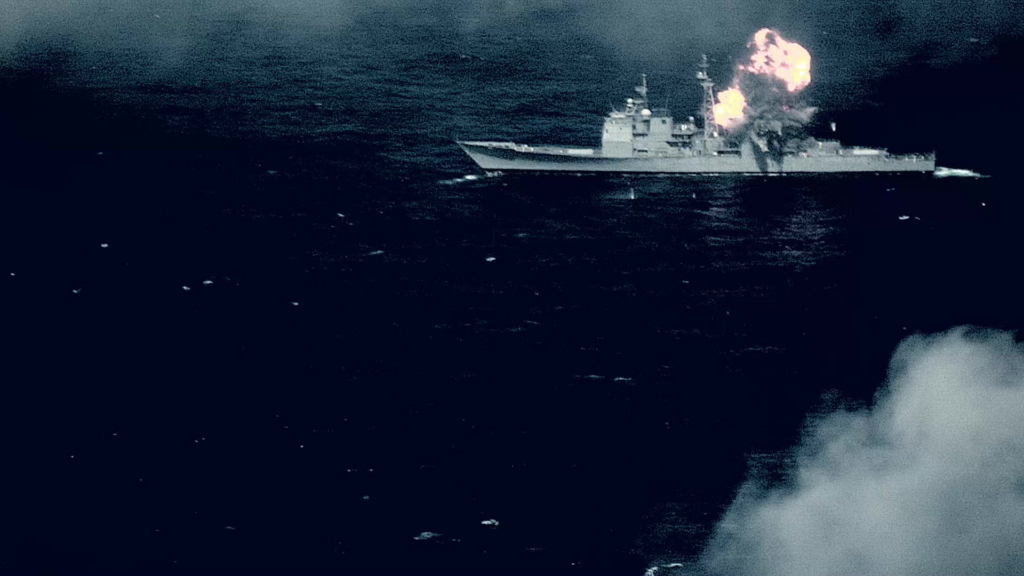
Japan, Australia, and others in the Indo-Pacific are boosting their defence spending and posture, often explicitly to counter China.
The long-range missiles would give the RAAF more capabilities in participating in any US-led intervention against China as well as make it easier to defend the waters around Australia.
Australia’s core response to China is a strategy of denial to develop capacity to deter any potential adversary from projecting power against the country through its northern approaches by holding adversary forces and infrastructure at risk at greater distances.
The advanced missiles fit alongside Australia’s other efforts, including future AUKUS nuclear-powered submarines, ongoing surface fleet upgrade, integrated air and missile defence, northern basing, and other efforts.
Sign up for our newsletter and get our latest content in your inbox.


More from


September 12, 20264 min read


