


India launches $10bn competition for 60 military aircraft as C-390 and C-130J face off

5 min read
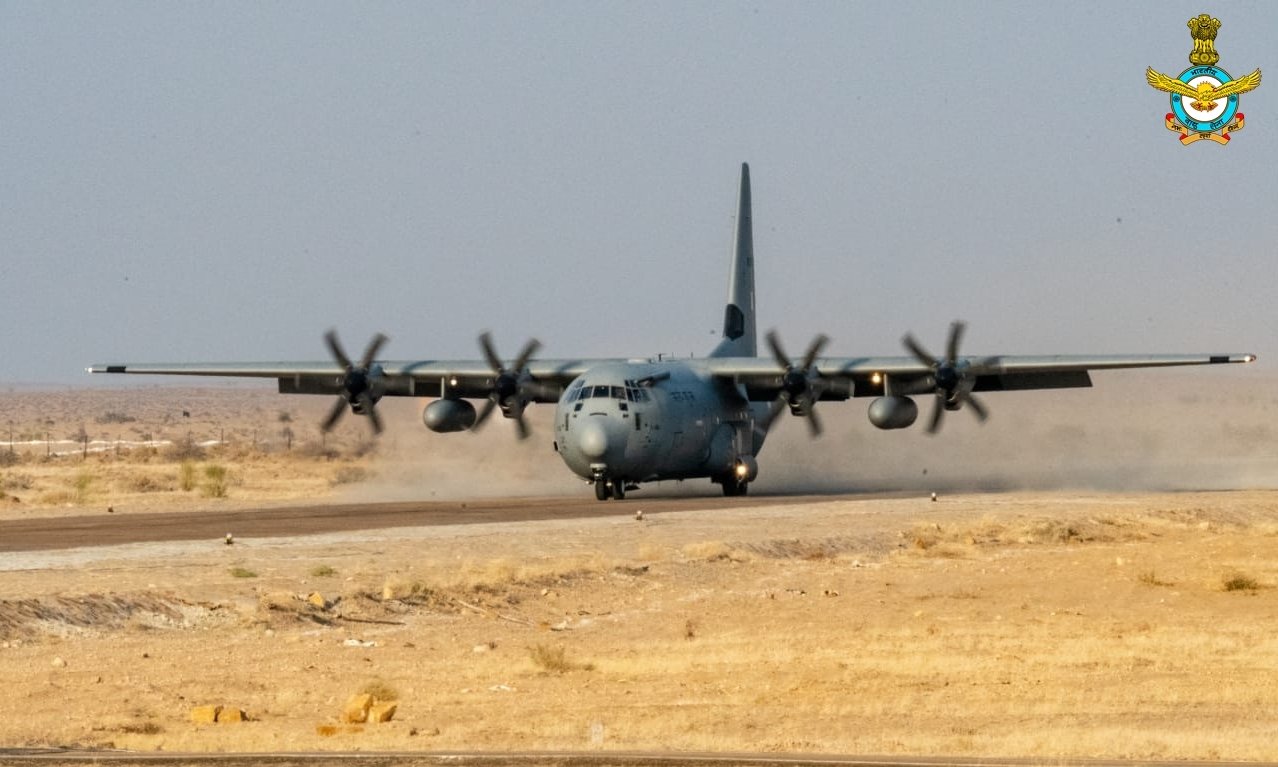
India has formally launched its long-awaited competition for 60 new medium transport aircraft for the Indian Air Force, opening a roughly INR1 trillion ($10.5 billion) contest that will see Indian companies work with overseas aircraft makers to build a new airlift fleet in the country.
The Defence Ministry issued the Request for Proposal on 12 August, moving the Multi-Role Transport Aircraft (MTA) programme from technical evaluation into the bidding stage.
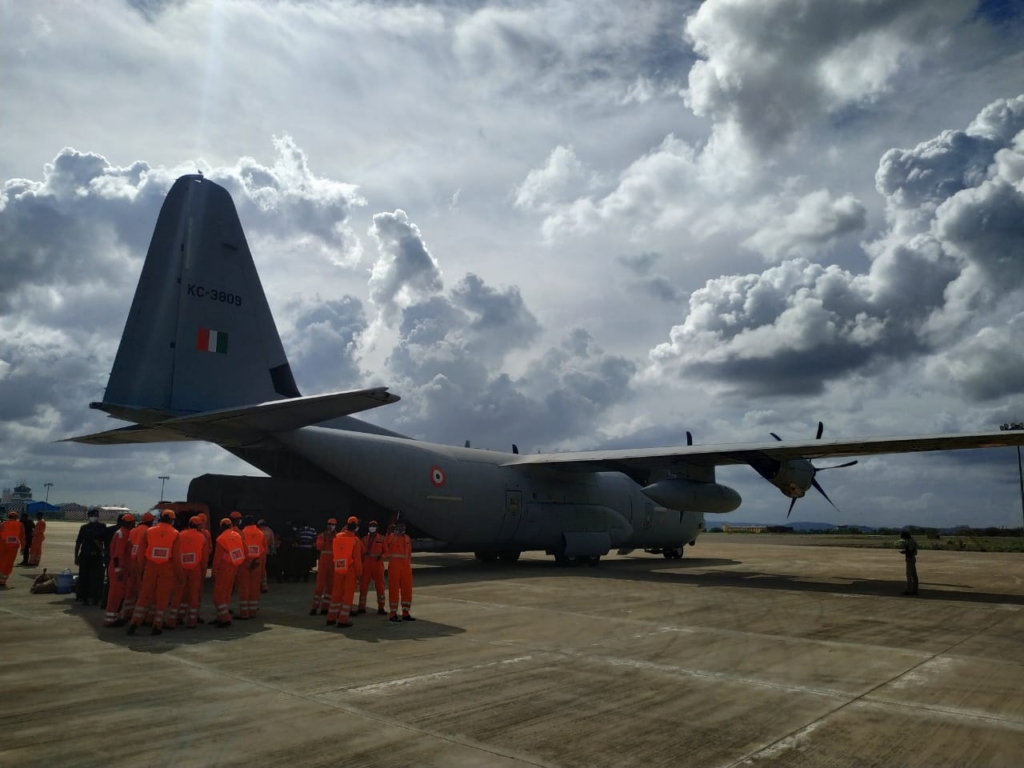
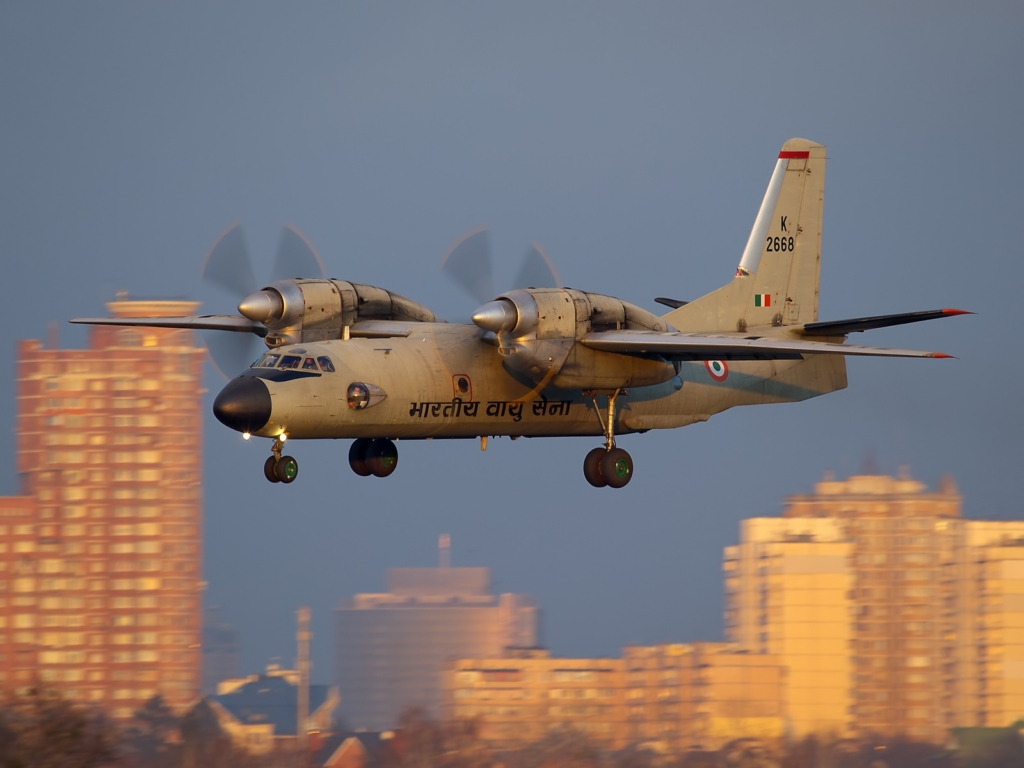
The aircraft are intended to replace ageing transport aircraft, including the IAF’s Soviet-origin An-32 fleet, with an option for additional aircraft.
The requirement calls for an aircraft in the 18-30-tonne class, putting Embraer’s C-390 Millennium and Lockheed Martin’s C-130J Super Hercules at the centre of the contest. India’s Tata Advanced Systems has teamed with Lockheed Martin, while Mahindra Defence has partnered with Embraer.
The RFP has also been issued to Adani Defence and Aerospace, Hindustan Aeronautics Ltd and Reliance Defence. The three companies have not yet publicly identified their overseas aircraft partners for the programme, according to defence ministry sources.
The competition is therefore about more than selecting an aircraft. India wants the winner to establish an industrial base around it.
India issues RFP for 60 medium transport aircraft
The procurement is structured around a mix of imported and locally manufactured aircraft.
The initial aircraft will be delivered in fly-away condition, while the remainder will be manufactured in India. The requirement sets a minimum 40% indigenous content for the aircraft produced locally, with that figure expected to rise to 60% in phases.
The Indian partner and the selected original equipment manufacturer will also be expected to establish a final assembly line and maintenance, repair and overhaul capability in India.
That makes the MTA programme one of the more significant opportunities yet for India’s military transport manufacturing sector.
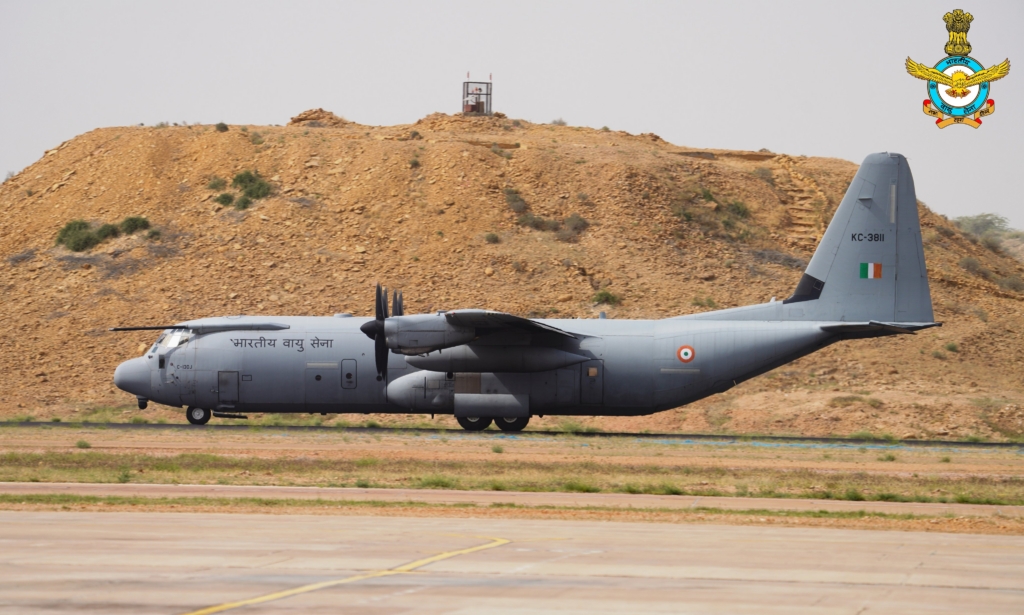
The aircraft will be expected to do more than move cargo between established air bases. The requirement includes operations from high-altitude locations and unprepared runways, including the Advanced Landing Grounds in Ladakh and the Northeast.
For the IAF, that combination of payload, range and austere-field capability is important. Transport aircraft are increasingly being used to move troops, vehicles, ammunition and other equipment quickly between distant bases and forward areas.
The new fleet would also give India more flexibility for humanitarian assistance, disaster relief and special operations.
C-390 Millennium and C-130J emerge as frontrunners for IAF requirement
Lockheed Martin’s C-130J is the more established of the two principal contenders in Indian service.
The IAF already operates 12 C-130J-30 Super Hercules aircraft, acquired primarily for special operations and tactical airlift. Lockheed Martin says the Indian fleet has an air-to-air refuelling receiver capability and is used for missions ranging from airlift and disaster relief to search and rescue.
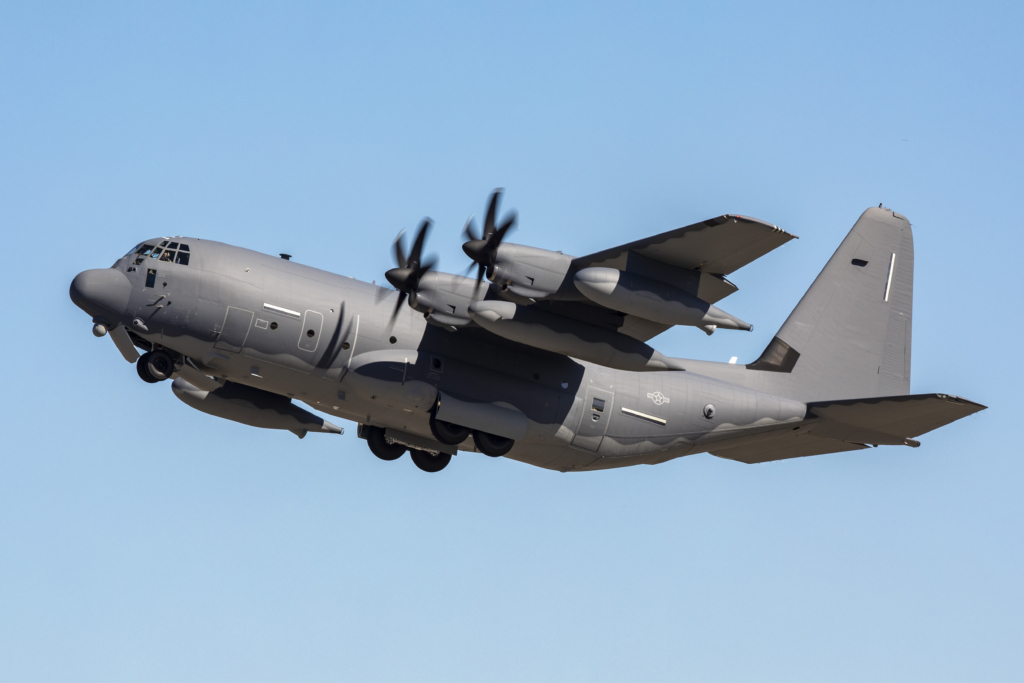
For the MTA contest, the C-130J sits at the lower end of India’s 18-30-tonne requirement, with a payload of about 19 tonnes.
C-130J’s attraction is not simply that India already flies it
The C-130J has a large international operator base, an established production line and an existing Indian industrial relationship. Tata Lockheed Martin Aerostructures in Hyderabad is the global source for C-130J empennage assemblies, while Tata and Lockheed Martin have also been developing an MRO capability in India.
That gives the C-130J a ready-made Indian support and manufacturing story.
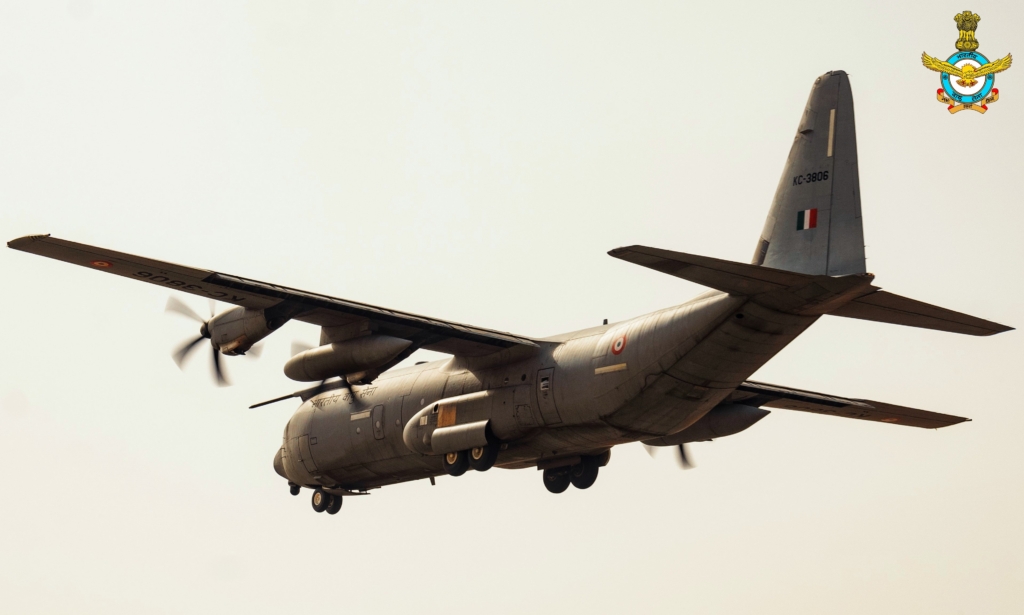
The aircraft is also designed around tactical airlift rather than simply carrying the maximum possible payload. Its established roles include airdrop, special operations, search and rescue, medical evacuation and aerial refuelling.
Embraer offers more payload with the C-390 Millennium
Embraer’s C-390 Millennium comes from a newer generation of military airlifters and is larger than the C-130J.
It can carry up to 26 tonnes, placing it near the upper end of the Indian requirement. Embraer lists a maximum cruise speed of 470 knots or Mach 0.80, with a cargo hold capable of carrying combinations including troops, pallets and vehicles.

The C-390 was also designed for operations from semi-prepared runways, an important requirement for India given its forward airfields.
Its higher payload could give the IAF more capacity per aircraft for moving equipment and personnel. That could be particularly useful for long-distance logistics where the number of sorties required to move a given load matters as much as the aircraft’s maximum range.
The Mahindra-Embraer partnership therefore brings a different proposition from the Tata-Lockheed Martin offer: a newer, larger jet airlifter against an aircraft that already has a mature Indian fleet.
What about the A400M?
Airbus had previously offered the A400M for the Indian requirement. But the aircraft is substantially larger than the specified category, with a payload of about 37 tonnes, compared with the 18-30-tonne requirement. Hence, Airbus is likely to miss the current contest.

The companies that received the RFP must submit their bids, after which the proposals will undergo technical evaluation. A field trial will follow before the aircraft is selected.
That process will be particularly important because the aircraft are expected to operate in very different parts of India’s geography, from established bases to high-altitude and semi-prepared airfields.
A new transport fleet for a changing IAF
The MTA programme is arriving as the IAF manages several transport requirements at once.
Its An-32s have been in service for decades, while the larger Il-76 fleet provides heavy airlift. The C-17 Globemaster III provides another level of strategic lift, while the C-130J covers a more specialised tactical role.
The new aircraft would sit between those categories.
That gives the IAF a transport platform capable of carrying significantly more than the C-130J while remaining smaller and more flexible than its heavy strategic airlifters.
India is also already building another part of its transport fleet domestically. Tata Advanced Systems and Airbus are producing C-295 aircraft in India, giving the country experience in local assembly of military transport aircraft. The MTA programme now takes that industrial push into a larger category.
Sign up for our newsletter and get our latest content in your inbox.


More from


September 25, 20264 min read


