Aviation’s turbulence problem is growing: Here’s how airlines are fighting back

5 min read
Turbulence has long been one of aviation’s most persistent operational and safety challenges. As climate change increases the likelihood of severe thunderstorms and hazardous clear-air turbulence (CAT), airlines are placing greater emphasis on forecasting, avoidance and passenger protection measures.
Climate change is making the management of convective weather increasingly important, with severe turbulence capable of injuring passengers, disrupting schedules and causing costly diversions and reroutings.
European Union aviation safety regulator EASA points to research suggesting a significant increase in hazardous levels of clear-air turbulence at cruise altitudes around the world. Severe thunderstorms are also expected to become more frequent, increasing exposure to hail, lightning and other weather-related hazards.
How airlines manage turbulence before and during a flight
For pilots, weather conditions, including turbulence, form a key part of every pre-flight briefing.
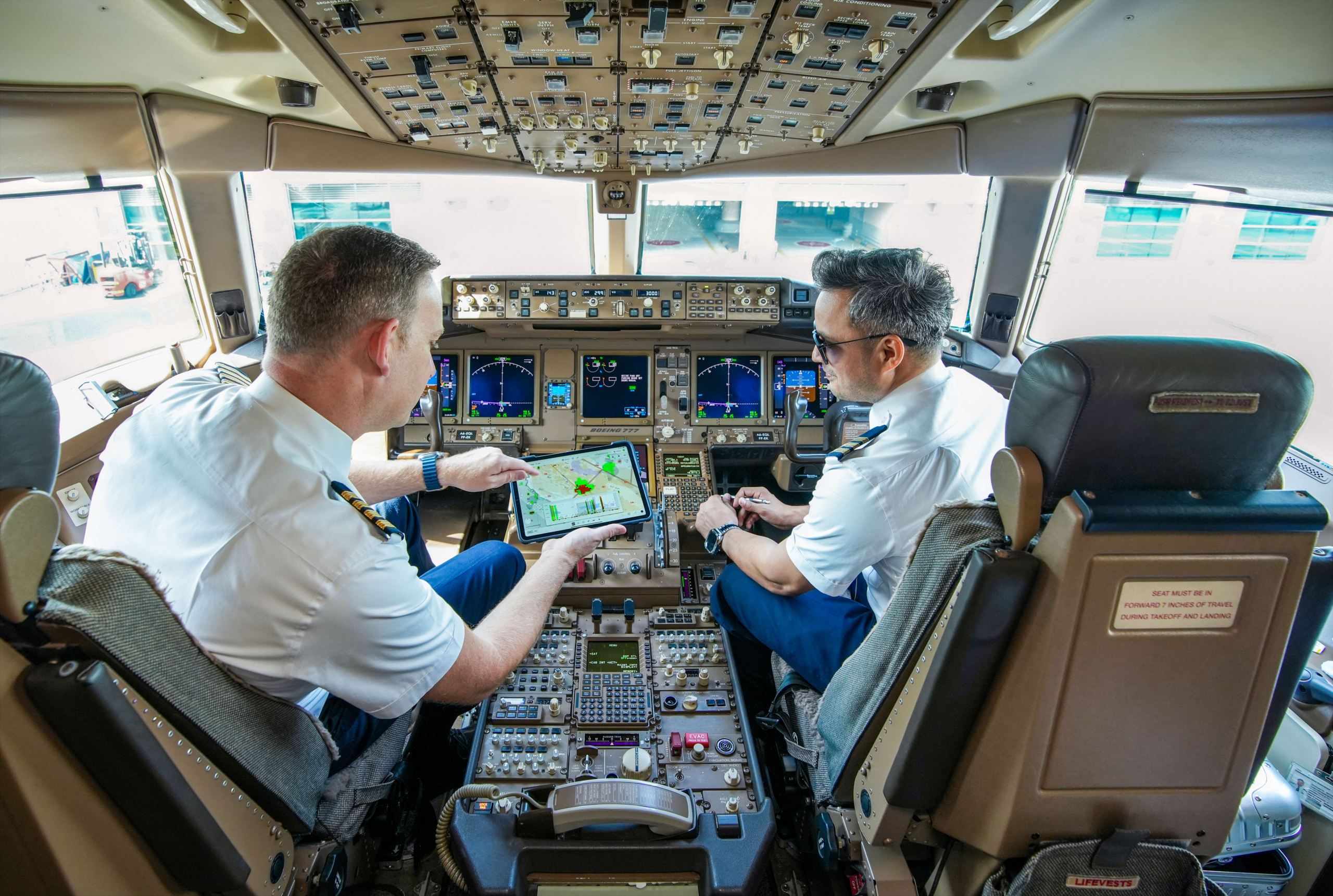
Information about forecast turbulence, including both CAT and convective weather activity, is incorporated into flight-planning documents provided to crews. This allows pilots and dispatchers to assess the potential threat and discuss mitigation strategies before departure.
The weather data also enables airline flight planners to identify areas of significant weather and adjust routings where practical.
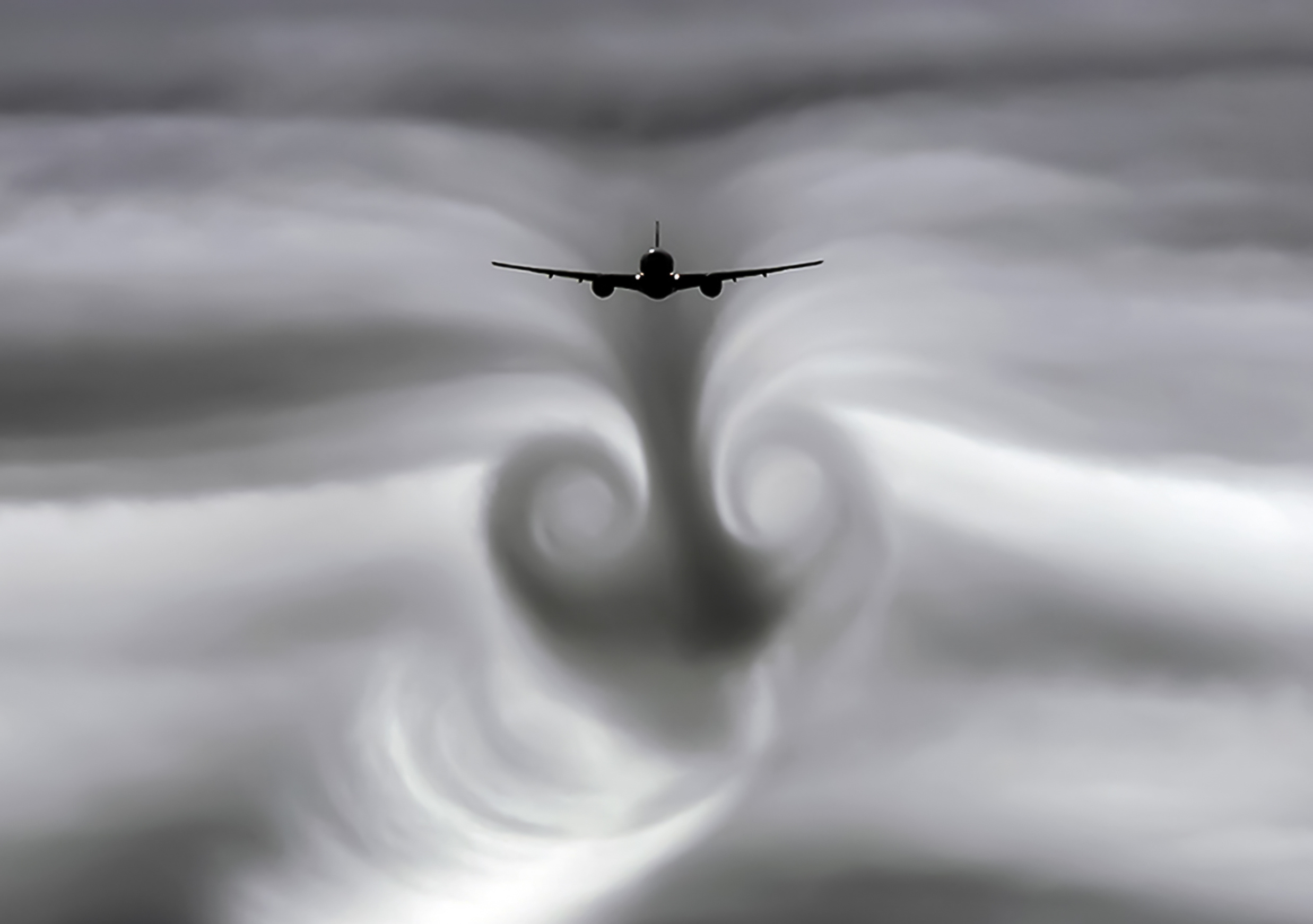
Once airborne, pilots can request altitude changes or deviations from their planned route to avoid turbulence. The availability of alternative tracks depends on factors including airspace constraints, traffic levels and fuel requirements, but such requests are routinely accommodated by air traffic control when operationally feasible.
Avoiding turbulence is not always straightforward and can carry significant operational costs. Deviating around weather systems may add tens, or even hundreds, of miles to a journey, increasing fuel burn and potentially affecting arrival times.
Crews must therefore balance the need to avoid forecast turbulence with fuel considerations, scheduling requirements and other operational factors.
Technology helping pilots avoid turbulence
Modern aircraft provide flight crews with increasingly sophisticated tools to support operational decision-making.
Airliners are equipped with airborne weather radar capable of identifying hazardous weather ahead while suppressing ground returns that could distract from significant weather activity.
Advanced CAT forecasting systems and real-time observations from other aircraft further improve situational awareness. Pilots can submit turbulence and weather reports from their location, helping aircraft operating nearby make informed decisions on route and altitude selection.
Satellite weather information can also be uplinked directly to the flight deck, while meteorological reports issued by airports provide detailed local forecasts before arrival and departure.
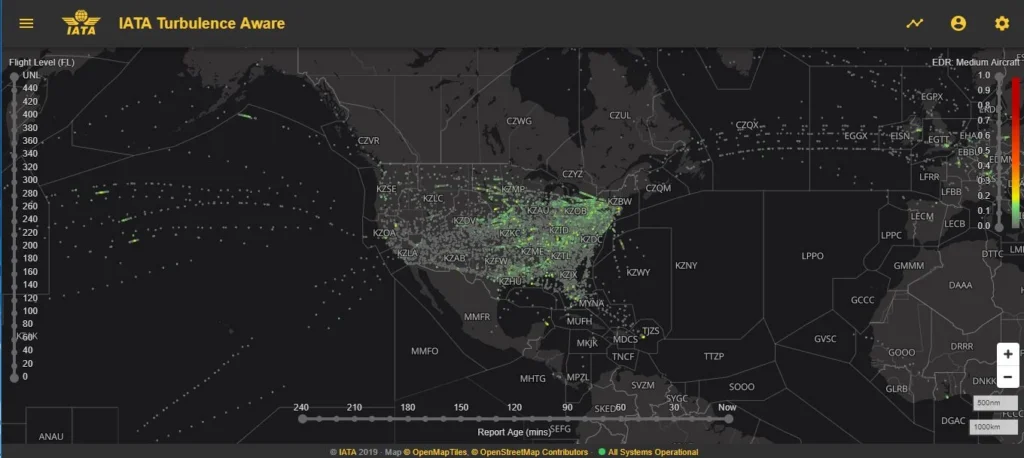
The International Air Transport Association (IATA) has also developed its Turbulence Aware platform, designed to improve notice of potential turbulence through the automated sharing of turbulence data and reports from aircraft operating at multiple flight levels
Why turbulence remains a safety risk for passengers and crew
The impact of turbulence on passengers and crew can be severe.
Significant turbulence can cause injuries, particularly when passengers are out of their seats or cabin crew are conducting inflight service. As a result, crews may be briefed before departure on the likelihood of turbulence and may adjust service timings to minimise risk.
Cabin crew can also suspend meal and beverage services if conditions deteriorate. The procedures governing these decisions vary between airlines but are designed to reduce the likelihood of injury.
In 2024, a passenger died, and more than 30 people were injured after a Singapore Airlines flight from London to Singapore encountered severe turbulence while cabin crew were serving breakfast.
The flight subsequently diverted to Bangkok, where it landed safely.
While such incidents attract significant attention, deaths caused by turbulence remain extremely rare. From a passenger safety perspective, consistently wearing a seatbelt remains the most effective protection against injury.
Research by the National Transportation Safety Board (NTSB), examining US airline turbulence-related accidents between 2009 and 2018, found that only one of the 123 passengers who suffered serious injuries was wearing a seatbelt at the time.
According to the Flight Safety Foundation, “the best way to prevent injuries is to advise the passengers to keep their seatbelts fastened at all times, regardless of the illumination of the ‘fasten seatbelt’ sign”.
How climate change is increasing turbulence challenges
While turbulence has always been a feature of airline operations, evidence suggests exposure to some forms of turbulence, particularly clear-air turbulence, is likely to increase as the climate changes.
EASA says the aviation industry will need both to reduce exposure to severe weather through better forecasting and increase the resilience of aircraft and infrastructure to climate-related hazards.
For airlines, that means investing in improved weather intelligence, refining operational procedures and ensuring aircraft and airports are better prepared for more intense heat, storms and other climate-driven challenges.

At the 14th ICAO Air Navigation Conference in November 2025, two working papers raised concerns about turbulence encounters as a global operational safety risk.
WP-98, submitted by Japan and Singapore with support from the Philippines, Thailand, Airports Council International (ACI) and IATA, and WP-149, submitted by South Korea, called for improved monitoring of turbulence-related risks through the collection, analysis and sharing of turbulence data.
In a briefing note, the Flight Safety Foundation argued that a coordinated approach between flight crews, cabin crews and airline operations teams remains critical to managing the risk.
“At flight planning stage, a strategy of avoidance also helps to prevent the potential for injury,” the organisation said.
“During the flight, the use of onboard radar, reports of turbulence, or internet-enabled weather are great tools for tactical airborne decision making to avoid areas of probable turbulence.
“Communication is a key part of preparing for turbulence. Setting expectations of forecasted turbulence to cabin crew and passengers, followed by tactical announcements using agreed phraseology, makes a difference in securing and preparing for turbulence encounters.”
Sign up for our newsletter and get our latest content in your inbox.


More from

October 17, 20265 min read

October 17, 20264 min read