


UK MPs urged to mandate cabin air sensors as fume event inquiry gathers pace

6 min read
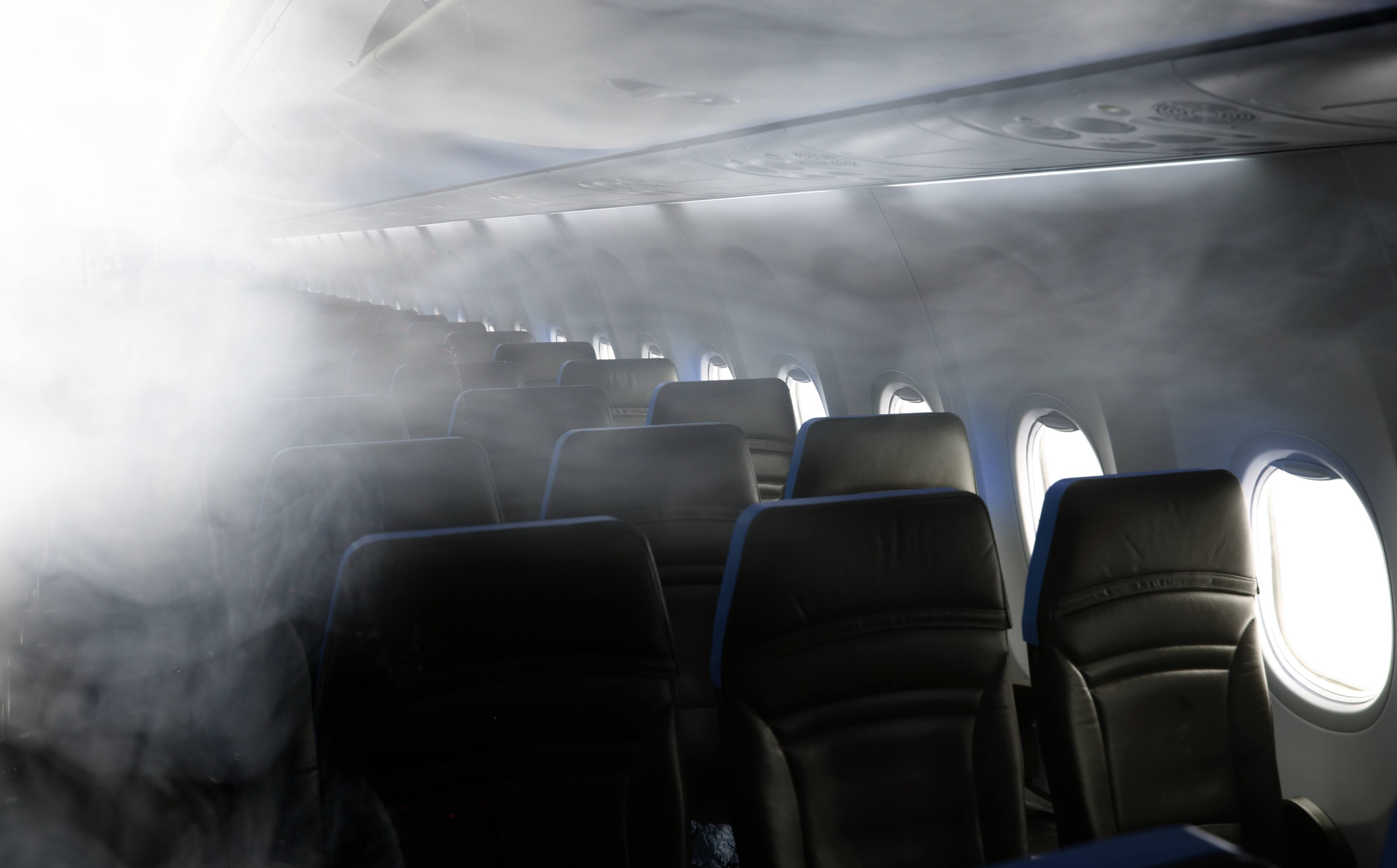
Aircraft carrying passengers should be equipped with real-time cabin air monitoring systems to help identify potentially harmful fume events, a UK parliamentary inquiry has been told.
The call was made during the third evidence session of the All-Party Parliamentary Group (APPG) on Cabin Air Quality, which is gathering testimony from pilots, medical experts and other specialists as it considers potential recommendations for the UK government.
Captain Marcus Diamond, safety and technical manager at the Australian Federation of Air Pilots (AFAP), told the inquiry that it is perfectly possible to collect real-time data aboard commercial aircraft.
“We should mandate real cabin air monitoring on all bleed air commercial aircraft,” Diamond said. “It is possible because we’re actually doing it now with portable equipment.”
He also called for standardised post-event procedures covering both aircraft maintenance and medical follow-up, arguing that the lack of reliable data collected during or immediately after fume events remains a major obstacle.
Why aircraft fume events can be difficult to trace
On most commercial jets, air used to ventilate and pressurise the cabin is taken from the compression stages of the engines through the bleed-air system. In some circumstances, oil or hydraulic fluid can contaminate the air supply, producing fumes or odours in the cockpit or cabin.
Fume events can involve visible smoke, but many do not. Odours associated with suspected oil contamination have variously been described as acrid, oily or similar to wet socks.
The difficulty is that contamination can be intermittent and may no longer be detectable once an aircraft is back on the ground.
Diamond, who previously managed a fleet of Boeing 737s, said he had seen this problem first hand.
“Some pilots could detect it and others couldn’t. Some can smell it, some can’t,” he told the APPG, adding that engineers could not always reproduce reported faults after landing.
Diamond said this creates difficulties not only in establishing what happened, but in identifying aircraft that may be experiencing recurring problems.
Australian pilots testing cabin air in flight
AFAP is now participating in an airborne monitoring effort using portable nanoparticle measurement equipment on aircraft in Australia.
Diamond said around 40 flight sectors had been sampled so far. One perhaps unexpected finding was just how clean many aircraft appeared to be when operating normally.
“Most of the fleet when they’re in good shape, they’re very clean,” he said.
However, Diamond said the testing had also identified aircraft showing significantly higher nanoparticle readings during particular phases of flight, including takeoff and climb.
The work remains ongoing, and Diamond did not identify the airline or individual aircraft involved. But he said the results were already demonstrating the potential value of real-time monitoring for maintenance teams trying to identify troublesome aircraft.
The testing follows an earlier AFAP sampling project involving 20 reported fume events. Diamond told the APPG that organophosphate compounds associated with hydraulic fluid or engine oil degradation were found in 80% of those samples.
Doctors say better exposure data is still missing
The need to capture information when an event actually happens was echoed by medical witnesses.
Dr Robert Harrison, clinical professor of occupational and environmental medicine at the University of California, San Francisco, told the APPG he has diagnosed and treated more than 125 pilots and flight attendants following reported cabin air contamination events during the past 25 years.
Harrison said one of the continuing problems for doctors is establishing what a patient may actually have been exposed to.
“I really wish that we had better real-time exposure data,” he said.
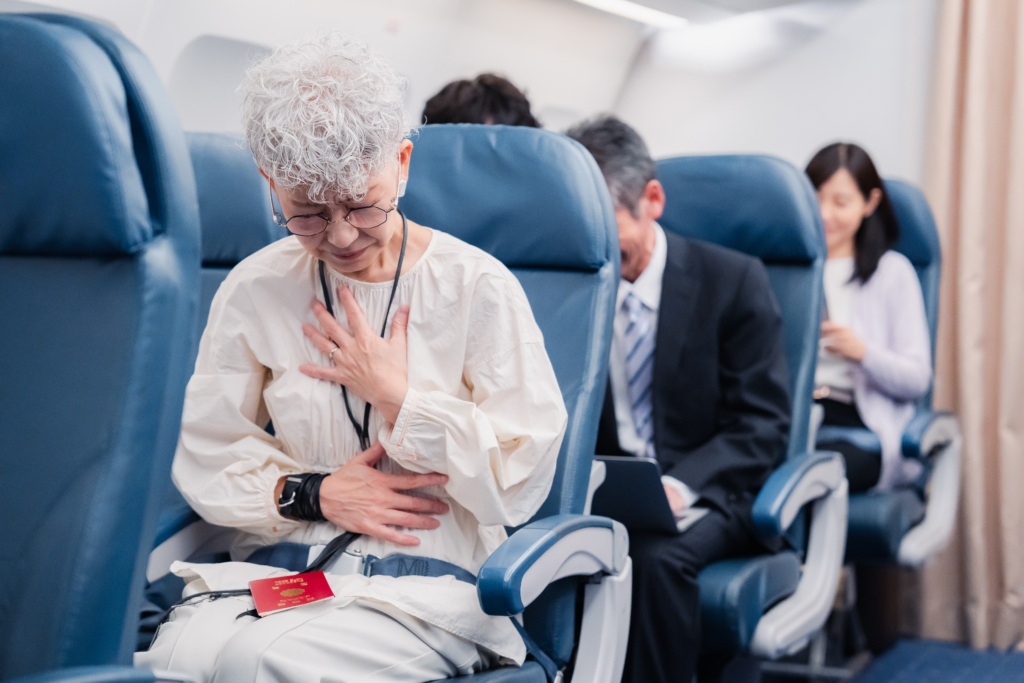
He told MPs that he and colleagues had recommended establishing a registry or long-term study around 20 years ago to better understand treatment, prognosis and outcomes after fume events, but said no such system had subsequently been established in the US.
The lack of follow-up could be even greater for passengers, Harrison suggested. While aircrew have occupational reporting mechanisms available, passengers involved in an event generally leave the aircraft with no equivalent long-term monitoring system.
“There’s nothing for passengers,” he said. “Perhaps they do have some long-term effects. But they’re scattered to the winds.”
American Airlines offers another approach to fume events
The inquiry also heard evidence about how fume events can be managed once they are reported.
Captain Rondeau Flynn, a serving American Airlines pilot and aeromedical committee chair within a coalition representing more than 30,000 professional pilots, outlined the support system available to pilots following an event at the US carrier.
A dedicated hotline can direct pilots to an emergency room, followed by referral to specialist medical or occupational health support where required. The process is accompanied by education, tracking and coordination between safety, engineering and aeromedical teams.
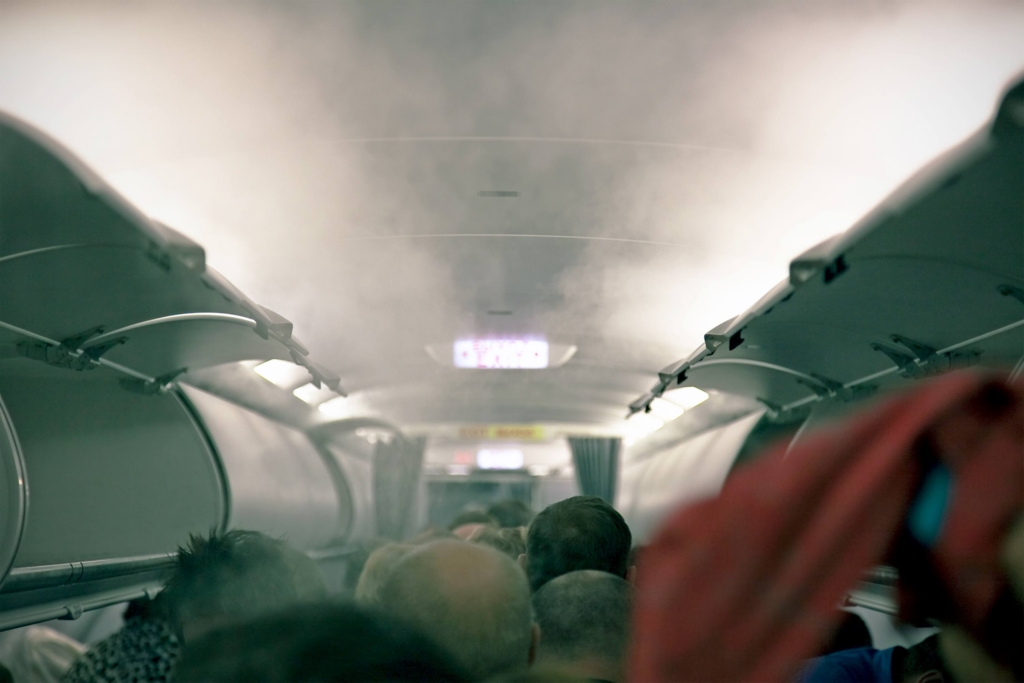
Flynn said fume events were among the most resource-intensive issues handled by the aeromedical committee, adding that some pilots had experienced more than half a dozen events during their careers.
He argued that better education and data collection should not be viewed solely through the prism of liability.
“Every feasible measure to increase the health and safety of your workforce is always what we call a smart money ROI, the return on investment,” he told the APPG.
UK cabin air inquiry moves towards recommendations
The APPG is continuing to collect evidence before drawing up its recommendations.
It is also seeking first-hand testimony from pilots, cabin crew, passengers and others who have personally experienced a fume event through an online survey.
The group expects to present interim findings from its inquiry, together with potentially some early recommendations to government, at the Aircraft Cabin Air International Conference at Imperial College London on September 22 and 23. A final report could follow around the conference or later in the autumn if further evidence is required.
For an issue aviation has debated for decades, the evidence session highlighted a relatively straightforward question now facing policymakers: if technology can collect data from the cabin while a suspected fume event is actually happening, should aircraft be required to carry it?
Have you experienced a fume event?
The APPG continues to gather first-hand evidence from pilots, cabin crew, passengers and others who have personally experienced an aircraft fume event.
Anyone with direct experience is being encouraged to complete the APPG’s cabin air quality survey, with responses helping to inform the inquiry and its recommendations.
The issue will also be examined in greater depth at the Aircraft Cabin Air International Conference 2026, taking place at Imperial College London on September 22 and 23.
The two-day event will bring together more than 30 speakers from aviation, medicine, science, regulation, labour and industry, with sessions covering fume-event reporting and investigation, medical research, cabin air monitoring, filtration, less hazardous engine oils and other potential solutions.
The APPG is expected to present findings from its inquiry at the conference as it considers what further action the UK government should take on cabin air quality.
Find out more and book tickets for the Aircraft Cabin Air International Conference 2026.
Sign up for our newsletter and get our latest content in your inbox.


More from

September 26, 20263 min read


September 25, 20264 min read


September 25, 20264 min read

September 24, 20262 min read


