


D-day for easyJet’s suitors as ‘put up or shut up’ deadline looms

4 min read
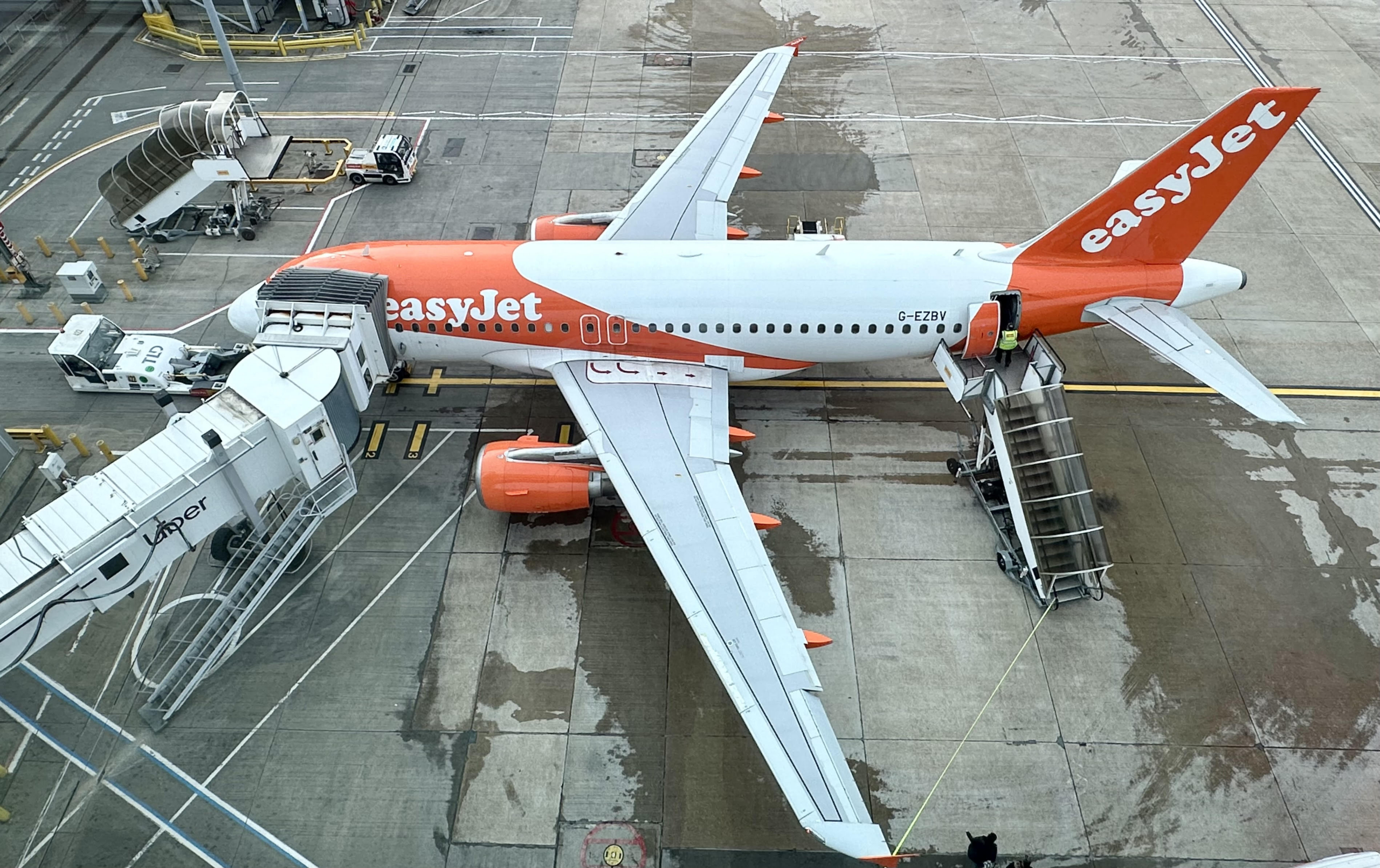
easyJet has extended the deadline for Castlelake to formalise its possible takeover offer, giving the US investment firm until Friday to decide whether to pursue its £6.90-per-share proposal.
Castlelake had been required to announce a firm offer or withdraw from the process by 5pm today, Monday 3 August. At easyJet’s request, the UK Takeover Panel has now extended that deadline until 5pm on Friday 7 August.
The move aligns Castlelake’s deadline with that already facing rival bidder Apollo, which has proposed paying £7.15 per easyJet share.
Apollo’s proposal values easyJet’s fully diluted share capital at approximately £5.7 billion and is currently favoured by the airline’s board over Castlelake’s £6.90-per-share proposal.
easyJet initially said it was minded to recommend Castlelake’s terms. However, it withdrew that provisional support after Apollo submitted its higher proposal on 8 July. The airline has since provided both bidders with access to information as they complete due diligence.
The company said it requested the extension to align the two bidders’ deadlines. It has not suggested that Castlelake has increased its offer or confirmed that either party will proceed.
Shareholders have been advised to take no action, with easyJet stressing that there is no certainty a firm offer will be made.
PUSU by Friday for easyJet takeover
The Friday deadline is known as a “put up or shut up”, or PUSU, deadline.
Under Rule 2.6 of the UK Takeover Code, a publicly identified potential bidder must normally clarify its intentions within 28 days, although the Takeover Panel can approve an extension at the request of the company being targeted.
By 5pm on Friday, Castlelake and Apollo must either announce a firm intention to make an offer under Rule 2.7 of the Code or state that they do not intend to proceed.
A Rule 2.7 announcement would set out the bidder’s offer price, financing, conditions and any regulatory preconditions. It would represent a significant commitment to proceed, although it would not mean the takeover had been completed or approved.
A bidder that walks away would generally be prevented from returning with another proposal for six months, subject to certain exceptions and the consent of the Takeover Panel.
easyJet’s decision to extend Castlelake’s deadline gives both parties the same amount of time to finish their current work and allows the board to compare any final proposals on an equal footing.
Apollo’s proposal remains subject to satisfactory due diligence, final transaction documents and a unanimous recommendation from the easyJet board. Castlelake said after Apollo entered the contest that it was considering its options.
Is easyJet being taken over?
Not yet. Neither Castlelake nor Apollo has announced a firm offer and there remains a significant regulatory question over how a US-controlled investment vehicle could acquire easyJet while preserving the airline’s European operating rights.
EU regulations require airlines holding EU operating licences to be majority-owned and effectively controlled by nationals from the EU and certain associated European states. easyJet currently limits non-EU ownership to 49.5% and can suspend voting rights to remain compliant.
Castlelake has proposed an EU partner company controlled by Irish aviation executives Peter Bellew and Mark Breen. That vehicle would hold a controlling interest in the overall ownership structure, while Castlelake and its financial partners would provide much of the investment.
Apollo has not publicly detailed its equivalent ownership structure. It has instead committed to taking the necessary steps to secure merger, foreign subsidy and other regulatory clearances.

The European Union is preparing a wider review of airline ownership rules, expected to begin in the autumn. The review is intended to clarify which corporate structures are permitted and ensure that non-EU investors cannot obtain effective control simply by assigning a majority of voting rights to European partners.
It is not a formal investigation into easyJet itself, but the timing could complicate or delay either takeover. As of 22 July, easyJet and the two bidders had not discussed their proposed structures in detail with EU regulators.
The review does not automatically prevent a deal from proceeding under the existing rules. Any bidder would, however, need to convince regulators that European investors had genuine ownership and control rather than acting as nominees for a US investment group.
There is also an important distinction between easyJet being willing to accept an attractive offer and actively seeking a buyer.
Castlelake’s approaches were unsolicited, and easyJet rejected its first four proposals as undervaluing the airline. The board only became willing to recommend a transaction after Castlelake increased its price to £6.90 per share, before switching its provisional backing to Apollo’s higher £7.15 proposal.
That suggests easyJet was not initially looking to sell, but its board is prepared to support a takeover at a price and on terms it believes deliver sufficient value for shareholders.
For now, easyJet remains an independent, publicly listed airline. Friday’s deadline should reveal whether it is moving towards a genuine takeover or whether one or both of its potential buyers will leave the departure gate.
Sign up for our newsletter and get our latest content in your inbox.


More from

October 3, 20267 min read


