Travel industry giants form coalition to advance biometric journeys in Europe

3 min read
Some of the biggest names in aviation and travel technology have formed a new coalition to push for European rules that allow passengers to use facial recognition and other biometrics throughout their journeys.
ACI EUROPE, Amadeus, IATA, IDEMIA Public Security and SITA have launched the Responsible Biometrics Travel Industry Coalition, which will engage with European Union policymakers as they develop the EU’s Digital Omnibus legislation.
The group wants the legislation to support the voluntary use of biometric identification at airports while preserving passenger privacy and the option to use conventional travel documents.
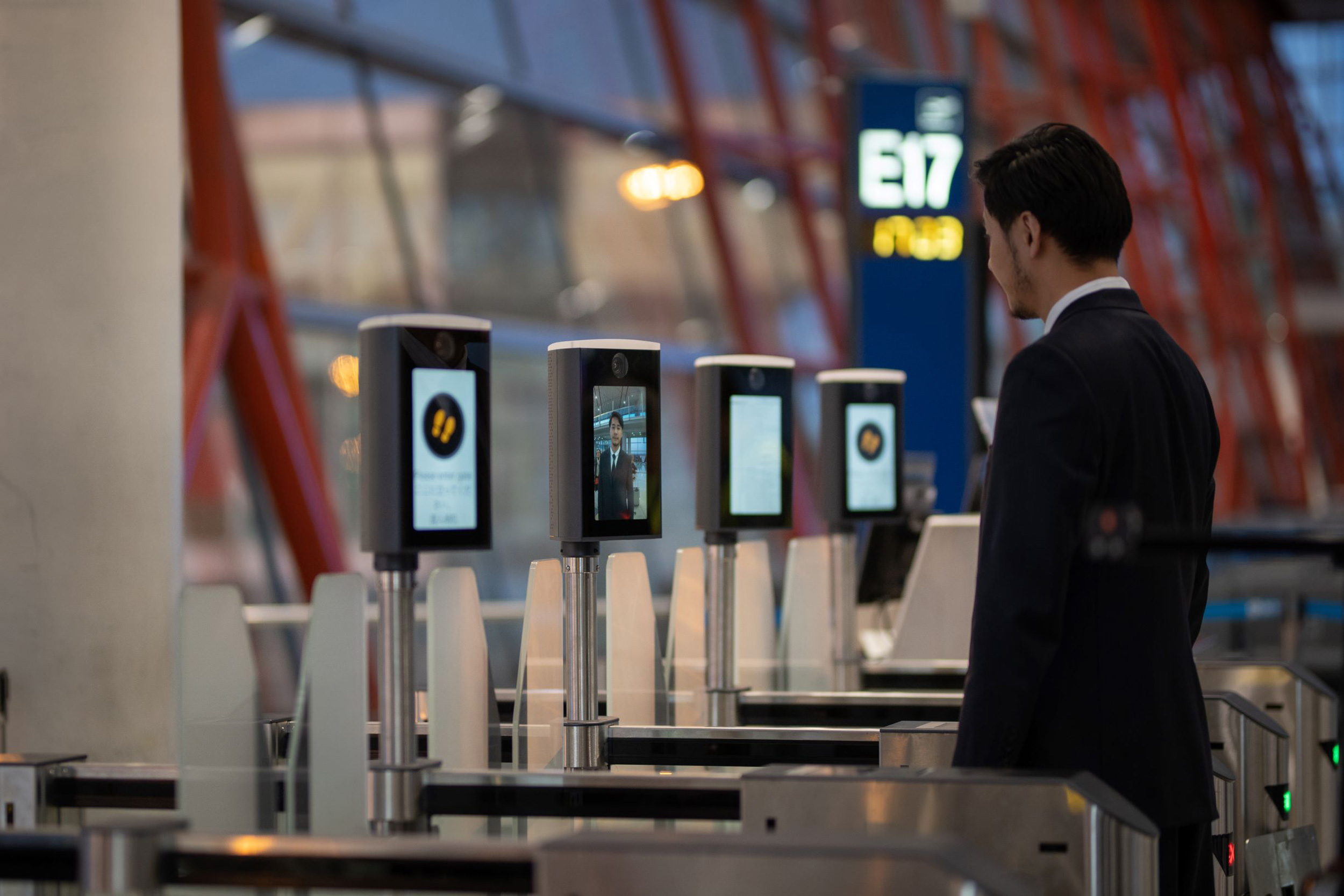
The group is forming as biometric technology advances from airport trials to wider deployment across check-in, security, border control, and boarding.
What does the new biometrics coalition want?
The EU’s proposed Digital Omnibus aims to simplify Europe’s digital rules while preserving data protection and cybersecurity standards.
Proposed in Nov 2025, it would streamline data, privacy and cybersecurity requirements, including changes to the GDPR, to cut compliance costs and remove overlaps without lowering existing protections. Biometric data used to identify people is a GDPR special category with extra safeguards.

The coalition brings together organisations covering much of the aviation biometric ecosystem.
ACI EUROPE represents airports. IATA represents more than 370 airlines. Amadeus provides technology across airlines, airports and other travel companies. SITA supplies airport, airline and border technology. IDEMIA Public Security specialises in biometric identity and security systems.
The coalition warns that the Omnibus could unintentionally restrict voluntary use of biometrics. It seeks clearer rules that preserve passenger choice, privacy safeguards, and non-biometric alternatives, while ensuring technology-neutral, safeguard-backed processing and clear use limits.
“EU policymakers have the opportunity to put Europe in the global lead on biometric regulation. The benefits of the latest technologies are clear: they can protect passenger data privacy and open a more seamless and efficient travel process,” The coalition stated in its announcement.
It added that biometric journeys should “always be based on passenger choice and voluntary participation.”
The coalition has published an Advancing Responsible Biometrics in Europe manifesto setting out its proposals.
Why airports want more biometric processing
For airports, biometrics can help process more passengers without continually expanding physical infrastructure.
Instead of repeatedly presenting a passport and boarding pass, a passenger’s identity can be verified digitally at several points in the journey.

The coalition argues that this can increase passenger throughput, improve passenger flows through terminals and make better use of existing airport capacity. Airport staff can also spend more time assisting passengers who need help, instead of performing routine document checks.
The International Civil Aviation Organisation expects global passenger numbers to increase from 4.6 billion in 2024 to 12.4 billion annually by 2050.
Processing that growth through airports will require a combination of additional infrastructure and technology that can increase the capacity of existing facilities.
Passengers are increasingly comfortable with biometrics
IATA’s 2025 Global Passenger Survey found that 50% of passengers had used biometrics during an airport journey, compared to 46% in 2024.
Among passengers who had used the technology, 85% said they were satisfied with the experience.

Some 74% said they would be willing to share biometric information if doing so meant they could avoid presenting passports or boarding passes at checkpoints, including check-in, security, border control and boarding.
However, IATA’s research also shows that privacy and the handling, storage and deletion of personal information remain concerns as biometric identification becomes more widespread.
Biometrics are becoming part of the digital travel journey
The debate is shifting beyond whether airports can identify passengers biometrically. Technology already supports this, though policy needs to catch up.
The question ahead is how biometric identity can become part of routine travel while giving passengers meaningful control over some of their most sensitive personal data.
The new coalition wants an EU framework that allows biometric technology to expand with voluntary participation, privacy protection and a non-biometric alternative as fundamental parts of the system.