EU review of airline ownership rules could break easyJet’s investor deal

5 min read
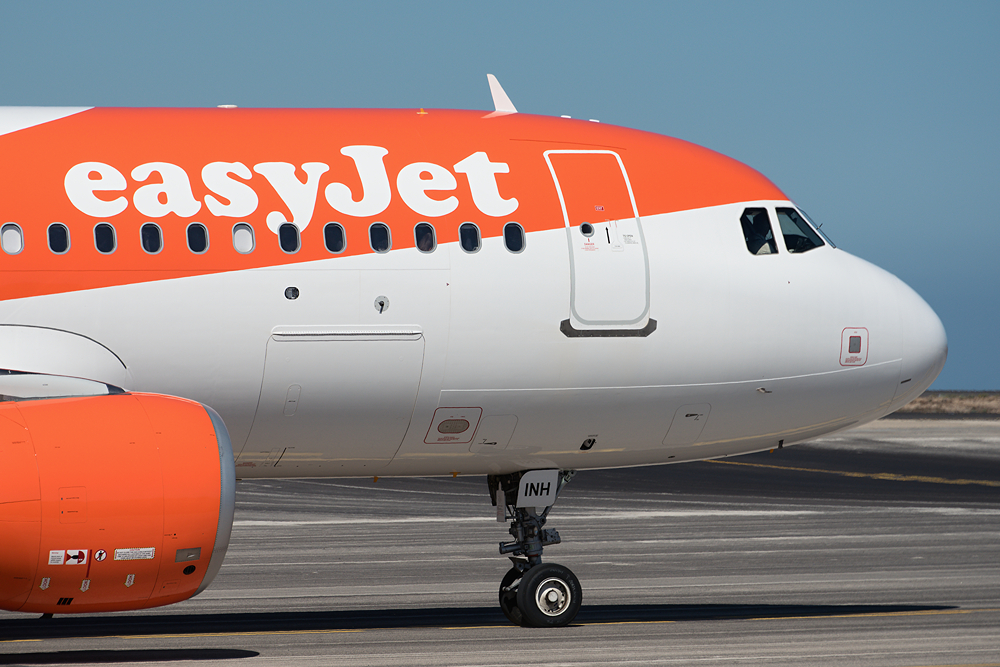
The European Union (EU) has said it is preparing to conduct a review of the rules governing ownership and control of EU airlines by foreign owners.
The review comes in response to the interest from two overseas investors in the European low-cost carrier, easyJet, over recent weeks. While the review is due to get underway later this year, it remains unclear as to how the review is likely to affect these bids.
EU to launch review of European airline ownership rules
In light of growing concerns that the control of EU-based airlines could be offshored (that is, with effective ownership passing to consortia based outside the EU), the European Union has launched a review to revisit its current regulations regarding foreign ownership.
The EU has said that, by conducting the review, it wishes to scrutinise the rules governing autonomy to ensure that control of regional carriers remains within the bloc, an official told Reuters.
The announcement comes amid a bidding war between two US-based investment firms for the control of easyJet, one of Europe’s largest scheduled passenger airlines.
With bidder Castlelake proposing a complicated shareholder structure so that the EU rules are ostensibly complied with, aviation analysts believe that the process will become far more complex as the bids proceed, and that the limits of the current EU rules will be tested. The alternative bidder, Apollo Global Management, is yet to propose how it plans to meet EU majority ownership requirements, a key hurdle for any non-EU acquisition of a European airline.

The value of easyJet shares has soared in recent weeks following the original announcement by Castlelake in June that it was preparing to make a bid for the budget carrier. The shares rose even higher when Apollo stated an intention to bid, trumping the £5.5 billion bid by Castlelake with an offer of £5.7 billion.
However, since the announcement of the EU review on 22 July, the share value has tumbled back by 12%, as shareholders worry about what this could mean for both bids. The drop marked the largest drop of easyJet shares in a single day since 2020, illustrating the cautious tone that the EU announcement is causing in the market.
“This is to ensure that foreign investors don’t have full control,” the official told Reuters, asking not to be named due to the sensitivity of the matter. “We need to make sure we have sufficient headroom when it comes to control.”
Where do the boundaries of ownership and control lie?
The sticking point for both bids will be whether authorities in the UK and Europe can be convinced that control of easyJet will remain in local hands. Castlelake had previously said that it would take ownership of easyJet via two co-investors who would acquire 51% of the voting rights, with Castlelake retaining the remaining 49%.
The two co-investors have been identified as Peter Bellew, former easyJet COO and former Ryanair executive, and Mark Breen, CEO of Dublin-based Oneiros Aerospace.
As both are EU nationals, Castlelake believes that this will satisfy the requirement that EU airlines be majority-owned and effectively controlled by EU nationals.
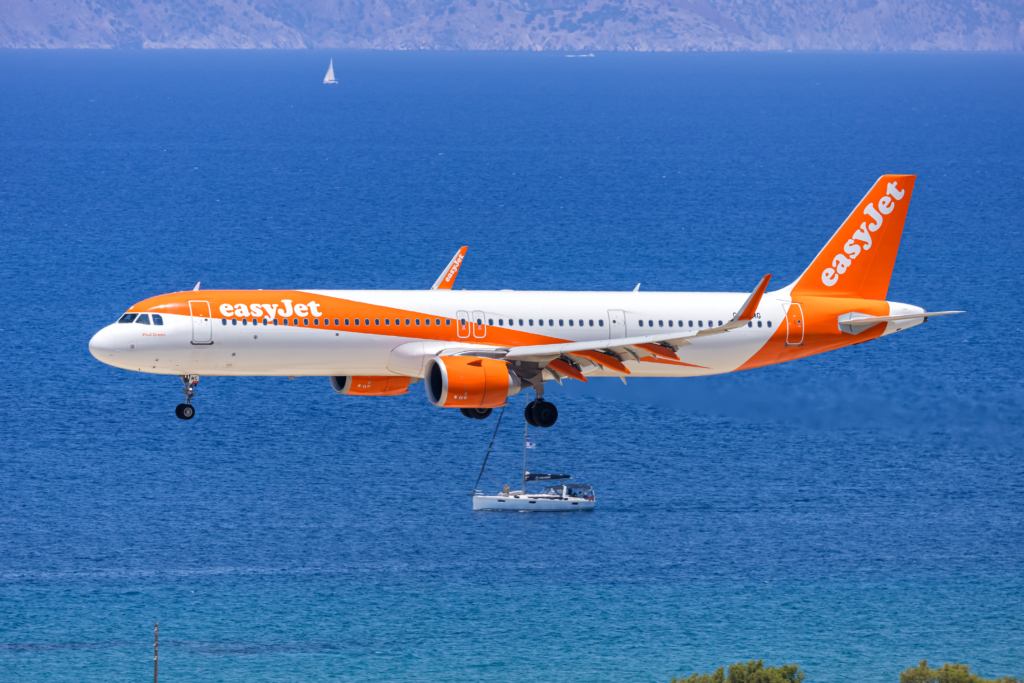
However, ownership alone is not enough. European aviation regulators look at “effective control”, which includes questions such as who appoints the majority of the board, who has the right to remove directors, who controls strategic decisions such as budgets, fleet purchases and route planning, and whether there are veto rights that allow a non-EU investor to exercise decisive influence despite owning less than 50%.
Analysts are watching the easyJet situation closely, believing that it could set an important precedent for the European aviation industry as a whole. The fear is that any successful deal could open the door to further private equity buyouts in the closely regulated European airline industry.
The EU official told Reuters said that the review, likely in the autumn of 2026, would look to clarify which kinds of corporate structures were allowed, especially around control and ownership. The official said Apollo, Castlelake and easyJet had not spoken to the European regulators about the details of their proposed deals.
Setting an important precedent for the future
The EU spokesperson added that it didn’t want to appear as a soft touch when it came to regulation, and it was aware that it had the opportunity to set a precedent in the easyJet case that may become useful in the future.
While analysts say that a full blocking of either of the tabled bids for easyJet was unlikely at this stage, they believe that the review could delay any outcome, should the EU give it priority over the completion of any such bid.
Why does this all affect easyJet?
While easyJet is a UK-based company, it relies on EU licences to operate bases and routes across the bloc. It has capped non-EU ownership at 49.5% to comply with EU rules post-Brexit. Castlelake already holds a 2.14% stake in easyJet, making it one of the carrier’s top 10 shareholders.
Apollo has until August 7 to formalise a deal and has not yet disclosed how it plans to comply with the regulations.

From both bidders’ perspectives, easyJet appears as an attractive takeover prospect given its current share price. Despite recent losses, the airline is expected to bounce back to profitability over the summer months, fuelled in part by its successful in-house tour operation, easyJet Holidays.
Along with an extensive and diverse European and North African network, a large and modern all-Airbus fleet, and lucrative slot portfolios at some of Europe’s most important airports, such as London Gatwick, Rome, Amsterdam, Geneva, and Paris Charles de Gaulle, the airline holds one of the strongest market positions in Europe.
Sign up for our newsletter and get our latest content in your inbox.


More from

October 17, 20265 min read

October 17, 20264 min read