Sunlight after sunset? Eärendil-1 approval tests the limits of space regulation


The US Federal Communications Commission (FCC) has approved Eärendil-1, a demonstration satellite developed by California-based startup Reflect Orbital that is designed to reflect sunlight onto selected locations on Earth after sunset.
The decision clears the way for what would become the first spacecraft built specifically to redirect natural sunlight back to the Earth’s surface, a concept intended to extend the operating hours of solar farms and other commercial applications.
While the approval covers a single demonstration satellite, it has already sparked a wider debate about how emerging space technologies should be regulated.
Reflect Orbital argues that orbital reflectors could make better use of existing renewable energy infrastructure. Astronomers counter that deliberately illuminating the night sky raises questions that current satellite licensing frameworks were never designed to address.
The case has therefore become an early test of how regulators, scientists, and industry will balance commercial innovation with the protection of one of Earth’s shared natural resources.
Eärendil-1 differs fundamentally from the thousands of satellites already operating in low-Earth orbit
It is not designed to provide communications, navigation, or Earth observation services. Instead, the spacecraft will carry an 18-metre by 18-metre thin-film reflector intended to redirect sunlight onto selected locations while orbiting at an altitude of around 600 to 650 kilometres.
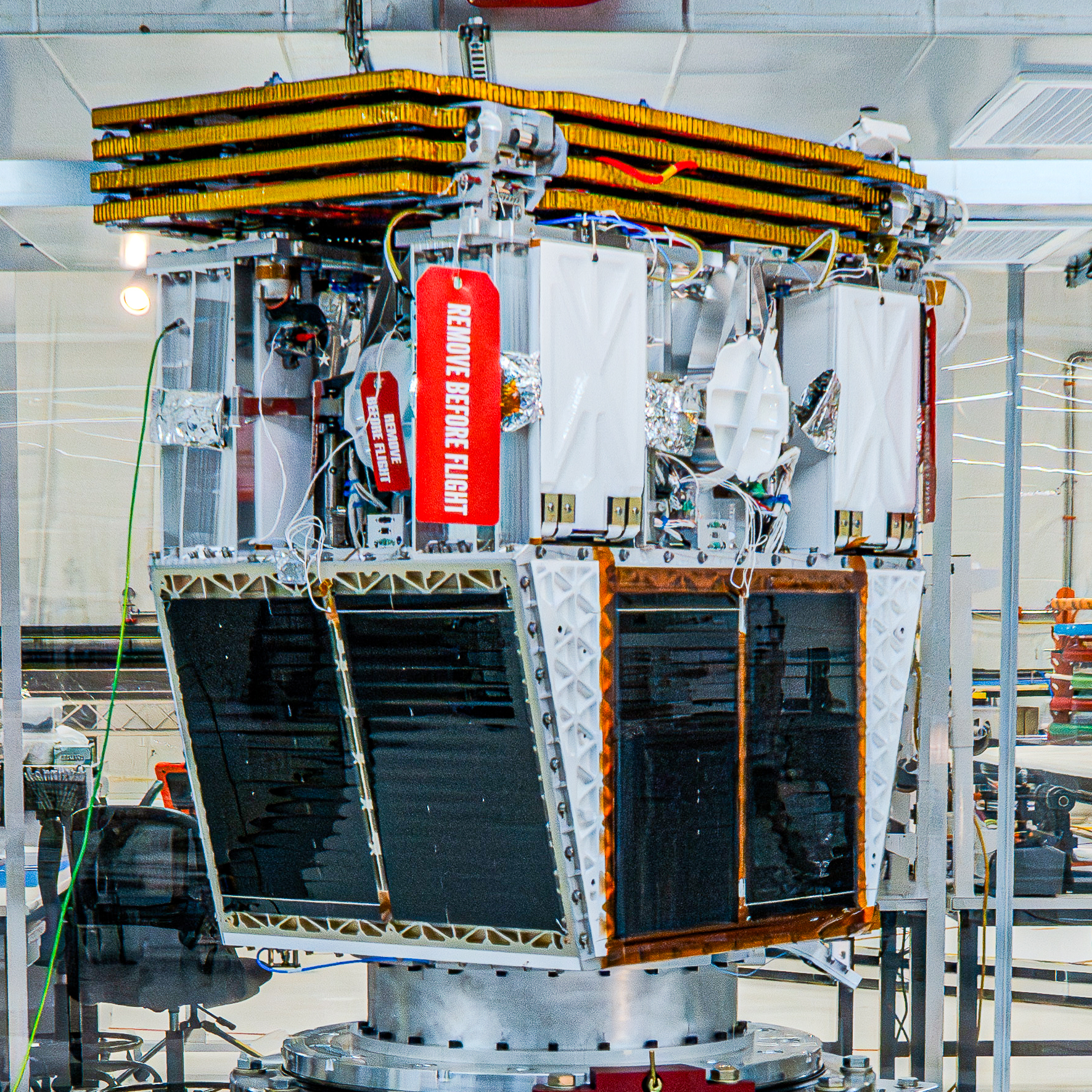
Reflect Orbital has presented the mission as a technology demonstrator for a longer-term concept that could eventually support solar power generation beyond sunset using orbital reflectors.
Reflect Orbital believes sunlight from space could extend renewable energy generation
The company says the idea addresses one of solar power’s biggest limitations.
Electricity demand in many countries reaches its highest levels during the evening, just as solar generation declines after sunset. Although battery storage has become an increasingly important part of modern electricity networks, batteries store energy rather than create additional generation capacity.
Reflect Orbital argues that orbital mirrors could extend the operating hours of existing solar farms by reflecting sunlight onto them before sunrise or after sunset. Rather than replacing batteries, the company sees the technology as complementing energy storage by allowing solar installations to continue producing electricity for longer periods using existing panels, inverters, grid connections, and land.
According to the company, extending the daily generation window could improve the utilisation of existing solar infrastructure without requiring additional ground-based construction. It argues that increasing the output of existing solar farms could become increasingly valuable as solar energy accounts for a growing share of electricity generation in many countries.
The concept represents a different approach to increasing renewable energy production.
While most investment has focused on improving photovoltaic efficiency, battery storage, or grid infrastructure, Reflect Orbital is proposing to increase the amount of usable sunlight itself by using space-based reflectors.
That proposition has attracted attention well beyond the energy sector.
Astronomers argue that reflected sunlight creates a different challenge from conventional satellites
Concerns over satellite constellations are not new.
Large communications constellations have prompted years of discussion about their impact on astronomical observations, particularly during twilight when satellites remain illuminated by the Sun.
Eärendil-1, however, represents a different category.

For conventional satellites, reflected sunlight is an unavoidable consequence of spacecraft operating in orbit. In Reflect Orbital’s case, reflecting sunlight is the primary mission.
That distinction lies at the centre of objections raised by the American Astronomical Society (AAS), which represents more than 8,500 professional astronomers across the United States.
In a petition asking the FCC to deny the application, the organisation argued that the mission is specifically designed to disrupt the natural darkness of the night sky rather than producing reflected light as an unintended side effect.
It warned that even a single reflector satellite could interfere with optical astronomy by overwhelming sensitive detectors and affecting observations of faint celestial objects.
The AAS also argued that the effects would extend beyond the intended illumination area because sunlight scattered through the Earth’s atmosphere would create a broader halo around the reflected beam.
According to the society, this could affect observations at professional observatories as well as amateur astronomy, particularly during the period between nautical and astronomical twilight when many scientific observations are conducted.
Beyond astronomy, the organisation said the proposal raised wider questions about light trespass and the potential effects of introducing artificial daylight into areas that had not chosen to receive it.
Research suggests brightness, not satellite numbers alone, is becoming the critical issue
The debate surrounding Eärendil-1 has also been shaped by new research examining how satellite constellations affect the night sky.
A recent study led by astronomer Olivier Hainaut evaluated the impact of current and proposed satellite constellations on astronomical observations, modelling not only visible satellite trails but also scattered light and changes to the natural brightness of the sky.
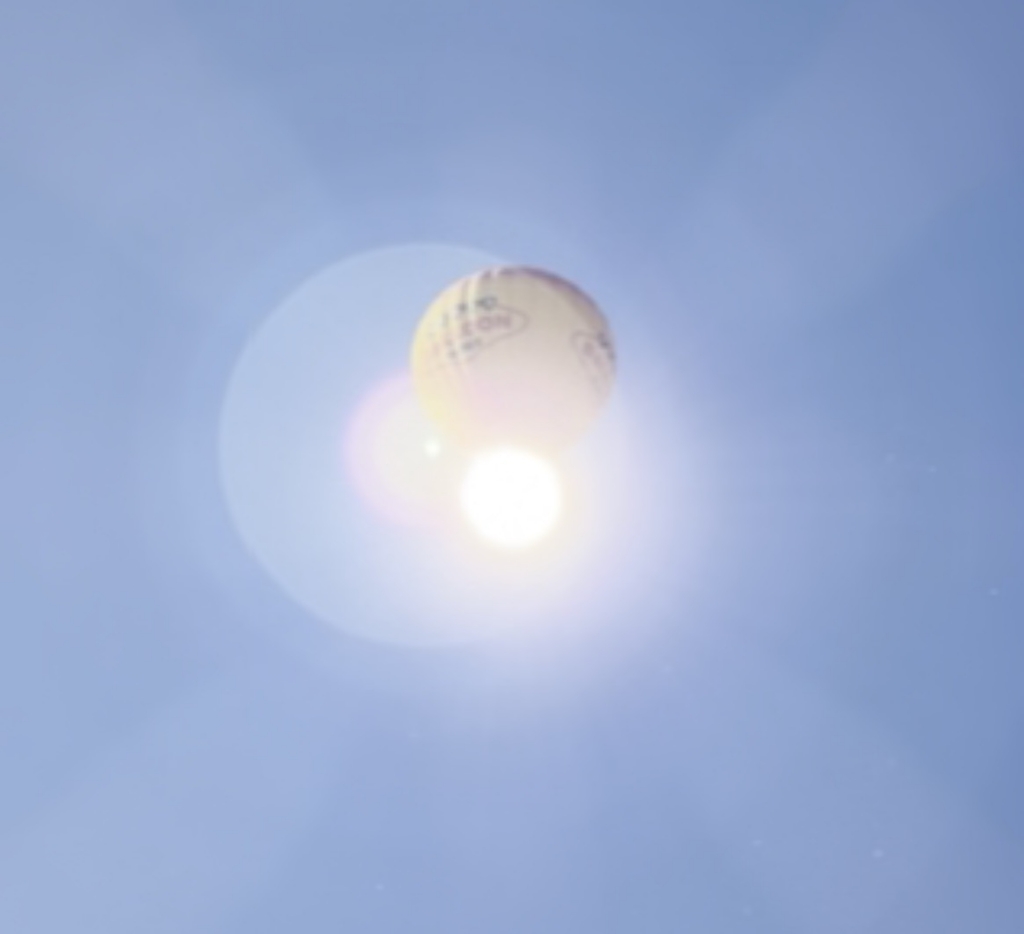
The study found that constellations of around 60,000 satellites would have only a negligible effect on natural sky brightness provided individual satellites remain fainter than magnitude 7 at an altitude of 550 kilometres, a level generally too dim to be seen with the naked eye.
The findings suggest that satellite brightness, rather than the number of spacecraft alone, is becoming one of the most important factors in preserving astronomical observing conditions.
Reflective satellite concepts, however, produced markedly different results.
According to the modelling, a constellation comparable to Reflect Orbital’s long-term concept of around 5,000 highly reflective satellites could increase scattered sky brightness by between 20% and 30%.
A fleet of 50,000 such spacecraft could raise background sky brightness by between 200% and 300%, substantially affecting ground-based observations. The study also found that extremely bright satellites could saturate astronomical detectors even when deployed in relatively small numbers.
The research does not assess Eärendil-1 as a standalone spacecraft. Instead, it examines how large constellations of intentionally bright satellites could influence future astronomical observations if deployed at scale.
The case exposes a regulatory question extending beyond one satellite
The Eärendil-1 application has highlighted an issue that extends beyond astronomy.
Modern satellite regulations were largely developed for spacecraft providing communications, navigation, weather forecasting and Earth observation services. Technologies designed to intentionally modify conditions on the Earth’s surface occupy a far less defined regulatory space
In its petition, the American Astronomical Society argued that the proposal should be assessed not only for its impact on astronomy but also for its potential effects on human health, ecosystems and unwanted light trespass before any wider deployment is considered. The organisation maintained that such issues should form part of the public-interest assessment required for satellite licensing.

The concerns reflect a broader challenge facing regulators as commercial space companies move into new markets that extend beyond traditional satellite services.
Companies are now developing spacecraft for in-orbit manufacturing, orbital computing, space-based solar power, pharmaceutical research and other commercial applications that were largely absent when many regulatory frameworks were established. Reflect Orbital’s proposal adds another category that is spacecraft designed to project natural sunlight onto the Earth’s surface.
As commercial activity in orbit becomes more diverse, policymakers are likely to face increasing pressure to determine which agencies should evaluate environmental and societal impacts that fall outside conventional space licensing.
A single demonstration could shape future policy
For now, the approval relates to a single technology demonstrator rather than an operational constellation.
The Eärendil-1 mission has brought into focus questions that the commercial space industry has rarely confronted before. How should regulators assess technologies that intentionally alter the night environment? Where should the balance be struck between commercial innovation and protecting the night sky? And which authority should decide where that balance lies?
Those questions are unlikely to be answered by a single demonstration mission. But Eärendil-1 has ensured they are now firmly part of the conversation.