COMAC’s C909 now operates 70% of China’s regional jet routes after a decade of service

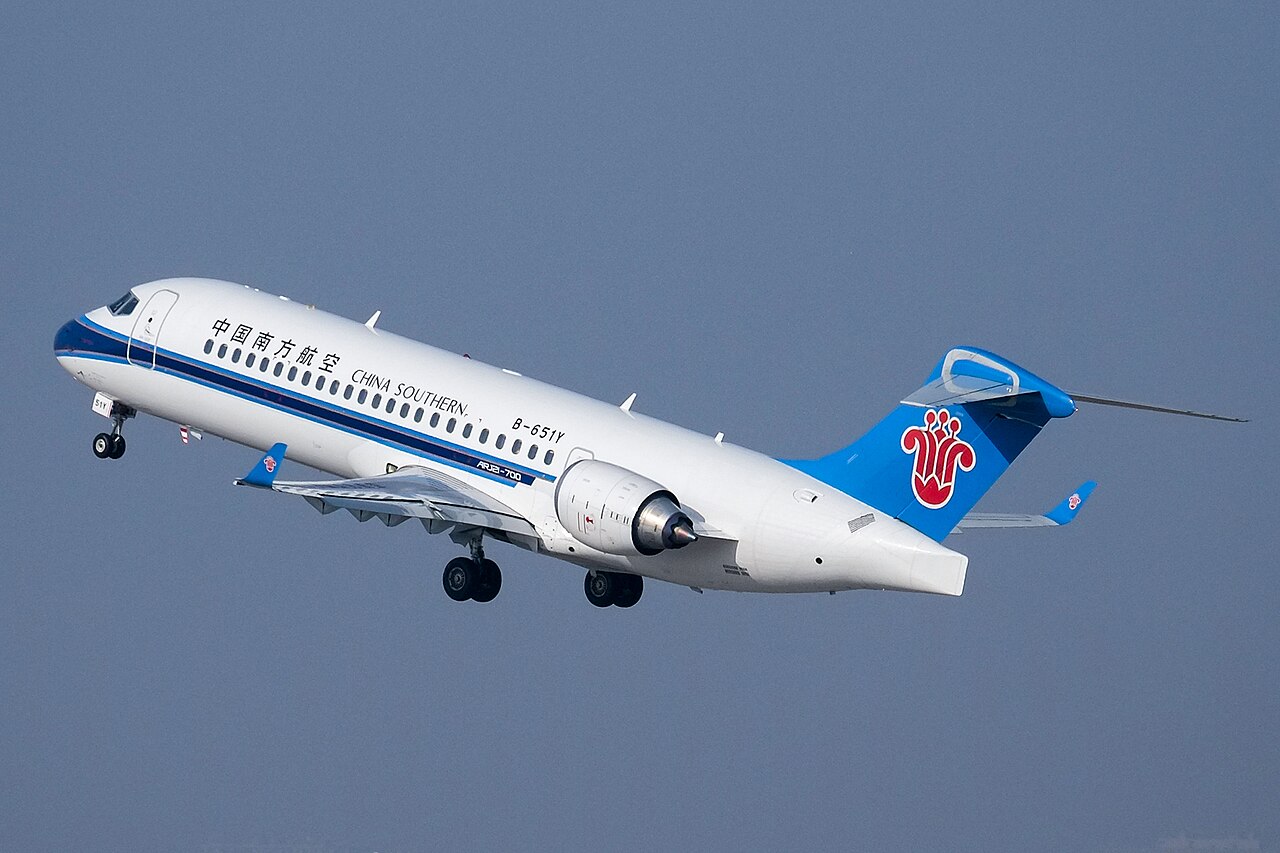
China’s Commercial Aircraft Corporation (COMAC) celebrated the 10th anniversary of the C909 regional jet’s entry into commercial service on 28 June.
To mark the anniversary, the planemaker highlighted just how dominant the aircraft has become in serving regional domestic routes across China, giving further details as to just how dominant the narrowbody twinjet has become.
COMAC’s C909 reached ten years of commercial airline service
In a press release issued on 28 June, COMAC stated that its domestically developed C909 regional jet has so far transported over 37 million passengers during its first decade of commercial service.
Since the first of the type was delivered in June 2016 (then known as the ARJ21), more than 186 of the type have been delivered to ten customers, both within and outside China.
Notably, Shanghai-based COMAC advised that with large numbers of the type now flying routinely across China, flights using the C909 now account for around 70% of China’s regional jet market, which itself represents a major milestone for China in its efforts to build a competitive regional commercial jet for the growing domestic market.
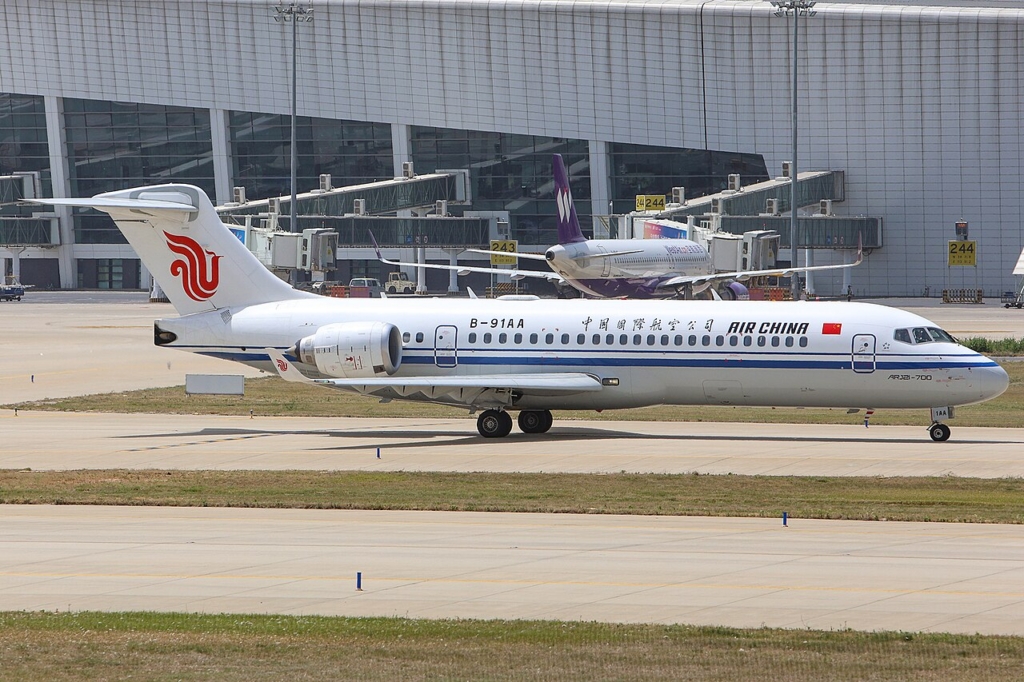
COMAC added that the aircraft now operates more than 860 routes linking over 180 cities and averages more than 500 flights a day, making it the dominant aircraft type in China’s regional aviation sector.
With this domination in the regional jet market, the aircraft has proved to be most popular with operators seeking a short-haul jet that can fly regional routes quickly and safely, where other larger types, such as the Boeing 737 or the Airbus A320 would be too large and uneconomic to operate.
The aircraft also benefits from versatility, being able to operate from short runways in hot-and-high conditions.
The importance of regional jets within the Chinese domestic market
Regional aviation has become an important part of China’s aviation growth strategy as the country seeks to improve air connectivity, particularly in western and border regions.
In these regions, dispersed populations and geographical considerations make the need for air connectivity even greater. However, passenger volumes tend to be lower than in built-up regions, thus requiring smaller aircraft.
With air travel becoming more affordable and personal income rising, the propensity to travel by air has risen over recent years, with many regions across China benefiting from a travel boom.
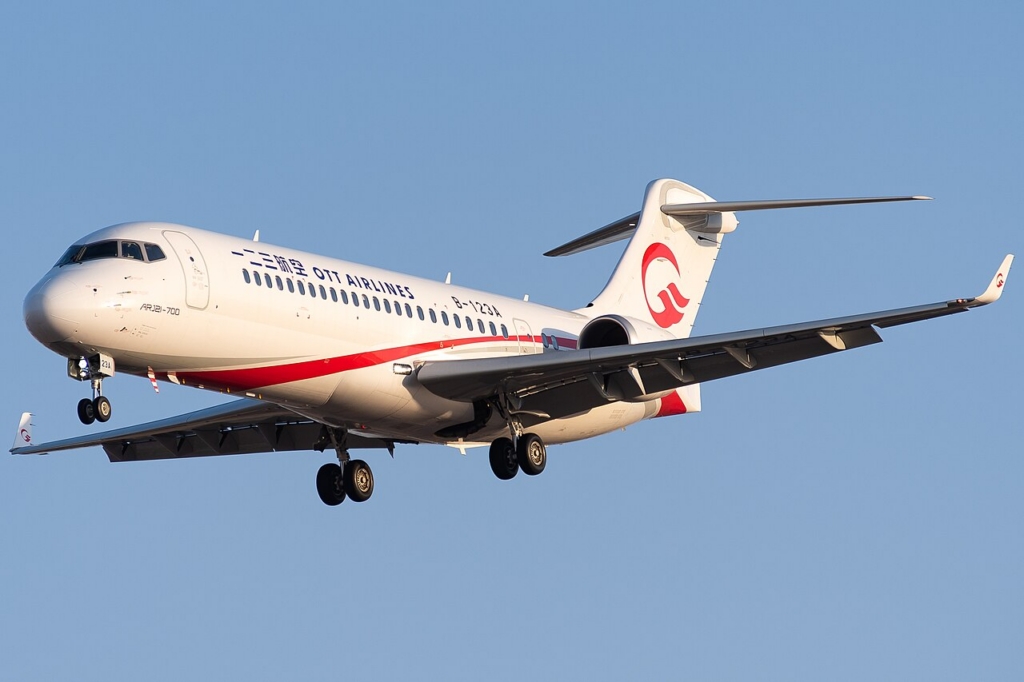
Specifically, COMAC noted that around 70 C909 aircraft are now deployed in the Xinjiang and Inner Mongolia autonomous regions as well as Heilongjiang province, where they operate more than 460 routes.
The aircraft have completed about 200,000 flights and transported more than 10 million passengers across these three regions alone.
The C909 increases its popularity outside of China
Along with developing a niche for lighter regional routes, COMAC added that the C909 aircraft had also become increasingly integrated into China’s hub-and-spoke aviation network, transporting passengers from smaller regional airports to major hubs while allowing airlines to maintain flight frequency and reduce operating costs on lower-demand routes.
However, it is not just domestic regional routes within China where the C909 has found a specialism. COMAC has also expanded the C909’s footprint into Southeast Asia as the company seeks to establish a greater international presence for the regional jet.
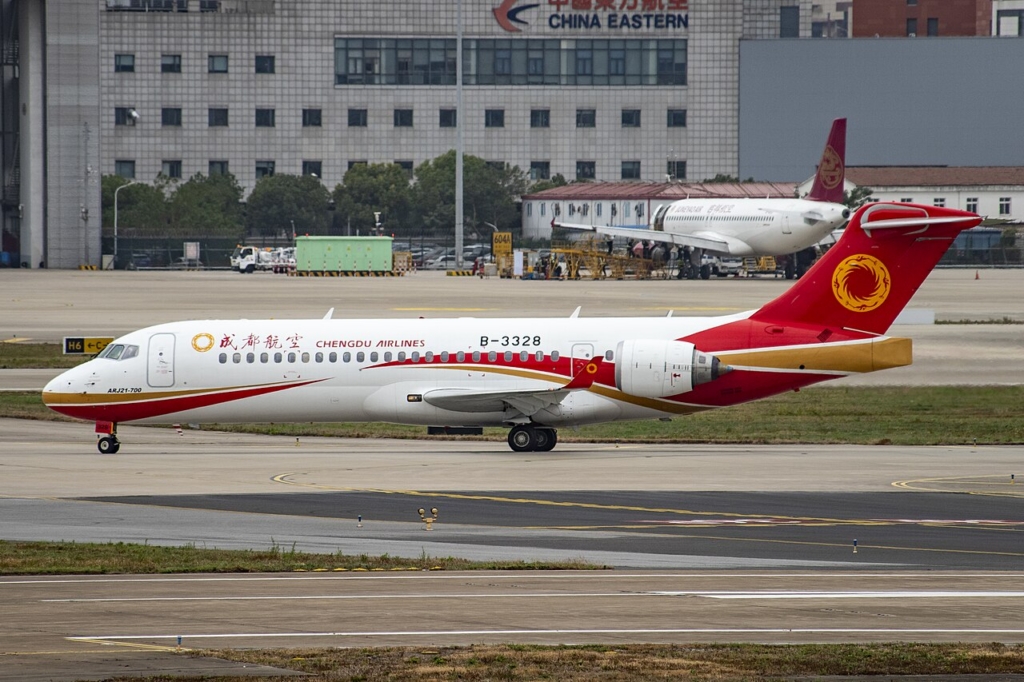
The planemaker said that the C909 is currently serving 25 overseas routes connecting 28 cities in countries including Indonesia, Laos and Vietnam, carrying more than one million passengers annually outside China.
These overseas operations have helped demonstrate the aircraft’s performance on short runways and in hot and humid tropical conditions, while also expanding COMAC’s customer support network, the company added.
In addition to being operated by Chinese airlines, including Chengdu Airlines, Air China, China Eastern Airlines, China Southern Airlines, Jiangxi Air, Genghis Khan Airlines, China Express Airlines, Colourful Guizhou Airlines, and Urumqi Air, the C909 has found a home for itself with overseas operators, including Indonesia’s TransNusa, Lao Airlines, and Vietnam’s VietJet.
The latter recently signed an agreement for ten new-build C909s, some of which will be used to serve the carrier’s routes to Con Dao Island.

Con Dao Island is one of Vietnam’s most sought-after tourist destinations, but its airport has long been a bottleneck.
The runway at Con Dao is just 1,830 metres long and 30 metres wide, limiting which aircraft can land there. VietJet cannot fly there with any of its Airbus aircraft, yet the airline has found that the C909 is ideally suited to the route.
Other C909 variants are being developed
Originally developed as the ARJ21 before being rebranded as the C909 in late 2024, the aircraft is designed to seat up to 90 passengers on short and medium-haul regional routes. The type is the smallest of a family of aircraft being developed by COMAC to serve both the Chinese market as well as seeking customers further afield.
The company’s larger C919 seats around 180 passengers and is a direct competitor to the Boeing 737 and Airbus A320 families, while the widebody C929 is being developed to compete in the long-haul twinjet market against the likes of the Boeing 787 and the Airbus A330.

In addition to the passenger version of the C909, COMAC has also developed several specialised variants based on the C909 platform, including business jet, aerial fire-fighting, freighter, medical transport and emergency command versions, as it broadens the aircraft’s commercial applications.
With a decade of successful flying behind it, the C909 continues to form an important part of China’s broader ambition to reduce reliance on foreign aircraft manufacturers while expanding aviation expertise with its home state.
Featured image: Windmemories / Wikimedia Commons