Fuel crisis forces Russian airlines to slash consumption by a third

4 min read

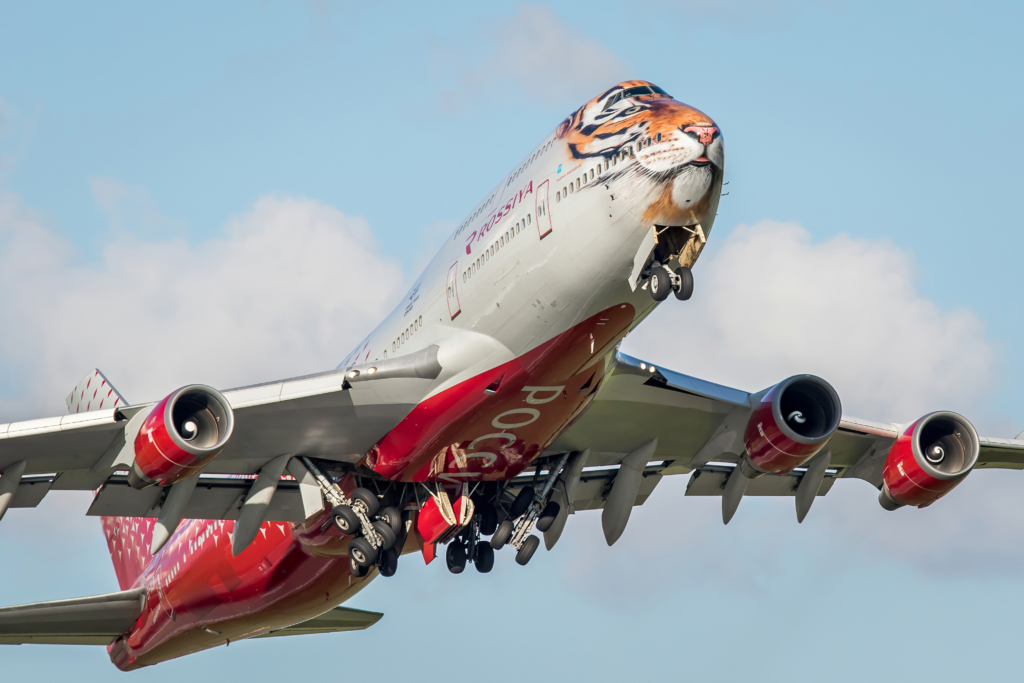
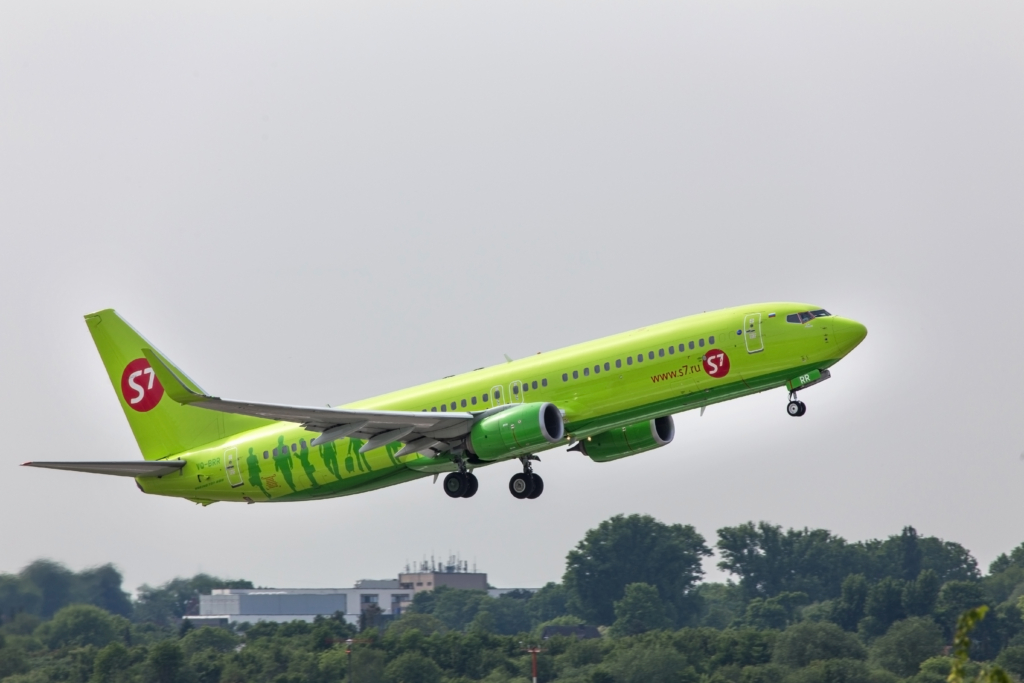
Russia’s Azimuth airline is warning that the existing flight schedule is “losing all economic sense” due to rapidly worsening aviation fuel shortages coupled with price spikes. It is saying this is true for both domestic and international routes.
Russia fuel shortages require airlines to cut fuel use by one third
The Russian civil aviation-focused Telegram channel, Aviatorshchina, posted an article entitled “‘Flights Are Losing All Economic Sense’: Azimuth Warns of a Critical Aviation Fuel Situation.”
Aviatorshchina is regularly cited by established Russian news outlets like Kommersant, Aviaport.ru, and others. The channel has a reputation for access to internal documents and sources in Russian civil aviation.
Aviatorshchina reports that the Russian airline, Azimuth, has warned of the Russian civil aviation sector facing a critical fuel shortage. Azimuth has asked Russia’s Association of Air Transport Operators (AEVT) to appeal to the Ministry of Energy for measures to stabilise the situation.
The airline says that since the beginning of June, its main aviation fuel supplier has informed it that it would need to reduce fuel consumption by around a third of the volumes that had previously been requested.
The supplier added that alternative suppliers also lack the necessary fuel needed to meet Russia’s aviation demand. It is worth noting that Ukraine’s drone attacks continue apace and are getting more frequent and damaging.
Ukrainian drone attacks are also quickly isolating Crimea and making sustaining the peninsula unsustainable.
Jet fuel prices are spiking in Russia
At the same time, Azimuth notes that fuel prices have risen sharply as the shortage bites.
Aviatorshchina writes, “the average increase in aviation fuel prices at Russian airports since the beginning of June has exceeded 17%, with some locations experiencing much larger increases.” Makhachkala in Russia’s Dagestan region has seen jet fuel prices spike 64%.
This is not due to disruptions in the Middle East and the Strait of Hormuz. Azimuth says that as aviation fuel prices spike in Russia, they have been falling globally for the last three consecutive months.
Gasoline prices in Russia are increasing each week now. There is clearly a supply problem. https://t.co/Fn6F7Ftztc pic.twitter.com/NXCoVmVD9A
— Janis Kluge (@jakluge) June 17, 2026
OSINT account, Woofers, posted today, “Diesel and gasoline prices across Russia are sharply rising at a pace never seen before. We can expect record highs. Daily. Maybe for months. Will eventually cause demand destruction, which will have additional economic consequences.”
Get the latest aerospace defence news here on AGN.
Ukraine’s drone campaign is wreaking havoc
In May, AGN reported that Russia banned fuel exports. Some pro-Russian accounts attributed that to shortages caused by the Strait of Hormuz, even though Russia is a fuel exporter, not an importer.
Another chaotic video from Thursday morning’s large-scale Ukrainian drone and missile attack against the Russian capital of Moscow, which shows several Arabic-speaking Russian soldiers attempting to shoot down drones using Man-Portable Air-Defense Systems (MANPAD) while civilians… pic.twitter.com/N3KP24uauk
— OSINTdefender (@sentdefender) June 19, 2026
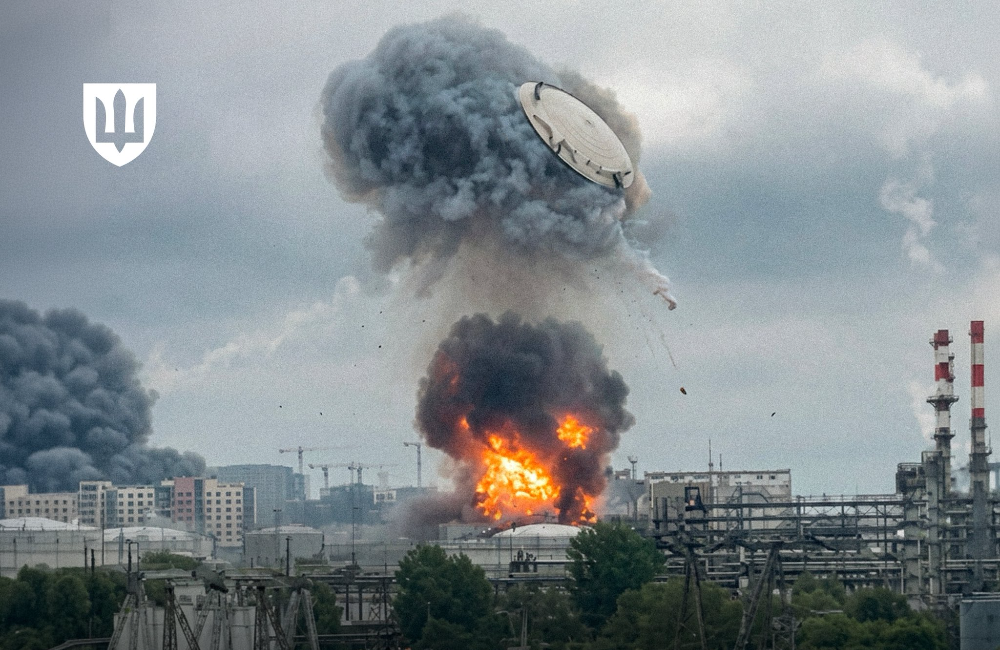
Now it’s the end of June, and the fuel shortage is deteriorating rapidly due to unrelenting Ukrainian strikes on Russian fuel infrastructure. Russia appears to be facing a perfect storm of increased Ukrainian drone types and capabilities, increased numbers of Ukrainian drones, and its own air defence network straining and cracking under the pressure.
Mezdua reports that Russia’s fuel crisis began in late May 2026 as Ukraine intensified its attacks on oil refineries. Reuters reports that Russia’s gasoline production has fallen by around 25% just between the 15th and 21st of June, compared to what it would typically be.
Russia is rolling out restrictions on fuel sales for cars across much of the country, including in Russia’s Siberia, far away from kinetic actions. The fuel restrictions have even struck Russia’s Khanty-Mansi region, which is Russia’s primary oil-producing region.
A Russian fuel tanker dodges an attack by a strike drone at the last moment. pic.twitter.com/1sbn6Ysu69
— Special Kherson Cat 🐈🇺🇦 (@bayraktar_1love) June 20, 2026
Reuters estimates that the large Moscow refinery attacked by Ukraine (made famous for the flying tank top) won’t be operational again until 2027.
Featured Image: Wikimedia Commons