


easyJet pushes back over “highly opportunistic” Castlelake takeover interest

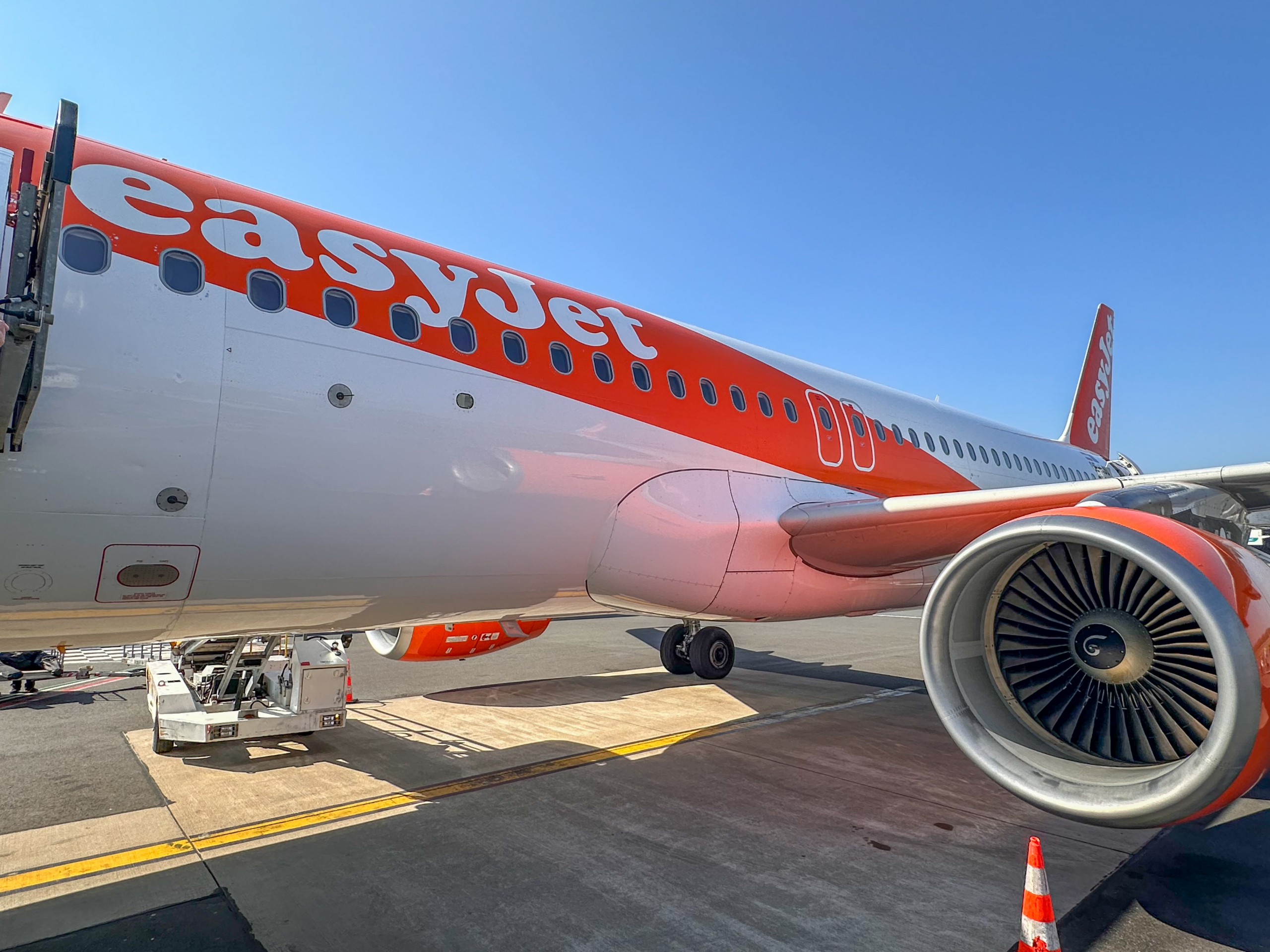
London Luton-based carrier easyJet has so far pushed back on interest shown by US investment firm Castlelake over a possible takeover of the European low-cost carrier. Referring to the attention of Castlelake as “highly opportunistic”, the carrier has said that it has so far received no formal proposal from the US firm, and that no current talks are ongoing.
Castlelake circles easyJet for a possible takeover bid
Like many European airlines, easyJet’s share price is currently significantly down on last year’s value. Paired with weaker forward bookings, high fuel prices, and higher losses for the first half of 2026, the airline has caught the attention of Castlelake, which analysts have said could be eyeing up the low -cost carrier for a potential takeover bid.
Castlelake already holds a 2.14% stake in easyJet, making it one of the carrier’s top 10 shareholders.
In a statement on 29 May, Castlelake said that the firm was in the early stages of considering a possible offer for easyJet. However, it added that no formal approach has been made to the airline’s board and that there is no certainty that any offer would be made.
Under US investment rules, the investment company has until the end of the business day on 26 June to announce a firm intention to make an offer or announce that it does not intend to make any such offer.

Responding to the news, on 1 June, easyJet said that while it acknowledged the announcement made by Castlelake that it is in the early stages of considering a possible offer for the airline, its board had yet to hold “any discussions with or receive any approach or proposal from Castlelake”.
However, it added that it remains “clear in its duty of aiming to maximise shareholder value and would consider any proposal, should one be made”.
easyJet remains an attractive takeover proposition
In its press release, the Luton-based carrier reaffirmed its credentials, highlighting its position of strength, “underpinned by an investment-grade balance sheet with a net cash position, alongside strong customer satisfaction and high employee engagement”.
Adding to its statement, the airline said that “The Board remains highly confident in easyJet’s strategy and its ability to deliver attractive long-term value for shareholders. The Company remains focused on executing its medium-term target of delivering greater than £1 billion profit before tax.”
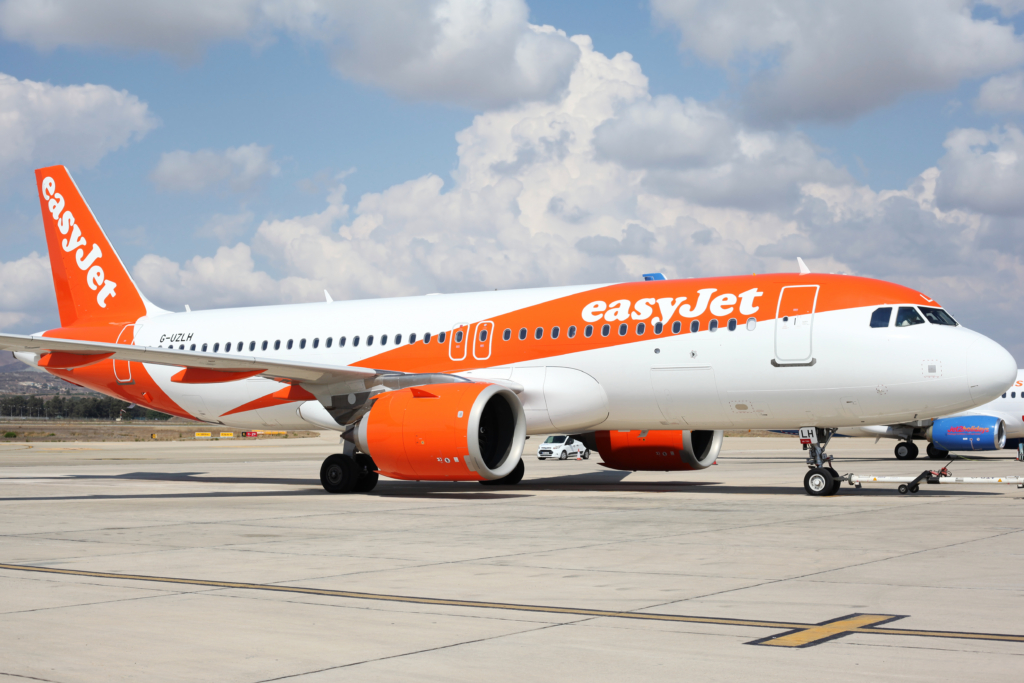
Upon the news of a possible takeover bid from Castlelake, Reuters reported that the budget airline’s shares rose around 10% after the investment firm’s interest first entered the public domain.
EasyJet, as Europe’s second-largest low-cost carrier, acknowledged that its share price is temporarily depressed by the current Middle East conflict, which has affected both customer confidence and jet fuel prices, making it vulnerable to any possible takeover action.
According to the Financial Times, easyJet shares have fallen by 20% since the beginning of this year, with the company’s value now standing at £3 billion ($4.04 billion).
Why is Castlelake interested in taking over easyJet?
From Castlelake’s perspective, easyJet will appear as an attractive takeover prospect given its subdued current share price. Despite recent losses, the airline is expected to bounce back to profitability over the summer months, fuelled in part by its successful in-house tour operation, easyJet Holidays.
Along with an extensive and diverse European and North African network, a large and modern all-Airbus fleet, and lucrative slot portfolios at some of Europe’s most important airports, such as London Gatwick, Rome, Amsterdam, Geneva, and Paris Charles de Gaulle, the airline holds one of the strongest market positions in Europe.
However, despite having publicly declared its interest in easyJet, any takeover bid would face significant hurdles before it could proceed. Primarily, analysts see regulatory and ownership restrictions as significant barriers to a takeover, particularly because UK and European airlines must satisfy ownership and control requirements.
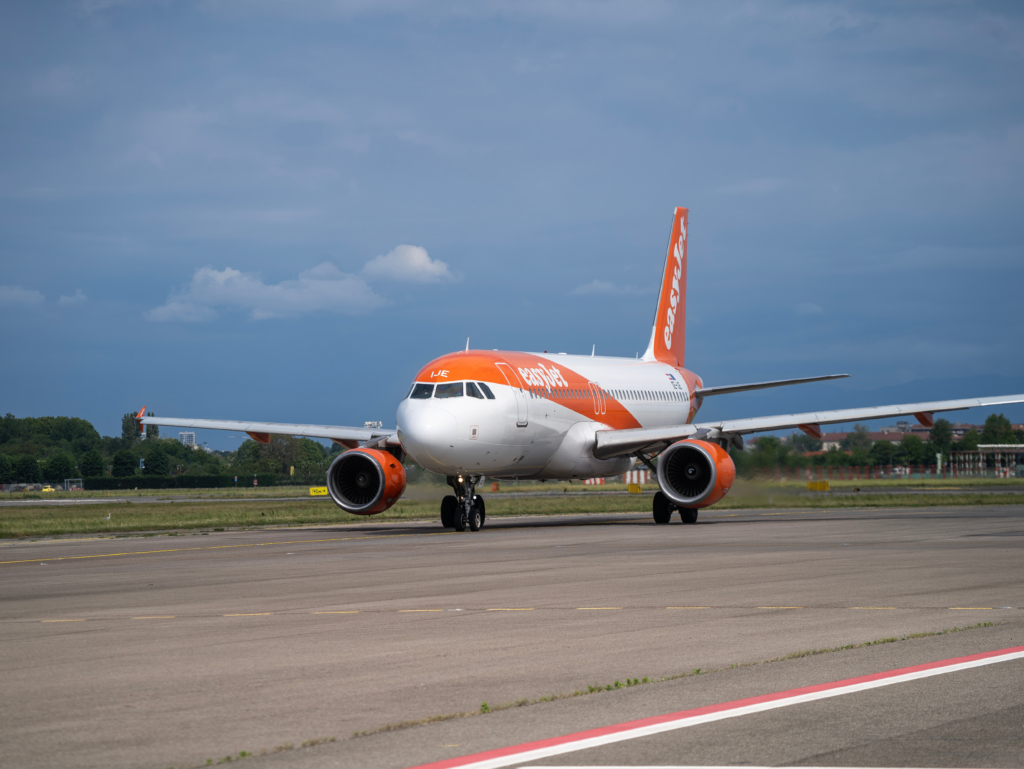
Indeed, as is the case with Delta Air Lines’ partnership with Virgin Atlantic, a US company cannot hold a majority stake in a UK-based company, so that ownership and control remain in the UK.
In addition, any deal would also have to account for easyJet founder Stelios Haji-Ioannou’s influence over the airline and its activities.
The Haji-Ioannou family currently owns around 15% of the airline, while the airline’s widely recognised brand is subject to a royalty deal with the easyGroup, posing another potential obstacle to be overcome before any transaction could proceed. Thus, the buy-in of Haji-Ioannou would appear to be an important part of any potential deal.
Who is Castlelake?
Minneapolis-based Castlelake is no stranger to the global airline industry. The investment firm has been active in the aviation sector for many years, providing financial support, investment guidance and asset management expertise.
According to its website, Castlelake has invested more than $21 billion in aviation-related opportunities since 2005.
It has owned, financed, managed, or serviced hundreds of commercial aircraft and maintains relationships with airlines worldwide, while its subsidiary, Castlelake Aviation Limited, was a highly acclaimed aircraft leasing platform that grew to a portfolio worth about $5 billion before being sold to Avolon in 2024.
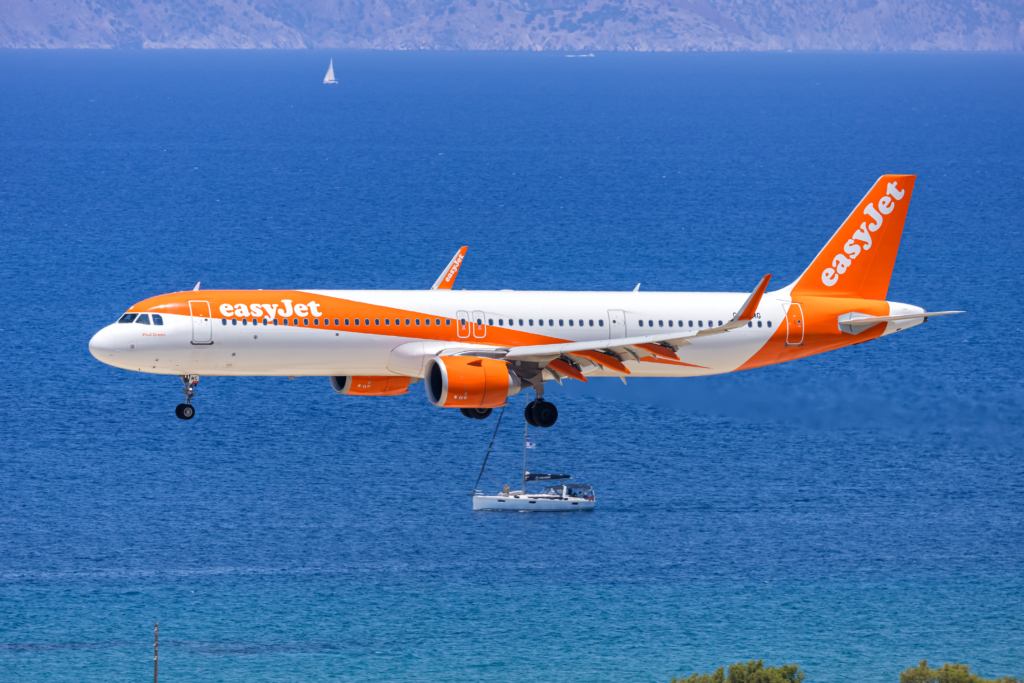
Additionally, Castlelake regularly provides financing to airlines, including deals involving Virgin Atlantic Airways, aircraft sale-leasebacks, and aviation debt investments. It recently raised more than $2 billion for dedicated aviation investment strategies and was part of the investor group behind SAS’s restructuring, where it was expected to take a roughly 32% stake in the Scandinavian carrier.
The company was more recently involved in possible rescue talks with Spirit Airlines before that carrier’s failure in early May.
Featured image: julien leiv / stock.adobe.com


