India and GE Aerospace to build Tejas F404 engine depot to cut delays and boost Mk1A readiness

April 14, 2026
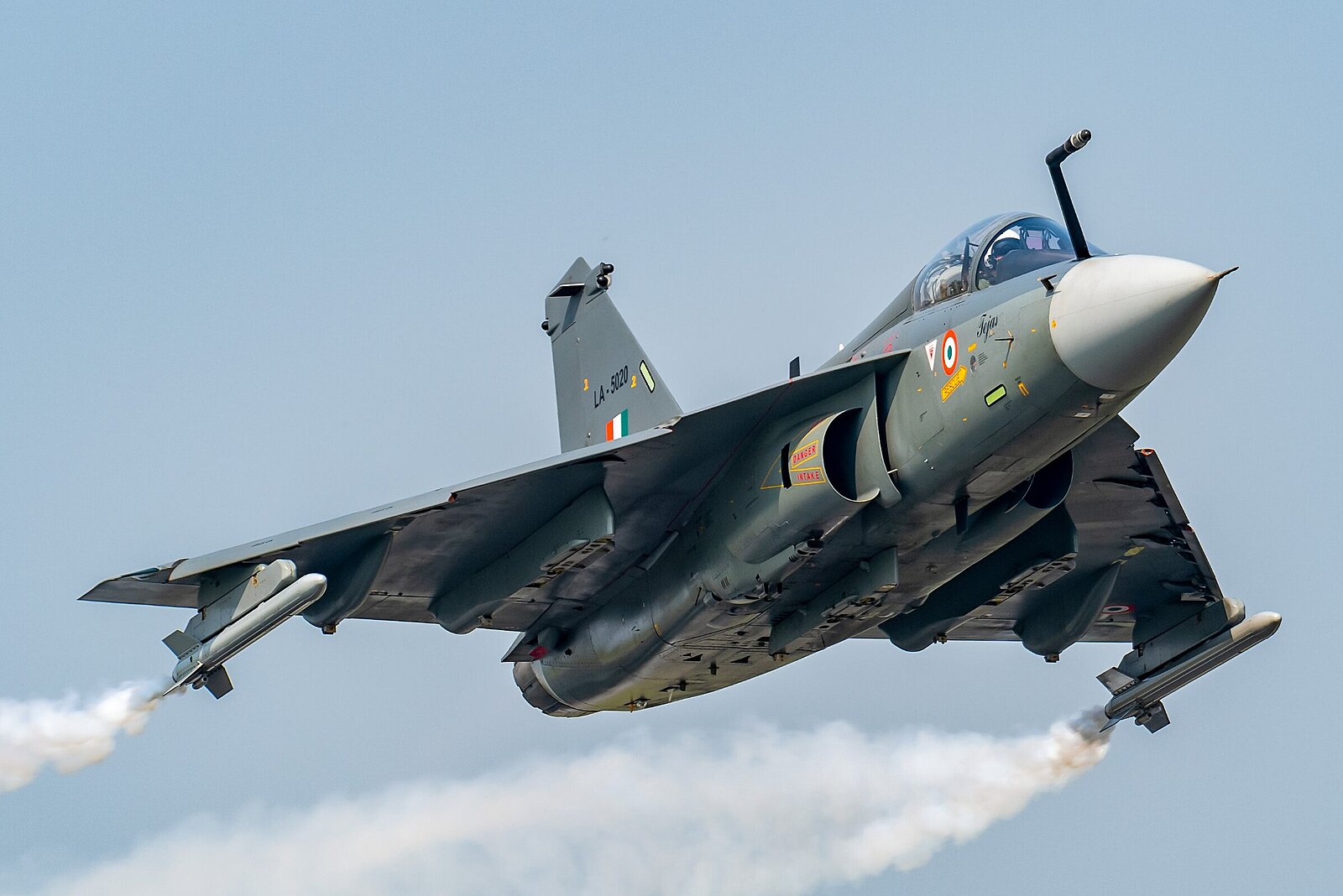
India is moving to fix one of the Tejas fighter programme’s most persistent weak points after GE Aerospace and the Indian Air Force (IAF) signed a deal to set up a domestic repair and overhaul facility for the F404-IN20 engines that power the Tejas fleet.
The move is expected to cut turnaround times and improve aircraft availability just as pressure mounts to get the delayed Mk1A programme fully on track.
The agreement, announced on April 13, is more than a routine sustainment update. It comes at a point when Tejas has become central to India’s efforts to arrest falling fighter squadron numbers, even as the programme continues to wrestle with engine supply delays, production bottlenecks and the challenge of converting factory output into operational aircraft.
For the IAF, the message is clear: getting Tejas into service in larger numbers is only half the task. Keeping it available on the flightline, without long repair cycles or overseas dependencies, matters just as much.
Tejas F404 engine depot in India to cut repair times and reduce overseas dependence
Under the new arrangement, the F404 depot will be established in India and owned, operated and maintained by the IAF. GE Aerospace will provide training, specialist support staff, spares and dedicated repair equipment.
Once operational, the depot will allow deeper maintenance and overhaul work to be carried out within India instead of sending engines abroad.
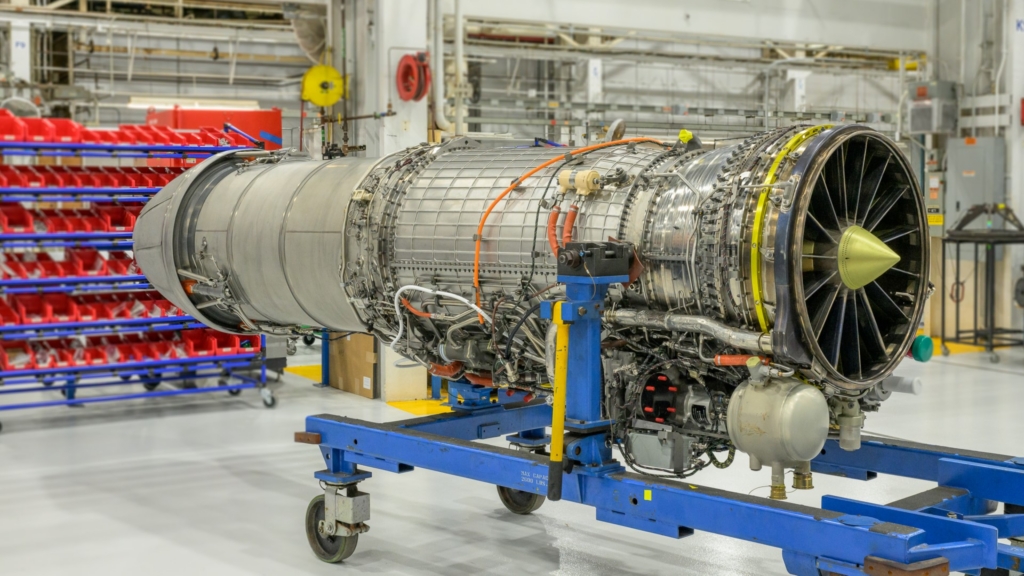
That should sharply reduce turnaround times and improve overall serviceability across the Tejas fleet.
For a modern combat aircraft, engine support remains one of the key determinants of readiness, and until now, this has been a structural weakness in the Tejas support chain.
GE Aerospace’s Rita Flaherty said the company remained committed to supporting India’s armed forces and helping expand local sustainment capability for the Tejas fleet.
“Through the upcoming depot facility, we will support the availability of the F404-IN20 engines for the Indian Air Force, ensuring they have ready access to cutting-edge technology to power their defence needs,” she said.
The agreement marks the next phase in a four-decade relationship between GE Aerospace and India’s defence aviation sector, but its importance lies in timing as much as partnership.
The Tejas fleet is entering a phase where support infrastructure can no longer remain an afterthought.
Tejas Mk1A delays and F404 engine shortages drive new depot push
The backdrop to the deal is a Tejas Mk1A programme that has struggled to meet delivery timelines.
In February, HAL said five Tejas Mk1A fighters were fully ready for delivery and had met the key contractual requirements.
It also said nine more aircraft had already been built and flown, but were still waiting for engines before they could be handed over.

That announcement was meant to reassure after months of criticism over delays. But the IAF was not prepared to rush into accepting the jets without another detailed programme review, reflecting broader concerns over capability maturity and overall readiness.
Tejas Mk1A is intended to offer better avionics, improved radar and electronic warfare performance, easier maintainability and a more capable operational package than the earlier Mk1.
For an air force managing depleted squadron strength, accepting aircraft before they are fully mission-ready would carry obvious risks.
Engine supply has been the biggest bottleneck. GE Aerospace’s delayed delivery of F404-IN20 engines disrupted HAL’s production rhythm and slowed handovers.
HAL chairman and managing director D.K. Sunil recently said the company had imposed contractual penalties on GE over the delays.
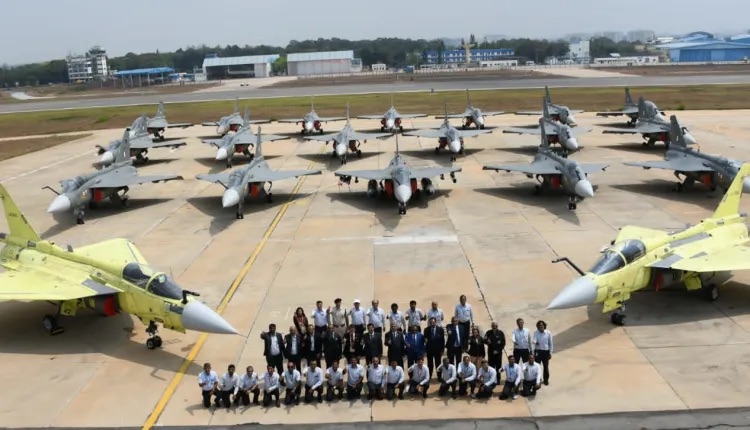
The problem became particularly visible when HAL released a photo earlier this year showing 18 Tejas Mk1A fighters lined up on the tarmac. Observers quickly noted that only eight appeared to have engines installed, fuelling criticism over the gap between aircraft built and aircraft actually ready for service.
The new depot does not solve supply delays directly, but it does address the other side of the problem: making sure aircraft already in service do not lose availability because of slow repair and overhaul cycles.
Tejas fleet now central to IAF plans as availability concerns grow
The broader significance of the new depot lies in Tejas’ changing role within the IAF.
What began as a long-delayed indigenous fighter project is now one of the few realistic ways India can rebuild combat mass over the next decade. Around 40 Tejas Mk1 fighters are already in service, while the IAF has orders for 180 Tejas Mk1A aircraft.
These aircraft are expected to replace older MiG-era platforms and form the backbone of several frontline squadrons. In that context, availability rates matter almost as much as fleet size.

Recent events have also underlined the need for stronger support systems. A Tejas crashed during a flying display at the Dubai Airshow in November 2025, killing the pilot.
Earlier this year, the fleet was temporarily grounded because of a software issue, although flying operations later resumed.
Neither event was linked to the engine support chain, but both reinforced a basic point: sustaining a fighter fleet involves far more than building airframes and signing contracts.
A domestic F404 depot will give the IAF more direct control over engine health monitoring, fault diagnosis, component changes and overhaul scheduling, helping reduce avoidable downtime.
GE-HAL deals aim to stabilise Tejas production and strengthen support ecosystem
The new depot is the latest piece in a wider GE-HAL relationship that remains critical to Tejas.
In November 2025, HAL signed a $1 billion agreement with GE Aerospace for 113 F404-GE-IN20 engines to power an additional 97 Tejas Mk1A fighters, a deal intended to support production through the next phase of the programme.
That agreement gave HAL greater visibility over future supply, but recent delays under the earlier order showed that long-term contracts alone are not enough unless maintenance capacity keeps pace.

The F404 depot is therefore not just a support facility. It is part of a long-overdue effort to build the infrastructure Tejas needs to function as a dependable frontline fleet.
GE Aerospace also has a wider footprint in India’s defence ecosystem. Its engines power the Indian Navy’s P-8I maritime patrol aircraft and MH-60R helicopters, as well as the IAF’s AH-64 Apache attack helicopters. Its LM2500 marine gas turbines also power INS Vikrant and Shivalik-class frigates.
The company says it has trained more than 5,000 people in manufacturing skills over the past decade.
Featured image: Government of India