


Boeing begins production of first of 60 CH-47F Block II helicopters for Germany

5 min read
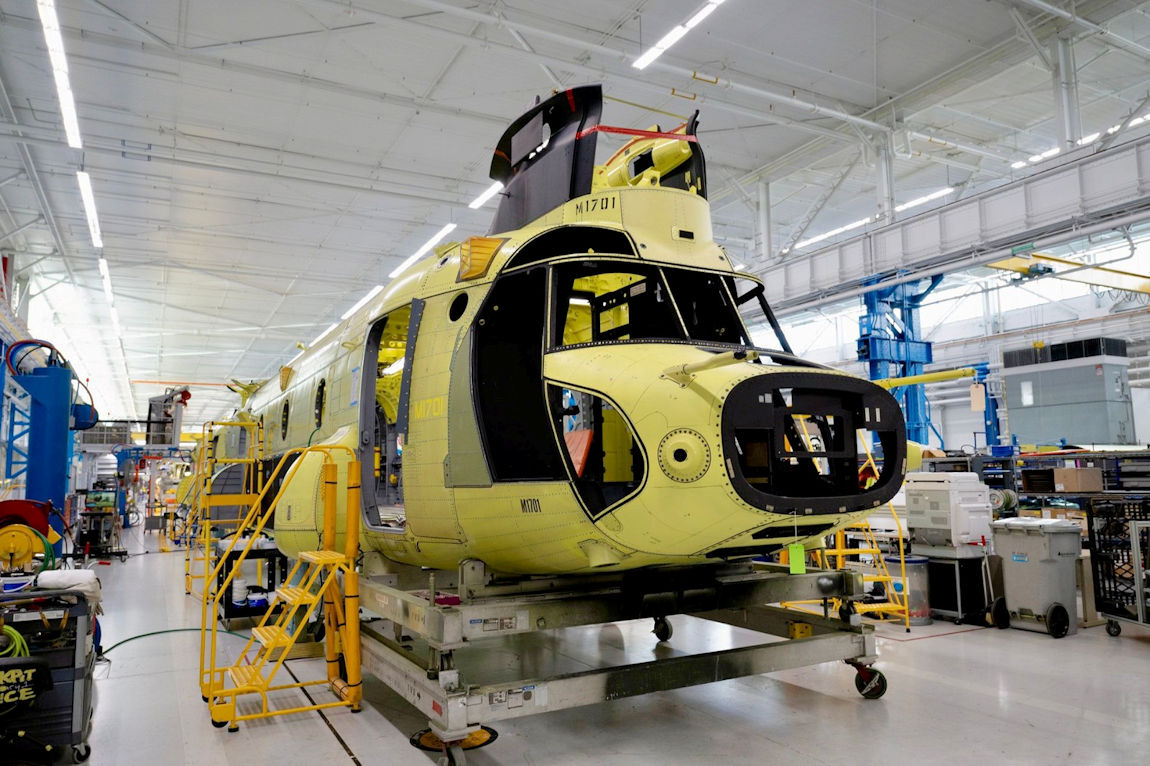
In early April, Boeing Defense released an image of the first CH-47F Block II Chinook that is destined to join the Luftwaffe (German Air Force), marking a key milestone in Berlin’s ongoing quest to modernise its ageing fleet of heavy-lift tactical transport helicopters.
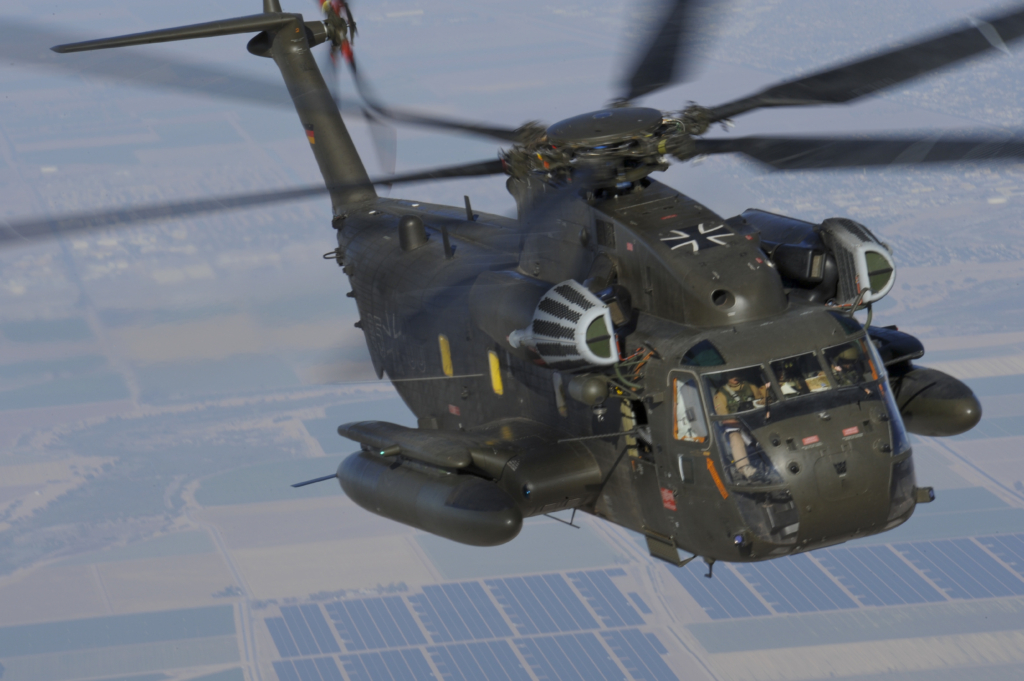
The newly published image showed Germany’s first CH-47F Block II – bearing the construction number M1701 – in the early stages of production at Boeing’s facility in Ridley Park, Pennsylvania. This helicopter is the first of a total order for 60 airframes that Germany is acquiring to replace the Luftwaffe’s ageing fleet of CH-53G Sea Stallions, which are set to be withdrawn from use in 2030.
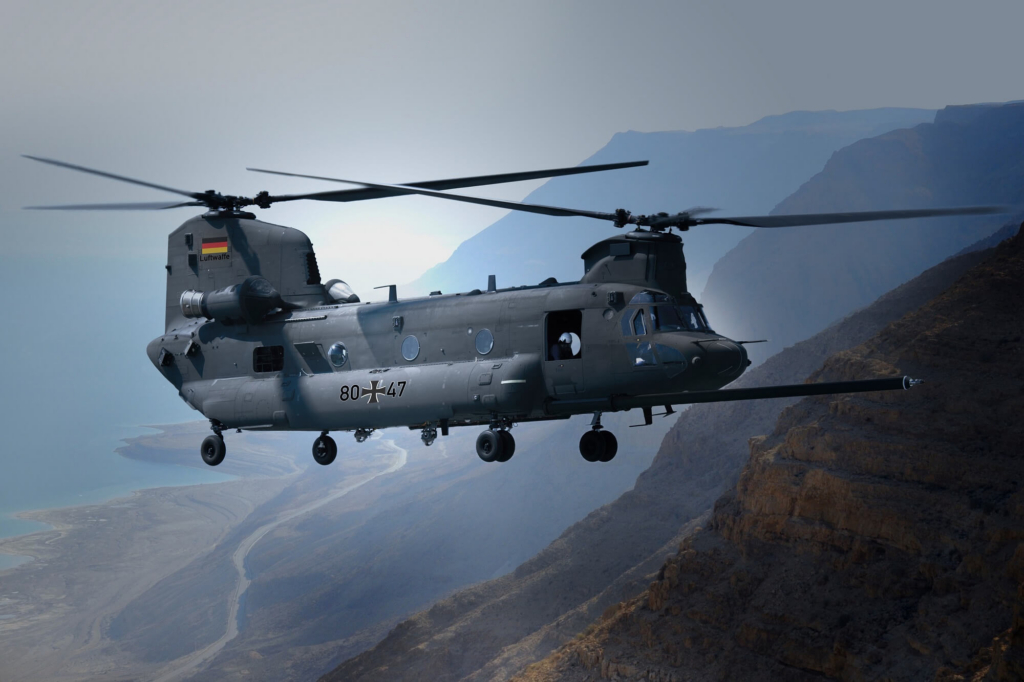
With production now steadily underway, Germany is expected to welcome its first CH-47F Block II helicopters before the end of 2027, with deliveries set to continue through the early to mid-2030s. Once operational, the Luftwaffe’s new Chinook fleet will succeed the nation’s veteran CH-53Gs in forming the backbone of the air arm’s heavy-lift rotary-wing capabilities for decades to come.
Why the Chinook will revolutionise Germany’s vertical lift capabilities
Berlin initially announced its intention to acquire 60 CH-47F Block IIs from Boeing in a deal that is valued between €6.98bn ($7.61bn) to €8bn ($8.7bn) on 1 June 2022.
This announcement confirmed Germany’s selection of the combat-proven CH-47F Block II Chinook over Sikorsky’s new-generation CH-53K King Stallion, which was also pitched as a successor for the CH-53G under the Luftwaffe’s Schwerer Transporthubschrauber (STH; Heavy Lift Helicopter) competition.
Germany’s selection of the CH-47F Block II reflects the nation’s broader effort to enhance overall readiness. The acquisition will also bolster the Luftwaffe’s ability to better integrate with other NATO allies and partner nations that are also Chinook operators, such as the Netherlands, the UK and US. This will also allow Germany to better contribute to NATO’s collective defence for decades to come.
The German-configured CH-47F Block IIs will be delivered to the Luftwaffe complete with a range of advanced capabilities that have been tailored to address a range of requirements, both for domestic operations and for use in support of NATO objectives.
Notably, each of the 60 CH-47F Block IIs that have been ordered by Germany will be fitted with extended-range fuel tanks and an air-to-air refuelling (AAR) probe, allowing the fleet to be refuelled by German-operated KC-130Js and A400Ms.
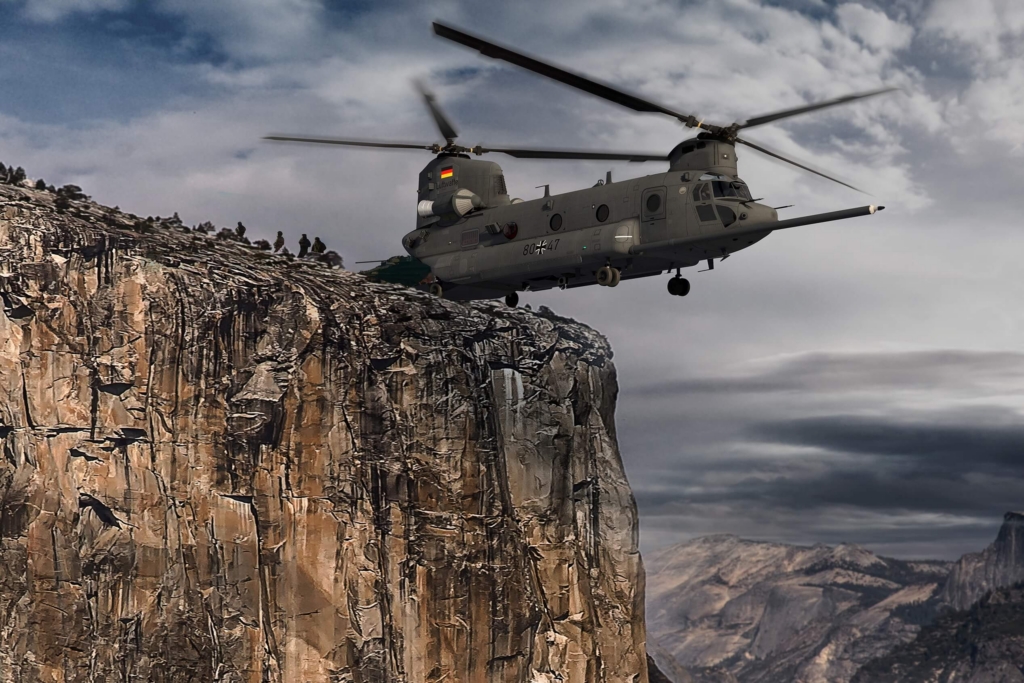
Powered by two Honeywell T55-GA-714A turboshaft engines, the CH-47F Block II boasts a maximum speed of approximately 163kts (187mph or 302km/h) and a cruising speed of 157kts (180mph or 291km/h).
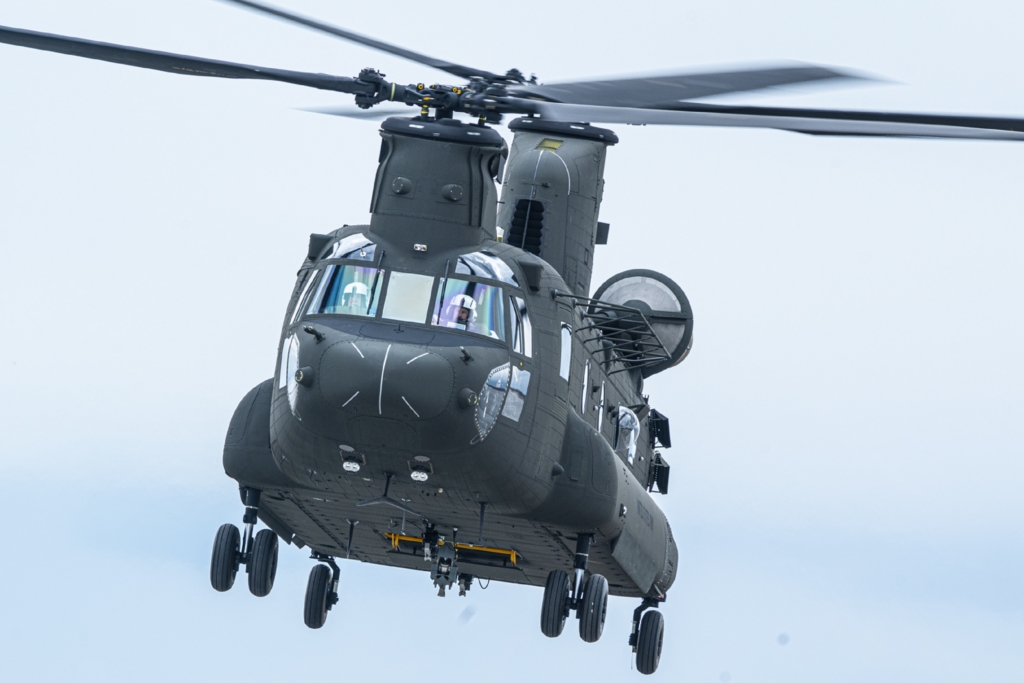
The rotorcraft has an effective mission radius of 165nmi (306km) and an operational service ceiling of 20,000ft (6,096m). The helicopter can carry up to 36 troops or 24 stretchers and can transfer heavy equipment, such as artillery pieces, vehicles and bridge sections, as an underslung load.
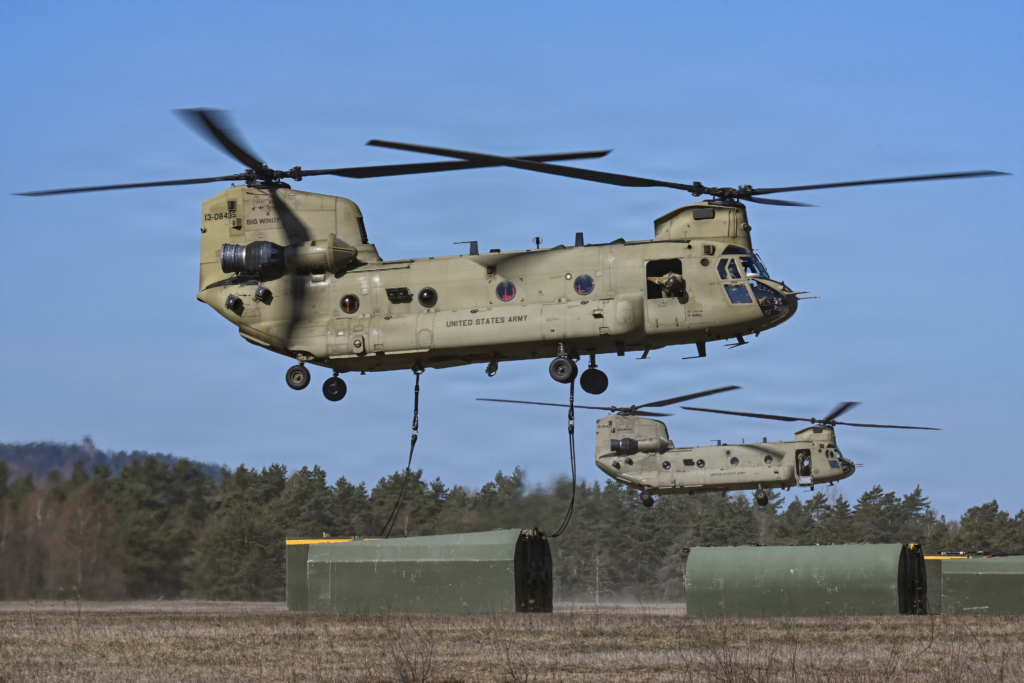
The Block II-standard variant of the CH-47F represents the most advanced version of the venerable Chinook family to date. This latest iteration introduces a key cockpit upgrade with the integration of the Common Avionics Architecture System (CAAS).
This suite features large multifunctional displays, a digital moving map and an advanced Automatic Flight Control System that improves flight management and situational awareness while reducing pilot workload.
As has already been previously agreed under the STH programme, airframe maintenance work for the German CH-47F Block II fleet will be handled by Lufthansa Technik, while engine maintenance activities will be covered by Rolls-Royce Germany. The training of technical personnel and maintainers is being carried out by Aero-Bildung GmbH.
How will the Luftwaffe operate its new CH-47F Block II fleet?
The arrival of the new-build CH-47Fs will also play a key role in driving greater structural change within the ranks of the Luftwaffe. These helicopters will be operated by Hubschraubergeschwader 64 (HSG 64; Helicopter Wing 64), which currently employs the Luftwaffe’s surviving CH-53Gs from its current headquarters at Laupheim Air Base in Baden-Württemberg.
However, the wing is currently being relocated to Holzdorf Air Base in Saxony-Anhalt, with the process expected to be completed by 1 October 2026. The relocation of HSG 64 from its longtime home base at Laupheim to Holzdorf reflects a broader effort to reorganise the wing in alignment with the operational requirements of the Chinook.
While Holzdorf will become the primary hub for the Luftwaffe’s Chinook operations, HSG 64 will not be leaving Laupheim entirely. As per current operational planning, a single squadron of 12 CH-47F Block IIs will be based at Laupheim, while the main operational component of Germany’s future Chinook force – comprising 47 aircraft across three squadrons – will be stationed at Holzdorf.
The one outstanding aircraft is expected to be assigned to Wehrtechnische Dienststelle 61 (WTD 61; Bundeswehr Technical Centre for Aircraft and Aeronautical Equipment) at Manching Air Base.
This specific helicopter will be used to support future test, evaluation and certification efforts. The distribution of Germany’s new Chinook fleet aims to balance the needs of operational readiness, training and persistent capability development.
Featured Image: The first of 60 CH-47F Block II Chinooks for the Luftwaffe is seen during the early stages of production in early April 2026. Image: Boeing
Sign up for our newsletter and get our latest content in your inbox.


More from


October 25, 20266 min read

October 25, 20265 min read


