Travellers warned of long delays as new EU entry/ exit rules are rolled out

5 min read
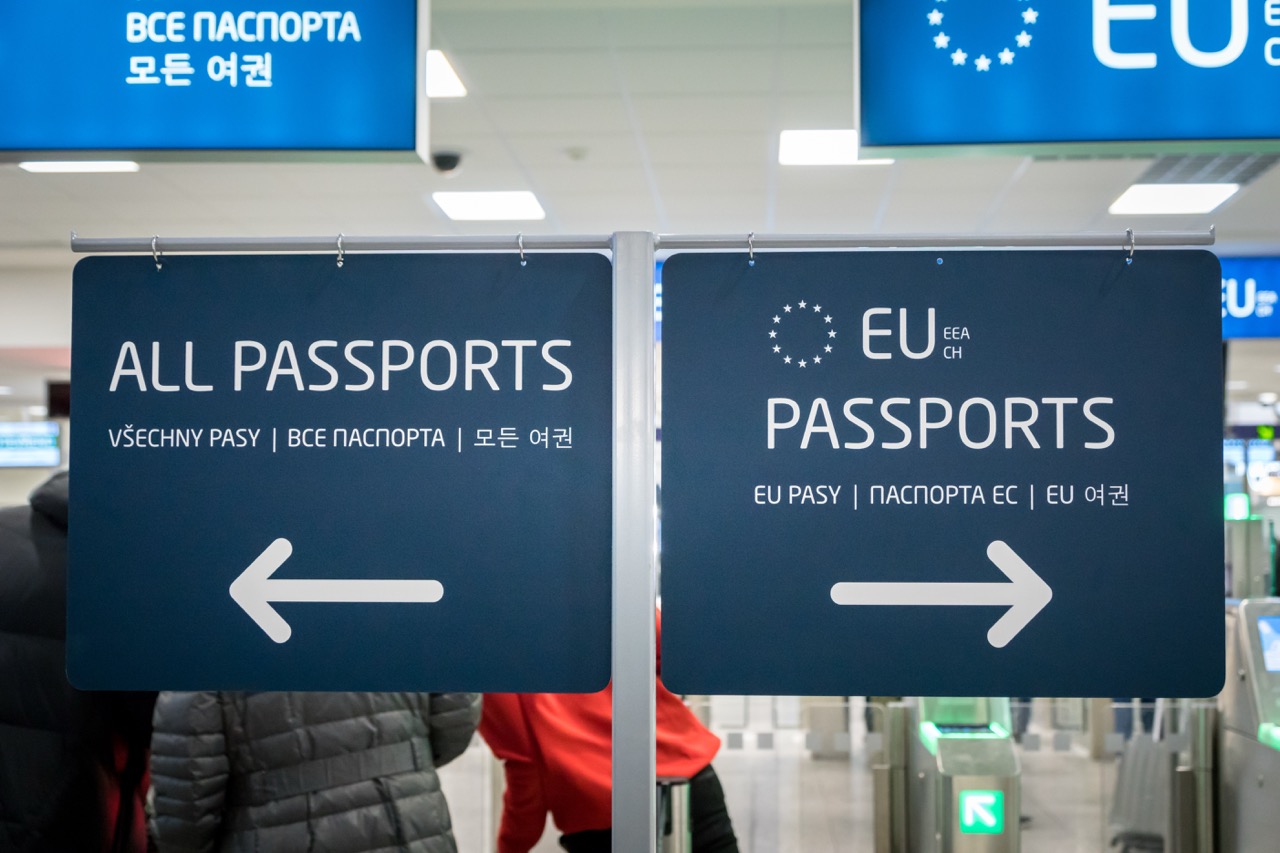
With the EU’s new Entry/ Exit System (EES) have taken effect as of 10 April, passengers are being warned of up to four-hour delays at airports across Europe.
The European Union’s EES initially launched on 12 October 2025 at select airports across Europe. As part of the system’s phased rollout, it is now fully operational across 29 participating countries.
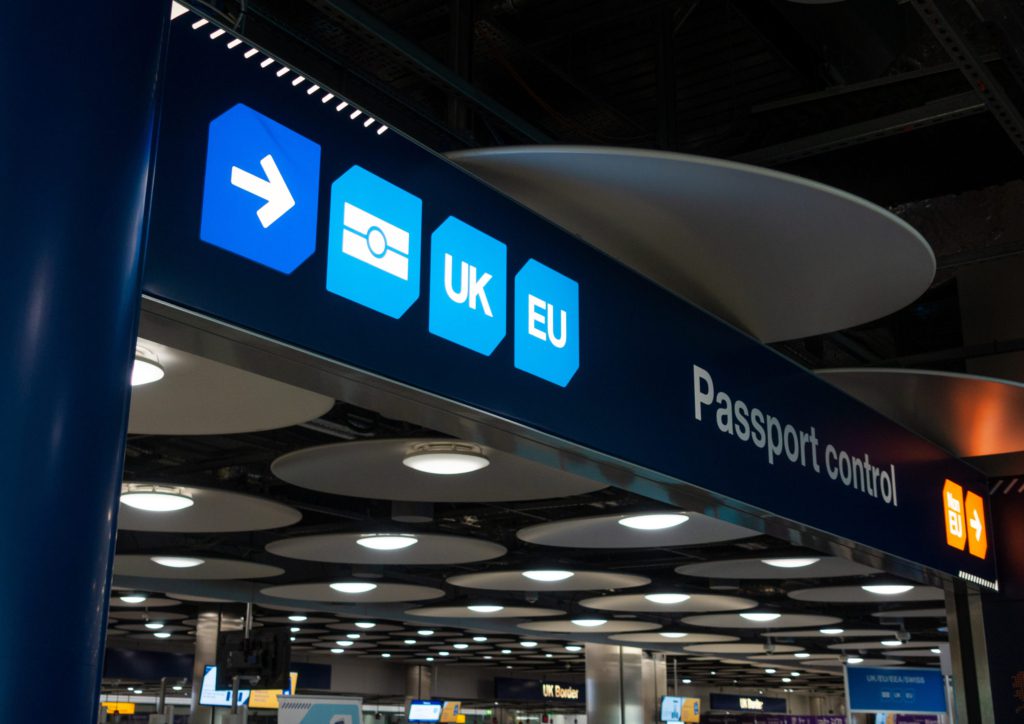
All EU member states except Ireland and Cyprus are participating in the new system, which has been introduced to strengthen security and ultimately ensure a more seamless journey. Four additional Schengen area nations – Iceland, Norway, Switzerland and Liechtenstein – are also participating.
What does EES mean for passengers?
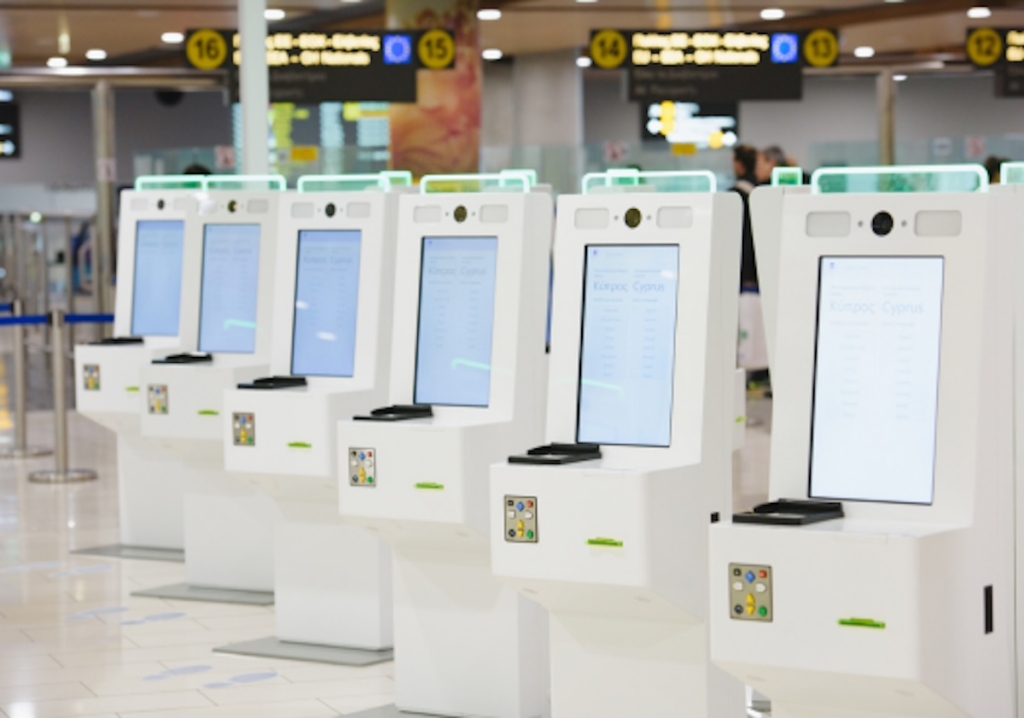
Passengers arriving from non-European Union countries will be required to provide fingerprints and photos, along with a passport scan, at border control checkpoints when entering Europe.
Inefficiencies of the EES system experienced in its rollout since October have already resulted in security processing times rising by 70%, according to the Airports Council International (ACI) Europe.
The airport trade body reported significant disruption to flight operations on the first full day of operations, with passengers missing flights and facing delays of two to three hours due to prolonged border processing times. For instance, a flight to the UK today was missing 51 passengers at departure. Another flight had zero passengers on board at gate closing time, and 90 minutes later, 12 passengers were yet to reach the gate.
Why are airports expecting delays?
For the first time, all non-EU travellers must have their photograph and fingerprints taken and registered upon entry – a process considerably slower than the previously standard passport stamp. With peak summer travel on the horizon, rising passenger traffic is expected to further compound these delays.
Airport disruptions stem from several overlapping issues: chronic understaffing at border control points, persistent technology and automation failures affecting the new system, and poor adoption of the Frontex pre-registration app across Schengen states.
With delays already reported on the first full day of EES operations, experts have warned that some of Europe’s busiest airports could see delays of up to four hours during peak travel periods.
The concern is not limited to travellers. On 11 February, ACI Europe, alongside Airlines for Europe (A4E) and the International Air Transport Association (IATA) issued a joint statement citing the “complete disconnect” between EU institutions confidence in the rollout and the reality facing passengers on the ground who are “experiencing massive delays and inconvenience.”
Who will be most affected?
The EES applies to all non-EU/ Schengen citizens, including those from the UK, entering the EU for stays of up to 90 days within any 180-day period.
Several groups are exempt. These include non-EU nationals with long-term visas or residence permits in applicable countries, eligible family members of EU citizens, international air and rail crew members, armed forces personnel and their dependents and those travelling on NATO business.
The greatest disruption is likely to fall on first-time users, for whom the initial biometric enrolment is the most time-intensive step. Returning travellers who have already registered should move through more quickly, although they are not immune to delays, as bottlenecks caused by first-time visitors processing ahead of them may still slow things down.

Reiterating their concern at the potential for disruptions to passengers, ACI Europe, A4E and IATA underlined, “we need to be realistic about what will happen during the peak summer months when traffic at Europe’s airports doubles. The rollout of EES must be flexible to react to operational realities. This is an absolute prerequisite for its success – and for safeguarding the reputation of the EU as an efficient, welcoming and desirable destination.”
Passengers are advised to take extra precautions before their travel, including arriving at the airport with plenty of time to spare, using the Travel to Europe app to pre-register their biometric data before arrival, and ensuring they keep key travel documents and travel details ready for inspection.
Why have there been so many delays in the rollout of EES?
The EES was originally due for implementation in 2020 but was delayed to 2023 due to technical issues. It was then delayed again, in part, due to concerns from French airports that it would impede passengers’ ability to travel to and from France during the 2024 Summer Olympic Games.

Since its phased rollout began in October 2025, 45 million border crossings – travellers entering or leaving a European country using the system – have been recorded, and over 24,000 people have been refused entry for different reasons. The system has also identified over 600 people who posed a security risk to Europe, according to the European Commission.
The EU’s wider digital border-management strategy
EES is part of the EU’s wider digital border-management strategy, which also includes the new European Travel Information and Authorisation System (ETIAS) digital pre-clearance for visa-exempt travellers.
ETIAS implementation is also delayed from its original 2022 target, largely because it relies on EES being operational. The EU now plans to launch ETIAS towards the end of 2026.
With many airports already operating at capacity during the summer months, aviation leaders warn that EES implementation without operational safeguards could undermine both the traveller experience and Europe’s competitiveness as a destination.
“It is already evident that greater flexibility is immediately needed,” said Olivier Jankovec, ACI Europe’s Director General. While he underlined the trade body’s support for the EES and its objectives are unwavering, he concluded: “Border control authorities must be allowed to fully suspend the EES when waiting times become excessive. This is essential not only in the coming weeks, but throughout the peak summer travel season.”
Featured image: Photo: Marius Karp | stock.adobe.com