


United Airlines at 100 and its fleet of 1000+ aircraft

14 min read
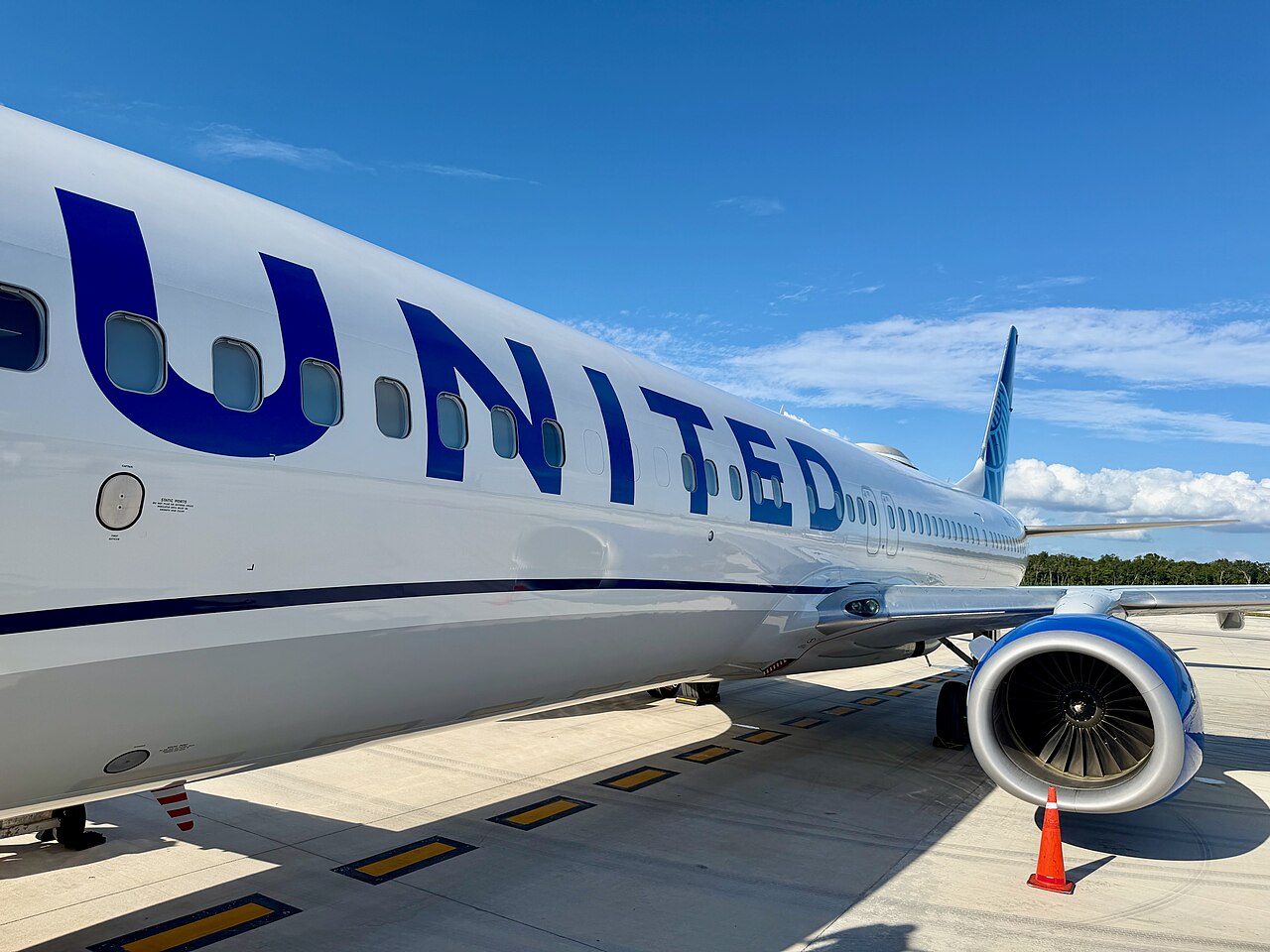
On 6 April 1926, a predecessor of United Airlines, Varney Airlines, operated its first commercial flight. Carrying mail rather than passengers, the flight operated under a US government contract between Pasco, Washington, and Elko, Nevada, with several stops en route.
Fast forward 100 years, and United Airlines operates a mainline fleet of over 1,000 aircraft and operates to around 390 destinations across 75 countries worldwide.
Marking the airline’s centenary, Aerospace Global News takes a deep dive into the current fleet of United Airlines. From the smallest single-aisle aircraft to the largest members of the widebody fleet, we review all the current types in the fleet as of September 2025, as well as looking at what comes next for the world’s largest airline company.
Note: All fleet data sourced from Planspotters.net. Fleet data excludes types operated by affiliates under the United Express brand.
United Airlines marks its centenary year with a new Boeing jet
In the same week that United Airlines marked 100 years since its first flight, the airline took delivery of its 1,080th mainline aircraft. The newest aircraft to join the United Airlines fleet was a Boeing 737 MAX 9, registered N37449.
The aircraft was delivered factory-fresh from Boeing’s 737 Renton final assembly line to United Airlines at Seattle-Tacoma Airport (SEA), ready to enter service on 6 April between the Pacific Northwest city and San Francisco as UA2121.
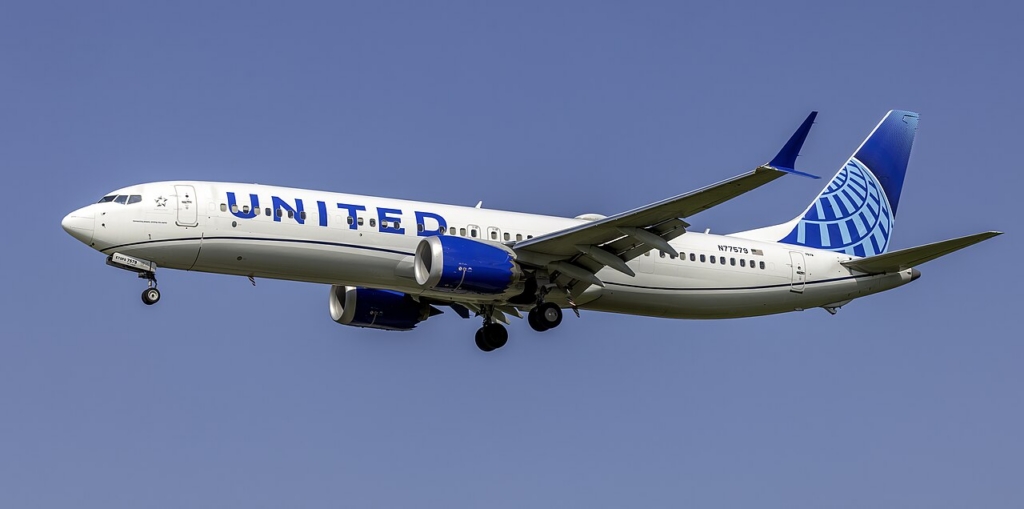
With the addition of this latest aircraft, United has boosted its claim to be the largest airline by fleet size in the world, edging ahead of US rivals American Airlines and Delta Air Lines, with 1,022 and 996 aircraft, respectively.
United Airlines itself has grown from the humblest of beginnings. In 1926, United Airlines began its story in the early days of aviation, rooted in the growth of airmail services in the United States. Its origins trace back to 1926, when Varney Air Lines operated one of the first contracted US airmail routes.
Founded by Walter Varney, the company carried mail across the western United States using small, single-engine aircraft. These early flights proved that air transport could be dependable and efficient, paving the way for passenger travel later on.
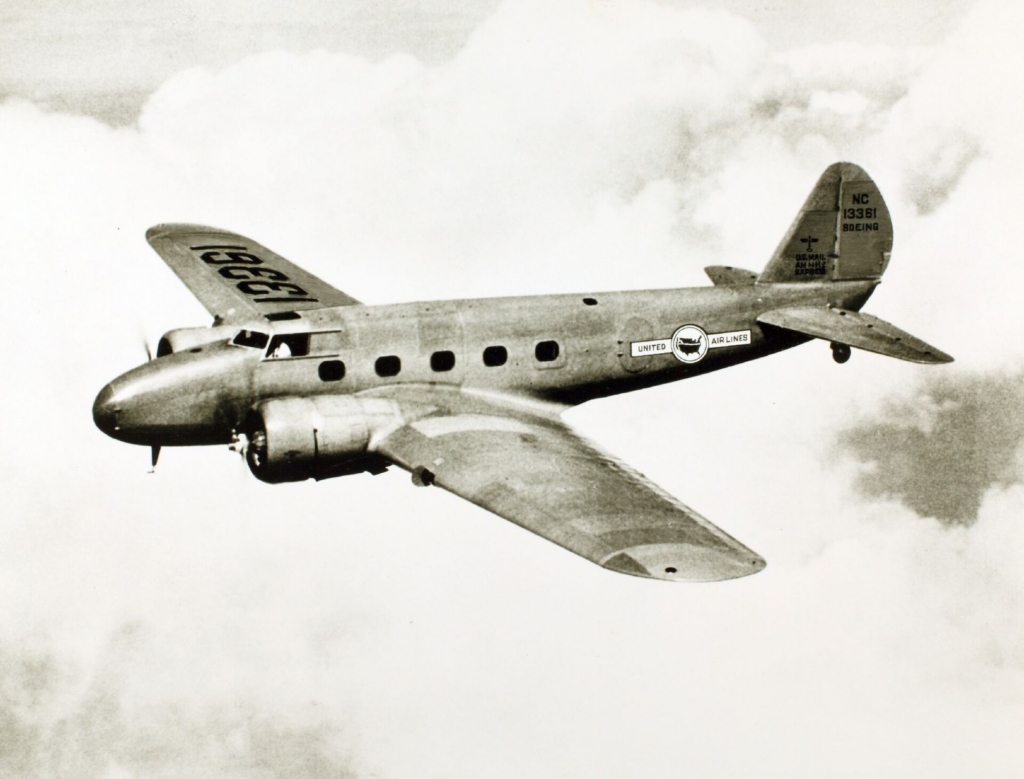
During the late 1920s, several small aviation companies began to merge under a larger organisation known as the United Aircraft and Transport Corporation. This group combined airlines, aircraft manufacturers, and service providers into a single system, helping standardise operations and expand routes.
However, in 1934, US government regulations forced the breakup of this conglomerate, leading to the creation of an independent airline officially named United Air Lines for the first time.
Throughout the 1930s, United expanded its passenger services, introducing innovations such as flight attendants and improved aircraft for comfort and safety. From its humble beginnings carrying mail across rugged terrain, United Airlines grew into a major commercial carrier, laying the foundation for its future as one of the world’s leading airlines.
The modern-day United Airlines fleet
| Aircraft type | In service |
|---|---|
| Airbus A319-100 | 70 |
| Airbus A320-200 | 62 |
| Airbus A321neo | 67 |
| Boeing 737-700 | 34 |
| Boeing 737-800 | 140 |
| Boeing 737-900ER | 136 |
| Boeing 737 MAX 8 | 123 |
| Boeing 737 MAX 9 | 79 |
| Boeing 757-200 | 40 |
| Boeing 757-300 | 21 |
| Boeing 767-300 | 37 |
| Boeing 767-400 | 17 |
| Boeing 777-200 | 19 |
| Boeing 777-200ER | 55 |
| Boeing 777-300ER | 20 |
| Boeing 787-8 | 12 |
| Boeing 787-9 | 48 |
| Boeing 787-10 | 21 |
Nowadays, the airline has 1,080 jet aircraft in its mainline fleet, operating alongside dozens more operated by regional affiliates under the United Express brand. With the newest aircraft recently joining the fleet of United, the carrier’s overall mainline fleet comprises the following single-aisle types:
- Airbus A319
- Airbus A320ceo
- Airbus A321neo
- Boeing 737-700
- Boeing 737-800
- Boeing 737-900ER
- Boeing 737 MAX 8
- Boeing 737 MAX 9
- Boeing 757-200
- Boeing 757-300
Unlike the short and medium-haul narrowbody fleets at the carrier, the airline’s widebody capability rests solely on the shoulders of Boeing-built aircraft of the following types:
- Boeing 767-300
- Boeing 767-400
- Boeing 777-200
- Boeing 777-200ER
- Boeing 777-300ER
- Boeing 787-8
- Boeing 787-9
- Boeing 787-10
The airline’s oldest widebodies, the 767-300, are gradually being replaced with new incoming Dreamliners. Like all other US airlines, United has not ordered Boeing’s newest widebody, the 777X – a keenly debated topic in aviation circles, given that it was the launch customer for the original 777-200.
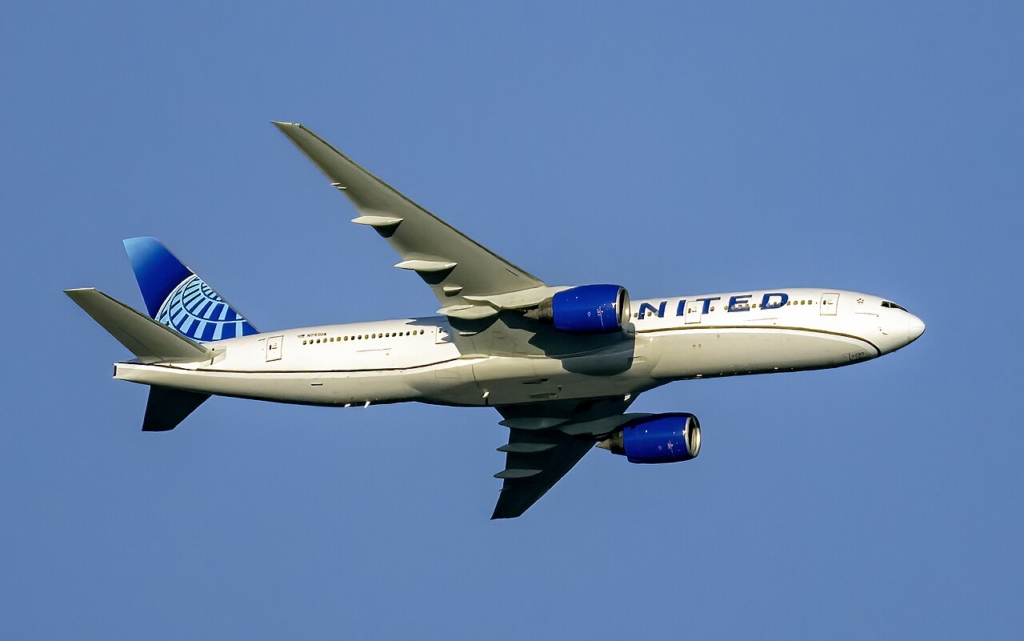
It does hold an outstanding order for Airbus A350s but has not decided whether or not to take those orders up. United first ordered the A350 in 2009 with an initial order for 25 Airbus A350-900 aircraft.
The goal was to replace older planes like the Boeing 747 and expand long-haul routes. However, in 2013, the carrier converted its order to 35 larger A350-1000s before switching again in 2017 back to the A350-900 and increasing the total to 45 aircraft. No further decision has been made on the orders held for the type since.
The United Airlines single-aisle fleet by type in 2026
| Aircraft type | In service | Typical seats | Configuration | Role |
|---|---|---|---|---|
| Airbus A319-100 | 70 | 126 | 2-class | Short-haul, lower demand routes |
| Airbus A320-200 | 62 | 150 | 2-class | Domestic core routes |
| Airbus A321neo | 67 | 200 | 2-class | High-capacity, transcon and replacement for 757 |
| Boeing 737-700 | 34 | 126 | 2-class | Smaller domestic markets |
| Boeing 737-800 | 140 | 166 | 2-class | Domestic workhorse |
| Boeing 737-900ER | 136 | 179 | 2-class | High-density domestic routes |
| Boeing 737 MAX 8 | 123 | 166 | 2-class | Next-gen domestic and medium haul |
| Boeing 737 MAX 9 | 79 | 179 | 2-class | Higher capacity narrowbody routes |
| Boeing 757-200 | 40 | 176 | 2-class | Transcon and niche long thin routes |
| Boeing 757-300 | 21 | 234 | 2-class | High-density leisure and domestic |
Airbus A319-100 (70 aircraft)
The first Airbus A319 arrived with United in June 1997, and the aircraft now operates 70 of the type, with 25 more having already been retired. Each aircraft operates in a two-class configuration with 12 business-class seats and 114 economy class seats. The average age of the current active fleet is 24.3 years, with the youngest fleet member being 18.3 years old.
Airbus A320-200 (62 aircraft)
The first Airbus A320 was delivered to United in 1993, marking the airline’s first use of the Airbus A320 family. These early deliveries were part of United’s move to modernise its narrowbody fleet in the 1990s. The airline now operates 62 of the type, with a further 38 having already been retired.
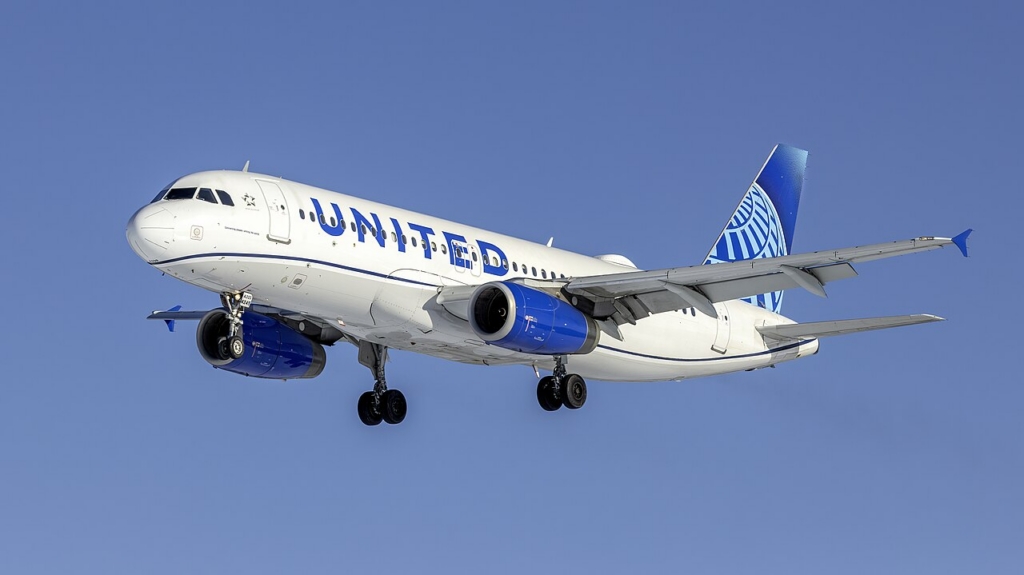
Each aircraft operates in a two-class configuration with 12 business-class seats and 138 in economy class. The average age of the current active fleet is 26.1 years, with the older aircraft currently being replaced by new Boeing 737 MAX 8s.
Airbus A321neo (67 aircraft)
The first Airbus A321neo arrived with United in November 2023, and the aircraft now operates 66 of the type, with a further 17 yet to be delivered. Each aircraft accommodates 200 passengers and operates in a two-class configuration with 20 business-class seats and 180 economy class seats.
The average age of the current active fleet is just 1.1 years, with new aircraft still arriving regularly with the carrier, the most recent (N54558) being on 26 February 2026.
Boeing 737-700 (34 aircraft)
The Boeing 737-700 is the smallest and oldest 737 variant in United’s current fleet of Boeing 737s. United has been gradually shifting toward newer aircraft like the 737 MAX family, and so the 737-700 fleet is relatively small and expected to decline over time as the newer type replaces them.
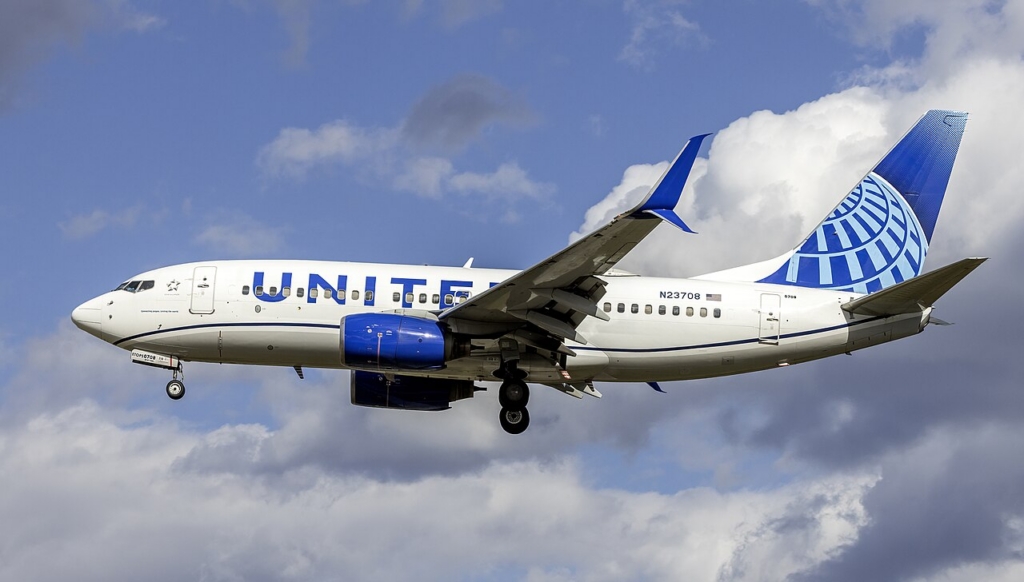
Each aircraft operates in a two-class configuration with 12 business-class seats and 114 economy class seats, making them easily interchangeable with the A319s with no resulting loss of capacity.
Boeing 737-800 (140 aircraft)
With around 140 active aircraft, this makes the 737-800 one of the largest sub-fleets at United. The type is a core workhorse for domestic and short/medium-haul routes in the US and has been in service since 1998. The aircraft quickly became a key part of United’s domestic fleet due to its range, efficiency, and higher seating capacity compared to the older 737 variants it replaced.
The airline operates its Boeing 737-800s in a two-class configuration with 16 business-class seats and 150 economy-class seats, making 166 seats in total. Some of the older units are gradually being replaced or supplemented by newer 737 MAX 8 aircraft, although the type remains heavily used across the airline’s network.
Boeing 737-900ER (136 aircraft)
The Boeing 737-900ER is one of United’s largest narrowbody subfleets with 136 aircraft in service. Many of these aircraft originally came from the Continental Airlines merger, which is why United has such a large 737-900ER fleet today.
While due to be replaced by Boeing 737 MAX 9s in due course, the -900ER makes up a significant proportion of the United single-aisle fleet.
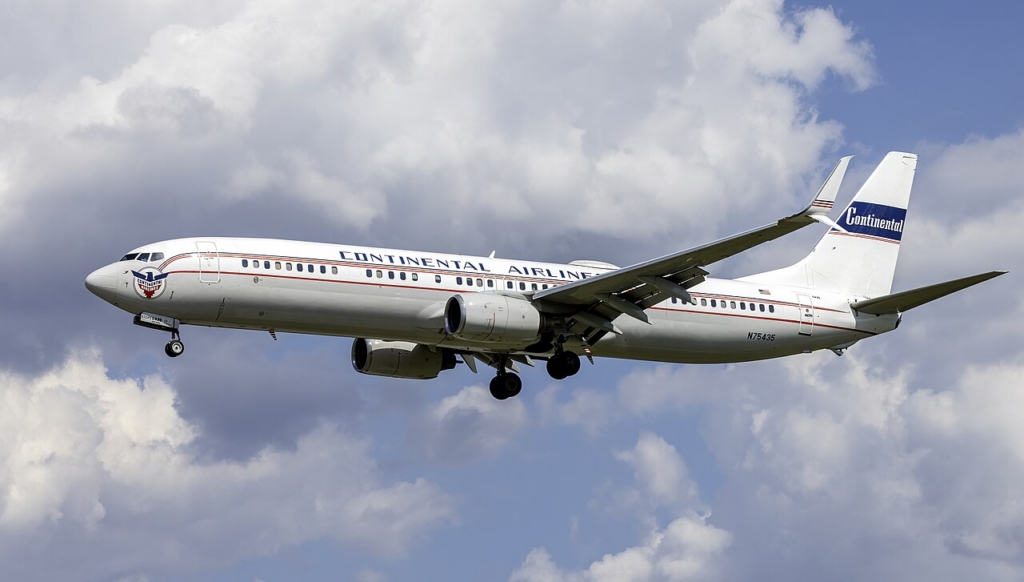
The airline operates its Boeing 737-900ERs in a two-class configuration with 20 business-class seats and 159 economy-class seats, making 179 seats in total.
Boeing 737 MAX 8 (123 aircraft)
The Boeing 737 MAX 8 is a major and growing part of United’s fleet. The type is used mainly for domestic and medium-haul routes, with some expansion into longer sectors. United only started introducing the MAX 8 relatively recently (mid-2020s), and the aircraft has proved extremely popular and versatile within the United fleet.
The airline operates its Boeing 737 MAX 8s in a two-class configuration with 16 business-class seats and 150 economy-class seats, making 166 seats in total, making them interchangeable with the carrier’s Boeing 737-800s.
Boeing 737 MAX 9 (136 aircraft)
As of April 2026, United Airlines operates approximately 79 Boeing 737 MAX 9 aircraft in its fleet. The Boeing 737 MAX 9 is one of United’s key narrow-body aircraft, sitting between the MAX 8 and the larger Airbus A321neo in capacity. United is one of the largest operators of the MAX 9 in the world and continues to take deliveries of the type.
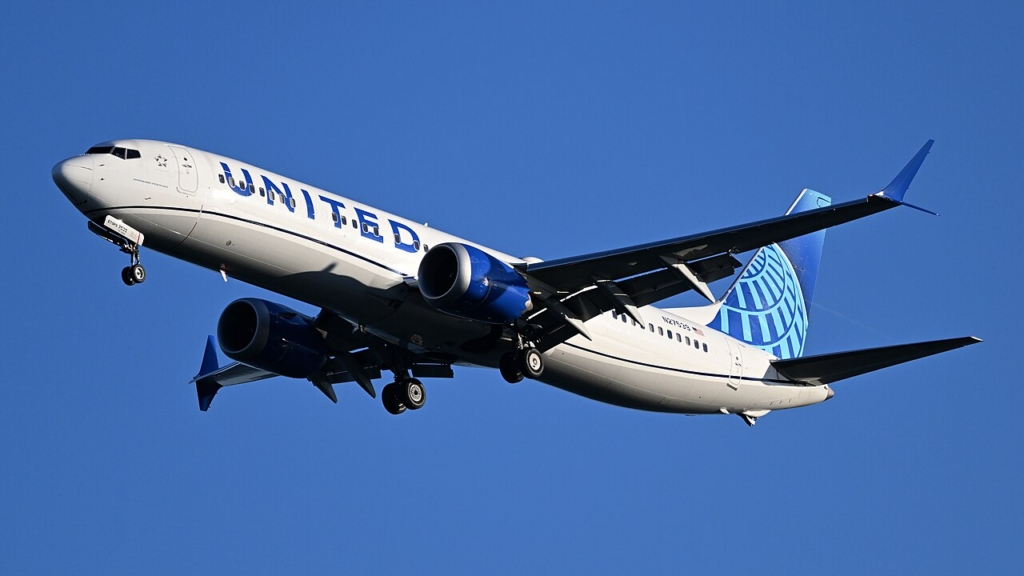
The first 737 MAX 9 arrived with the carrier in April 2025, and the carrier has a further ten on order from Boeing. The airline operates its Boeing 737 MAX 9s in a two-class configuration with 20 business-class seats and 159 economy-class seats, making 179 seats in total.
Boeing 757-200 (40 aircraft)
Having already retired 99 Boeing 757s, United still operates 61 of the type, with 40 being the shorter-fuselage 757-200 variant. Slowly being replaced by the Airbus A321neo, the 757 is only expected to remain in the United fleet for the relatively short term, with retirements expected to accelerate in 2026 and 2027 as more A321s are delivered.
The airline operates its Boeing 757-200s in a two-class configuration with 16 business-class seats and 160 economy-class seats, making 176 seats in total.
Boeing 757-300 (21 aircraft)
Longer than the 757-200 and with a greater capacity, United introduced the Boeing 757-300 in October 2010 following its takeover of Continental, which had ordered the type. Like the smaller 757-200, the type is due for retirement as more Airbus A321neos arrive in the fleet.
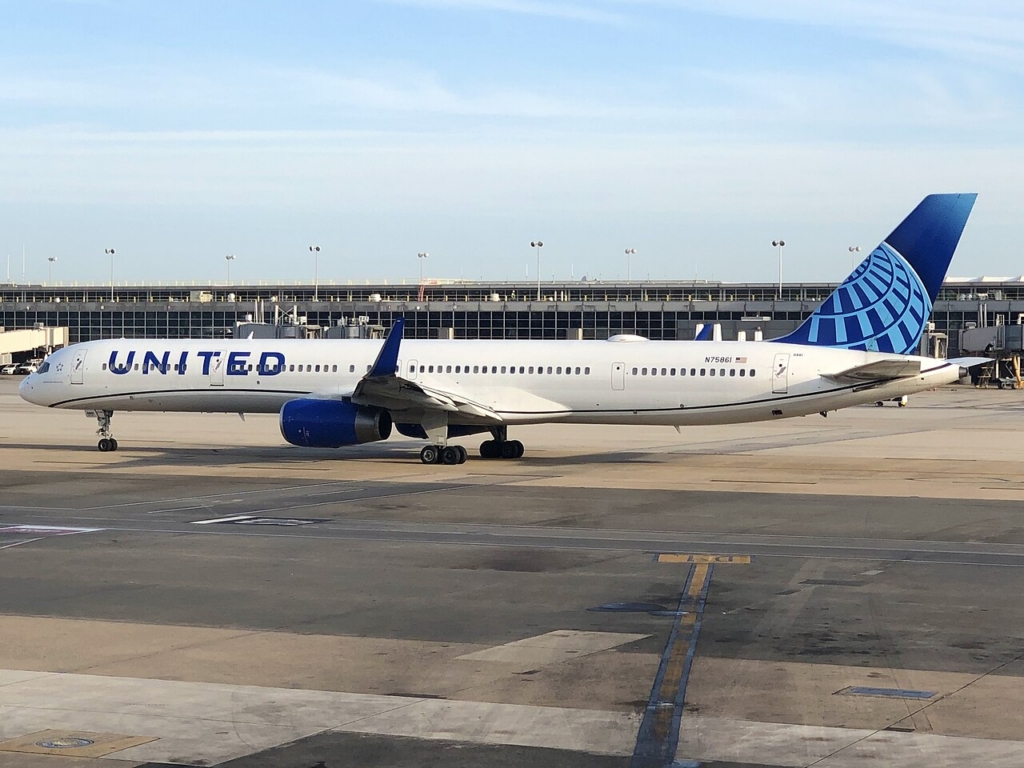
United operates its Boeing 757-200s in a 234-seat configuration with two classes featuring 24 business-class seats and 210 economy-class seats.
The United Airlines twin-aisle fleet by type in 2026
| Aircraft type | In service | Typical seats | Configuration | Role |
|---|---|---|---|---|
| Boeing 767-300 | 37 | 167–203 | 3-class | Transatlantic, premium routes |
| Boeing 767-400 | 17 | 241 | 3-class | Transatlantic |
| Boeing 777-200 | 19 | 358 | 2-class | High-capacity long haul, ageing fleet |
| Boeing 777-200ER | 55 | 276–300 | 3-class | Long-haul backbone |
| Boeing 777-300ER | 20 | 350 | 3-class | High-demand long haul |
| Boeing 787-8 | 12 | 245 | 3-class | Long thin routes |
| Boeing 787-9 | 48 | 257 | 3-class | Core long haul |
| Boeing 787-10 | 21 | 318 | 3-class | High-demand long haul |
Boeing 767-300 (37 aircraft)
Some of the oldest members on the current United fleet, the airline has operated the Boeing 767-300 since 1986. Now with 37 active aircraft, United was one of the early customers for the 767 family, being the launch customer for the 767-200 and used it heavily for transatlantic routes to begin with.
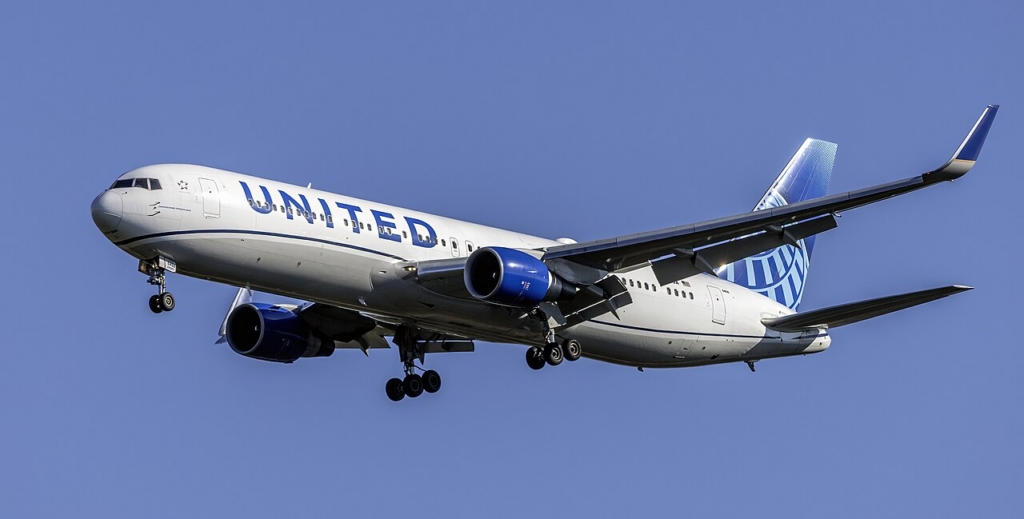
Nowadays, United’s 767-300ERs are mainly used on transatlantic flights from the US to Europe, plus some domestic high-demand routes. The 767-300s are gradually being replaced by newer aircraft like the Boeing 787 Dreamliner on United operations.
The company’s 767-300s are configured for 203 passengers in a three-class configuration, although some are laid out in a high premium configuration accommodating just 167 passengers.
Boeing 767-400 (17 aircraft)
Again, inherited from Continental Airlines in 2010, United’s fleet of Boeing 767-400s accommodates a larger number of passengers than the smaller 767-300 and is used largely on transatlantic routes to Europe. The aircraft has the capacity for 241 passengers in a three-class layout featuring 34 seats in business class, 24 in premium economy, and 173 in economy.
Boeing 777-200 (19 aircraft)
The airline was an early customer for the standard Boeing 777-200 and has 109 of the type still on its books, although some of the older airframes have already been parked and retired. The aircraft have generally been used on shorter transatlantic routes and longer transcontinental legs across the US.
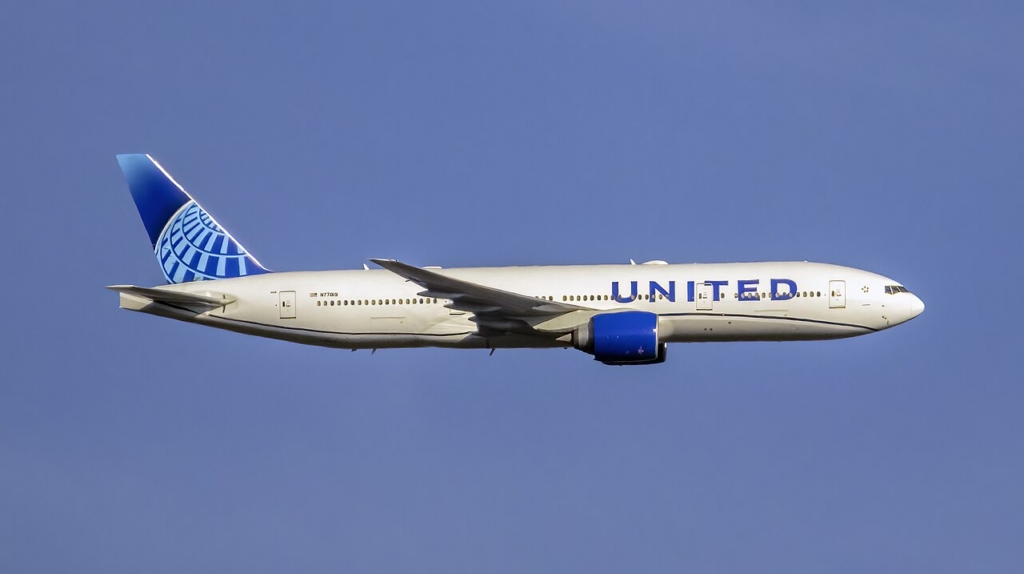
Seating 358 passengers in a two-class configuration, given their age and impending retirement, the type has not received the airline’s premium economy cabins.
Boeing 777-200ER (77 aircraft)
The extended range version of the original 777-200, the airline now has 55 of the type in service – a number which includes a batch of aircraft inherited as part of the Continental Airlines takeover.
Typical use sees the aircraft operate long-haul international routes (Europe, Asia, and some South America routes) while occasionally operating some high-demand domestic routes.
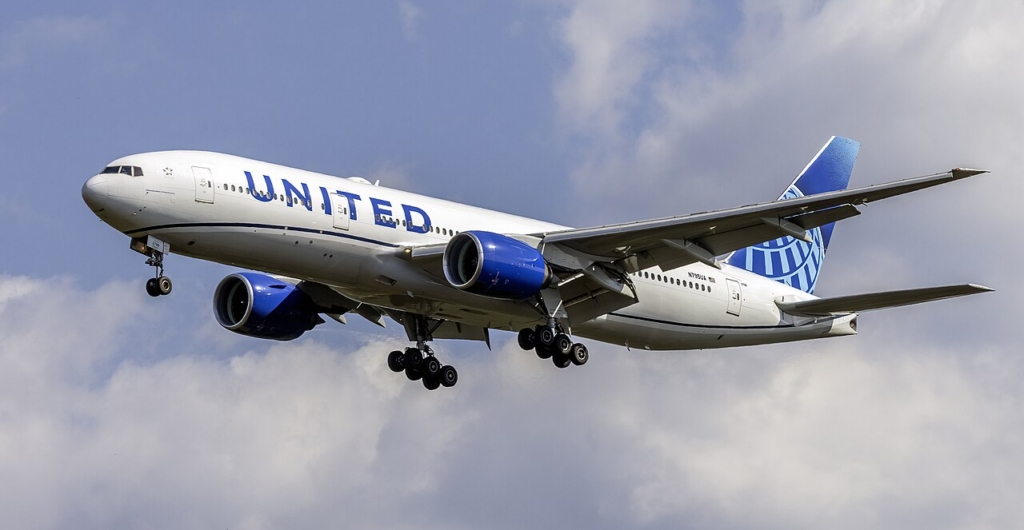
The 777-200ER is essentially the backbone of United’s long-haul widebody fleet, though like the 767s, it is gradually being supplemented by newer aircraft like the Boeing 787 Dreamliner.
Boeing 777-300ER (20 aircraft)
The largest of the airline’s Boeing 777 fleet, it now has 20 of the type in service. Seating 350 passengers across three classes (34 in business, 24 in premium economy and 266 in economy, the type operates many of the airline’s routes where the 777-200ER does not provide enough capacity (296 seats) to meet demand.
Boeing 787-8 (12 aircraft)
With 12 active aircraft in the United fleet, the smallest of the Dreamliner family was first delivered to the airline in September 2012. Used to replace older 767s, the type accommodates 245 in a three-class layout (28 in business class, 21 in premium economy and 194 in economy).
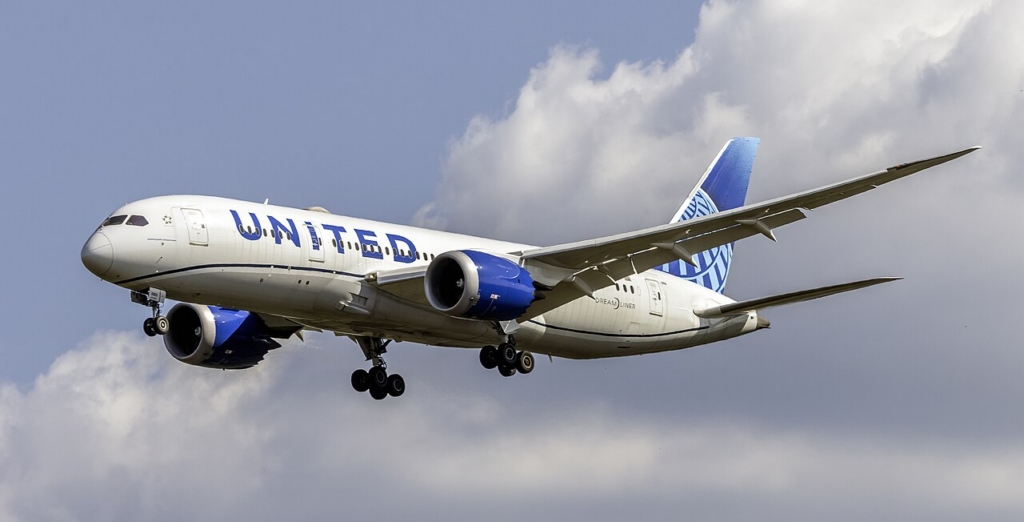
United was the first North American operator of the type and received all 12 of its aircraft between 2012 and 2014. The 787-8 is the smallest Dreamliner variant in United’s fleet and is used for long and thin international routes (secondary European cities, smaller Asian markets) as well as for route testing (opening new long-haul destinations before upgrading to larger aircraft), plus lower-demand transatlantic flights.
Boeing 787-9 (48 aircraft)
Since becoming a mainstay of the United long-haul fleet, the company now has 48 of the type in service. United received its first 787-9in 2014, making it the first North American airline to operate the stretched Dreamliner variant. The airline’s examples seat 257 passengers, 12 more than the 787-8.
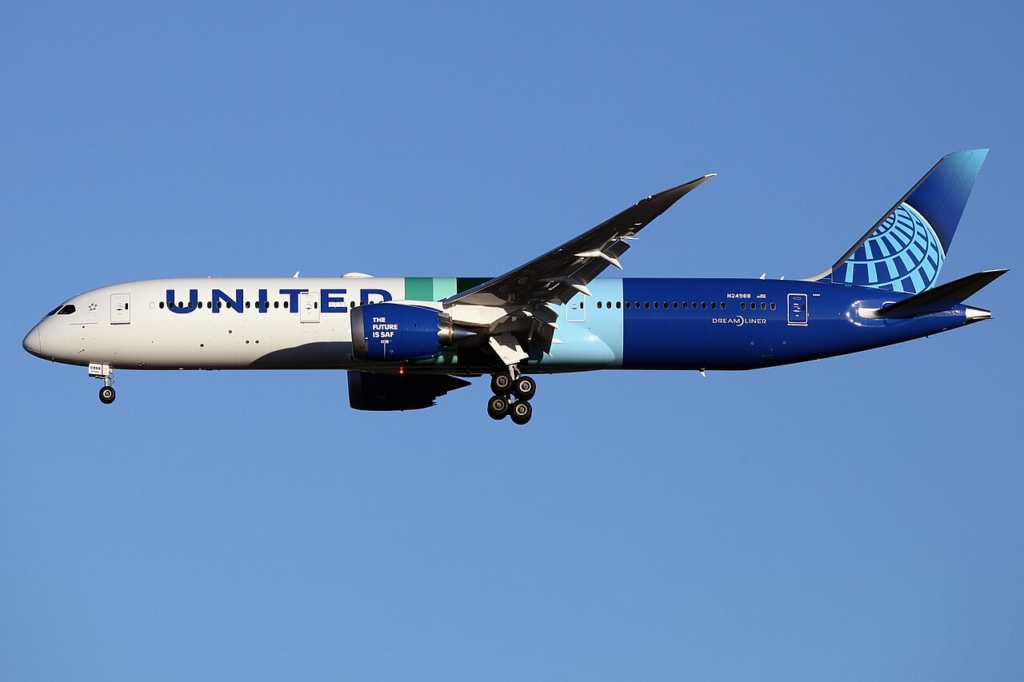
The 787-9 has been used to replace older 767-300ERs on many transatlantic routes and is increasingly being used instead of early 777-200ER flights on medium-haul routes. The type is preferred by the airline for premium-heavy routes due to being fitted with United’s newer cabin layouts, which include Polaris business class and Premium Plus.
Boeing 787-10 (21 aircraft)
With around 21 aircraft in active service, United is currently the largest operator of the 787-10 worldwide, with a further 19 aircraft on order. United received its first 787-10 in January 2019 and was the first airline globally to operate the type.
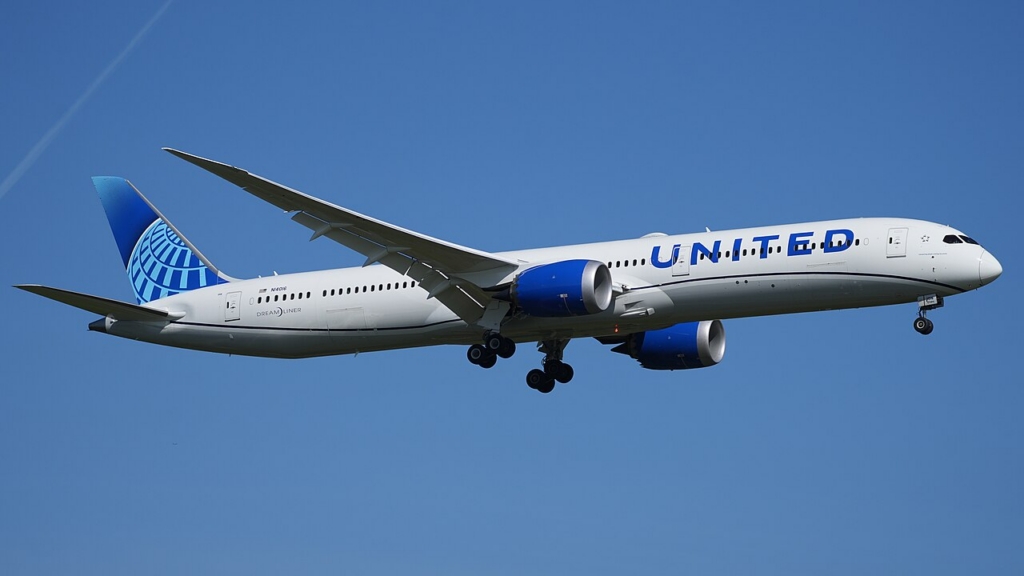
With a capacity of 318 passengers and providing larger premium cabins, the 787-10 is described by the airline as being optimised for high-demand long-haul routes rather than ultra-long routes and is used to replace older 777-200s and 767s on some missions.
The airline uses the type on transatlantic trunk routes (especially busy ones like Newark to London Heathrow), select transcontinental premium routes, and high-density international services where cargo and passenger demand is strong.
What does the future hold for the United Airlines fleet?
For the future, United has roughly 200 Boeing 737 MAX 8 and MAX 10 aircraft either on order or as options. These will be used to replace older 737NGs (700/800/900ER) and some of the older Airbus A320-family aircraft
On the Boeing widebody side, the carrier still has a large number of 787-9s and 787-10s to be delivered. The majority will be the 787-9 variant, plus a smaller number of 787-10s, maintaining United as the world’s largest 787 operator with the type becoming the single most important part of United’s future fleet strategy.
As yet, the airline has not announced an order for the Boeing 777X. Instead, United is transitioning away from older 767s and 777-200ERs using its growing 787 Dreamliner fleet.
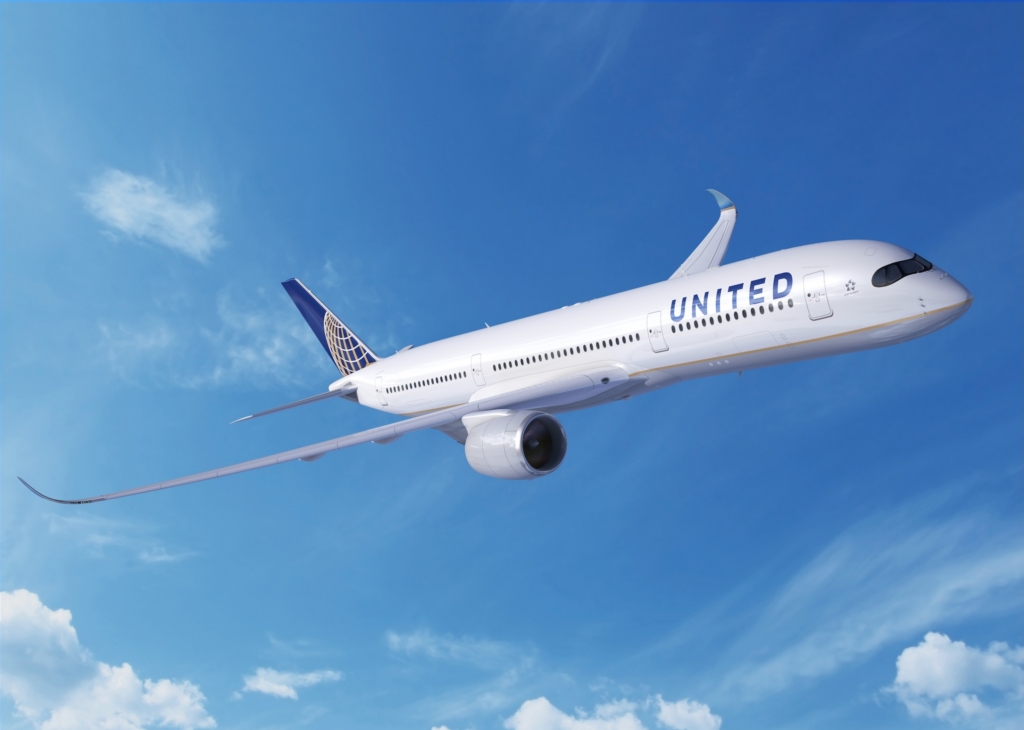
In terms of Airbus orders, the A321neo family is core to the airline’s single-aisle growth commitment with A321LRs and A321XLRs on order. These are being used to replace Boeing 757-200s and older Airbus A320 family aircraft. As previously mentioned, there has been no recent update on the company’s outstanding A350 order.
As the future looms and as things currently stand, United’s single-aisle fleet will be a mix of Boeing 737 Max types and the Airbus A321neo family, while on the twin-aisle side, the Boeing Dreamliner family will form the backbone of the carrier’s long-haul fleet for years to come.
Featured image: Oleg Yunakov / Wikimedia Commons
Sign up for our newsletter and get our latest content in your inbox.


More from

October 4, 20264 min read


