


Ukraine slashes fighter jet upgrade timelines to one month to counter Shahed drone threat

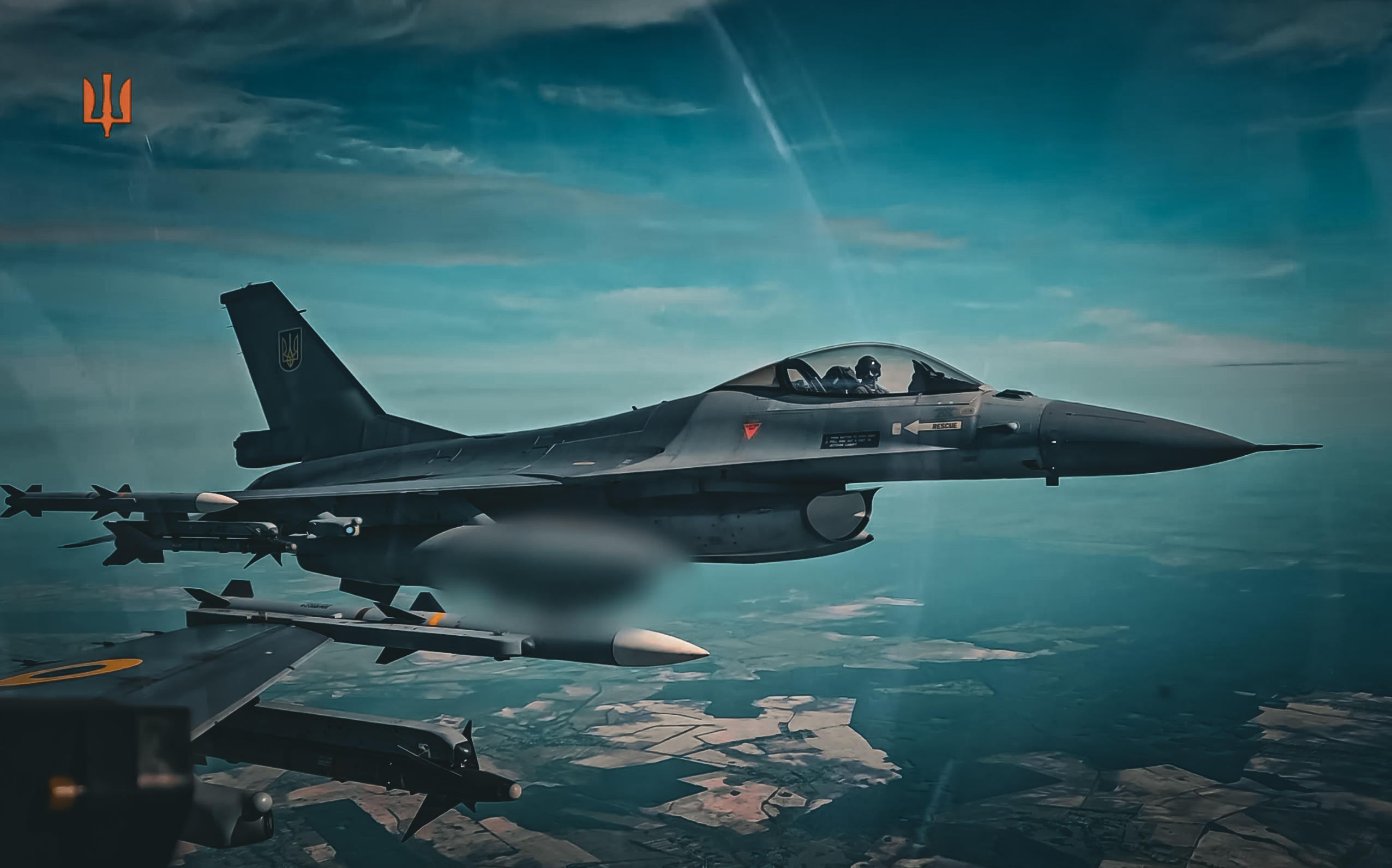
Ukraine will cut the time needed to upgrade weapons and systems on its fighter jets to just one month, in a move aimed at countering Russian Shahed-type drone attacks.
Ukraine cuts red tape in upgrading fighter jets
The Ukrainian government has taken the step to simplify the process of upgrading Ukrainian aircraft to counter Russian one-way attack drones.
Ukraine’s Prime Minister Yulia Svyrydenko posted on X (formerly Twitter), noting that the country is consistently adapting and innovating its procedures to the realities of war.
Among these ongoing innovations are “efforts to strengthen the protection of Ukraine’s skies and simplify aircraft upgrades to counter Shahed drones.”
We are consistently adapting and innovating our procedures to the realities of war.
— Yulia Svyrydenko (@Svyrydenko_Y) April 6, 2026
Among the many ongoing innovations of Ukraine's Armed Forces are efforts to strengthen the protection of Ukraine’s skies and simplify aircraft upgrades to counter Shahed drones.
The government… pic.twitter.com/4nauoywowF
She then explained that the Ukrainian government has adopted a decision that will allow its aircraft and helicopters to be retrofitted more quickly for the needs of modern and dynamic warfare.
Svyrydenko wrote, “Weapons, communications systems, navigation equipment, and target detection systems can now be installed without lengthy approval procedures.” The entire process will now be reduced to one month.
She ended by saying, “The work will involve not only enterprises, but also specialists and military units.”
Speed of fighter modifications has become essential to Ukraine
It’s often said that necessity is the mother of invention, and this has been borne out time and again in the war in Ukraine. An example of this was when it developed its own unique mobile maintenance system to service F-16s on the go in dispersed locations.
But it’s not just Ukraine; after fighting the Houthis in late 2024, the US rushed out jerryrigging Advanced Precision Kill Weapon System II (APKWS II) rockets onto its F-15E, F-16, and A-10 jets in record time.

Routinely, around a third of all fighter jets in modern air forces are down for maintenance and upgrades at any one moment. The process is slowed due to various reasons, including bureaucratic red tape that requires exacting testing and certification.
In peacetime, the red tape may be fine as it helps ensure standards are met. But Ukraine needs its limited number of fighter jets to be operational to protect its skies. Ukraine is forced to accept more risk and respond to how it performs in combat on the go.
It is difficult to provide an analogue to Western timelines, as every upgrade is different, but integrating new munitions and upgrading software and hardware can take over six months or a year at the low end, to over five years at the high end.

Another issue is that the war in Ukraine is evolving at breakneck speed. Counter-drone technologies that worked one month might not work the next. Ukraine is increasingly relying on being dynamic and rolling out new solutions in almost real-time.
Ukraine’s evolving and regenerating air force
With the war in its fifth year, Ukraine’s air force looks very different from the one it started with. Ukraine started with a fleet of legacy Su-24, Su-25, Su-27, and MiG-29 fighter jets.
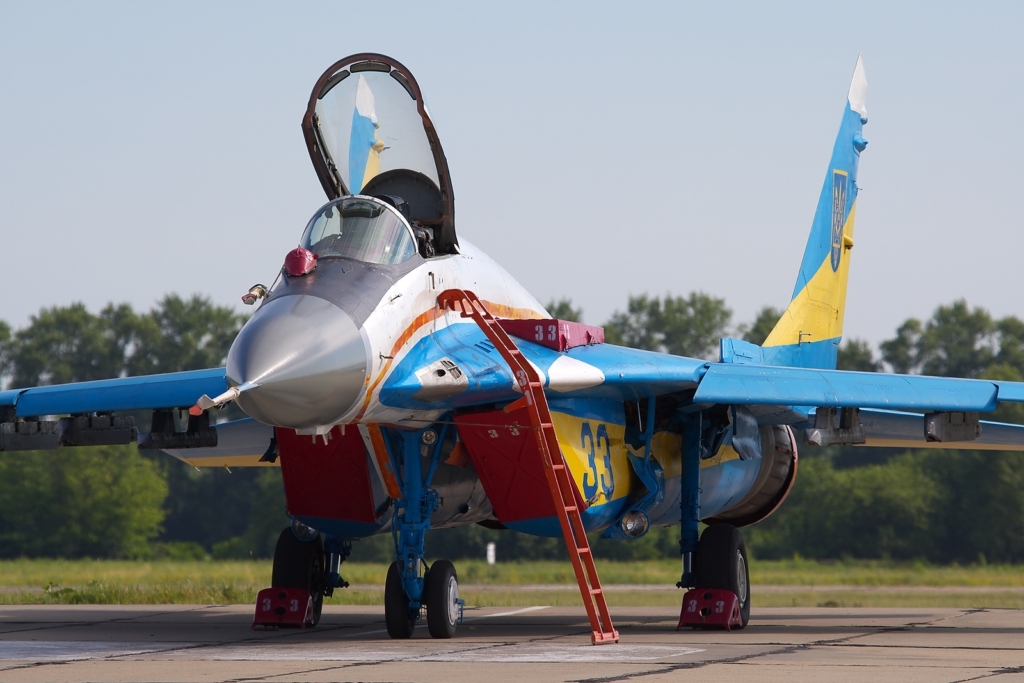
While examples of each of these aircraft remain in service, their numbers are diminished by attrition and being worn out. Many of the MiG-29s now in service are ex-Polish, Slovakian, and even Azeri jets.
The Ukrainian Air Force is regenerating from a low point as it transitions to donated F-16 and Mirage 2000 fighter jets.
Ukraine’s biggest limiting factor with the F-16s is the lack of trained pilots. Ukraine dismissed a report that it has an F-16 squadron flown by ex-US Air Force and Dutch volunteers.

In the longer term, Ukraine is planning to retire its Soviet legacy aircraft and operate a fleet of 250 or more strong, centred on Rafales, Saab Gripen Es, and F-16s.
Featured Image: Ukraine Air Force


