


What went wrong for airBaltic? Why the airline filed for Chapter 11 protection

5 min read

airBaltic has filed for Chapter 11 bankruptcy protection in the US and secured a €350 million ($405 million) financing package as it attempts to secure its future after months of mounting pressure.
What has happened to airBaltic?
The Latvian carrier voluntarily started the Chapter 11 process to restructure its financial obligations, but has stressed that it will continue to operate.
airBaltic said flights and services would be maintained “without interruption” with all flights operating as scheduled, and tickets remaining valid.
As part of the Chapter 11 process, new financing has been secured to support the business, with the company having secured a commitment for 350 million euros in new debtor-in-possession (DIP) financing.
This has been arranged by Strategic Value Partners and funded by Barclays, Hayfin Capital Management, Morgan Stanley, Oaktree Capital Management and Strategic Value Partners.
The aim of the cash injection is to provide liquidity as well as support operations during the Chapter 11 process.
airBaltic said the long-term aim was to provide it with a more sustainable capital structure and a more solid foundation for the future. It insists it is now on the “right track”.
How did airBaltic get into this position?
The carrier’s decision to initiate Chapter 11 proceedings comes after a surge in fuel prices triggered by the Iran war compounded an already difficult financial position.
AirBaltic had been seeking new funding to meet its short-term obligations while carrying expensive bond debt and the costs associated with its entirely leased fleet.
The airline received a €30 million loan from the Latvian government in April, but ratings agency Fitch estimated that the airline needed a further €156 million in short-term funding to continue operating.
Fitch noted the financial strain was partly due to increases in fuel prices.
“The company remains highly exposed to high oil and jet fuel prices, due to unhedged fuel consumption,” Fitch said.
Jet fuel prices have remained high, despite having fallen since the March-May 2026 peak.
airBaltic’s liquidity has also been impacted by the extension of supplier payment terms.
While airBaltic secured a €30 million short-term loan from the Latvian state in April 2026, the loan only provided a temporary bridge to the stronger summer period, providing only a “few months of reprieve”.
In the search for additional sources of cash, the carrier was seeking approval to raise up to €257 million through new super-senior debt maturing in February 2027.

airBaltic was failing to cover its costs
Fitch forecast that airBaltic was due to generate around €130 million in EBITDAR in 2026, up slightly from the €124 million in 2025.
However, this was deemed insufficient to cover the roughly €160 million which airBaltic was exposed to from lease payments for its aircraft.
It also had a bond coupon payment worth €57 million.
“We forecast that the company will generate a sizeable negative free cash flow in 2026, only partially limited by the recent waivers granted by bondholders. The company expects to offset this shortfall through the planned financing; however, we currently have limited visibility on the feasibility of this plan,” Fitch said in August.

Brakes applied to fleet growth plan
The latest restructuring marks a major reversal for an airline that had been pursuing an ambitious plan to grow its fleet to 100 aircraft.
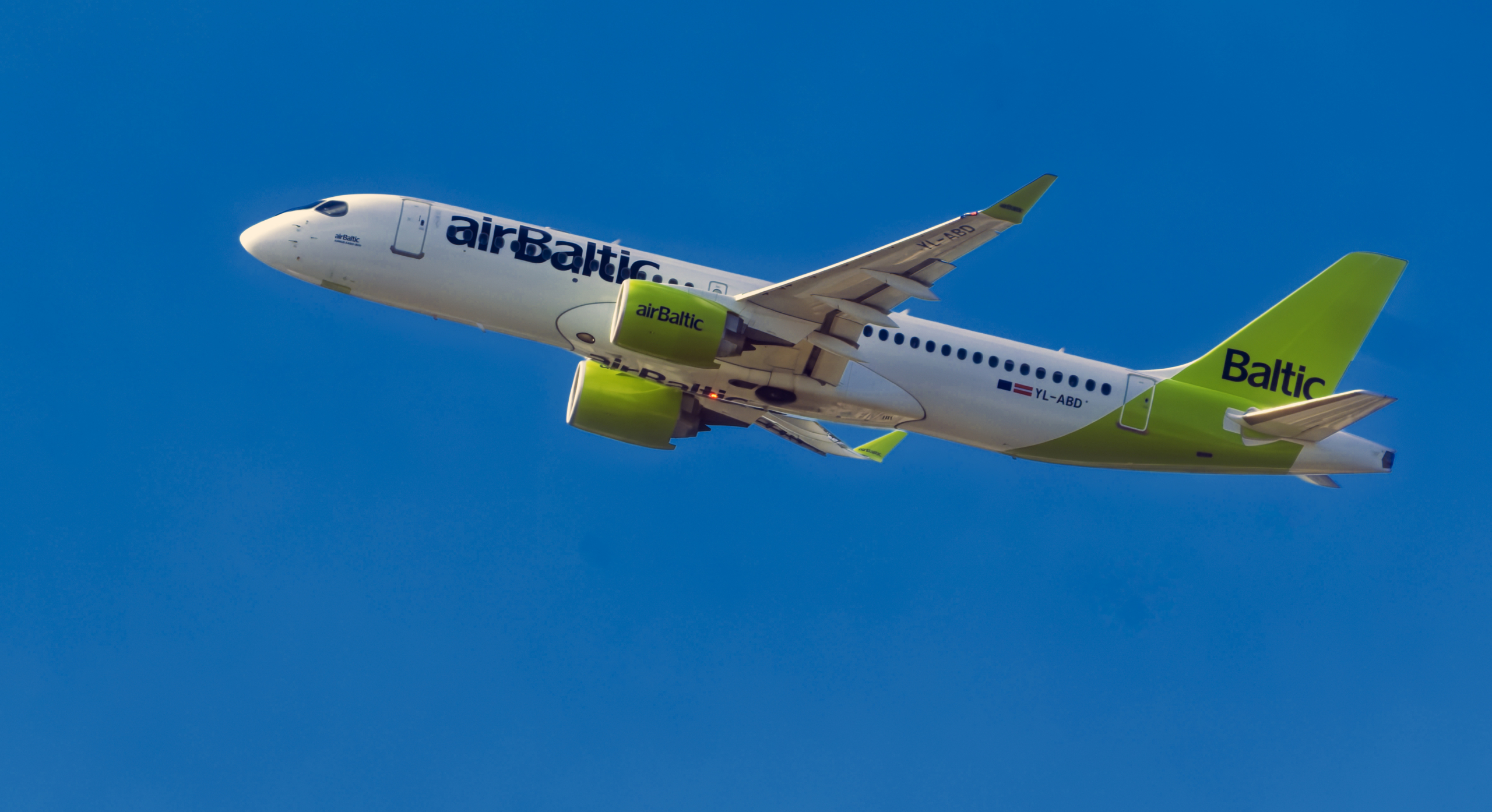
In recent months, airBaltic has been keen to put the focus on its plans to operate a fleet of 100 A220-300s by 2030, having transitioned to a single-type fleet.
The start of that process was due to happen this year, with airBaltic’s fleet having expanded to 54 aircraft, up from 51 in 2025. The carrier has subsequently produced a scaled back business plan where the fleet was planned to shrink to 36 airframes.
The planned fleet expansion increased financing and leasing commitments at a time when the airline was already under financial pressure. This was not helped by the durability issues for the A220s, on which airBaltic had pinned its future, and their Pratt & Whitney geared turbofan engines.
What will the Chapter 11 process mean for the airline going forward?
airBaltic says the process to restructure its finances will not affect passengers and operations will continue as normal.
Flights are operating as scheduled, tickets and reservations will remain valid, and customer service will continue as usual, the airline said.
However it will inevitably lead to some concern among the flying public about the ongoing viability of the airline, potentially impacting future ticket sales.

Andrejs Martinovs, chairman of the supervisory board of airBaltic, said: “We have carefully assessed the restructuring options available to the company, with one priority in focus – to give airBaltic the best possible basis to continue operating and to build a sustainable financial structure.
“Under court supervision and with protection from creditor claims, this process provides a clear framework and timetable for reaching agreements with creditors, including aircraft lessors and other stakeholders.
“At the same time, it allows the company to continue operating. That is the central priority set for the airBaltic management board – to keep flying and to maintain Latvia’s connectivity.
“This process will of course require strict financial discipline, and the company will have to meet a number of important conditions along the way. Our aim is to complete the process with a financially stronger airBaltic and a substantially reduced level of obligations that the company can sustainably manage over the long term.
“We have a strong management team and experienced advisers with hands-on experience of implementing Chapter 11 processes. airBaltic is on the right track.”
Sign up for our newsletter and get our latest content in your inbox.


More from

October 25, 20265 min read


