Air campaign over Iran continues despite ceasefire amid conflicting claims

5 min read
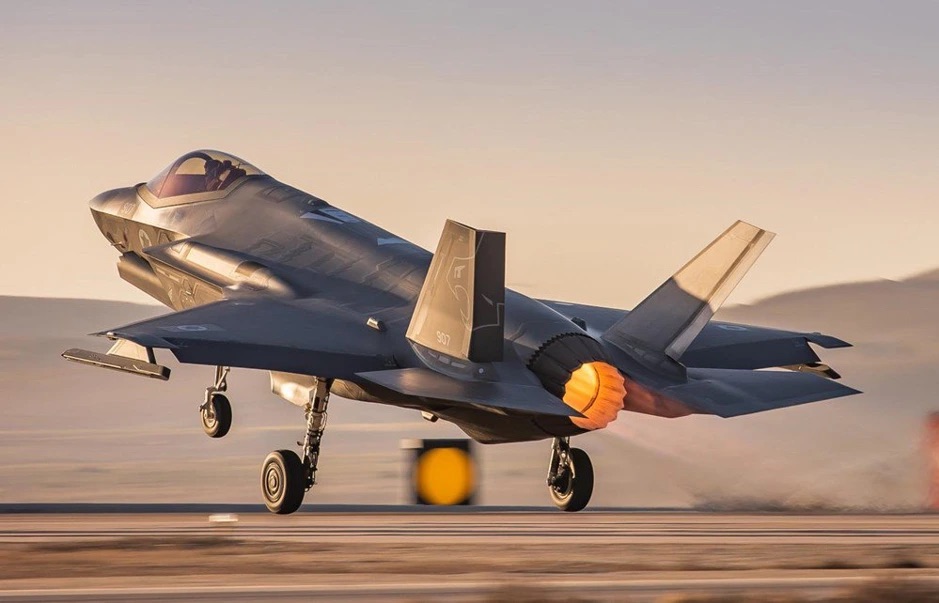
Over a day ago, the US announced a two-week ceasefire in its air campaign over Iran, following which both Iran and the US, yet again, claimed victory. As of the time of writing, the state of the air campaign is a mix of confusing, fluid, and full of disinformation.
Here are some of the reported military air force-related developments since the fragile ceasefire. Many of the events in this article are not fully confirmed, and the situation is evolving rapidly.
Israel continues air strikes on Lebanon (and maybe Iran)
There are conflicting reports about whether the United States consulted Israel about the ceasefire or whether the junior partner was blindsided.
So basically Trump asked Pakistan to ask Trump for a 2 week ceasefire, and Trump agreed to a ceasefire without Iran, US or Israel actually cease firing.
— Financelot (@FinanceLancelot) April 8, 2026
Then Trump claimed Iran opened the Strait of Hormuz without Iran actually opening the Strait of Hormuz.
Do I have this right? https://t.co/LqL0Hfw1JT pic.twitter.com/7KYHUfYHus
However, The Times of Israel quoted Israeli Prime Minister Benjamin Netanyahu as saying that Israel’s “finger remains on the trigger” and that Israel was not caught off guard by the ceasefire.
Iran is reported to have tied the ceasefire to Israel stopping attacking its ally, Hezbollah, in Lebanon. Israel has seemingly dismissed this and launched a massive wave of airstrikes across Lebanon targeting the paramilitary group.
Israel says the ceasefire does not include Lebanon, and it launched its largest-yet wave of air strikes against Hezbollah.
Iran’s IRGC claims all ship traffic through the Strait of Hormuz is halted following Israel’s attack on Lebanon -CNN
— OSINTtechnical (@Osinttechnical) April 8, 2026
It remains unclear if Israel has continued to strike targets in Iran, but open-source tracking suggests US KC-135s based in Israel may have continued to support Israeli air operations.
Get the latest aerospace defence news here on AGN.
Possible UAE airstrikes on Iran
Perhaps one of the most interesting developments is reports that after the US announced it would ceasefire against Iran, the United Arab Emirates started its own air campaign against Iranian oil infrastructure using Mirage 2000 jets. The UAE has not confirmed these strikes.
BREAKING: Multiple military sites in Bushehr were targeted by the UAE Air Force almost an hour ago. Once again, the UAE is trying to frame Israel for these strikes, as its Air Force conducts airstrikes across southern Iran today.#OperationEpicFury #OperationLionsRoar pic.twitter.com/qclIBFUvgy
— Babak Taghvaee – The Crisis Watch (@BabakTaghvaee1) April 8, 2026
There are reports that Iran retaliated by targeting the UAE’s petrochemical infrastructure. It should be stressed that it’s unclear if the UAE has carried out strikes; the strikes could have been carried out by another actor, like Israel.
The state of shipping in the Strait of Hormuz is also confusing. Some reports claim that Iran (and possibly Oman) will exact a toll on ships passing through the strait. If true, this would be a major strategic win for Iran.
However, this has been dismissed by the US. Some quarters have reported the Strait has been reopened, while CNN reported it remains closed.
The prospect of Iran having control over the Strait of Hormuz is likely a nonstarter for the UAE and possibly other Gulf states like Saudi Arabia.
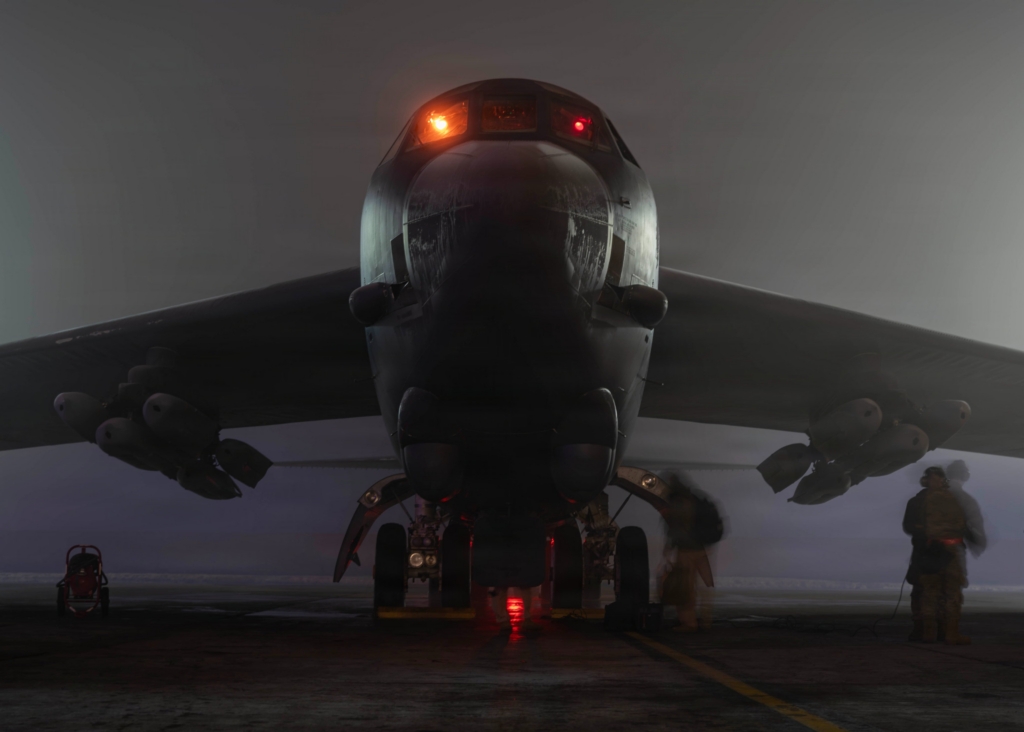
While these states initially opposed the US starting the war with Iran, they appear to be even more against the prospect of the US leaving the job half done. These states appear to believe that a wounded Iran would be even more dangerous.
It will take time for the dust to settle
There will likely be major fallouts from the American and Israeli air campaign over Iran, but these will take time to be known. While Iran’s air force was already old, it has now likely been substantially destroyed.
Trump, in a midnight post, says that US forces will remain in the region until a full agreement is reached and complied with.
— OSINTtechnical (@Osinttechnical) April 9, 2026
Adds that the U.S. military is looking forward to its “next conquest.” pic.twitter.com/40ntAoWjQJ
The internet blackout in Iran means that much of the impact has not been publicly posted, and the extent of the damage is unclear. That said, by the 7th of April, CENTCOM stated it had struck 13,000+ targets across Iran. This is in addition to Israeli strikes.
It is unclear if the Iranian regime will be able to survive the war once the dust settles, and if it does, what it will look like. The amount of damage to Iran’s IRGC and military infrastructure is enormous.
The US is also adamant that the ceasefire includes Iran giving up its nuclear programme, including its enriched material.
Trump is reportedly furious with NATO countries for not participating in the air campaign over Iran, even though he didn’t attempt to build a coalition before the strikes.
Iran's parliament speaker says that 3 clauses of the ceasefire agreement have already been violated:
— OSINTtechnical (@Osinttechnical) April 8, 2026
-Ceasefire in Lebanon
-Drones in Iranian airspace
-Denial of Iran's right of nuclear enrichment
"In such a situation, a bilateral ceasefire or negotiations is unreasonable."
The Wall Street Journal reports that he is considering closing a US airbase in Spain or Germany in retaliation. If this happens, it would likely be in Spain, as it denied its airspace to US aircraft, while Germany did not.
It should be noted that there is only so far the US can go with drawing down its military presence in Europe without proverbially “cutting off its nose to spike its face.”
Operation Epic Fury: April 6th Update pic.twitter.com/PjsR1eYB1W
— U.S. Central Command (@CENTCOM) April 6, 2026
The US’s airbases are critical to its ability to project air power in the Middle East. Without its refuelling and staging airbases in Portugal, the UK, Germany, Romania, Italy, and elsewhere, the USAF’s ability to project power on this scale would be curtailed.
Featured Image: IDF
Sign up for our newsletter and get our latest content in your inbox.


More from


October 17, 20264 min read