US Air Force seeks small kamikaze drones as LUCAS proves combat effectiveness in Iran

6 min read
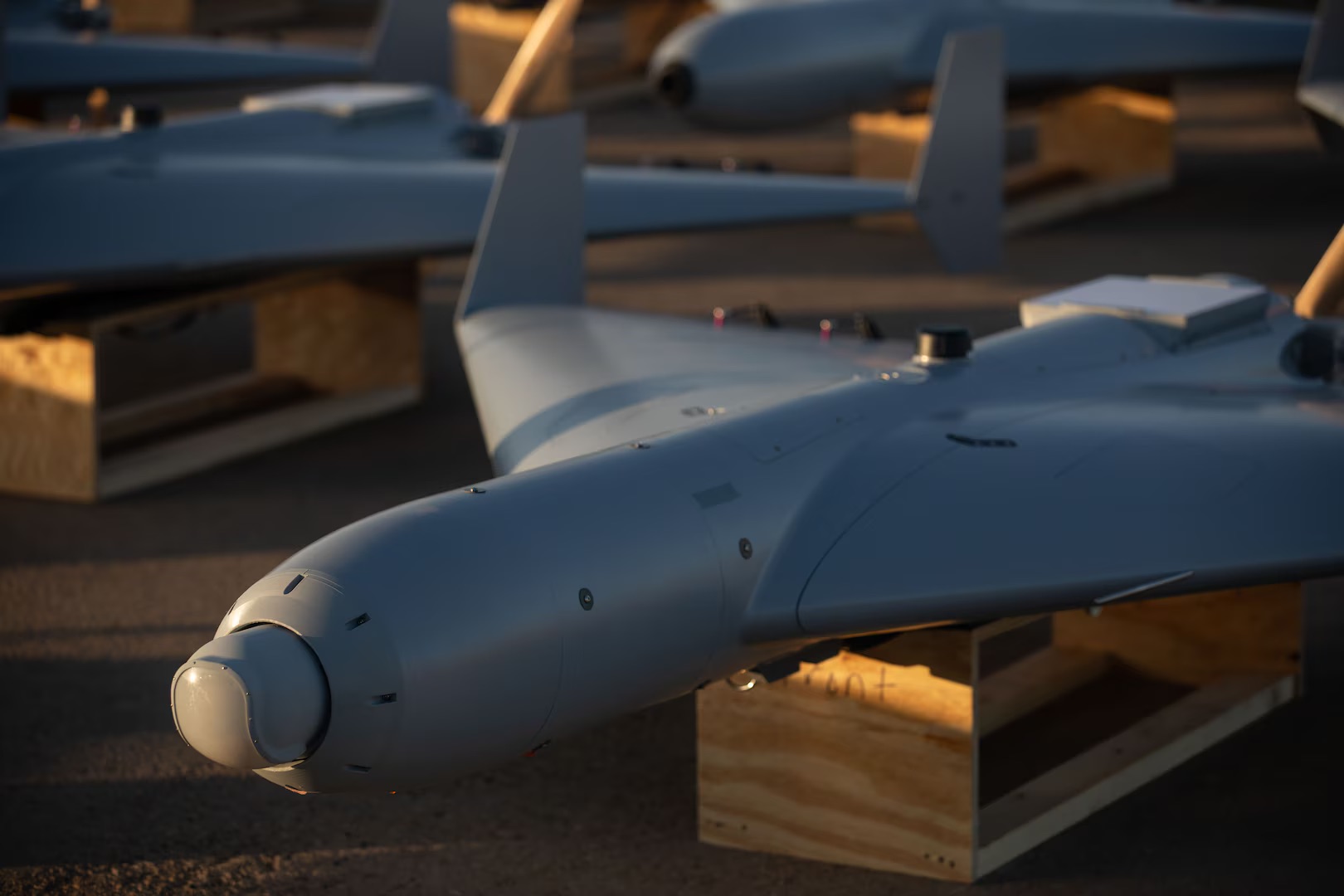
The US Air Force is moving quickly to field a new generation of compact one-way attack drones for frontline use, even as a similar system, LUCAS, sees its first combat deployment in Iran.
A newly issued Request for Information (RFI) signals a push to equip special operations forces with portable, lethal unmanned systems, underscoring how rapidly lessons from recent conflicts are being translated into operational capability.
Why the US Air Force wants small kamikaze drones
The RFI, issued by the Air Force Life Cycle Management Center, seeks industry input on portable, first-person-view (FPV) one-way attack drones that can be deployed by small teams operating in hostile or denied environments.
At its core, the requirement reflects a clear operational gap. According to the document, Air Force Special Operations Command (AFSOC) and its Special Tactics units “currently lack a purpose-built FPV unmanned capability,” limiting their ability to integrate such systems into high-intensity missions.
The Air Force is looking for a system that is not only lethal but also highly portable. The initial configuration must include two drones and a ground control station weighing under 30 pounds, with a long-term objective of reducing the system to just 10 pounds, light enough for a single operator to carry into combat.
Speed of deployment is equally critical. The RFI specifies that the system should be ready to launch within three minutes, with an objective of under one minute, highlighting the fast-moving, high-risk scenarios these teams are expected to operate in.
What the USAF wants in a compact attack drone
Unlike larger unmanned systems, the drones envisioned under this programme are intended to deliver direct, tactical firepower to small units on the ground.
The Air Force has outlined a kinetic payload in the range of 1.5 kg to 3 kg, placing it between small loitering munitions and larger strike drones.
Range and endurance are also central to the requirement. The system must be capable of striking targets at distances of at least 10 km, with an objective of extending that range to 20 km or more. Flight times are expected to range between 15 and 30 minutes, depending on payload.

Crucially, the drones must operate in electronically contested environments. The RFI calls for systems that integrate GPS with resilient communications such as 4G/5G connectivity and frequency-hopping capabilities, allowing continued operation even when satellite navigation is degraded or denied.
Interoperability is another key focus. The system is expected to integrate with the Android Team Awareness Kit (ATAK), enabling seamless coordination with existing battlefield networks while reducing training requirements.
LUCAS drones see first combat use in Operation Epic Fury
While the RFI points to future capability development, the US military has already taken a major step with the operational deployment of Low-Cost Unmanned Combat Attack System (LUCAS) drones.
US Central Command (CENTCOM) confirmed that LUCAS was used in combat for the first time during Operation Epic Fury, a coordinated US-Israeli campaign targeting sites in Iran.
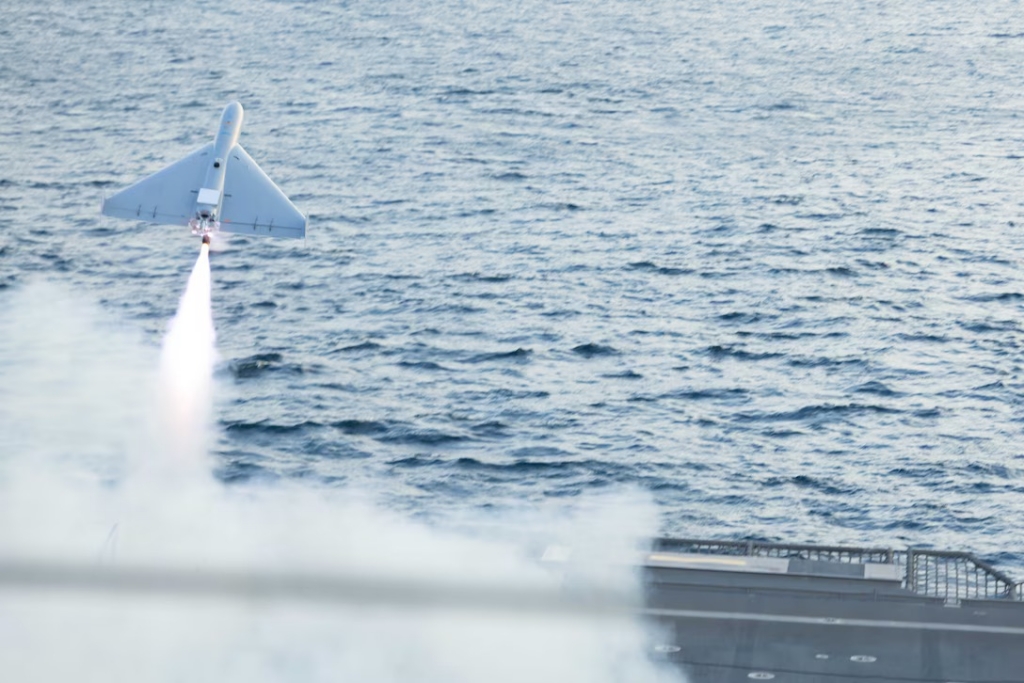
These one-way attack drones were launched by Task Force Scorpion Strike (TFSS), a unit established in December 2025 specifically to field and operationalise low-cost drone capabilities in the Middle East.
The task force represents a deliberate shift in how the US military approaches drone warfare. Rather than relying solely on high-end, reusable platforms, the focus has moved towards attritable systems that can be produced and deployed at scale.
CENTCOM commander Admiral Brad Cooper described the initiative as laying “the conditions for using innovation as a deterrent,” highlighting its strategic intent beyond immediate battlefield use.
Earlier, US defence company SpektreWorks received a $30 million contract to manufacture the drones.
How Task Force Scorpion Strike rapidly fielded LUCAS attack drones
Task Force Scorpion Strike was created just months after the Pentagon directed an acceleration in the acquisition of affordable drone technologies.
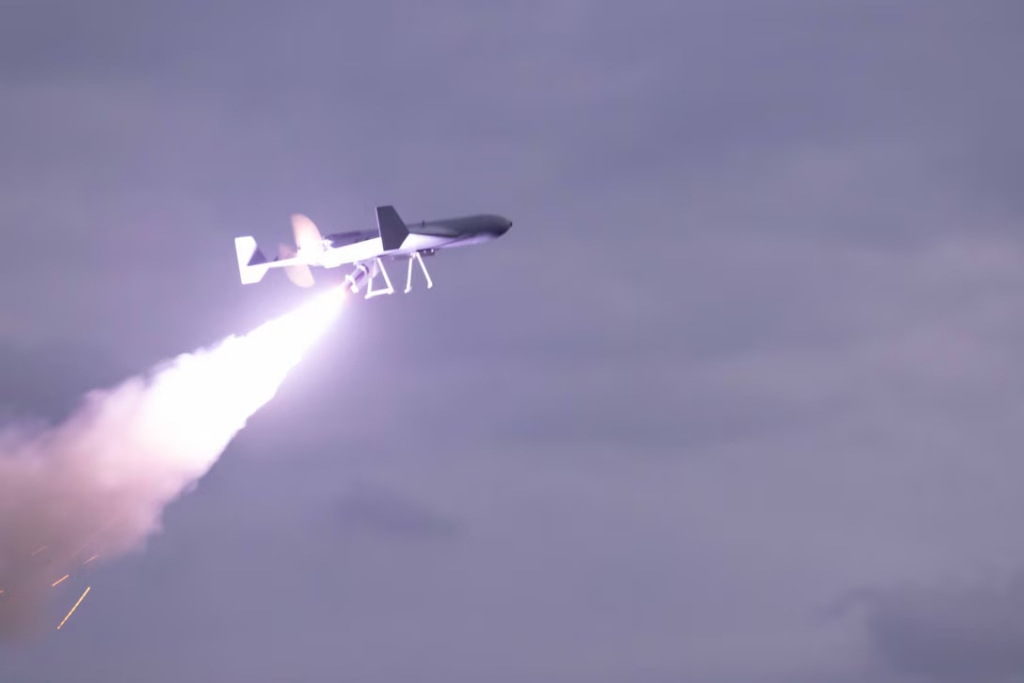
According to CENTCOM, the unit formed the US military’s first one-way attack drone squadron, equipped with LUCAS systems designed for autonomous operation and multiple launch methods, including ground-based platforms, catapults and vehicle-mounted systems.
This rapid fielding cycle marks a significant departure from traditional defence procurement timelines, which often stretch over several years.
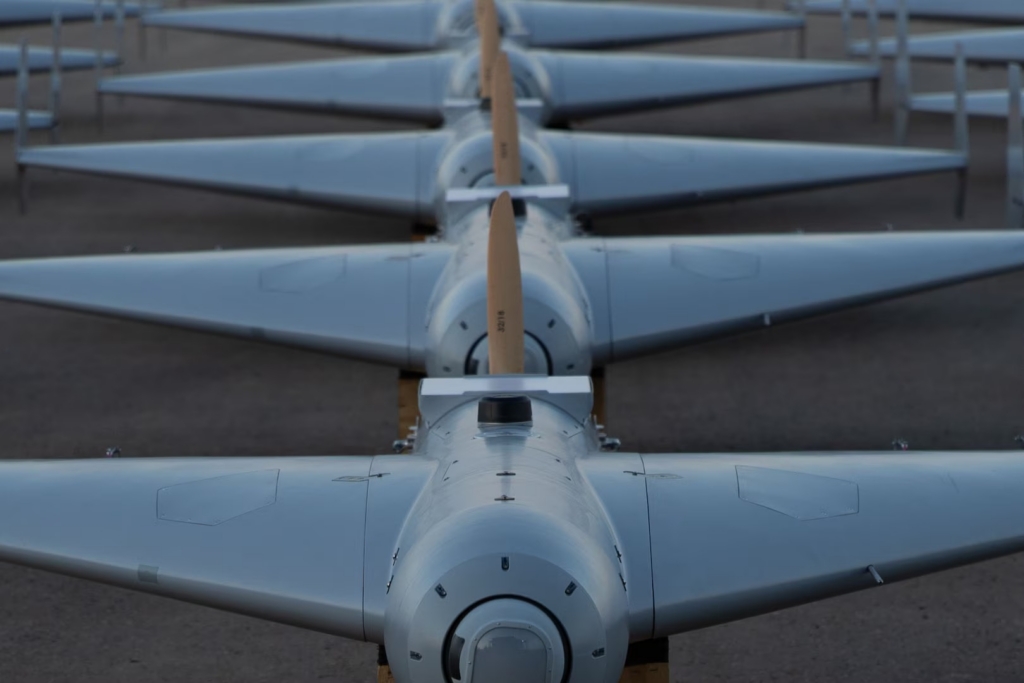
In contrast, LUCAS moved from concept to combat deployment in under a year, reflecting the urgency driven by evolving battlefield dynamics.
The system’s flexibility has also been demonstrated beyond land operations. In December 2025, US naval forces successfully launched a LUCAS drone from the flight deck of the littoral combat ship USS Santa Barbara, indicating potential for maritime use.
How Ukraine and Middle East conflicts are informing US drone strategy
The emergence of LUCAS is closely tied to the widespread use of Iranian-origin Shahed-136 drones, which have been deployed extensively in conflicts across Ukraine and the Middle East.
The US system follows a similar design philosophy, simple, expendable, and capable of being produced in large numbers.
What sets LUCAS apart is its cost and range. The drone is believed to reach distances of over 400 nautical miles while costing between $10,000 and $55,000 per unit, far cheaper than traditional precision-guided munitions.
🚨NEW — Footage reportedly shows a U.S. LUCAS drone striking an Iranian-backed proxy target in Iraq.
— KanekoaTheGreat (@KanekoaTheGreat) March 12, 2026
The LUCAS is America’s new low-cost attack UAV, modeled in part on Iran’s Shahed-style drones.pic.twitter.com/yJPqQmfFs7
This cost advantage enables mass deployment, allowing saturation attacks that can overwhelm conventional air defence systems. By comparison, intercepting such drones with high-end missile systems is often economically unsustainable.
The concept has already reshaped modern warfare. In Ukraine, both sides have used large numbers of low-cost drones for strike missions, reconnaissance, targeting, and even air defence roles.
Low-cost kamikaze drones are reshaping modern warfare
Another defining feature of LUCAS is its open architecture design, allowing different payloads and communication systems to be integrated depending on mission requirements.
The US government also retains intellectual property rights for the design, enabling multiple manufacturers to produce the system and scale output rapidly.
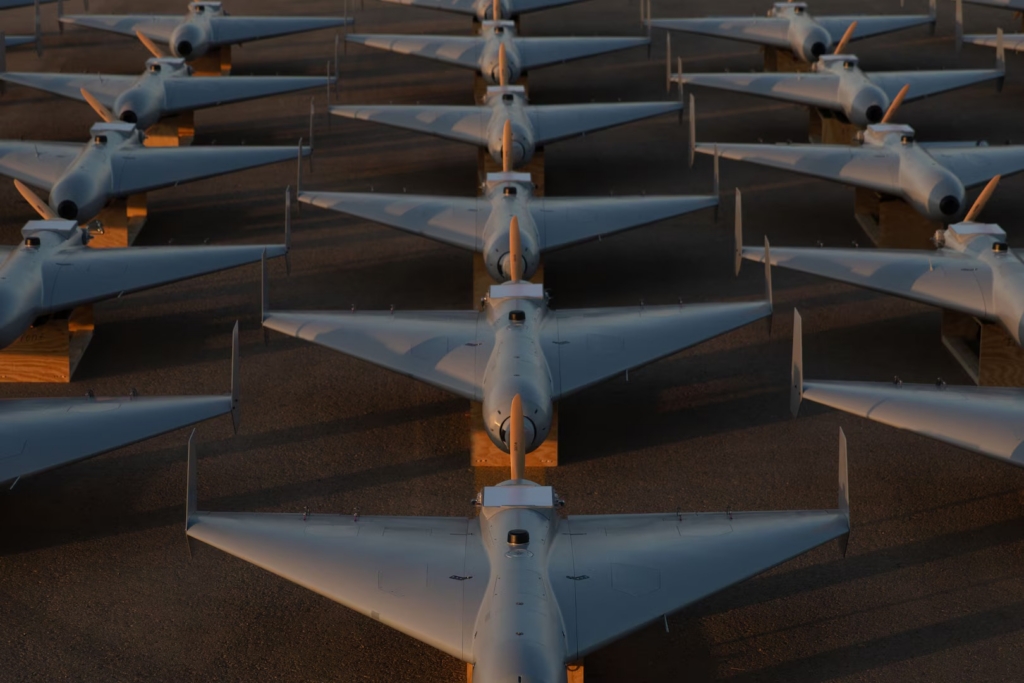
This approach aligns with the Pentagon’s broader push to expand industrial capacity for low-cost drones under initiatives such as the Drone Dominance programme, aimed at ensuring sustained production of attritable systems.
The direction of travel is clear: future conflicts will be fought not only with a limited number of high-end platforms, but with a mix of advanced systems and large volumes of cheaper, expendable assets.
US Air Force expands drone strike capability to small frontline teams
The new RFI suggests the Air Force is now looking to push this concept further down the tactical chain, equipping small special operations teams with their own organic strike capability.
For units such as combat controllers, pararescuemen (PJs), and tactical air control specialists, this could fundamentally change how missions are executed.
Rather than relying on external air support, teams would be able to identify and engage targets independently, reducing response times and increasing operational flexibility.
Featured image: CENTCOM