


US Air Force retires remaining A-29 Super Tucano fleet just two years after finding it a new mission

3 min read
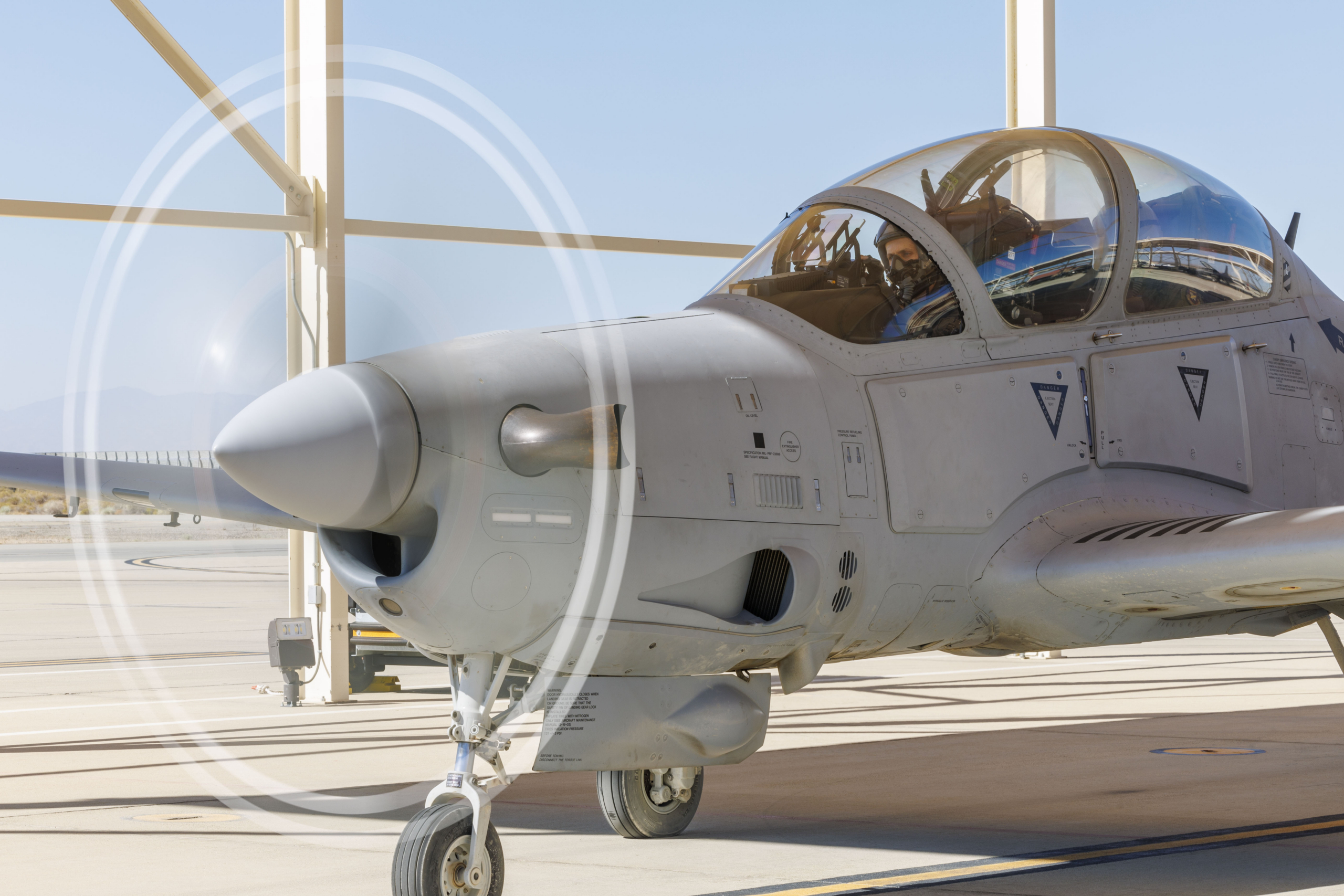
More than five years after the fall of Kabul, the US Air Force is finally mothballing its small fleet of A-29 (EMB 314) Super Tucanos.
The USAF acquired the aircraft as part of its efforts to equip the former Afghan Air Force, but then struggled to find a role for them after that mission ended.
USAF retires A-29 Super Tucano, contracting SNC for storage
The US Air Force has divested its fleet of three Embraer A-29 Super Tucano advanced trainer/light attack aircraft according to a new contract.
The development comes two years after the Air Force took the aircraft to the Air Force Test Pilot School.
On the 29 October, the Air Force released a notice that it would award a sole-source contract to SNC to provide on-call support for the aircraft while in storage.
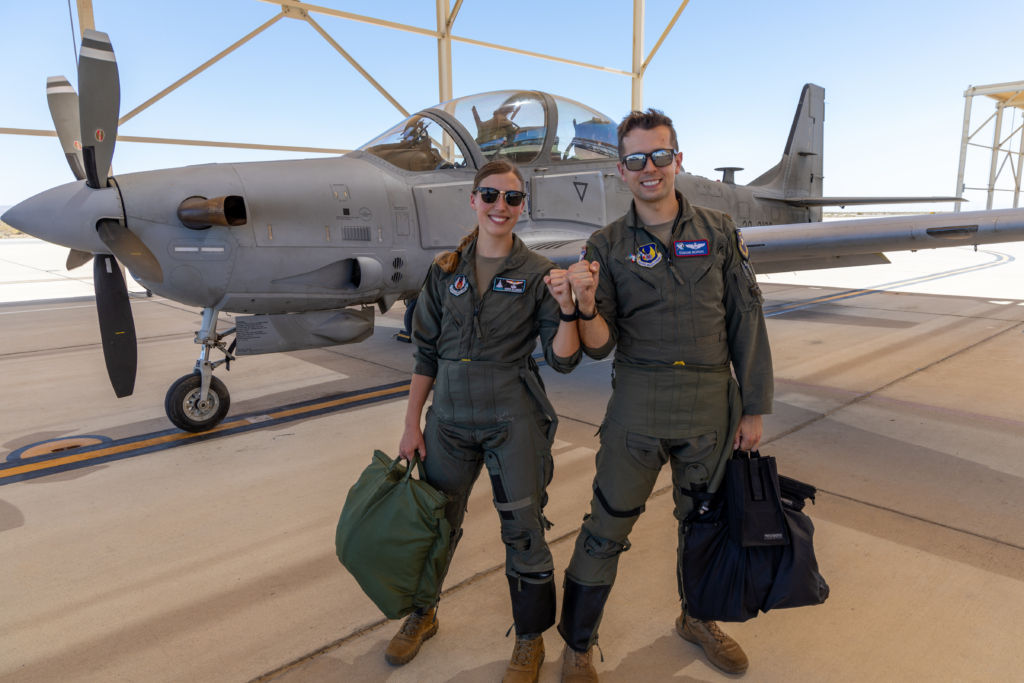
The three fully sealed Super Tucanos currently in storage at Edwards Air Force Base are not expected to return to flight for the Air Force.
SNC is to ensure the aircraft’s safe storage, environmental compliance, and ground movement within the installation. This concerns factors like oil leaks.
The US was heavily involved in Embraer’s Super Tucano
The A-29 was developed by Brazil’s Embraer, but the US became an important part of its international production and marketing effort through a partnership between Embraer and Sierra Nevada Corporation.
A second production line was set up in the US. US aircraft and those exported by the US to countries like Afghanistan (pre-2021) were built in the US, not Brazil.
Over 260 examples had been delivered by 2023. Brazil is the largest operator with 99 aircraft purchased, while Colombia, Chile, and Ecuador are significant operators.
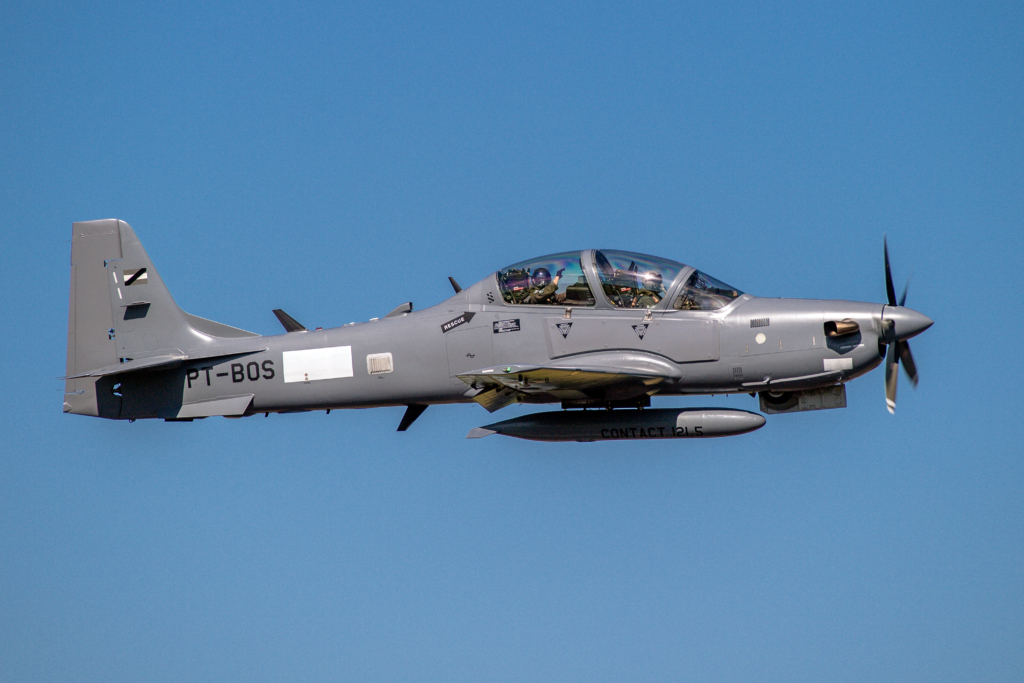
The US government procured 26 A-29s for Afghanistan, although not all had been delivered to the Afghan Air Force when the Taliban returned to power.
Embraer continues to see modest international orders and deliveries for the aircraft.
The effort to support pre-2021 Afghanistan
The Super Tucano’s use in the USAF was closely tied to supporting US allies, particularly Afghanistan, in counter-insurgency operations.
The USAF never operated the A-29 as a conventional operational light attack squadron, even though it was heavily involved in developing and supporting the aircraft.
USAF A-29s weren’t really bought to equip an American combat unit. Instead, they were part of an effort to build an Afghan fixed-wing attack capability.
Moody AFB was selected in 2014 as the training base, and the 81st Fighter Squadron was then established. The first of 20 A-29s arrived in September 2014, with the first Afghan pilots graduating in late 2015 and initial deliveries to Afghanistan in 2016.

The USAF purchased a tiny flight of A-29s in 2020-2021 for experimentation and a foreign advisory mission.
For a period, the USAF became interested in the A-29 (and AT-6 Wolverine) as the Light Attack Experiment, with the idea being it could be used on missions where the F-15, F-16, or A-10 were excessive.
By 2022, the aircraft no longer suited the USAF’s operational missions, and it planned to dispose of them.
In 2024, rather than disposing of them, it decided to transfer them to the Air Force Test Pilot School for flight-test training, spin testing, and sensors/weapons research.
At the time, it seemed like the A-29 had found a second life in the USAF. But this has evidently been short-lived, with the type now retiring.


