UK airports passenger record masks a shift from Middle East flying to budget Europe

4 min read
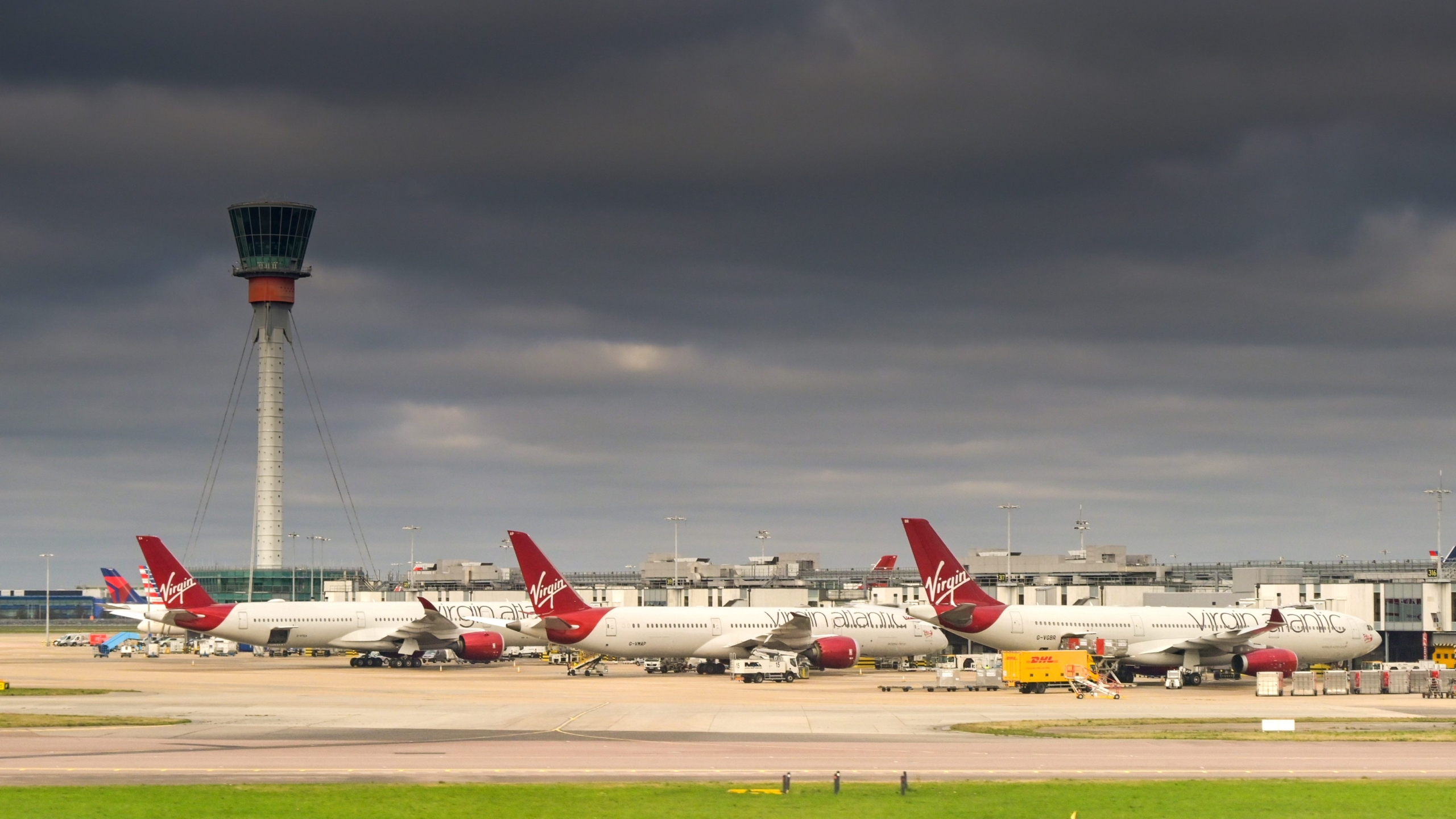
New UK Civil Aviation Authority data released on 27 August shows UK airports handled a record 81.16 million passengers between April and June 2026, despite disruption linked to conflict in the Middle East.
The Q2 total was only 120,000 passengers higher than the same period in 2025, an increase of around 0.15%, but the underlying traffic mix changed considerably. The CAA data shows low-cost airlines carried more passengers, demand shifted toward European destinations, and Middle East traffic fell as airlines adjusted schedules around regional disruption.
Ryanair, easyJet and Jet2 together carried 2.25 million more passengers than a year earlier, while Western Europe accounted for around 1 million additional passengers. By contrast, Dubai traffic fell 50% year on year, and Emirates and Qatar Airways recorded substantial declines in UK passenger numbers.
The same quarterly report also points to weaker operational performance. Only 74% of flights were on time, average delay rose to 14 minutes and the proportion of flights cancelled within 24 hours of departure increased to 0.91%.
The figures show a UK aviation market that continued to grow through geopolitical disruption, but with demand moving toward different airlines and destinations while punctuality and cancellations worsened.
Ryanair and Jet2 drive UK airline growth
Ryanair was comfortably the biggest contributor to passenger growth among UK airport operators in Q2.
The airline carried 17.1 million passengers through UK airports, up 9% year on year, while Jet2 also grew 9% to 6.7 million. easyJet, the second-largest carrier by passenger volume, increased traffic 2% to 16.4 million.
Together, Ryanair, easyJet and Jet2 carried 2.25 million more passengers than during Q2 2025, far exceeding the net increase recorded across the UK market as a whole.
| Airline | Q2 2026 passengers | YoY |
|---|---|---|
| Ryanair | 17.1m | +9% |
| easyJet | 16.4m | +2% |
| British Airways | 13.5m | -1% |
| Jet2 | 6.7m | +9% |
| TUI Airways | 3.2m | -6% |
| Wizz Air | 2.9m | -1% |
| Virgin Atlantic | 1.5m | -2% |
The flight data tells a similar story. Ryanair operated around 9,000 more UK air transport movements than a year earlier, while easyJet added around 4,000 and Jet2 around 2,000.
British Airways operated roughly 2,000 fewer movements, while TUI Airways reduced flying by around 1,000.
The divergence was even greater among airlines exposed to the Middle East. Emirates carried 46% fewer passengers through UK airports during the quarter, while Qatar Airways was down 42%.
European trips replace lost Middle East demand
Where passengers flew also changed significantly. Western Europe generated around 1 million additional UK airport passengers compared with Q2 2025. Domestic flying added approximately 300,000 and Eastern Europe around 200,000.
By contrast, the CAA’s broader rest-of-world category lost approximately 1.2 million passengers, while North America declined by around 200,000.
Several major European leisure and city markets posted strong growth. Madrid passenger numbers increased 15%, Barcelona 11%, Alicante 8% and Faro 7%. Dublin, already the UK’s largest international air market, grew another 5%.
The Middle East moved sharply in the opposite direction.
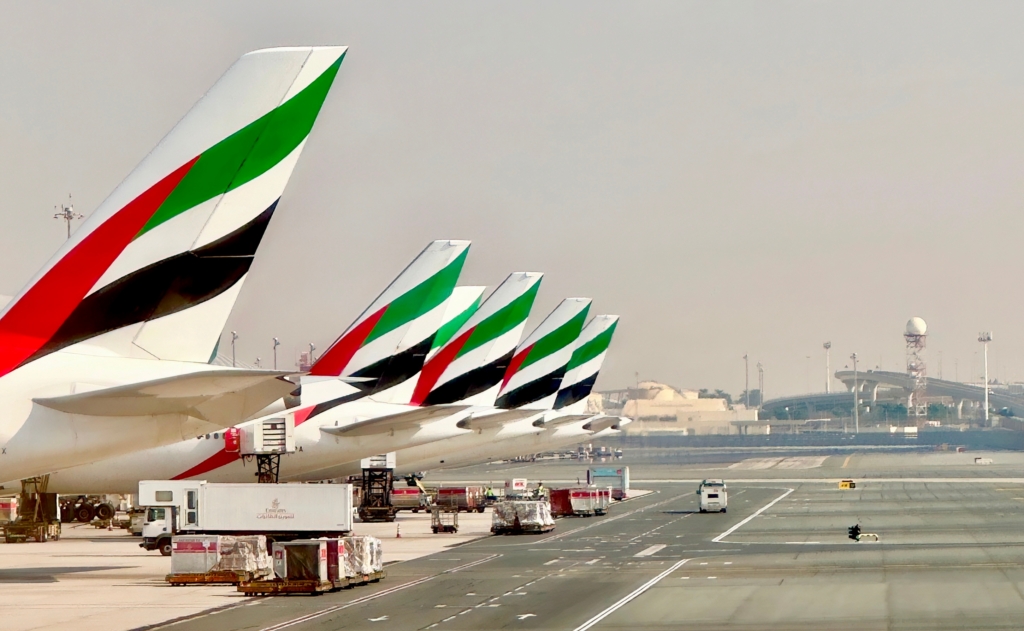
Dubai traffic fell by 50% to around 736,000 passengers as conflict and airspace disruption affected operations. Istanbul declined 6%, while Turkish leisure markets also weakened, with Dalaman down 18% and Antalya down 12%.
North Atlantic demand was not universally strong either. Passenger traffic between the UK and New York JFK fell 14% year on year.
The result was effectively a redistribution of UK demand: strong growth on short-haul European routes compensated for substantial losses elsewhere sufficiently to keep total passenger numbers just above last year’s record.
Record traffic comes with worsening delays
The passenger record did not translate into improved operational performance.
Only 74% of flights arrived or departed within 15 minutes of schedule during Q2, down from 75% a year earlier. Average delay increased from 13 to 14 minutes, while the proportion of flights cancelled within 24 hours of departure rose from 0.70% to 0.91%.
Performance also deteriorated markedly as the quarter progressed.
| Metric | April | May | June |
|---|---|---|---|
| Flights on time | 82% | 75% | 66% |
| Average delay | 9 min | 14 min | 20 min |
| Flights cancelled within 24h | 0.94% | 0.60% | 1.19% |
June was particularly difficult, with only two-thirds of flights operating within 15 minutes of schedule and average delays reaching 20 minutes.
There were substantial differences between operators. SAS was the most punctual of the 20 largest airlines at 86%, followed by Loganair at 83%. Jet2 recorded 67%, Swiss 64% and TUI Airways 58%.
Airport performance was similarly varied. Aberdeen topped the CAA ranking with 86% of flights on time, while Manchester recorded just 66%. Heathrow achieved 77%, compared with 73% at Gatwick and 72% at Stansted.
The UK’s aviation sector emerged from another disrupted quarter with a passenger record intact. But the 0.15% increase in overall traffic disguises a much bigger story: millions of passengers shifted toward low-cost airlines and European routes while geopolitical disruption removed demand elsewhere, and the system became less punctual as the summer peak approached.