How digital natives are shaping the skies: SITA Passenger IT Insights 2025

4 min read
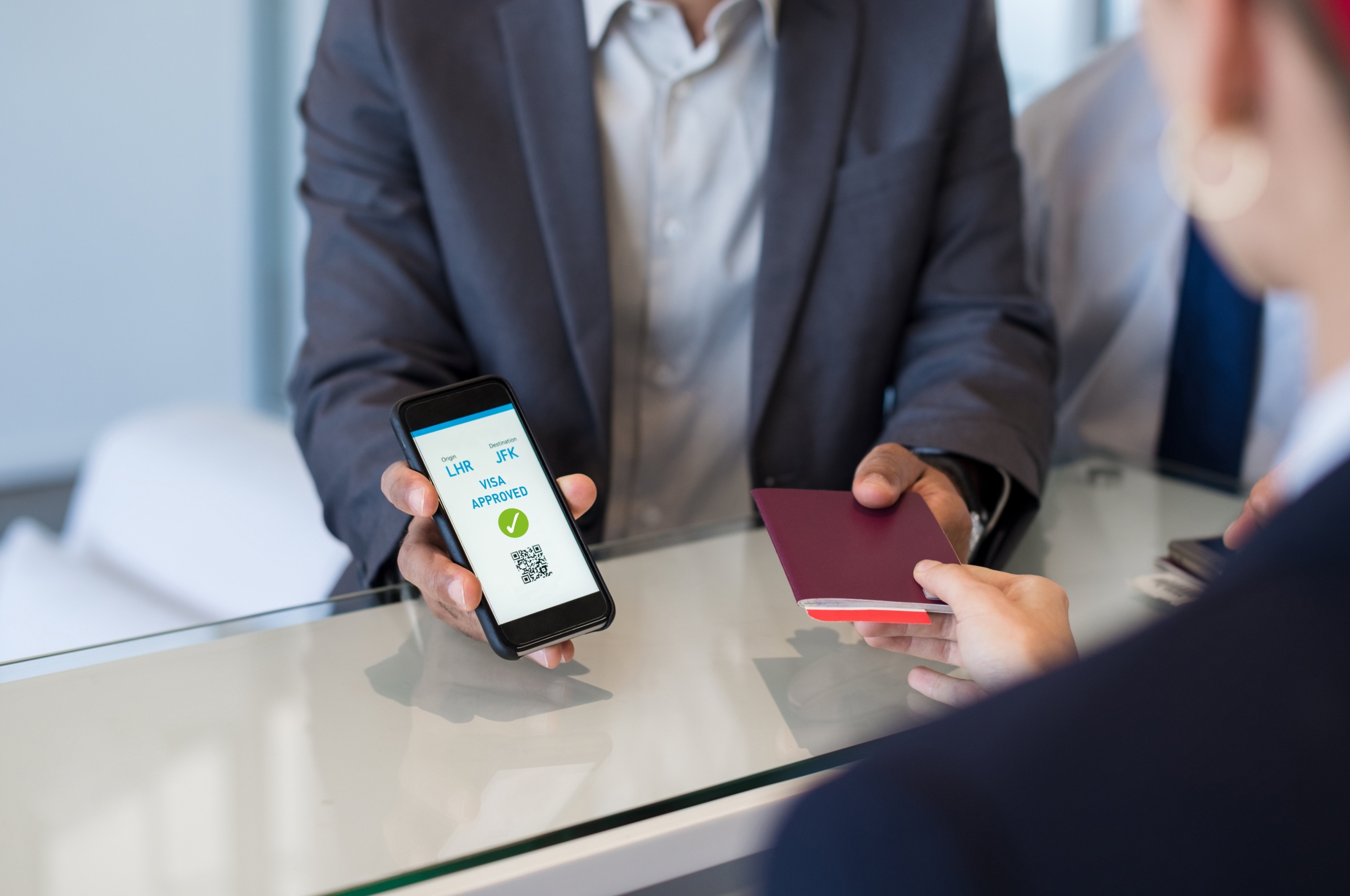
The younger cohort of travellers is driving airline growth. These digital natives expect flying to be as simple, connected, and transparent as the rest of daily life. That’s the finding from the new SITA Passenger IT Insights 2025 report, which surveyed over 7,500 passengers across 25 countries to capture how technology will reshape the passenger experience.

The report, now in its 16th year, identifies three top passenger priorities — simplicity, trust, and sustainability — and examines how daily digital habits influence air traveller expectations.
Digital expectations shift as younger flyer demographics increase in number
In 2024, global passenger traffic increased by 10.6% year-over-year, according to IATA’s Global Outlook for Transport. However, as SITA notes, the average traveller still took only 3.7 flights, nearly unchanged from 2023. For 2025 and beyond, SITA projects that travellers will take an average of 4.5 flights per year.
First-time and infrequent passengers—often younger digital natives with limited tolerance for friction—drive growth in the airline industry. Millennials and Gen Z flyers are now becoming a meaningful majority, and they book 30% of their trips through airline apps, compared to just 15% among Baby Boomers.

SITA CEO David Lavorel summed up the needs of this growing number of air travellers, saying: “When your daily life is digital, you expect the same from travel.”
Mobile-first, app-driven passengers increasingly expect air travel to operate like a ride-hailing or delivery app — with real-time updates, self-service, and instant feedback loops.
Passengers are willing to pay for smoother journeys
Notably, the SITA report reveals that travellers will pay for convenience and peace of mind when they fly:
- 66% would pay for faster, more convenient airport processing, up from 62% last year.
- 78% would be willing to pay for end-to-end baggage tracking.
- 79% are ready to use digital identities stored on their phones, with 66% willing to pay for the service.
Automation is becoming dominant across all air traveller touchpoints. Mobile booking rose five percentage points, baggage collection via mobile app increased by six percentage points, and onboard Wi-Fi usage increased by four percentage points.

As travellers’ familiarity with biometrics grows, the use of eGates and kiosks for identity control has risen to 39%.
Passengers also expect technology to solve long-standing bottlenecks: 64% want shorter airport waits, 42% want a single integrated ticket for multi-modal travel, and 35% want real-time updates throughout their journey.
Biometrics and Digital IDs are mainstream
The share of passengers who have never used biometrics dropped sharply, from 41% in 2024 to 31% in 2025. Passenger comfort scores for using face or fingerprint scans now average 7.3/10 at security and 7.1/10 at immigration. Male travellers, younger travellers, and frequent flyers lead adoption, but even among those who fly less often, digital identity solutions are welcome.
- 77% of infrequent travellers feel at ease storing their passport on their mobile phone
- 75% of infrequent travellers are happy to share their digital identity and biometrics ahead of travel

Travellers are concerned about the security of their personal data.
- 54% cite data privacy and compliance as their main worry.
- 44% fear identity theft or data misuse
Nevertheless, 86% of passengers trust airlines, airports, and border agencies to handle their data responsibly — though only one in five say they “trust a lot.”
Digital Travel Credentials (DTCs) — digital wallets for travel documents — are gaining strong interest.
- 66% of passengers would pay for the service
- 80% say they’d be comfortable sharing credentials with airlines
Sustainability is becoming a deciding factor
Sustainability has evolved from “nice to have” to a deciding factor in ticket choice, according to SITA. Nearly nine in ten passengers are willing to pay more or change their behaviour to reduce emissions. On average, travellers would pay a 11.3% premium to offset their carbon footprint.
The most eco-committed passengers are business travellers, who are willing to pay 14.6% extra. Meanwhile, 59% would fly an hour longer to cut emissions by 25%, half would fly two hours longer to halve them, and 80% would pack lighter to reduce weight.

More than half of travellers want airlines (58%) and airports (53%) to use technology to reduce emissions. Additionally, 76% would share their travel and carbon data with AI platforms to optimise routes, cut emissions and help improve sustainable travel technology.
Smart baggage and intermodal travel
After years of incremental progress, digital baggage solutions and intermodal travel are now central to passenger expectations.
According to SITA, global baggage mishandling rates fell to 6.3 per 1,000 passengers in 2024, down from 6.9 the year before — but travellers want control and visibility over their bags, not just reliability.
- 78% would pay for door-to-door baggage handling.
- 49% say mobile bag tracking would make them more confident.
- 44% want home or hotel collection, while the same share prefer airport terminal drop-off.

SITA cites examples, such as its prototype in Singapore, which allows passengers to drop off their luggage at hotels for direct transfer to the airport — a model of the seamless, connected travel chain that passengers now expect.
On the intermodal front, 70% of travellers plan at least one trip combining air, rail, or road in the next 12 months. Nearly half (42%) want a single digital ticket covering all modes.
The future of air travel is digital by design
The 2025 report concludes that air travellers are now demanding digital tools to ease travel’s pain points.
Passengers “want journeys that are digital by design, sustainable at heart, and built on trust,” SITA writes. The next frontier is complete digital harmony — connecting passenger, airline, and airport data so travel flows as smoothly as a swipe on a phone.