New study: Moisture identified as key driver of aircraft composite material ageing

March 21, 2026

Moisture absorption can be the main reason for long-term degradation of aircraft-grade carbon fibre composites, according to new research by Monash University and RMIT.
The research, published in Composites Part A: Applied Science and Manufacturing, addresses a long-standing uncertainty in aerospace engineering: what really drives the slow ageing of composite materials that now form the backbone of modern aircraft structures.
Carbon fibre reinforced polymers (CFRPs), widely used in today’s airframes, are prized for being both lightweight and exceptionally strong. Yet they are not immune to environmental exposure.
Over years in service, these materials gradually absorb moisture from the atmosphere, an effect that, until now, has been difficult to quantify in terms of long-term structural impact.
What the researchers found cuts through that complexity.
“What we found is that it’s not the exact ageing temperature or humidity that matters most, it’s how much moisture the material ultimately absorbs,” said Dr Katherine Grigoriou of Monash University.
“This means that if we understand how moisture builds up inside a composite structure, we can much more reliably predict how it will perform over many years in service.”
Study reshapes understanding of aircraft composite ageing
For decades, aerospace testing has relied heavily on accelerated ageing, placing materials under high heat and humidity to simulate years of operational exposure in a matter of weeks or months.
The assumption has largely been that harsher environmental conditions produce different kinds of degradation. The new findings suggest otherwise.
Instead, temperature and humidity appear to act mainly as accelerators, influencing how quickly moisture enters the material but not fundamentally changing the way the material deteriorates.
“Our results show that accelerated ageing methods can still provide reliable predictions of long-term performance, as long as the moisture content in the material is properly understood and controlled,” Dr Grigoriou explained.
That distinction matters. It means engineers can refine testing protocols, focusing less on replicating specific climates and more on accurately modelling how moisture accumulates within composite structures over time.
Microscopic damage reveals how composites weaken from within
Using advanced imaging techniques, the research team examined how different carbon fibre laminate designs responded to prolonged environmental exposure.
What they observed was not dramatic failure, but gradual internal change.
Tiny voids began to form. Micro-cracks spread through the polymer matrix. The bond between fibres and resin, the very interface that gives composites their strength, started to weaken.
Crucially, not all composites behaved the same way.
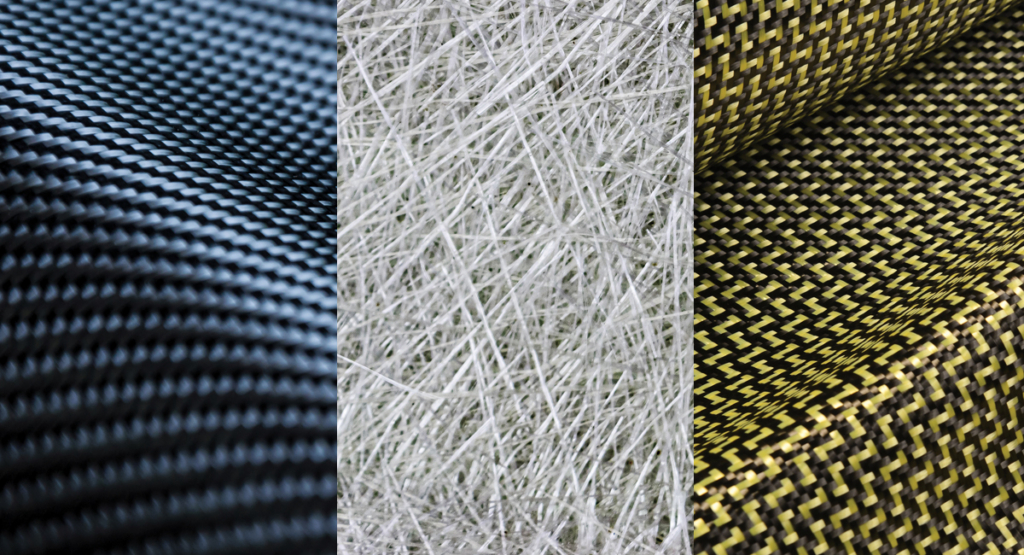
The internal arrangement of fibres, known as the laminate architecture, played a decisive role. Some configurations retained strength far better, while others proved far more vulnerable to moisture-driven degradation.
This opens the door to more resilient material design where fibre orientation and layering are optimised not just for strength and weight, but for long-term environmental durability.
Why carbon fibre composites are critical to modern aircraft design
The implications of the study go beyond laboratory insight. They touch the very core of modern aircraft design.
Over the past two decades, composites have moved from being supplementary materials to becoming structural mainstays.
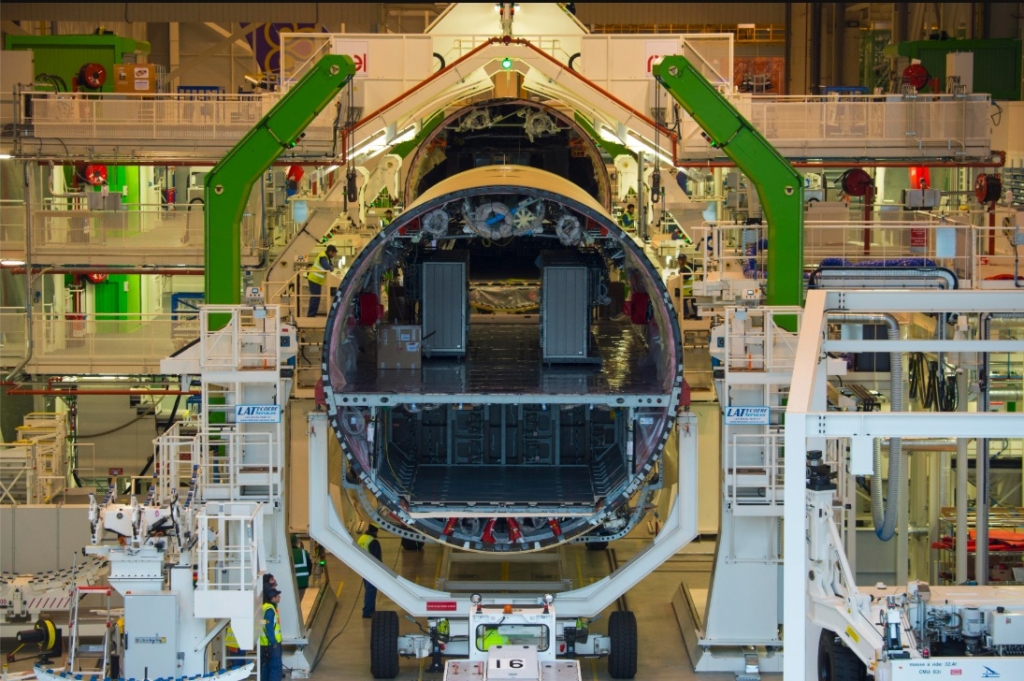
Aircraft such as the Boeing 787 and Airbus A350 rely on carbon fibre composites for more than half of their structure, particularly in wings and fuselage sections.
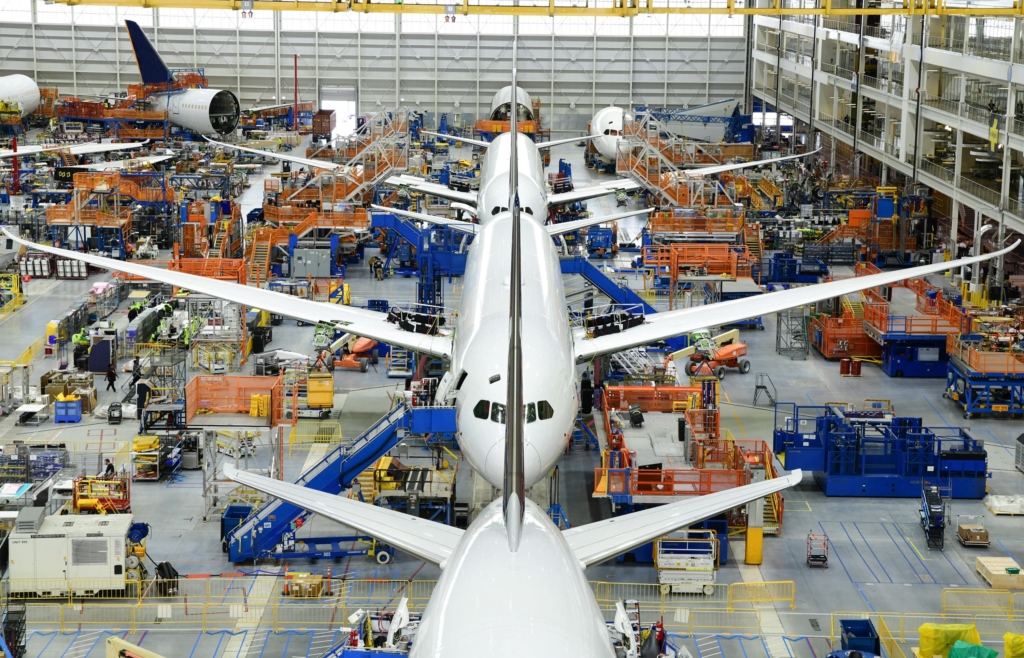
These materials offer clear advantages. They can be significantly lighter than traditional metals, reducing fuel consumption and operating costs while maintaining exceptional strength and resistance to corrosion.
Unlike aluminium, which is prone to fatigue and oxidation, composites are inherently more stable in harsh environments. That durability has been one of the key drivers behind their widespread adoption in both commercial and military aviation.
But as their use has grown, so too has the need to understand how they behave over decades of service.
Future aircraft materials focus on durability and lifecycle performance
The findings also sit within a wider shift in aerospace materials science, where durability, sustainability and lifecycle performance are becoming as important as strength.
According to Airbus’ research into future materials, the next generation of aircraft will rely on materials that are not only lighter and stronger, but also more durable and resource-efficient across their entire lifecycle.
That includes advances in:
- Thermoplastic composites, which are easier to recycle and less energy-intensive to produce
- Bio-based carbon fibres, derived from alternative raw materials such as biomass
- Digital material modelling, allowing engineers to track performance and predict degradation using virtual “digital twins”
In this context, understanding moisture-driven ageing is not a niche concern but it is central to designing aircraft that remain reliable over longer service lives while meeting stricter environmental and economic demands.
Moisture-driven ageing could reshape aircraft maintenance and design
If moisture uptake can be accurately tracked or modelled, airlines and military operators could better anticipate when composite components might begin to degrade, reducing uncertainty and avoiding unnecessary inspections or premature replacements.
By selecting fibre architectures that are less susceptible to moisture-related damage, engineers can build structures that retain their strength for longer, improving both safety margins and lifecycle costs.
Composite materials have long been seen as one of aviation’s great success stories, enabling lighter, more efficient and more capable aircraft.
Yet their vulnerabilities have always been more subtle than those of metals. They do not corrode visibly or crack in obvious ways. Their degradation happens slowly, internally, and often invisibly.
What this study does is bring that hidden process into sharper focus.
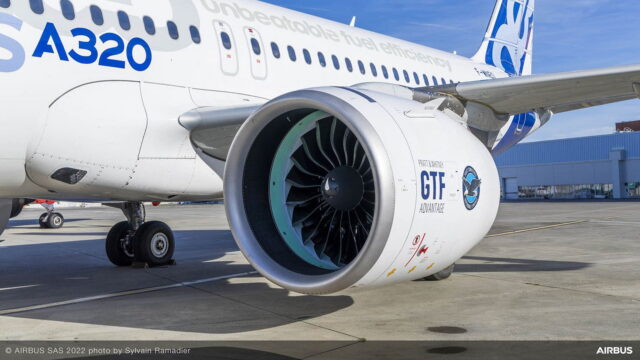
Featured image: Airbus