How are jet engines attached to aircraft wings? The science behind the engineering

3 min read
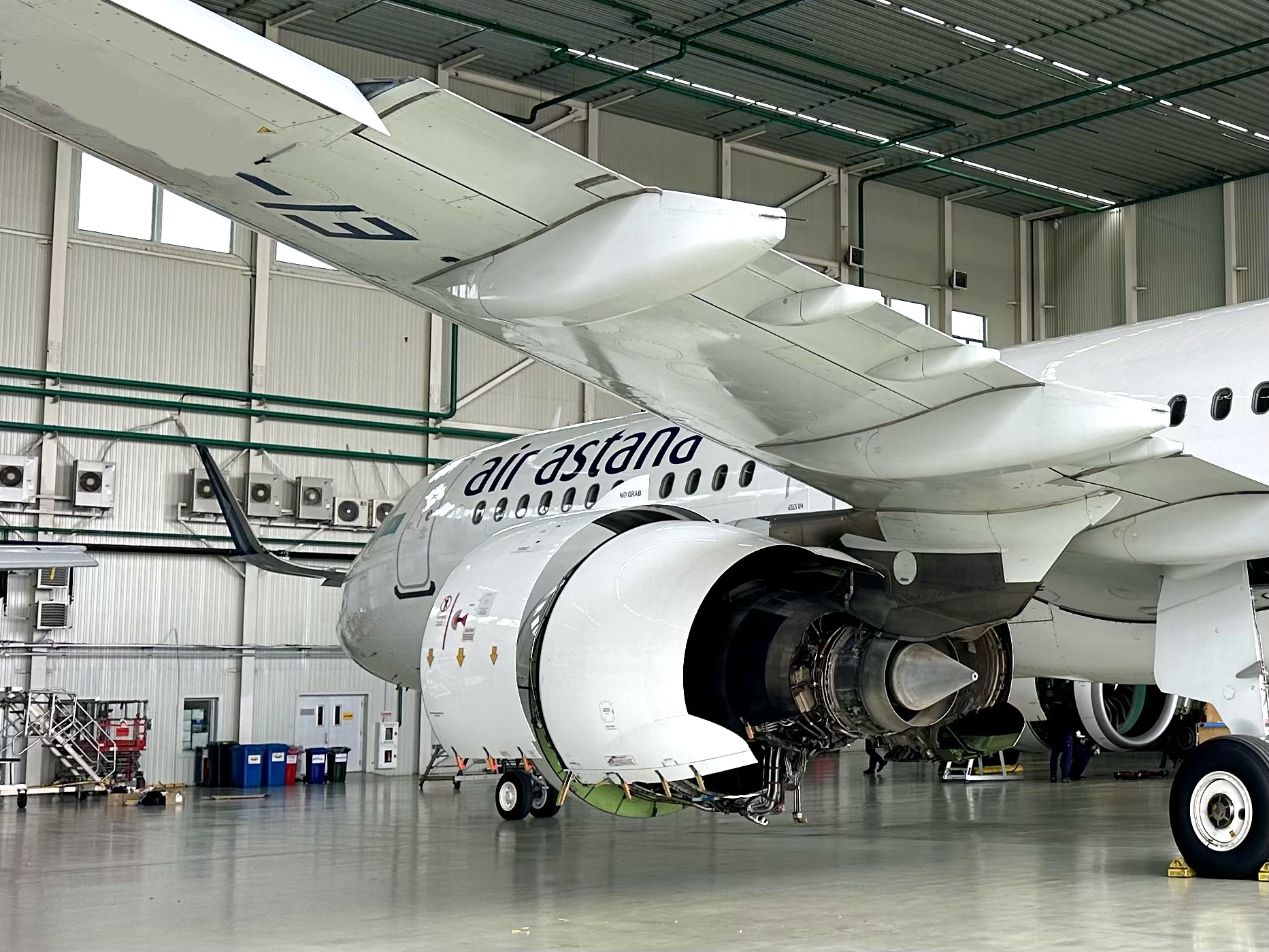
Most modern aircraft are designed to allow the hanging of jet engines slightly forward of the wings. Although complex, this standard engine placement offers greater structural and aerodynamic performance while ensuring flight safety. But how are those massive jet engines attached to the wings? We dive deeper into the mechanics of the wing-engine attachment and the kind of forces those engines experience during flight.
How engines are attached to aircraft wings
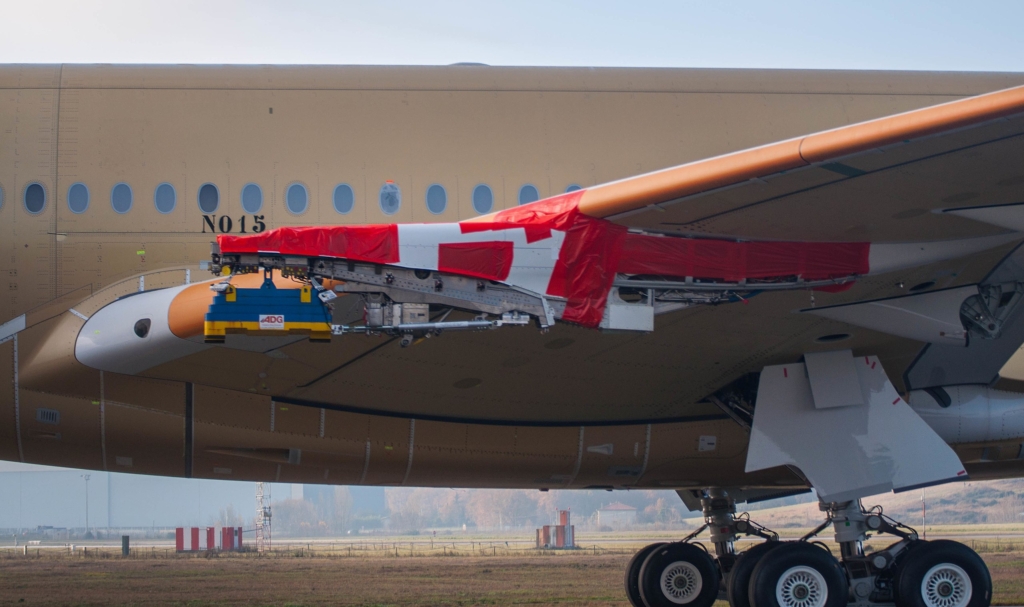
An aircraft propulsion system, or pod, houses an engine, nacelle system (cowlings), exhaust system, engine drains, and mounts. The pod is suspended by a pylon integrated into the wing structure. A reinforced area in the forward wing spar and ribs is designed to support the pylon. The pylon is securely fastened to the wing structure with strong bolts, brackets, and fasteners.
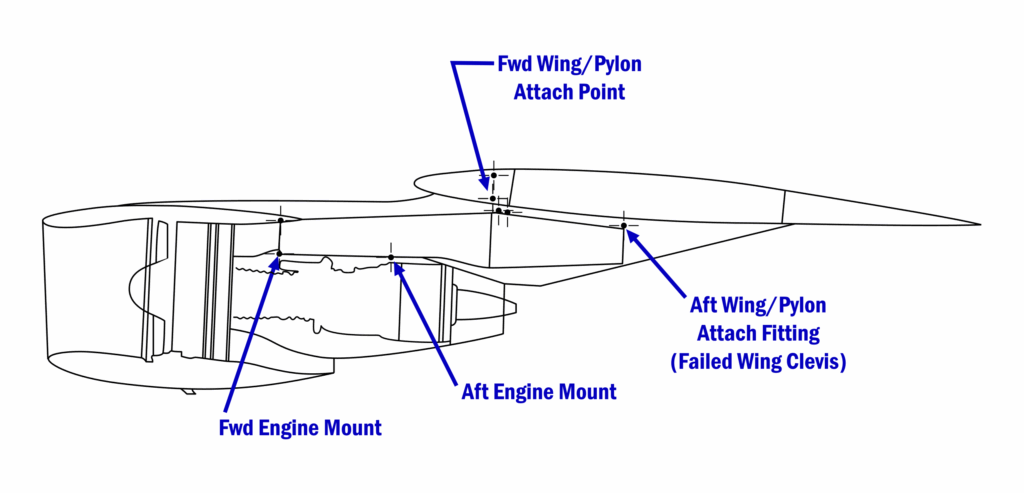
The pylon extends from the wing to create a gap between the wing’s forward section and the pod. It is to prevent damage to the wing-enclosed fuel tank and fuel lines in case of an engine fire. Various components of the pod are individually mounted on the pylon. The engine is attached to the pylon at forward and aft locations.
Other components of the pod, such as nacelles, are hinged or mounted, depending on their function. While the attachment system is designed to withstand maximum expected loads, engine pods can shear off in the event of a crash or a major ground impact.
Securing the engine to withstand extreme flight forces
The engine is the most important component of a pod, and is attached to the pylon via a forward engine mount and an aft engine mount. Both mounts are primarily made of titanium alloy, pressure-moulded from powdered metal.
The forward engine mount is bolted to the fan frame, one of three major supporting structures of the engine. The forward mount is designed to transmit thrust (axial), vertical, and lateral loads to the aircraft pylon.

Thrust links and pins transmit primary axial loads generated during flight and reverse thrust. Thrust pins provide a failsafe load path to prevent the engine mount from failing completely. The yoke carries vertical loads tangentially to the fan frame.
The aft engine mount is designed to transmit lateral, vertical, and rotational torque loads to the pylon. It is located at the turbine rear frame, ensuring the overall engine loads are balanced.
The crash of UPS Airlines Flight 2976 has sparked concerns over engine detachment
On November 4, a UPS Airlines MD-11 departing from Louisville Muhammad Ali International Airport (SDF) crashed moments after takeoff, killing 14 people, including 11 on the ground. Bystander videos showed the missing number one engine, which apparently detached during takeoff roll.
CNN reported that the Federal Aviation Administration (FAA) has ordered the grounding of all MD-11 aircraft, stating that the left-hand engine and pylon detached from the tri-jet during takeoff.
The engine (pod) coming off the aeroplane prior to any impact is odd, suggesting an uncontained engine failure. Parts flying off the failing engine could likely rupture fuel lines in the wing, resulting in a fire trail.
Components like engine mounts are critical safety components and are subject to strict maintenance and safety regulations. As investigators examine every aspect of the design and maintenance of the crashed UPS aircraft, engine attachments would be of the highest importance.
Featured Image: Joanna Bailey / AGN
Sign up for our newsletter and get our latest content in your inbox.


More from


October 17, 20264 min read