


Airport GSE: The ground beneath the fleet

7 min read

Ground support equipment may not be the most visible part of aviation, but without it, aircraft simply cannot fly. From baggage loaders and aircraft tugs to ground power units and air start systems, dozens of specialised vehicles and machines surround every aircraft between landing and departure.
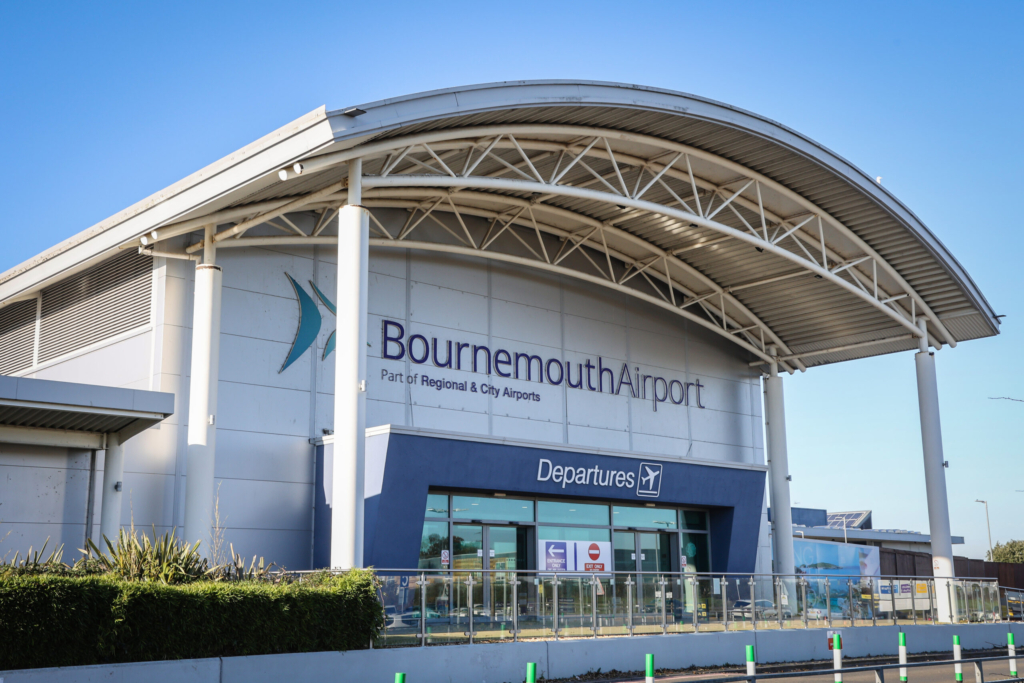
Keeping that equipment operational is the job of companies like Aviate Engineering, a UK-based ground support engineering specialist headquartered at Bournemouth Airport. The company maintains, repairs and refurbishes airport GSE used by airlines, handling agents and airports across the UK.
When Aerospace Global News visited the company’s Bournemouth base, Aviate Engineering’s director Ryan Baker was clear about the importance of the sector.
“GSE isn’t an extra to aviation,” he said. “It’s fundamental to it.”
Without it, aircraft cannot depart, and airport schedules quickly collapse.
What is Ground Support Equipment (GSE)?
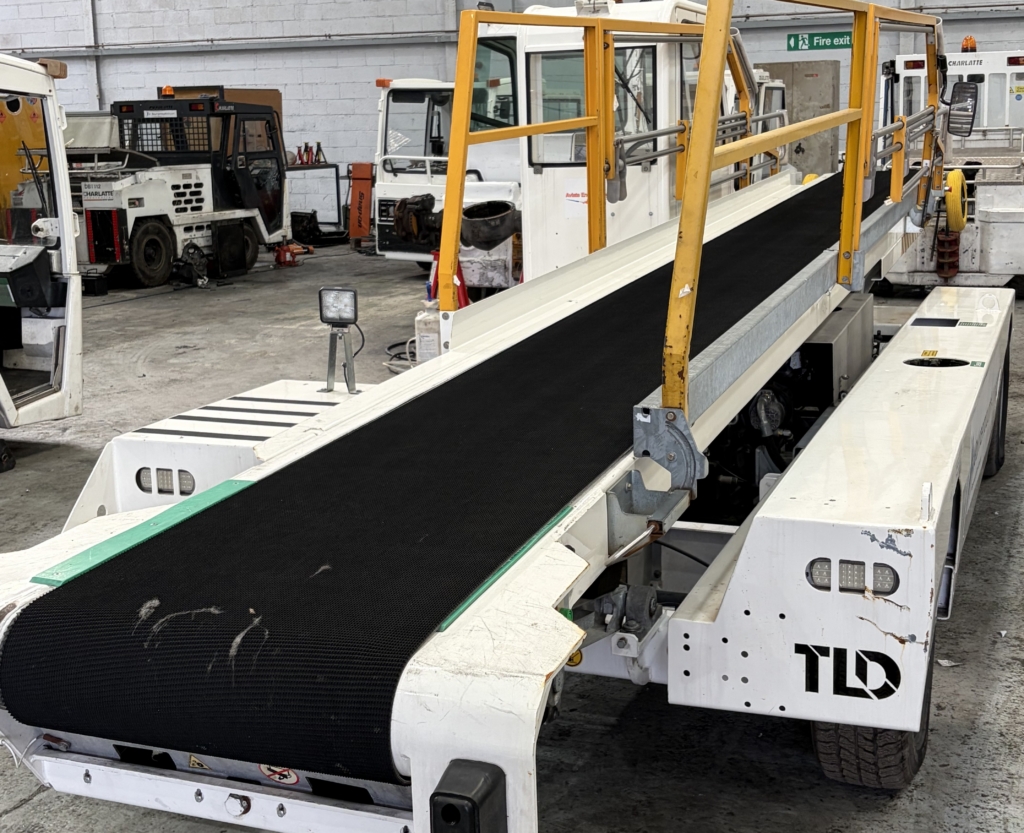
Ground support equipment is at the heart of ground handling. It covers a wide range of machinery, vehicles and equipment that service aircraft between landing and take-off. Aircraft tugs and towbars handle pushbacks, while belt loaders and baggage tractors move luggage.
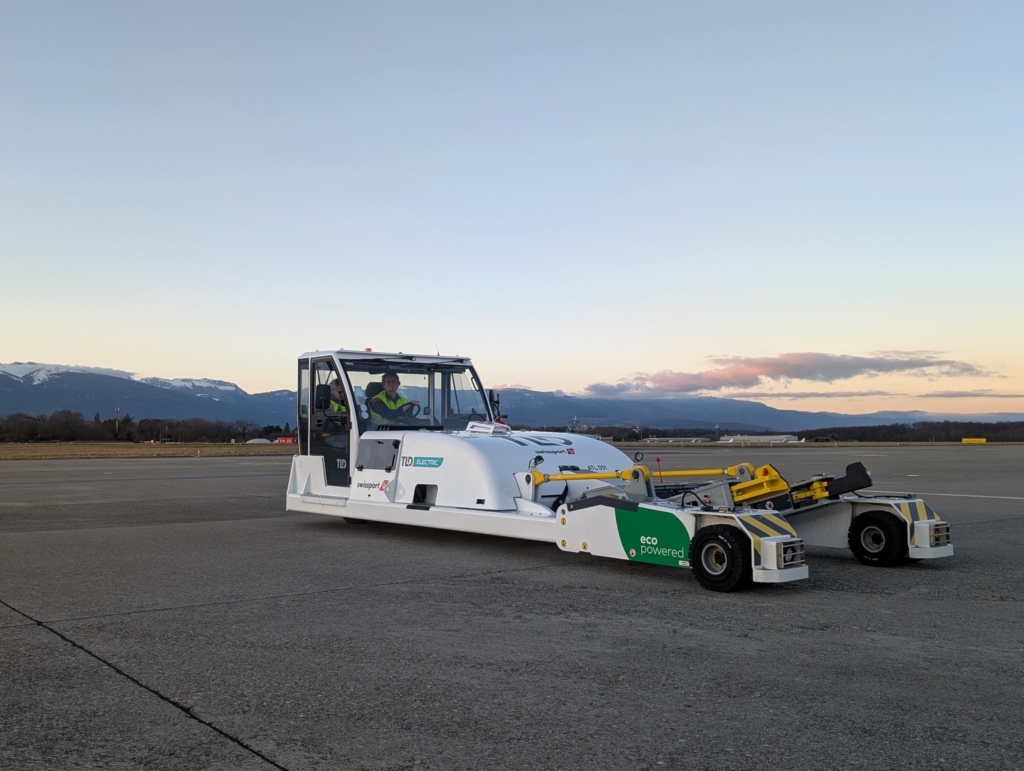
Cargo loaders shift freight. Ground Power Units (GPUs) supply electricity. Air Start Units (ASUs) provide the compressed air needed to start engines. Add in the air stairs, refuelling equipment, ambilifts, catering, and water and toilet trucks, and one thing becomes clear: this is a large, intricate ecosystem working in sync, balancing speed with safety.
How big is the GSE sector?
According to the UK Civil Aviation Authority, around 60 airports in the UK handle scheduled commercial passenger services, each relying on a substantial fleet of ground support equipment.
The exact number varies widely depending on airport size. A smaller regional airport may operate 50 to 150 pieces of GSE, while large hubs can have hundreds or even more than 1,000 units spread across terminals, cargo facilities and maintenance areas.
Globally, the GSE market was valued at around $5.1 billion in 2025 and is expected to reach $9 billion by 2035. More than half a million units are estimated to be in operation worldwide, supporting billions of passenger journeys every year.
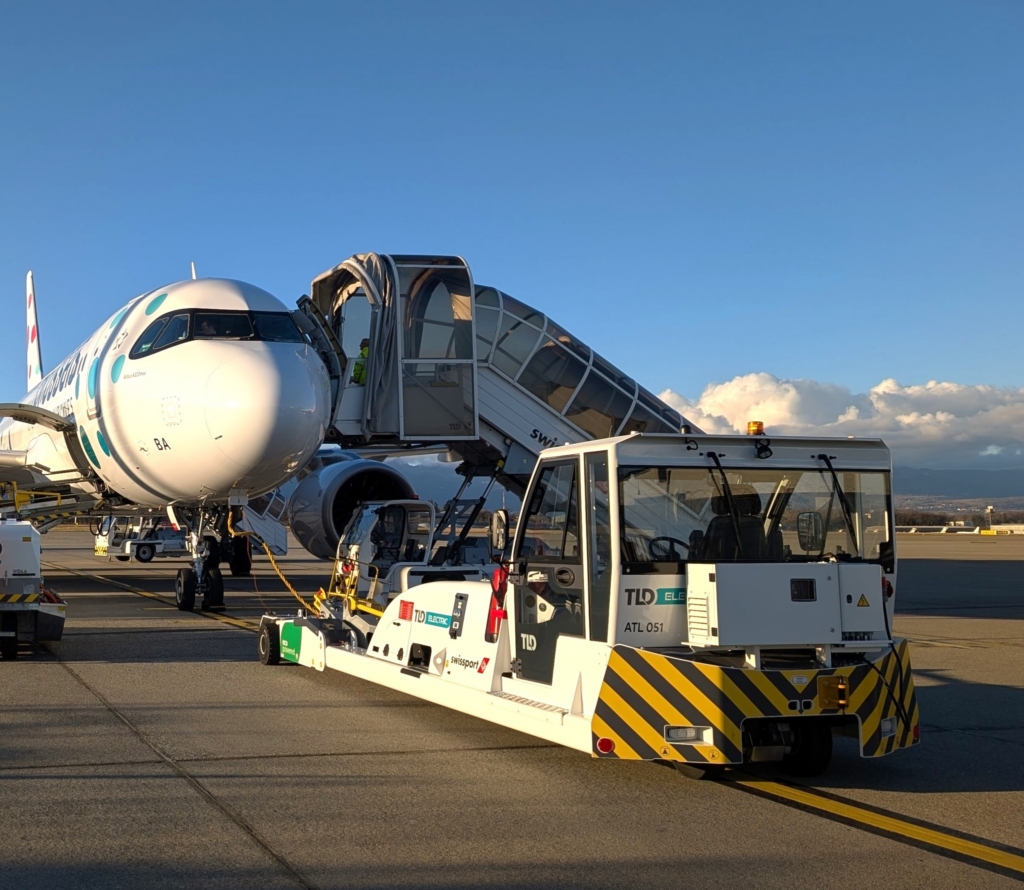
At busy airports, a single aircraft turnaround can involve 10 to 20 different pieces of equipment, from baggage tractors and belt loaders to catering trucks, ground power units and aircraft tugs.
Turnaround times for narrowbody aircraft can be as short as 25 to 40 minutes, meaning every minute relies on GSE performing exactly as it should within a tightly choreographed sequence of tasks.
Airports that operate well-maintained fleets can improve operational efficiency by roughly 30%. But when equipment fails, the impact is immediate.
Delays can cost airlines thousands of dollars per minute, with crew duty limits being exceeded, passenger compensation being triggered and knock-on cancellations spreading through the network. Such disruptions are not only expensive but can also seriously damage an airline’s reputation.
Ground support equipment faces intense daily usage
GSE is designed for incredibly heavy usage. It’s certainly bashed around by other equipment, by luggage and by humans.
Much of it is working constantly, especially during peak seasons when passenger numbers are at their highest.
A belt loader can easily serve dozens or even hundreds of flights a day. A GPU can run for hours at a time, powering avionics and cabin systems without the aircraft burning fuel through its auxiliary power unit.
That intensity of use makes maintenance schedules extremely strict. At Aviate Engineering, GPUs are the most used bit of kit, so they’re serviced every 17 weeks. Air stairs, tugs and towbars are typically serviced two to three times a year, or about every 500 hours.
Some GSE carries particular operational risk. Baker tells us that the ASU is the biggest headache if it fails. Used to “jump start” an aircraft when its APU is unavailable, ASUs are expensive. Many regional airports only have one available, however, Bournemouth Airport maintains two for resilience.
“If your ASU goes down and you don’t have a backup, you’ve got a problem,” he says.
Refurbishing vs buying new GSE
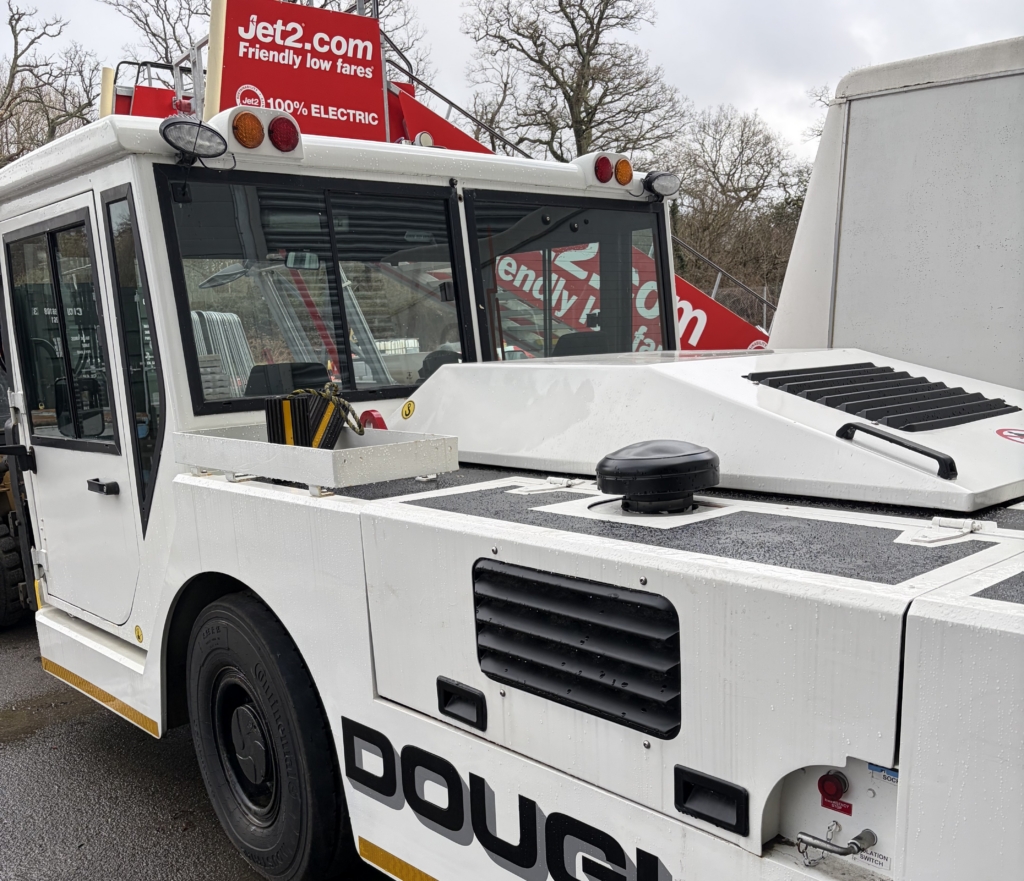
Capital costs are considerable too, with a modern aircraft tug easily costing up to £300,000 to buy. Multiply that across the fleet, and investment quickly runs into the millions. It’s a serious commitment for regional airports in particular.
Refurbishing GSE where it’s safe and economical to do so makes financial sense. For example, a properly maintained FMC cargo loader can operate for 30 years, and 20-year-old units are common on today’s aprons.
The challenge is parts. Specialist components can carry lead times of two to three weeks, which in summer or over Christmas can mean major disruption. A failed belt loader or ambilift may delay or even cancel a flight.
The priority, Baker stresses, is to remove a faulty unit immediately and replace it so the aircraft can depart, then repair it in the workshop. Safety comes first; minimising delay follows close behind.
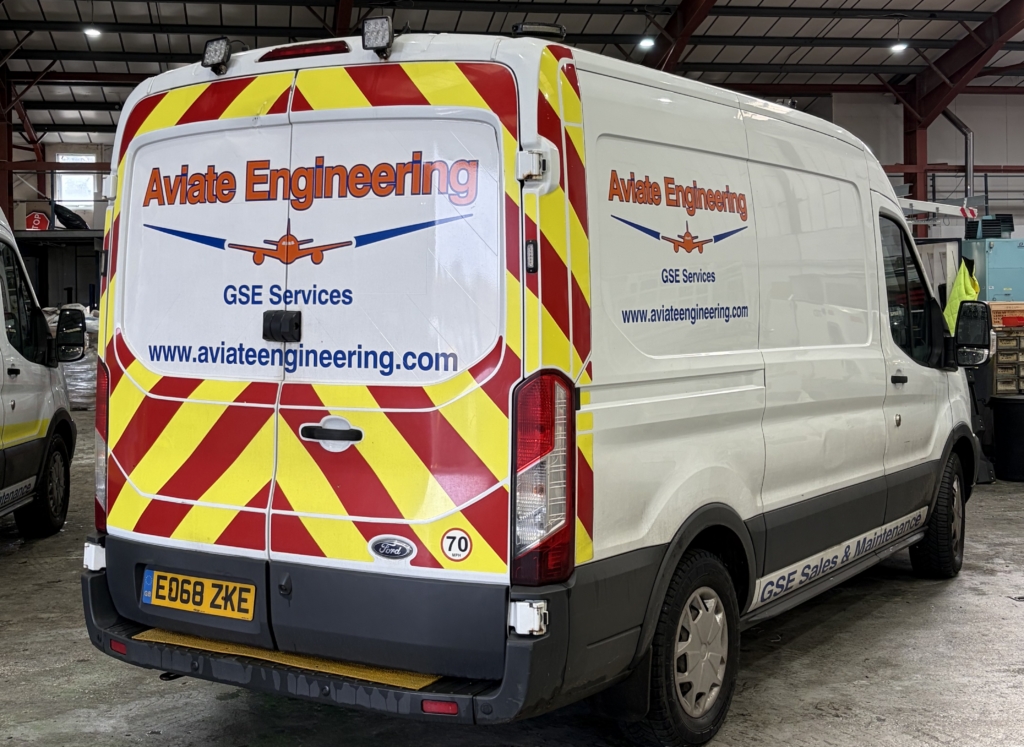
Aviate Engineering’s vans function as mobile workshops, so that engineers can carry out diagnostics and repairs directly on the apron. In some cases, or for more minor fixes, technicians can do the work while the aircraft is on stand. For airlines and airports, that responsiveness is vital.
Winter maintenance for airport GSE
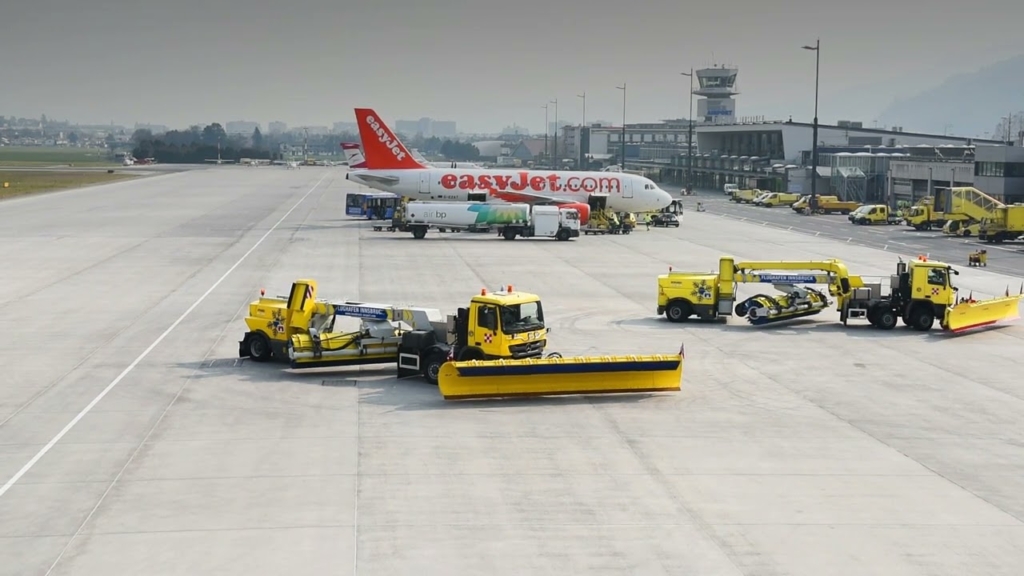
The busiest time for planned maintenance is between December and March. Quieter schedules mean that major servicing and overhauls can take place before the summer surge. Preventative work can cut down peak-season failures, though unexpected breakdowns of course remain part of the job.
Repairing, leasing and sustainability in GSE
With high capital costs, many airports prefer refurbishment and leasing to buying GSE themselves. Companies like Aviate Engineering not only maintain fleets but also refurbish units for resale and to lease.
A dry lease provides equipment alone, whilst a wet lease includes maintenance support.
For airports, leasing preserves cash and offers flexibility in peak periods. For providers like Aviate, it builds long-term relationships while creating a predictable revenue stream.
Sustainability is shaping investment decisions too. In 2024-25, airports worldwide ordered more than 3,000 electric GSE units as part of wider decarbonisation strategies. Electric and hybrid models are also growing in number, with Swissport recently completing Geneva Airport’s first fully electric aircraft turnaround. For now, many units are still diesel-powered.
Automation and electrification in ground support equipment
Automation is gradually entering the apron too. Driverless or semi-autonomous tugs are being rolled out, while AI-driven predictive maintenance systems use telematics data to anticipate wear and reduce unplanned downtime.
Infrastructure, however, is still an issue. Electrified GSE needs regular charging across apron areas, and retrofitting that infrastructure is expensive and complex.
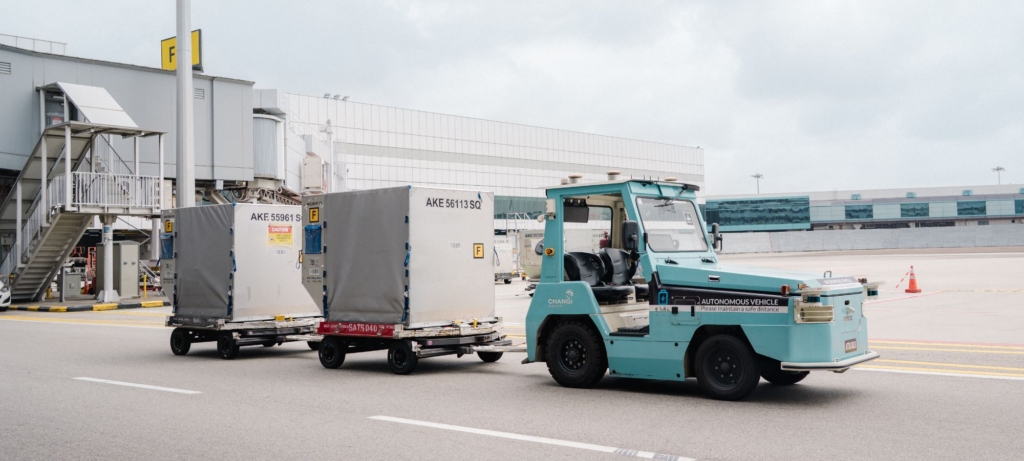
Baker also told us: “Despite the benefits of automation in GSE, there still needs to be a human element in the programming and maintenance. If a human-driven tug heads off to the wrong plane, they can soon be told to move. If it’s a driverless one, it may need to be reprogrammed, or a fault detected and fixed. That takes a lot more time.”
A looming skills gap in airport GSE
Recruitment is another challenge. GSE engineers often come from HGV or plant backgrounds, bringing expertise in hydraulics, diesel and compressed air systems. However, since the Covid-19 pandemic, many people have left these sectors and not returned.

There is currently no dedicated GSE engineering apprenticeship pathway in the UK, making it harder to attract younger recruits. On top of that, Brexit has brought supply delays and extra paperwork for parts, as well as increased tariffs. Skilled hydraulic and air-system engineers are noticeably hard to find.
Ground support equipment: Aviation’s invisible backbone
Ground support equipment doesn’t really lend itself to flashy travel marketing. But without it, passengers, catering and baggage aren’t loaded, toilets aren’t emptied and aircraft engines aren’t started.
In an industry defined by precision timing and tight margins, GSE truly is the unsung hero of the apron.
Featured image: Fraport


