Autonomous crop duster aircraft to be tested in California zero-emission trial

5 min read
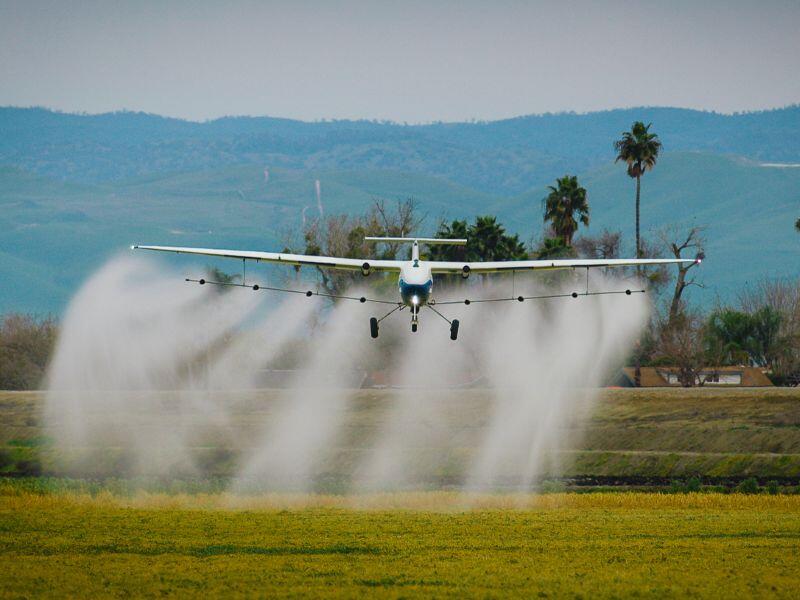
Pyka, a California-based developer of autonomous electric aviation, has been selected as the lead technology partner for the California Zero-Emission Aviation Demonstration project.
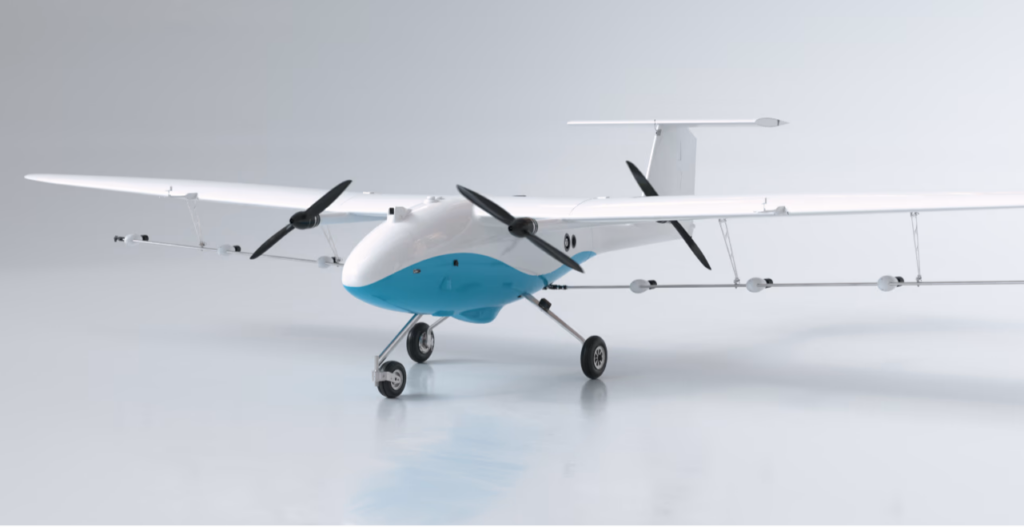
Under the terms of the assignment, the company will provide its Pelican 2 uncrewed aerial vehicle and expertise to the study, which seeks to demonstrate how such aircraft can be successfully deployed in the servicing of large-scale agriculture, a major contributor to the state’s economy.
PYKA’s Pelican 2 autonomous electric aircraft to spray California’s crops
On 15 April, California-based Pyka announced it will serve as the lead technology partner on the California Zero-Emission Aviation Demonstration Project. The project will see PYKA perform one of the first large-scale commercial demonstrations using all-electric, autonomous aircraft in California’s history.
The multi-year project aims to demonstrate the real-world viability of zero-emission aviation in agriculture by deploying Pyka’s all-electric autonomous Pelican 2 aircraft. The aircraft will operate under Federal Aviation Administration (FAA) approvals for agricultural operations at Victoria Island Farms in California’s Sacramento–San Joaquin Delta.
The project is being funded by California Climate Investments through the California Air Resources Board’s (CARB) Sustainable Heavy-Duty Initiatives for Future Technology (SHIFT) program and is supported by the California Energy Commission (CEC).
The project will study the use and effectiveness of uncrewed aerial vehicles in the sector of large-scale agriculture and how such aircraft can be best used to save time and costs while delivering pesticides and other sprayed agricultural products onto fields where food produce is being grown.
According to Pyka, power for its Pelican 2 aircraft will come primarily from off-grid solar charging systems, adding to the project’s green credentials, with additional support from project-funded zero-emission ground-support vehicles.
“Together, these systems will significantly reduce fossil fuel use associated with both flight operations and on-site agricultural support,” states the company.
“This project will demonstrate the scalability of zero-emission autonomous aircraft,” said Chuma Ogunwole, Chief Operating Officer of Pyka.
“By operating autonomous electric aircraft at commercial scale in a real agricultural environment, we are proving that aviation can reduce emissions today, not decades from now, while improving safety, efficiency, and community outcomes.”
How autonomous aircraft could transform large-scale agriculture
The California Zero-Emission Aviation Demonstration Project is part of California Climate Investments, a statewide initiative that uses funds to reduce greenhouse gas emissions, strengthen the state economy and improve public health and the environment, particularly in disadvantaged communities.
Pyka will manufacture and operate the aircraft from its Bay Area facility in Alameda, California. The company will collect detailed operational data throughout the demonstration, which will be used to support decisions over statewide future policy development, regulatory pathways, and industry adoption.
The project has been designed as a replicable model that can be scaled across California’s agricultural sector as well as adapted to additional aviation uses, including cargo logistics and other critical services.
Over the course of the project, operations with Pyka’s aircraft are expected to reduce greenhouse gas emissions by more than 1,000 metric tons of carbon dioxide. The project is also expected to reduce nitrogen oxides (NOx), particulate matter and other criteria pollutants by displacing conventional fossil-fuel-powered crop dusters and diesel agricultural equipment.
Additional benefits, according to the study’s organisers, may include reduced noise pollution, improved application precision that can lower overall chemical use, and reduced spray drift in nearby communities.
“California’s responsibility to protect its citizens from harmful air pollution and the effects of climate change extends beyond cars and trucks,” said CARB Deputy Executive Officer of Mobile Sources & Incentives Christopher Grundler.
“CARB investments in projects like this one are taking zero-emissions technology to new heights and demonstrating that clean aviation is not only feasible, but already capable of doing many jobs better and cheaper than polluting alternatives.”
What Pyka’s autonomous crop duster aircraft can do
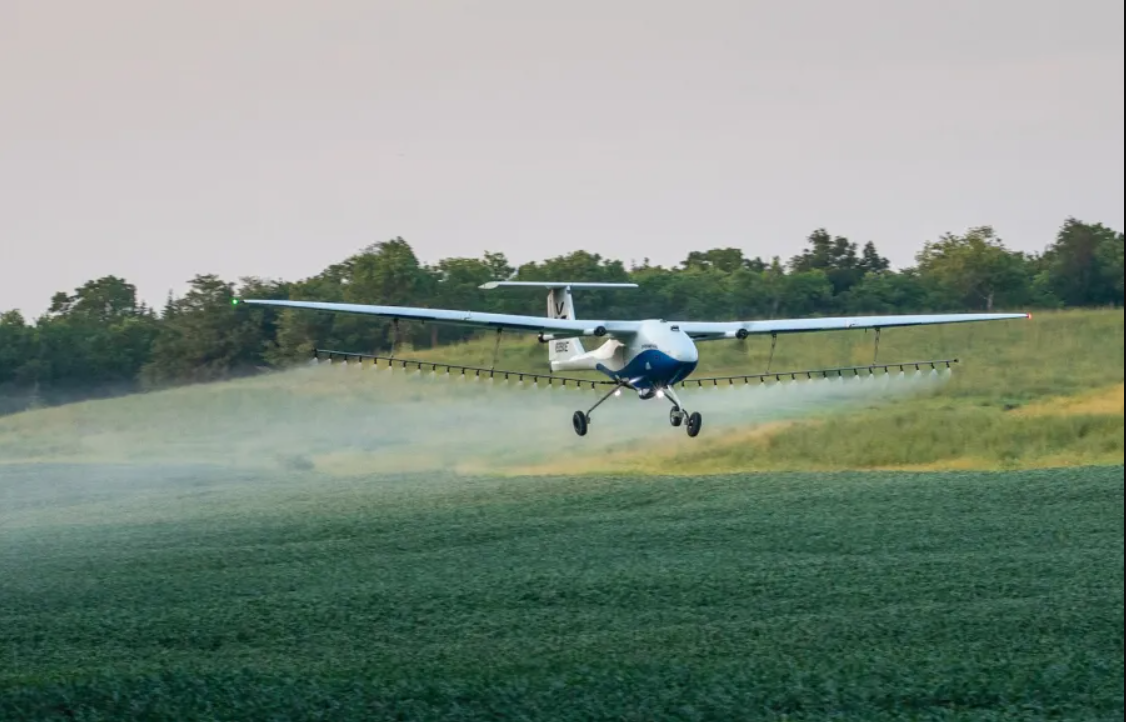
Pyka is primarily a robotics company aiming to build one of the most practical and deployable autonomous aircraft available anywhere. Pelican 2 is a next-generation autonomous electric aircraft designed primarily for agricultural spraying and crop protection.
Developed by the California-based company, the Pelican 2 represents a major step forward in sustainable aviation by replacing conventional fuel-powered crop dusters with a zero-emission electric alternative.
The aircraft is uncrewed and operates autonomously, using advanced onboard systems such as lidar and radar to navigate and complete spraying missions with minimal human intervention.
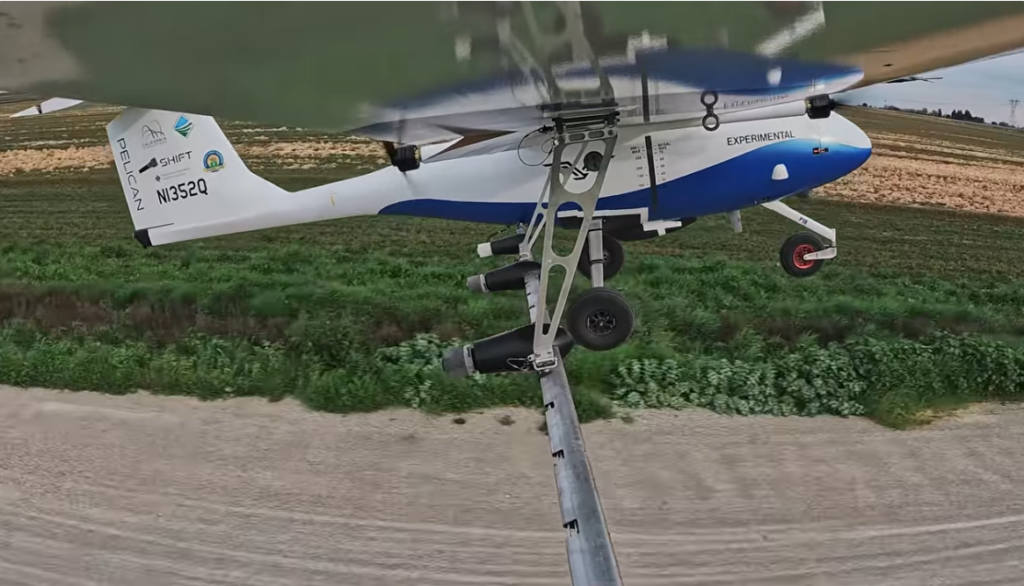
The aircraft has been designed to be a fully vertically integrated aircraft-first robotics stack, incorporating proprietary flight control software, avionics, high-power density electric motors, motor controllers, batteries, and carbon fibre composite airframes.
According to the company, all components of Pelican 2 have been developed entirely in-house and are all manufactured in the United States.
One of the most impressive features of the Pelican 2 is its scale and productivity. Pyka describes it as the “world’s largest autonomous electric agricultural aircraft”.
It carries a payload of up to 300 litres (66 US gallons) of liquid chemicals and can treat as much as 105 hectares per hour under certain operating conditions. This allows farmers to cover large areas efficiently while reducing labour costs and downtime.
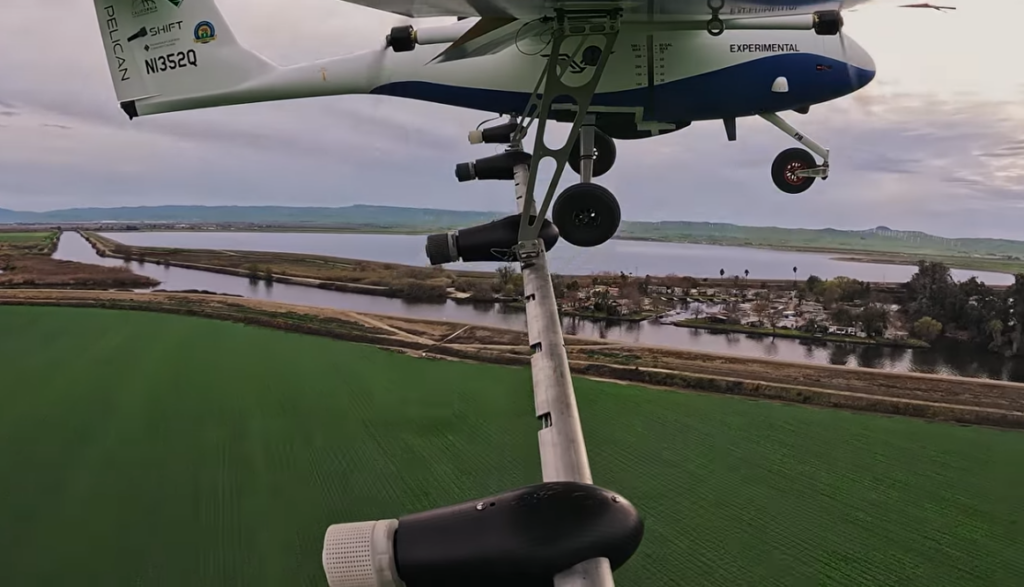
The Pelican 2 is powered by four electric motors producing a combined 100 kW and uses 15 hot-swappable lithium-ion battery packs. With multiple battery sets, operators can maintain near-continuous operations by charging one set while another is in use. This system helps improve uptime during demanding agricultural seasons.
According to Pyka, another important advantage of the Pelican 2 is its capability for precision spraying. The aircraft can adjust droplet size in flight, helping reduce chemical waste and spray drift.
The FAA approved Pelican 2 for commercial operations in the US in 2025, paving the way for further use of autonomous aviation in a broader spectrum of applications across the US.
Featured image: PYKA