


GE Aerospace ground-tests hybrid electric turbofan engine sized for future single-aisle aircraft

4 min read
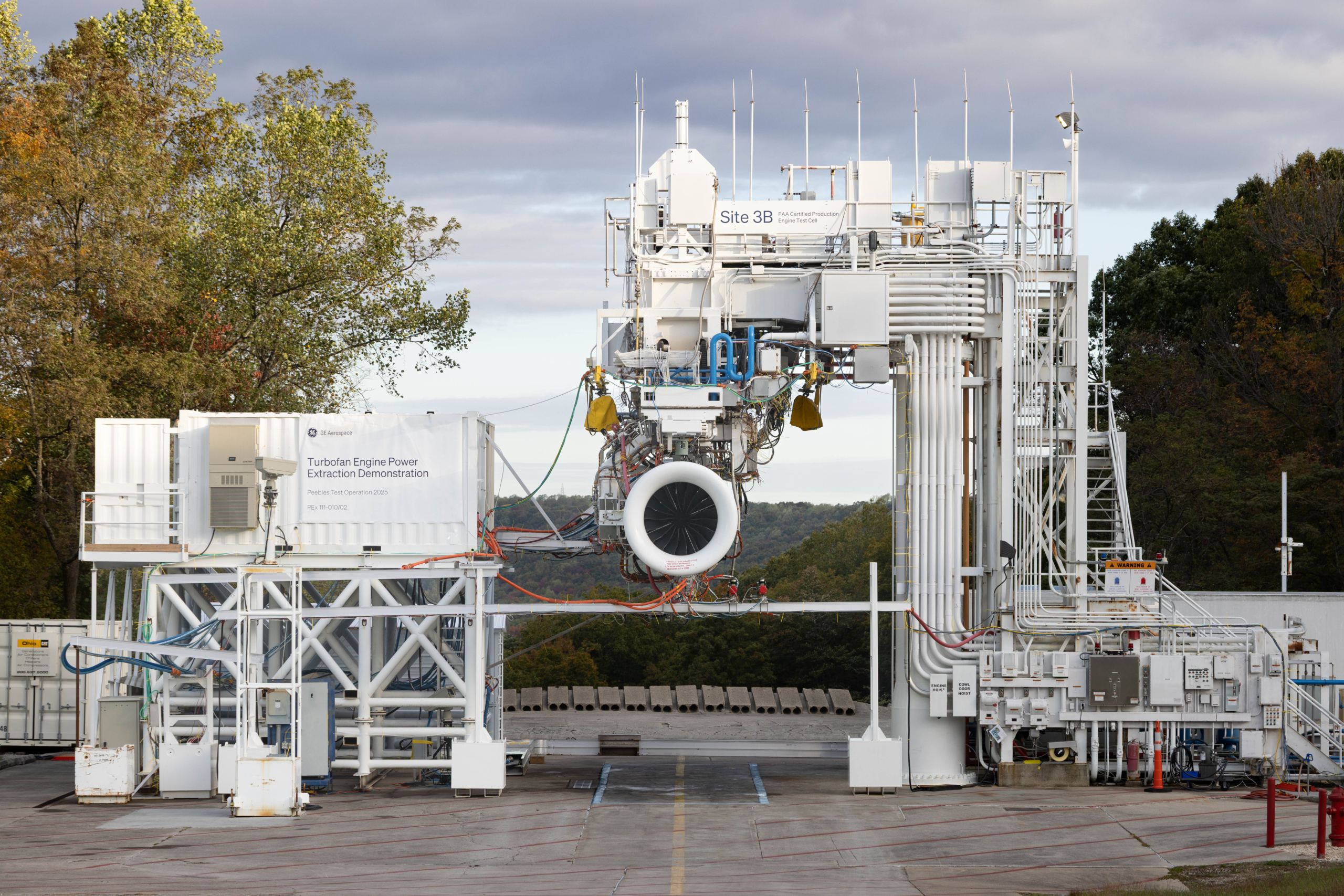
On 27 January, GE Aerospace announced that the company had successfully reached the latest milestone in its development of a hybrid electric turbofan engine. The powerplant is being developed to power a new generation of narrowbody commercial aircraft.
With aviation targeting net zero by 2025, the advancement of hybrid electric engine technology is seen as the next major step in that process, as airline and aircraft manufacturers alike seek to reduce their carbon footprint alongside noise and emissions.
GE Aerospace tests its new hybrid electric turbofan engine
GE Aerospace has been developing technology for a hybrid electric engine since 2013. However, those endeavours have received a further boost with the successful operation of a hybrid turbofan engine, demonstrating the power transfer, extraction, and injection processes.
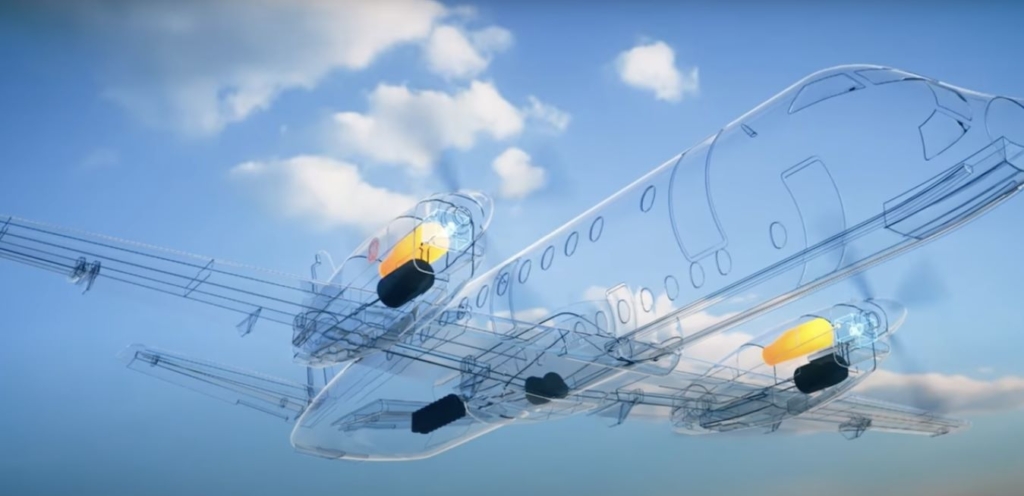
GE is developing a narrowbody hybrid-electric architecture that embeds electric motor-generators in a gas turbine engine to supplement power during different phases of operation.
“The design optimises performance and creates a system that can work with or without energy storage like batteries,” said the company.
GE Aerospace added that the ground testing of a modified Passport high-bypass commercial jet engine had been completed in 2025 at Peebles Test Operation as part of NASA’s Turbofan Engine Power Extraction Demonstration project.
The successful test advanced the technical team’s advanced understanding of the hybrid electric engine’s system integration and controls, beyond just standalone components.
GE added that the results of testing exceeded NASA’s technical performance benchmarks for hybrid electric propulsion.
NASA bases these measures on industry input about engine capabilities that could provide meaningful fuel cost savings for US (and other regions’) aviation while also meeting the power requirements of future aircraft, some of which are already under development.
“Hybrid electric propulsion is central to how GE Aerospace is redefining the future of flight,” said Arjan Hegeman, vice president of future of flight for GE Aerospace.
“Our latest milestone successfully demonstrated a narrowbody hybrid electric engine architecture that does not require energy storage to operate. It is a critical step to making hybrid electric flight a reality for commercial aviation with technologies that meet customer needs for greater efficiency, durability, and range.”
GE Aerospace’s RISE program testing
The Engine Power Extraction Demonstration is one of several efforts that GE Aerospace has underway to develop mature technologies for more electric aircraft engines through the CFM International RISE program.
Unveiled in 2021, the RISE program is one of the aviation industry’s most comprehensive technology demonstrators with more than 350 tests and more than 3,000 endurance cycles completed to date, including tests on advanced engine architectures like open fan, compact core and hybrid electric systems.

The program aims to reduce emissions from future narrowbody aircraft by at least 20%. RISE program technologies are maturing toward ground and flight tests this decade, with work underway on aircraft and engine integration in collaboration with key industry partners.
GE Aerospace builds on its expertise in the hybrid electric arena
GE Aerospace has been building up its expertise in hybrid electric propulsion systems in recent years, a process that is now accelerating at an advanced pace.
The company’s involvement in the arena was given a substantial boost in 2023 when the company said it would invest up to $20 million to add a new test cell and equipment at its Electrical Power Integrated Systems Centre (EPISCentre) located in Dayton, Ohio.
The EPISCentre added significantly to the site’s existing research and testing efforts of end-to-end electrical power starter and generation, conversion, distribution, and load technologies for military and civil aviation applications.
The 138,000-square-foot EPISCentre originally opened in 2013 on the University of Dayton campus and represented a $53 million investment to help advance the development of more electric aircraft.
Since then, another $26 million has been invested in facilities and equipment. The additional investment of £20 million in May 2023 brought total planned capital spending on the EPISCenter to nearly $100 million since its opening.
GE sees the continued investment in this facility as essential to meet the industry’s increasing demand for a certified hybrid electric aircraft engine to be available for the new aircraft being developed.
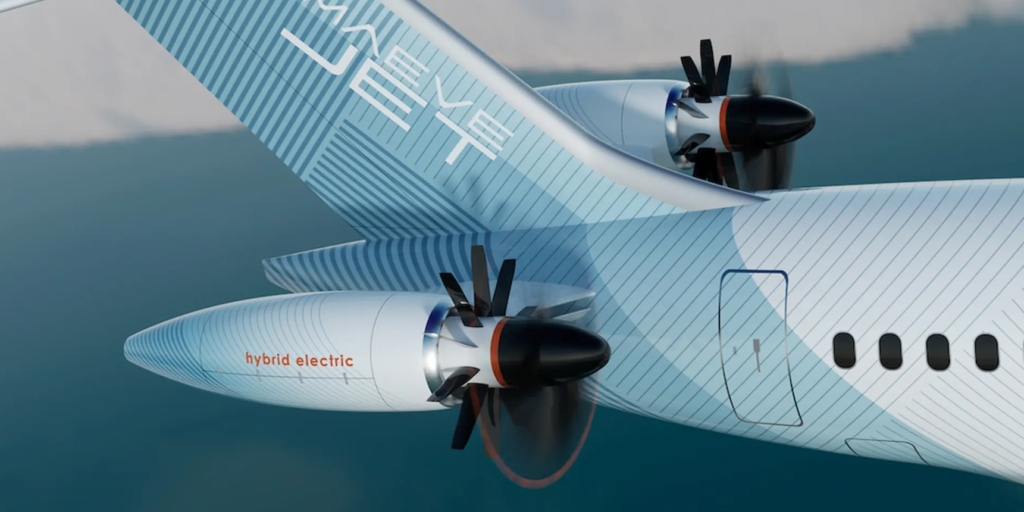
New regional aircraft under development that will require a hybrid electric powerplant include the MAEVE MJ500, the 80-seat twin-engine airline being developed in the Netherlands.
GE Aerospace fast-tracking development of hybrid electric propulsion
This latest milestone of testing its hybrid electric turbofan engine comes as GE Aerospace continues its work towards hybrid electric propulsion systems for the future of aviation.
Over the last decade, the company has achieved multiple hybrid electric milestones, including a 2016 ground test of an electric motor-driven propeller.

Then, in 2022, GE Aerospace completed the world’s first test of a megawatt-class and multi-kilovolt (kV) hybrid electric propulsion system in altitude conditions up to 45,000 feet that simulated a single-aisle commercial flight.
Most recently, in 2025, the company announced a new strategic partnership and equity investment with BETA Technologies through which the partners plan to develop a hybrid electric turbogenerator for Advanced Air Mobility (AAM) applications.
Featured image: GE Aerospace


