Europe faces jet fuel shortage as airlines rely on supplies from South Korea

4 min read
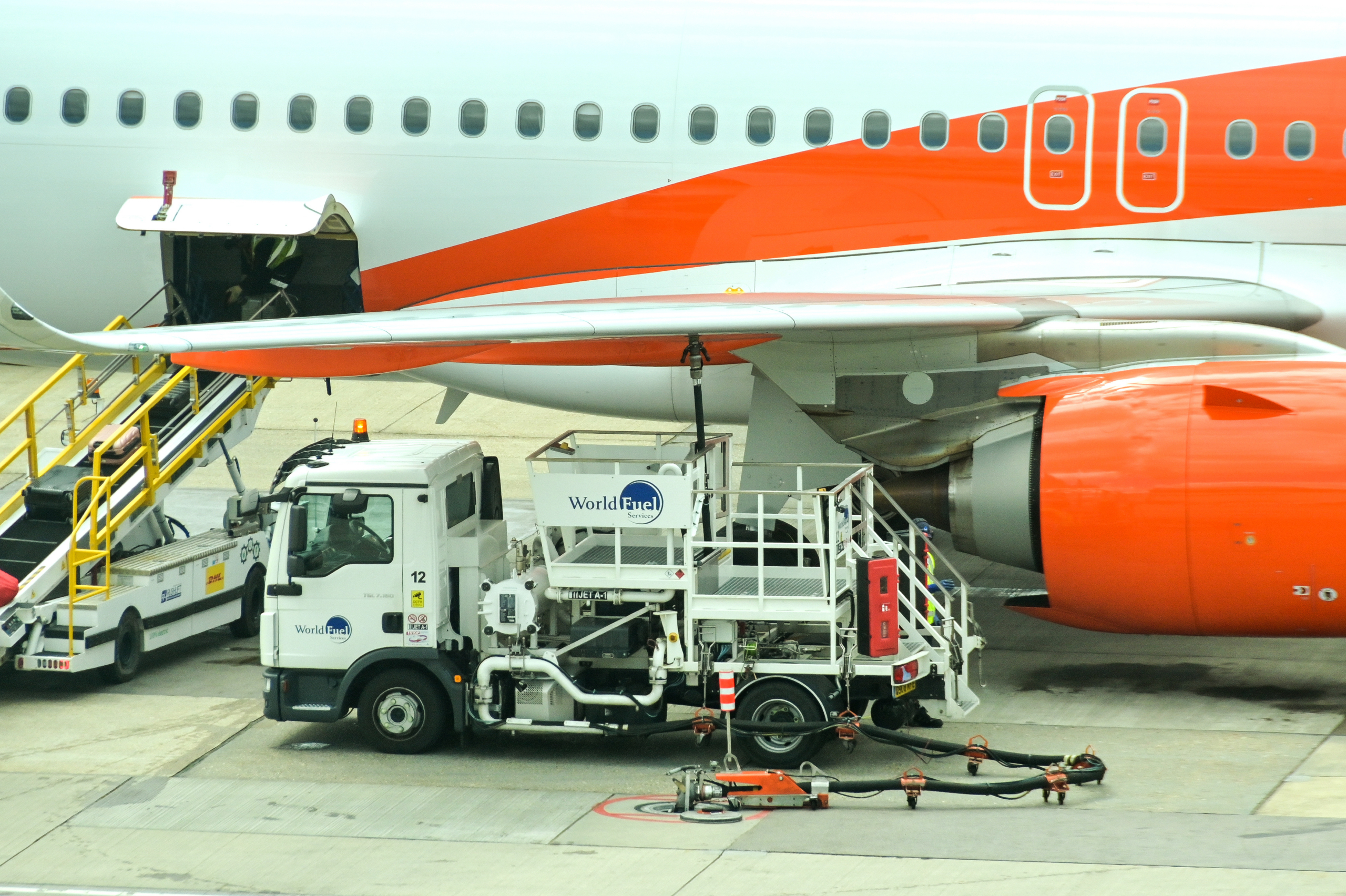
Europe is heading into the final quarter of 2026 facing a substantial shortage of jet fuel, despite growing efforts to bring supplies in from increasingly distant markets.
As reported by Reuters on 21 September, energy experts are estimating that European demand will exceed available supply by about 510,000 barrels per day during the fourth quarter.
The projected imbalance contrasts with expected surpluses elsewhere. The United States is forecast to have a surplus of around 18,000 barrels per day, while the Asia-Pacific region could have an excess of roughly 419,000 barrels per day.
The figures underline Europe’s continued exposure to disruptions in global fuel markets following the upheaval in Middle Eastern energy supplies.
Europe looks to South Korea for additional fuel supplies
According to the Reuters report, the conflict involving Iran has significantly reduced the flow of jet fuel into Europe, cutting off roughly half of the continent’s previous imports from the Middle East. European buyers have subsequently increased purchases from alternative suppliers, including the US, Canada and Nigeria.
However, despite these traditional oil exporters, South Korea has risen to become a significant player in the global export market in recent months, and has now become one of the latest major sources of jet fuel for European buyers.
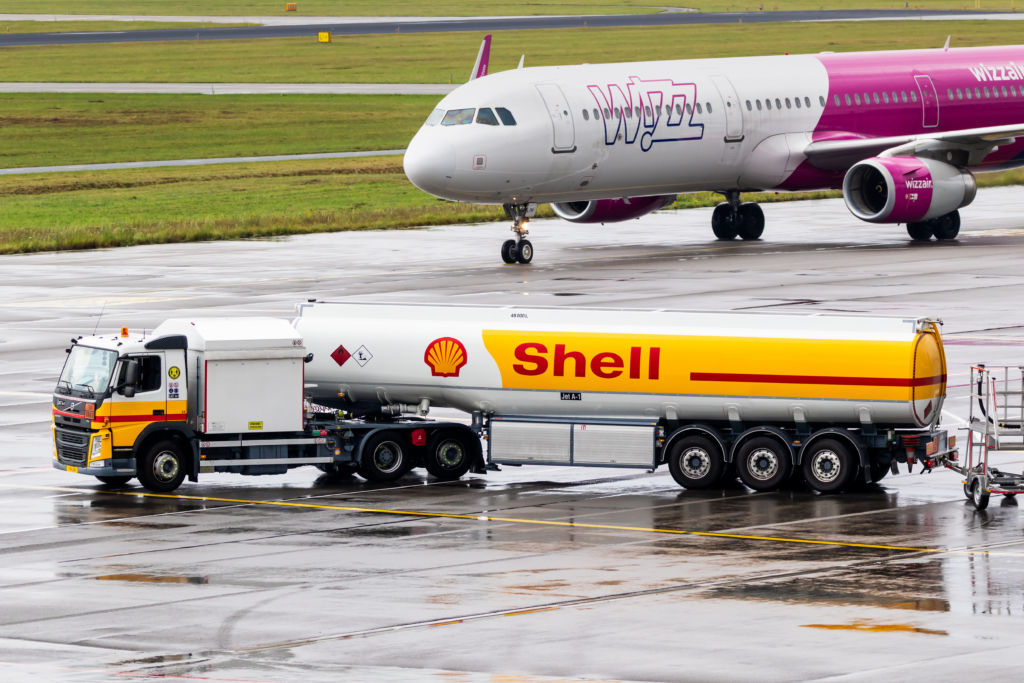
Data from commodities intelligence company Kpler indicates that shipments from South Korea to Europe averaged approximately 129,000 barrels per day during September.
That represents the highest level recorded since October 2022, with data from LSEG showing comparable volumes.
The increase reflects a broader effort by European traders to source fuel wherever commercial conditions allow. According to analysts at Sparta Commodities, imports are likely to continue while Europe remains structurally short of jet fuel.
The economics of moving fuel between Asia and Europe have also become more attractive. A growing difference between Asian and European fuel prices is encouraging traders to send cargoes westward, effectively redirecting supplies toward the market offering the stronger return.
European inventories come under pressure
The rise in imports comes against a backdrop of falling European stocks. Jet-fuel inventories at the Amsterdam-Rotterdam-Antwerp, or ARA, refining and storage hub fell to their lowest level in seven years during the week ending 10 September, according to the Reuters report.
Low inventories increase the importance of continued imports because Europe has less of a domestic buffer to absorb unexpected interruptions in supply. If geopolitical tensions intensify or transportation becomes more difficult, buyers could face further pressure.
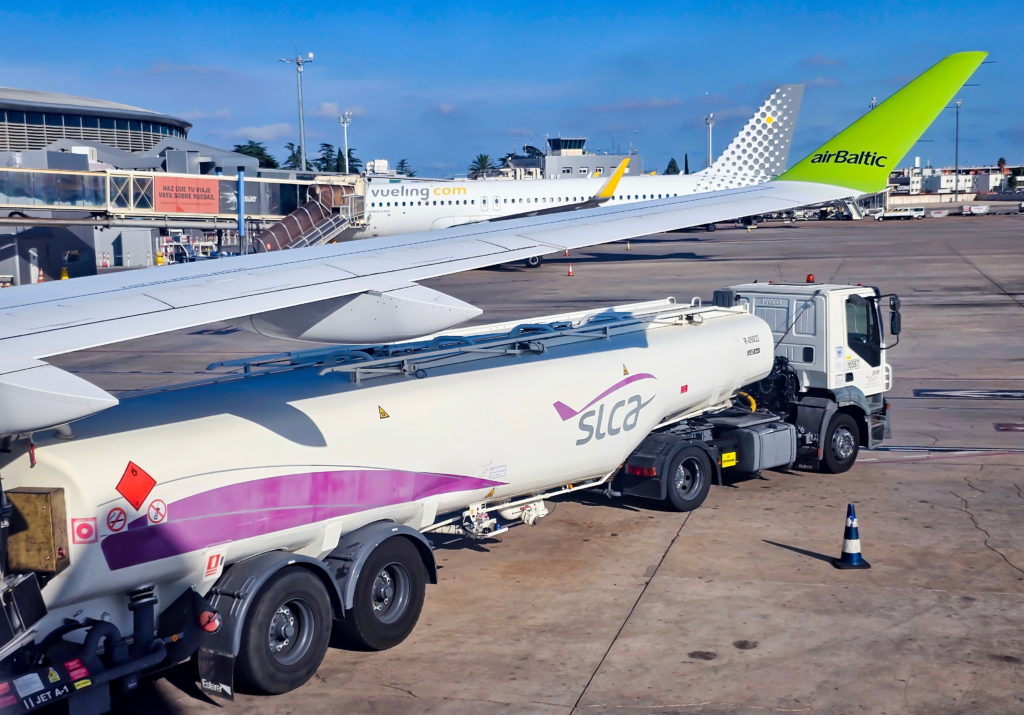
Jet fuel belongs to the broader group of middle distillates, which also includes diesel and gas oil. The same supply pressures affecting aviation fuel have therefore been felt across other parts of the European refined-products market.
European diesel prices have also climbed sharply, with the market recently reaching record levels and trading at a premium to Asian diesel.
South Korean refineries increase production to meet demand
South Korea’s ability to supply additional fuel has been supported by higher refinery output. Government figures cited by Reuters show that South Korean jet-fuel production reached almost 13.89 million barrels in July, the highest monthly level in seven years. Exports also reached their strongest level in about three and a half years.
The increase has been partly linked to higher crude-processing rates at South Korean refineries. Refinery runs reached approximately 2.7 million barrels per day in July, up 16% from June, according to provisional government data.
Market participants were expecting processing rates to rise further in August, potentially providing additional refined products for export.
South Korea is already an important participant in international fuel markets, and the current price relationship between Asia and Europe is creating an incentive for refiners and traders to direct more cargoes toward European destinations.
Global fuel market remains vulnerable
Europe’s projected fourth-quarter deficit illustrates how the disruption to Middle Eastern supplies continues to affect refined-product markets months after the conflict began.
Although additional cargoes from Asia and other producing regions can help fill part of the gap, transporting fuel over longer distances does not eliminate the underlying supply risk.
It instead makes Europe more dependent on the availability of international cargoes and favourable shipping and price conditions.
Asia’s role as a flexible supplier is particularly significant. Traders can redirect cargoes when the price difference between regions becomes sufficiently large to cover transportation and other costs.
For Europe, however, the continuing decline in inventories means that any fresh disruption could have a disproportionate effect on prices.
The situation also demonstrates the close relationship between aviation and broader energy markets.
Jet fuel competes for refinery capacity with products such as diesel, meaning that changes in crude processing, regional demand and refinery economics can influence supplies across several fuel markets simultaneously.
For now, South Korean exports and additional supplies from North America and West Africa are helping European buyers manage the shortfall.
But with analysts still forecasting a sizeable deficit for the fourth quarter, Europe is likely to remain dependent on international markets to meet its jet-fuel requirements for the foreseeable future.