


The F-35’s $38 billion cooling problem moves closer to a possible fix

3 min read
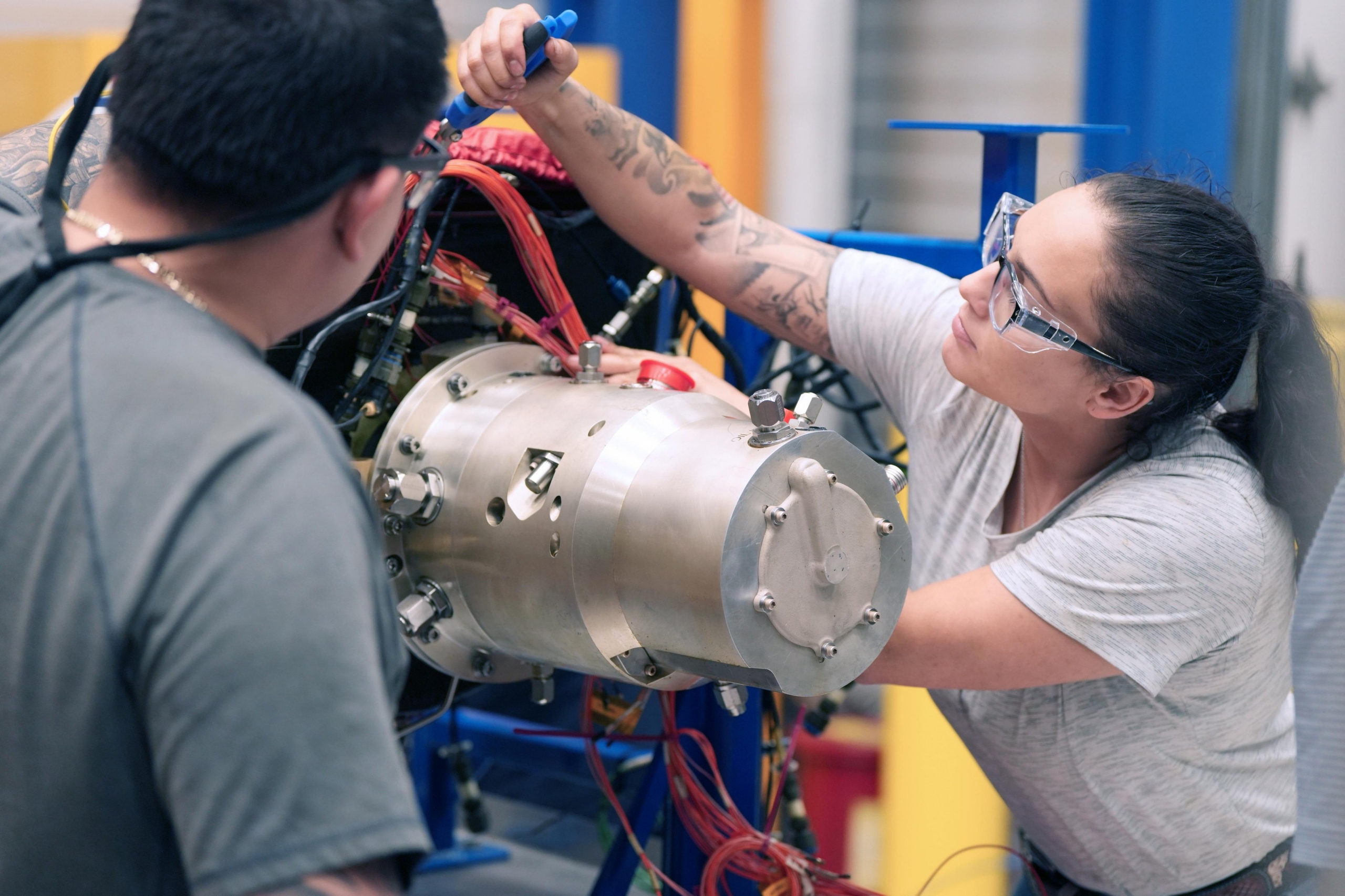
Collins Aerospace (a subsidiary of RTX) has completed altitude testing of its Enhanced Power and Cooling System (EPACS), bringing one potential solution to the F-35’s increasingly urgent power and thermal management problem closer to maturity.
The F-35’s existing power and cooling architecture is already overtasked, while Block 4 and subsequent upgrades will place still greater demands on the aircraft. EPACS is intended as a potential replacement for the current system and has demonstrated 80kW of cooling, more than double its present capacity.
Collins tests EPACS as potential F-35 cooling replacement
Collins completed altitude testing, validating the EPACS’s performance under real-world flight conditions.
“Completing this phase of testing advances EPACS maturity and reinforces confidence in the system’s capability and performance,” said Ira Grimmett, vice-president of Environmental & Airframe Control Systems for Power & Controls at Collins Aerospace.
While much of the public attention on advanced fighter jets is on stealth, radar performance range, top speed, and other relatable aspects, thermal management is just as important to next-generation fighter jets.
Advanced fighter aircraft consume large amounts of electrical power to operate sensors, avionics, electronic warfare systems, radar, and other mission systems. Much of that electrical energy ultimately has to be rejected as heat, creating a major thermal-management challenge.

As an analogy, it is somewhat comparable to a smartphone overheating while making a call, being plugged in, running power-intensive apps, and being exposed to direct sunlight all at the same time.
Finding ways to dissipate this heat is one of the biggest engineering hurdles for fifth-generation and future sixth-generation fighters.
The F-35 was designed with one of the world’s most advanced thermal management suites, but the ongoing Block 4 upgrade is straining its thermal management.
Collins is positioning EPACS as a candidate for the F-35’s Power Thermal Management Upgrade, which will support continued modernisation beyond the initial Block 4 capability upgrade. Block 4 is a major hardware and software modernisation effort, with upgrades including enhanced radar capabilities, increased processing and memory capacity, new weapons and other mission-system improvements.
At the same time, Block 4 and future modernisation require more power and cooling than originally projected.
The existing cooling system adds engine lifetime wear-and-tear
Collins argues EPACS could matter not only because it enables future electricity-hungry capability upgrades, but also because reducing demand on the F135 engine could limit wear.
The Government Accountability Office (GAO) watchdog noted in 2023 that the F-35’s existing cooling system is overtasked. This is requiring the engine to operate beyond its design parameters and adding to the overall costs of the programme.
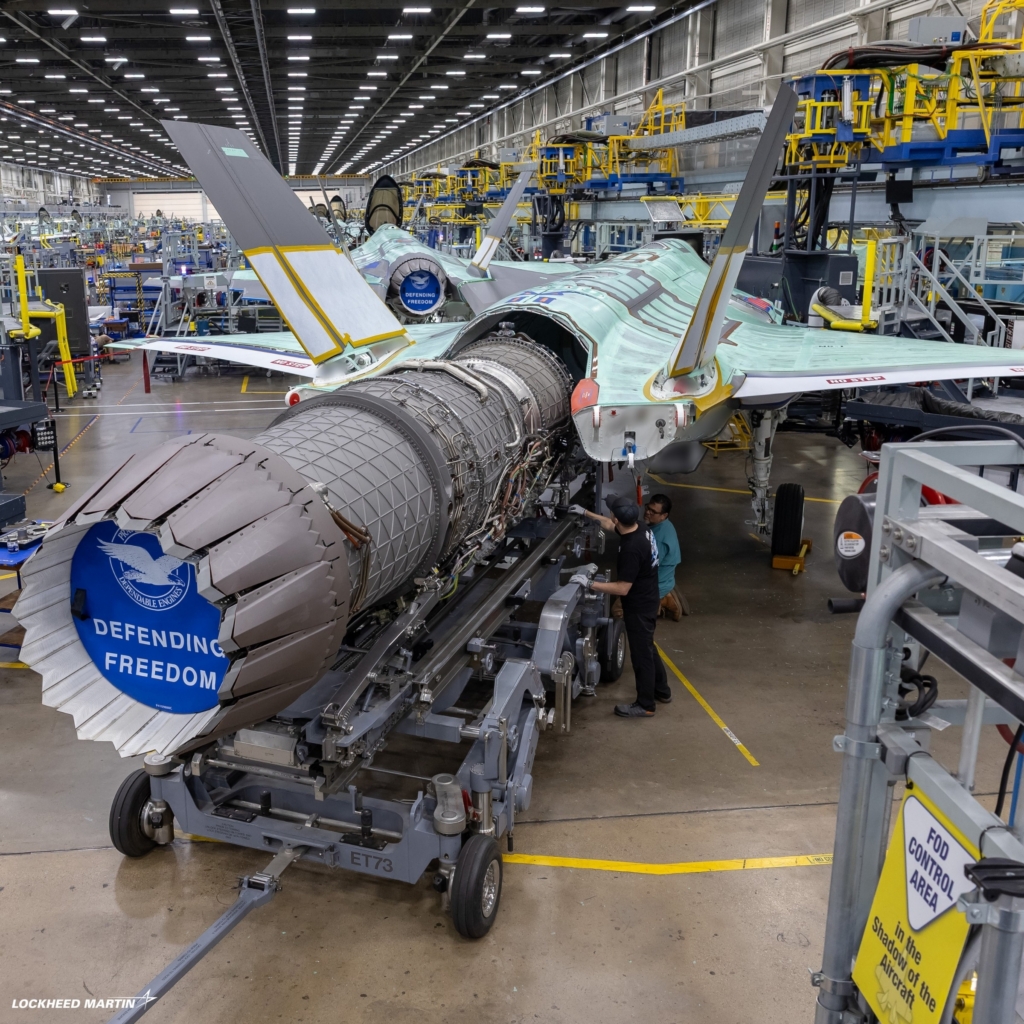
The GAO wrote, “The extra heat is increasing the wear on the engine, reducing its life, and adding $38 billion in maintenance costs.”
The report also noted that the programme was exploring options for modernising the F135 engine and its thermal management system used to cool the aircraft’s subsystems. But it had not fully defined the requirements for how much future cooling the aircraft would need.
Validating the EPACS solution ahead of a 2027 decision
Collins ran its new EPACS for several days at mission-representative power levels and at various simulated altitudes and up to the aircraft’s operational limits.
Collins has previously reported that its EPACS has met aircraft-integration requirements, although it hasn’t yet been selected as the F-35’s definitive thermal-management upgrade.
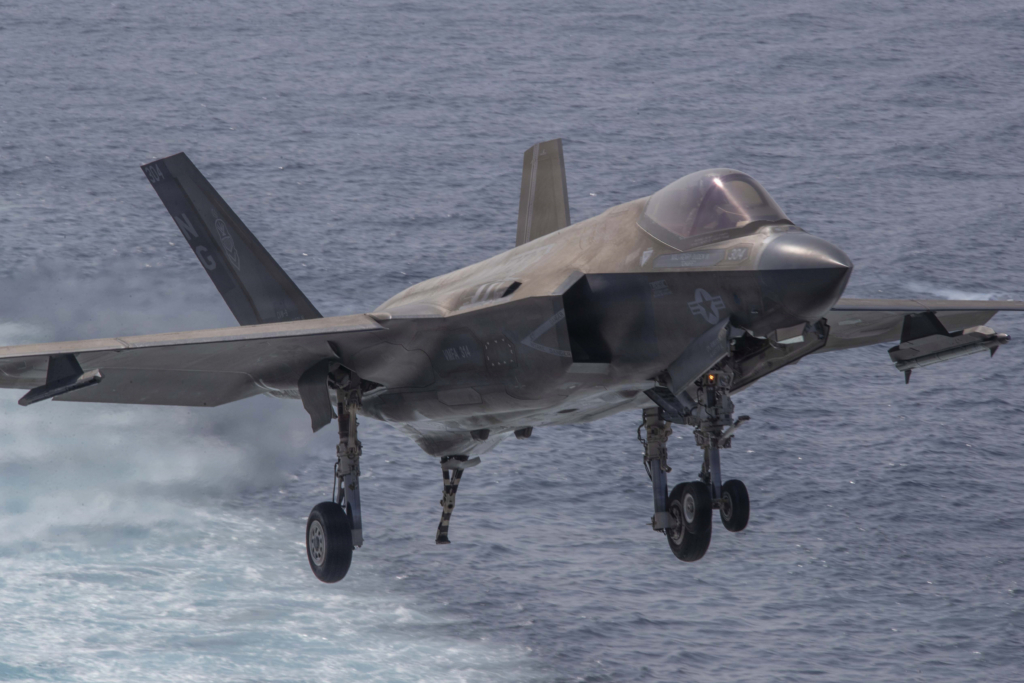
The Joint Program Office is currently exploring options for the F-35’s Power Thermal Management Upgrade. In December 2024, the programme awarded Lockheed Martin a $107 million contract to analyse options for upgrading subsystems of the PTMU. Also importantly, the PTMU is taking place alongside the parallel Engine Core Upgrade effort.
Lockheed Martin is expected to complete its two-year analysis in December 2026 and present the available PTMU options to programme officials. The Department of Defense also plans to complete an independent cost estimate covering thermal-management options in March 2027.
GAO has warned that PTMU production is not expected to begin until 2033, leaving little or no room for delays without affecting the delivery of post-Block 4 capabilities.


